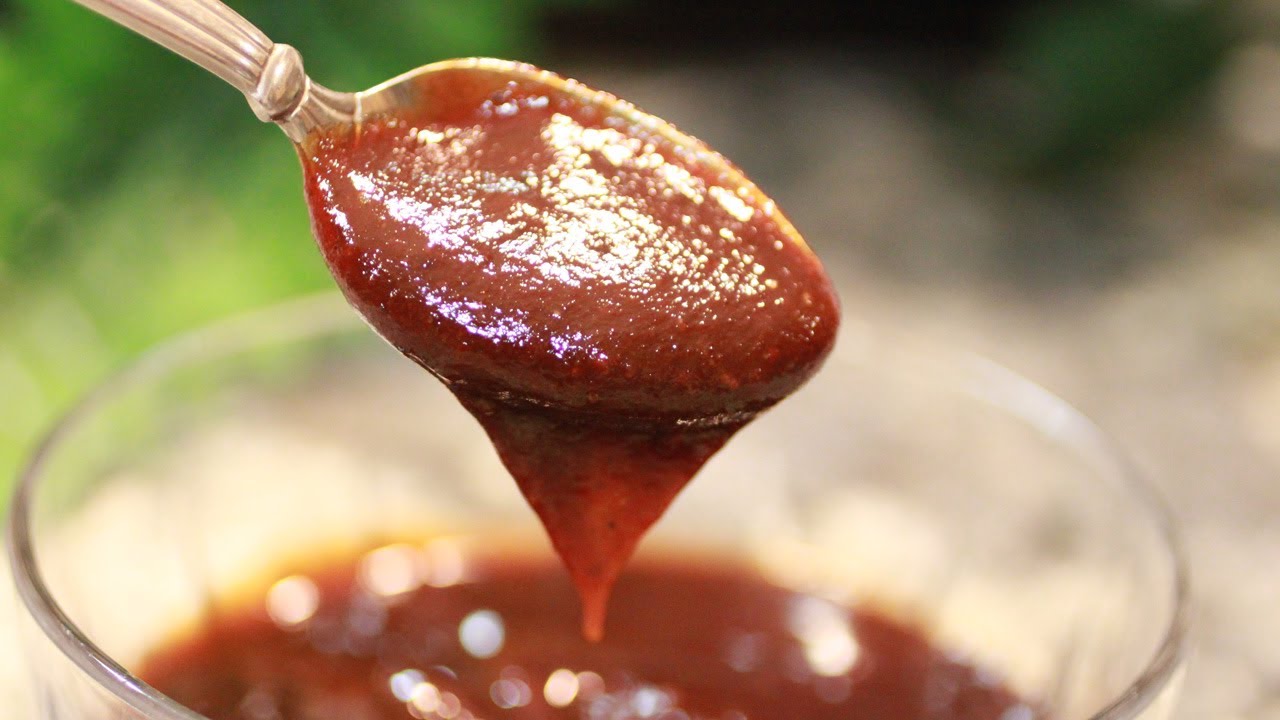
Homemade Barbecue Sauce Recipe: There’s something magical about the smoky, sweet, and slightly tangy flavor of barbecue sauce. It brings life to ribs, adds punch to burgers, and turns chicken into a juicy masterpiece. But store-bought bottles often come loaded with preservatives, artificial flavors, and way too much sugar. That’s where making your own BBQ sauce at home steps in—and trust me, once you do it, you’ll never go back.
Homemade barbecue sauce gives you full control. You can dial up the heat, add a smoky finish, or sweeten it just right. Whether you like it thick and bold or runny and mild, it’s your call. Plus, you’ll be using ingredients you already have in your pantry. No hidden chemicals. Just pure, honest flavor.
And here’s the kicker: it’s incredibly easy. You don’t need to be a professional chef. In fact, it only takes 30 minutes from start to finish. It’s one of those recipes where once you nail your perfect combo, you’ll bottle it up and make it on repeat. Homemade BBQ sauce also makes a killer gift—pour it into a mason jar, tie a little twine around the top, and boom—instant crowd-pleaser.
Types of BBQ Sauce Across the U.S.
Before we dive into the recipe, let’s take a quick detour around the U.S. to explore the regional BBQ sauce styles. This helps if you’re looking to recreate a specific flavor profile.
- Kansas City Style: Thick, sweet, and smoky. Made with molasses or brown sugar and tomato-based.
- Carolina Style: Vinegar-based and tangy. Comes in two types: Eastern (vinegar + pepper) and Western (with ketchup).
- Texas Style: Bold and spicy, often includes meat drippings or Worcestershire sauce.
- Alabama White Sauce: A mayo-based BBQ sauce, great for chicken.
- Memphis Style: Similar to Kansas City but usually less sweet and more tomato-forward.
Knowing what kind of sauce you’re after helps shape your ingredient list and method. Our recipe is a balanced version inspired by Kansas City but easily customizable.
Essential Ingredients for BBQ Sauce
Base Ingredients You’ll Need
The heart of any good BBQ sauce lies in its base. For a rich, well-rounded flavor, you’ll need the following staples:
- Ketchup: This forms the sweet and tangy base. Choose one without high fructose corn syrup.
- Apple Cider Vinegar: Adds tang and helps balance out the sweetness.
- Brown Sugar: Gives that deep, molasses-like sweetness.
- Worcestershire Sauce: Brings umami and complexity.
- Mustard: Adds sharpness and helps emulsify the sauce.
- Garlic Powder and Onion Powder: Essential for flavor depth.
- Smoked Paprika: Introduces smokiness without needing a smoker.
- Salt and Pepper: Basic seasonings but crucial for balance.
These ingredients work together in harmony. The key is balance—you want sweetness, acidity, saltiness, and spice all to shine in a smooth blend.
Optional Flavor Enhancers
Want to take your sauce to the next level? Try adding:
- Liquid Smoke: For that authentic smoky BBQ taste.
- Hot Sauce or Cayenne Pepper: Add heat to taste.
- Honey or Maple Syrup: For a natural sweet twist.
- Molasses: For a richer, deeper sweetness.
- Bourbon or Whiskey: Adds a touch of complexity and adult flair.
- Soy Sauce or Tamari: Enhances umami and saltiness.
The great thing about homemade BBQ sauce is that you can play around. Taste as you go and tweak it until it hits all the right notes.
Tools and Equipment Required
Kitchen Tools Checklist
Making BBQ sauce is super low-maintenance. Here’s what you’ll need:
- Medium Saucepan: For simmering your sauce.
- Wooden Spoon or Whisk: To stir and combine ingredients.
- Measuring Cups and Spoons: Accuracy helps with balancing flavors.
- Blender or Immersion Blender (Optional): If you prefer a smooth sauce.
- Fine Mesh Strainer (Optional): For an extra-smooth texture.
That’s it! Most home kitchens are already equipped for the task. No fancy gadgets necessary.
Storage Essentials
Once your sauce is ready, you’ll want to store it properly. Consider these options:
- Glass Jars with Lids: Mason jars are perfect. They’re airtight, reusable, and look great in your fridge.
- Plastic Squeeze Bottles: Handy for quick use and portion control.
- Label and Date: Always note when you made it. BBQ sauce lasts about 2-3 weeks refrigerated.
Freezing is another option if you made a big batch. Just leave room at the top of the jar for expansion.
Step-by-Step Guide to Making Homemade BBQ Sauce
Step 1: Gather All Ingredients
Start by laying out all your ingredients and measuring everything in advance. This step ensures a smooth cooking process and prevents any mid-recipe surprises. Trust me, nothing’s worse than realizing you’re out of Worcestershire sauce halfway through.
This also gives you a chance to tweak your flavor profile. Prefer more spice? Add a bit more cayenne now. Going for extra sweet? Toss in an extra tablespoon of brown sugar. Mise en place—everything in its place—makes cooking more enjoyable and foolproof.
Step 2: Sauté the Aromatics
Now that everything is prepped, it’s time to build the flavor foundation. Start by heating a tablespoon of oil (olive or vegetable oil works fine) in your saucepan over medium heat. Once the oil is hot, add finely minced garlic and onions if you’re using fresh versions instead of powders. Let them sauté for about 2-3 minutes until they become translucent and fragrant.
This simple step deepens the overall flavor profile. If you’re short on time or prefer a smoother sauce, you can skip the fresh aromatics and stick to garlic and onion powder. But if you’ve got an extra five minutes, trust me—your taste buds will thank you. Stir frequently to avoid burning, as burnt garlic can add an unpleasant bitterness to your sauce.
Once your kitchen smells amazing and the aromatics are softened, you’re ready for the next step.
Step 3: Add Liquids and Spices
Here’s where the magic starts to happen. Reduce the heat slightly and begin adding your liquid ingredients. First, pour in your ketchup—usually about 1 to 1½ cups depending on how much sauce you’re making. Follow with ¼ cup of apple cider vinegar to introduce that much-needed tanginess.
Next, add about ¼ cup of brown sugar for sweetness. Then go in with 1 to 2 tablespoons of Worcestershire sauce, a tablespoon of mustard (Dijon or yellow), and a dash of soy sauce if you’re going the umami route. Sprinkle in your garlic powder, onion powder, smoked paprika, salt, and black pepper. If you like it spicy, now’s the time to add hot sauce or cayenne.
Stir everything together slowly but thoroughly. The goal is to let all the ingredients mingle and start building those layers of flavor. Once fully combined, bring the mixture to a gentle simmer. Don’t rush it—this step allows the sauce to develop complexity.
Step 4: Simmer to Perfection
Simmering is the secret sauce of your sauce. Keep the pan on low to medium-low heat and let it bubble gently for 15 to 25 minutes. Stir occasionally to prevent sticking or burning. This is the phase where the sugars caramelize slightly, the vinegar mellows out, and the flavors meld into something incredible.
The longer you simmer, the thicker and more intense your sauce becomes. If you find it’s too thick, add a splash of water or a bit more vinegar to loosen it up. Want it thicker? Let it simmer longer uncovered to let the moisture evaporate.
Taste frequently during this stage—this is your chance to fine-tune. Need more kick? Add a bit more spice. Too tangy? Balance it with a touch more brown sugar or honey.
The goal is a velvety texture and a punch of flavor that’s bold but balanced. When it coats the back of a spoon, it’s done.
Step 5: Blend (Optional) and Store
Depending on your preference, you can leave the sauce chunky with bits of garlic and onion or blend it smooth for that restaurant-style finish. An immersion blender works great here—just blend right in the pot. If you don’t have one, transfer the sauce to a blender and pulse until smooth. Be careful—hot liquids can expand in the blender, so allow it to cool slightly before blending and keep the lid slightly ajar.
Once your sauce reaches your desired consistency, let it cool completely before storing. Pour it into a clean mason jar or squeeze bottle and refrigerate. It will thicken slightly as it cools and the flavors will deepen further.
Properly stored, your homemade BBQ sauce will stay fresh for 2 to 3 weeks in the fridge. If you made a big batch, it also freezes well. Just thaw in the fridge overnight and stir before using.
Tips for Customizing Your BBQ Sauce
Sweet, Spicy, or Tangy – Your Choice!
The beauty of homemade BBQ sauce is its versatility. You can tailor it to suit your personal taste or match specific dishes. Here’s how to play around with the flavor profile:
- Want it sweeter? Increase brown sugar or try honey/maple syrup.
- Need more heat? Add hot sauce, chili flakes, or cayenne pepper.
- Love tanginess? Extra apple cider vinegar or a splash of lemon juice works wonders.
- Desire smokiness? A few drops of liquid smoke will do the trick.
- Going bold? Add a touch of bourbon or a spoonful of espresso powder.
Experiment in small batches. Start with the base recipe and adjust a little at a time. Keep notes so you can recreate your perfect version again and again.
Mistakes to Avoid
Even the simplest recipes can go sideways if you’re not careful. Here are a few common mistakes to watch out for:
- Too much heat too fast: Burnt sugars can ruin the flavor. Simmer gently, not boil.
- Skipping the taste test: Your palate is your best tool. Taste often.
- Over-seasoning early: Flavors intensify as they cook. Go light, adjust later.
- Poor storage: Always cool before refrigerating and use airtight containers.
Take your time, trust your senses, and have fun. BBQ sauce is more art than science.
FAQs about Barbecue Sauce Recipe
1. How long does homemade barbecue sauce last?
Homemade BBQ sauce typically lasts 2 to 3 weeks in the refrigerator when stored in an airtight container. For longer storage, you can freeze it in small batches and thaw as needed.
2. Can I make BBQ sauce without ketchup?
Yes! You can use tomato paste or tomato sauce as a base instead of ketchup. Just add extra vinegar and sweetener to balance the acidity and flavor.
3. Is it possible to make BBQ sauce sugar-free?
Absolutely. Use sugar substitutes like stevia, monk fruit, or erythritol. Natural sweeteners like dates or applesauce also work well, especially if you’re going for a more wholesome version.
4. Can I can or preserve homemade BBQ sauce?
Yes, you can preserve it using proper canning methods. Make sure to sterilize your jars and follow safe canning practices if you want to keep it shelf-stable.
5. What dishes pair best with BBQ sauce?
BBQ sauce pairs well with grilled meats like ribs, chicken, brisket, and pulled pork. It’s also fantastic on burgers, sandwiches, roasted vegetables, and even as a dip for fries or onion rings.
Conclusion
Whether you’re slathering it on ribs, using it as a burger topping, marinating your favorite grilled meats, or even as a dipping sauce for fries and nuggets, this homemade BBQ sauce adapts to all your barbecue needs. It works well in pulled pork sandwiches, brisket wraps, and even on grilled veggies. The possibilities are endless.
You can also use it as a base to create specialized sauces like spicy chipotle BBQ, peach-infused BBQ, or a bourbon-honey version. Hosting a summer barbecue? Create a tasting station with various BBQ sauce versions—it’ll impress your guests and spark tons of conversation.
Once you’ve made your first batch, it’s hard to go back. Homemade BBQ sauce is cheaper, healthier, and far more flavorful than most store-bought varieties. Plus, when someone asks, “What sauce is this?!”—you’ll get the joy of saying, “I made it.”