Home Remedies for Cough: Coughing isn’t just annoying—it can wreck your sleep, ruin your conversations, and leave your chest feeling sore. Most of us instinctively grab over-the-counter meds to fix it, but they often just mask the symptoms. What if there were safer, more natural solutions that actually help your body heal instead of just covering things up?
Welcome to the world of home remedies. These aren’t old wives’ tales; many natural remedies are backed by science and passed down through generations for good reason. They’re simple, accessible, and usually don’t come with a list of side effects a mile long. Plus, you probably already have most of the ingredients in your kitchen.
In this guide, we’ll walk through some of the most effective, trusted, and easy-to-make home remedies for cough—step by step. Whether you’re dealing with a nagging dry cough or a chesty, mucus-filled one, there’s a solution here for you. Ready to feel better, naturally? Let’s dive in.
Understanding the Types of Cough
Before you start sipping tea and inhaling steam, it’s important to understand what kind of cough you’re dealing with. Not all coughs are created equal, and the remedy you choose depends on the root cause.
First, there’s the dry cough—it’s that tickly, irritating cough that doesn’t bring anything up. Usually, it’s caused by allergies, cold air, or even environmental irritants like smoke or dust.
Then you’ve got the wet cough, also known as a productive cough. This one brings up mucus or phlegm and is often a sign your body is trying to clear out infection or congestion from your lungs.
There’s also acute vs. chronic coughs. Acute coughs are short-lived, typically from a cold, flu, or upper respiratory infection. Chronic coughs stick around for over eight weeks and could indicate something more serious, like asthma, GERD, or even post-nasal drip.
Cough triggers matter too. Is your cough worse at night? After meals? When you’re around pets or pollen? Pinpointing these clues can help you figure out whether your cough is due to allergies, infections, or irritants—and which remedy might work best.
So before you reach for the honey or turmeric, take a moment to analyze your cough. That little bit of awareness can save you time and get you on the right path to healing.
When to Use Home Remedies
So, how do you know if a home remedy is the right choice for your cough?
Simple: if your cough is mild, manageable, and clearly linked to something temporary like a cold or dry air, home remedies can be your first line of defense. Think of them like the first-aid kit for your lungs.
But there’s a catch. Not every cough should be treated at home. If your cough comes with high fever, chest pain, blood, shortness of breath, or lasts more than three weeks—put the honey down and call your doctor. These are signs that something more serious might be going on.
That said, most coughs caused by viral infections, allergies, or even environmental changes respond really well to natural remedies. The key is consistency—don’t expect a miracle in one cup of tea. Stick with the routine for a few days, and your body will usually respond.
Here’s a quick checklist to help you decide:
Use home remedies if:
- Your cough is dry or wet, but mild
- You don’t have a fever or severe symptoms
- It’s linked to a recent cold, flu, or allergy
- You feel generally okay otherwise
Avoid self-treatment if:
- You have chest pain or breathing difficulties
- Your mucus is green, yellow, or bloody
- You’ve been coughing for over 3 weeks
- You have underlying health conditions like asthma or COPD
Benefits of Home Remedies for Cough
There’s a reason why people across cultures and generations turn to home remedies for coughs: they actually work—and they come with a whole bunch of added benefits.
1. Natural and gentle: Unlike many cough syrups filled with alcohol and chemicals, natural remedies are kind to your body. They work with your immune system, not against it.
2. Fewer side effects: You don’t have to worry about feeling drowsy or jittery like you might with over-the-counter meds.
3. Easy to prepare: Most ingredients—like honey, ginger, turmeric, or salt—are probably already sitting in your pantry.
4. Affordable: Let’s face it—medications can get pricey. Home remedies cost next to nothing.
5. Holistic healing: They don’t just target the cough. Many natural remedies also boost your immunity, reduce inflammation, and promote overall well-being.
Home remedies empower you to take control of your health in a simple, sustainable way. They’re not magic pills, but they’re often exactly what your body needs to gently fight off that pesky cough.
Honey and Warm Water – The Timeless Remedy
If you ask your grandmother what to take for a cough, odds are she’ll say “a spoonful of honey.” And she’s not wrong. Honey is one of the oldest and most effective cough remedies known to humankind.
Why it works: Honey coats your throat, reducing irritation and that nagging tickle that triggers coughing. It also has antibacterial and anti-inflammatory properties, making it perfect for calming inflamed tissues.
Step-by-step preparation:
- Boil a cup of water and let it cool slightly.
- Add 1 to 2 teaspoons of raw, organic honey.
- Stir well until fully dissolved.
- Sip slowly while it’s still warm.
You can also mix honey with lemon juice or ginger for added benefits.
Best time to take it: Right before bed is ideal. Studies show that honey is especially helpful in reducing nighttime coughing and improving sleep quality.
But remember—never give honey to children under 1 year old due to the risk of botulism.
Want to supercharge the remedy? Try manuka honey—it’s pricier but packed with antibacterial power.
Ginger Tea – Nature’s Anti-Inflammatory Hero
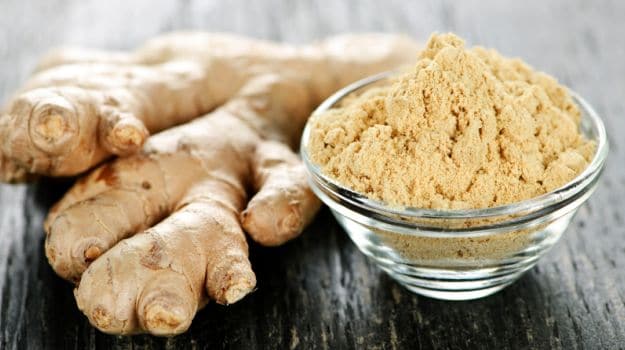
Let’s talk about ginger—this spicy root isn’t just for cooking or clearing sinuses. When it comes to calming a persistent cough, ginger tea is your best friend. It has been used in traditional medicine for centuries, and for good reason.
Why it works: Ginger contains compounds called gingerols and shogaols that are known to relax airway muscles, reduce inflammation, and even suppress the cough reflex. It’s especially effective for dry or asthmatic coughs caused by irritation and inflammation in the airways.
Here’s how to make the perfect ginger tea:
- Peel and slice about one inch of fresh ginger root.
- Add it to 2 cups of water in a small saucepan.
- Bring to a boil, then reduce the heat and let it simmer for 10–15 minutes.
- Strain the tea into a cup.
- Add a spoonful of honey or a squeeze of lemon for extra throat-soothing power.
You can drink this tea 2–3 times a day, especially in the morning and before bed. The warmth of the tea helps loosen mucus, while the ginger reduces the irritation causing the cough.
Who should avoid ginger?
While it’s safe for most people, those on blood thinners or with gallstones should speak to a healthcare provider before consuming large amounts of ginger. Also, if you’re pregnant or breastfeeding, moderate your intake.
Ginger tea isn’t just medicine—it’s a hug in a mug. Sip it slowly, let the steam soothe your sinuses, and feel your chest lighten with every cup.
Steam Inhalation – Breathe Easy Again
Ever notice how much better you breathe after a hot shower when you’re sick? That’s steam at work. Steam inhalation is a fantastic home remedy, especially for wet, mucus-filled coughs. It helps loosen phlegm, soothe irritated airways, and reduce nasal congestion—all things that help quiet that cough.
Why steam works: The warm, moist air hydrates dry respiratory tissues, loosens mucus, and calms coughing fits triggered by dryness or congestion.
Here’s how to do it safely and effectively:
- Boil water in a pot and pour it into a large bowl.
- Add a few drops of eucalyptus oil or peppermint oil (optional but powerful for opening airways).
- Place a towel over your head and lean over the bowl—keep your face about 12 inches away from the water.
- Close your eyes and inhale deeply for 10–15 minutes.
- Blow your nose afterward to clear out loosened mucus.
Pro tips:
- Always supervise children during steam inhalation.
- Don’t lean too close to avoid burns.
- Use this remedy 1–2 times daily, especially before bed.
Steam inhalation isn’t just effective—it’s also deeply relaxing. It’s like a spa treatment that clears your lungs instead of your pores.
Saltwater Gargle – A Simple Yet Effective Fix
This might be the oldest trick in the book, but it works wonders. Gargling with salt water is a tried-and-true remedy for sore throats, dry coughs, and even post-nasal drip that triggers coughing.
Why it works: Saltwater helps to reduce swelling, loosen mucus, and flush out irritants and bacteria from the throat. It can provide almost instant relief for that itchy, scratchy feeling.
Here’s the step-by-step method:
- Dissolve 1/2 teaspoon of salt in a glass of warm water.
- Take a mouthful, tilt your head back, and gargle for 15–30 seconds.
- Spit it out and repeat until the glass is empty.
- Don’t swallow the solution!
How often?
You can do this 2–3 times a day as needed. It’s especially helpful first thing in the morning and right before bed.
Important reminders:
- Make sure the water isn’t too hot.
- Don’t overdo the salt—too much can dry out your throat further.
- Not suitable for very young children who might accidentally swallow it.
It’s a simple, zero-cost remedy that provides real results. Think of it like a detox rinse for your throat—it clears out the junk and gives your vocal cords some much-needed relief.
Turmeric Milk – Golden Goodness for Cough Relief
Golden milk, also known as turmeric milk, is more than a trendy health drink—it’s a traditional Indian remedy for coughs, colds, and sore throats that’s both healing and comforting.
Why turmeric works: The active compound in turmeric, curcumin, has powerful anti-inflammatory, antiviral, and antibacterial properties. When paired with warm milk, it becomes a soothing, immune-boosting drink perfect for bedtime.
How to prepare turmeric milk:
- Heat 1 cup of milk (dairy or plant-based).
- Add 1/2 teaspoon of turmeric powder.
- Optional: a pinch of black pepper (helps absorb curcumin).
- Add 1 teaspoon of honey for sweetness and added throat relief.
- Stir well and drink warm.
When to take it:
Turmeric milk is best taken at night before sleep, especially when coughing tends to get worse. It soothes the throat and promotes restful sleep.
Who should avoid it?
People with lactose intolerance can use almond or oat milk instead. If you’re on medications like blood thinners, consult your doctor before using turmeric in high doses.
Turmeric milk is like a cozy blanket for your throat—warming, nourishing, and deeply restorative. It doesn’t just help you stop coughing; it helps you sleep through the night.
Licorice Root Tea – A Lesser-Known Powerhouse
Licorice root doesn’t get as much attention as honey or ginger, but it should. This sweet-tasting herb has been used for centuries in traditional medicine to soothe sore throats, calm coughs, and fight inflammation.
Why it works: Licorice root contains glycyrrhizin, a compound with anti-inflammatory, antioxidant, and antimicrobial properties. It helps coat and calm the throat, making it ideal for dry, hacking coughs.
How to make licorice root tea:
- Use 1 teaspoon of dried licorice root per cup of water.
- Bring to a boil and then simmer for 10–15 minutes.
- Strain and let it cool slightly before drinking.
- You can sweeten it with honey or mix it with ginger for added benefits.
Dosage: 1–2 cups per day are generally safe for most adults.
Caution: People with high blood pressure, heart issues, or those who are pregnant should avoid or limit licorice root, as it can affect potassium levels and blood pressure when consumed in large amounts.
Licorice tea is like the underdog remedy you didn’t know you needed. It’s soothing, effective, and adds a sweet twist to your cough-fighting arsenal.
Thyme Tea – Traditional European Remedy
Thyme isn’t just something you sprinkle over roasted potatoes—it’s a powerful herb that’s been used in European folk medicine for centuries, especially for respiratory issues. When you’re dealing with a persistent cough, thyme tea can be a total game-changer.
Why it works: Thyme is packed with flavonoids that help relax throat muscles involved in coughing and lessen inflammation. It also acts as an expectorant, meaning it helps loosen mucus and clears it from the lungs. This makes it effective for both dry and wet coughs.
Here’s how to make the perfect thyme tea:
- Boil 1 cup of water.
- Add 1–2 teaspoons of dried thyme (or a small bunch of fresh thyme).
- Cover and let it steep for 10–15 minutes.
- Strain and pour into a mug.
- Add honey and lemon if desired.
How often to drink it: You can safely enjoy thyme tea 2–3 times per day, especially during cold or flu season. It’s best taken after meals or before bed for a calming effect.
Bonus tips:
- Combine with ginger or licorice for extra power.
- Store dried thyme in a sealed jar to preserve its potency.
Thyme tea might not be as mainstream as ginger or honey, but don’t let that fool you—it works. It’s like a gentle detox for your lungs, helping you breathe easier and cough less with each cup.
Essential Oils – Aromatherapy for Cough Relief
Essential oils are more than just nice smells—they’re concentrated plant extracts that can actually support your respiratory system when used correctly. When it comes to cough relief, some essential oils can make a real difference.
Top essential oils for coughs:
- Eucalyptus oil: Clears congestion, reduces inflammation
- Peppermint oil: Opens airways, eases breathing
- Tea tree oil: Antimicrobial and soothing
- Lavender oil: Calms the nervous system, great for nighttime coughs
How to use essential oils safely:
- Steam inhalation: Add 2–3 drops to hot water, cover your head with a towel, and breathe deeply.
- Diffuser: Use 5–8 drops in a diffuser to spread the aroma throughout your room.
- Chest rub: Mix a few drops with a carrier oil (like coconut or almond oil) and gently rub on your chest and throat.
- Bath soak: Add a few drops to warm bath water to ease muscle tension and open airways.
Important safety tips:
- Never apply essential oils directly to the skin—always dilute.
- Do not ingest essential oils unless directed by a qualified professional.
- Keep essential oils away from children and pets unless you’re using oils that are proven safe for them.
Using essential oils is like inviting nature into your lungs. With every inhale, you’re giving your body natural tools to calm the cough and clear the air.
Hydration and Diet – Supporting Your Body Naturally
Sometimes, it’s not about what you add—it’s about what you support. When your body is battling a cough, keeping it hydrated and nourished is half the battle. You can drink all the tea in the world, but if you’re dehydrated or eating inflammation-triggering foods, recovery slows down.
Why hydration matters: Coughs, especially productive ones, are often worsened by thick mucus. Drinking enough fluids helps thin mucus, making it easier to expel and reducing the frequency of coughing. Plus, hydration keeps your throat moist, preventing that scratchy, dry cough feeling.
Best drinks for cough relief:
- Warm water with lemon
- Herbal teas (ginger, thyme, peppermint)
- Bone broth or clear soups
- Coconut water (hydrating and soothing)
What to eat (and avoid) during a cough:
Eat more:
- Fruits rich in Vitamin C (oranges, kiwi, strawberries)
- Leafy greens and cruciferous vegetables
- Soups and stews with garlic, onion, and turmeric
- Smoothies with ginger, honey, and bananas
Avoid:
- Dairy (may increase mucus in some people)
- Processed foods
- Sugary snacks and sodas
- Fried or spicy foods (can irritate the throat)
Sample cough-friendly meal plan:
| Time | Meal |
|---|---|
| Morning | Warm lemon water + oatmeal with honey |
| Midday | Vegetable soup with garlic and ginger |
| Afternoon | Herbal tea + banana |
| Dinner | Grilled veggies + rice + turmeric broth |
| Before bed | Turmeric milk or chamomile tea |
You are what you eat—and when you’re sick, what you eat can either speed up or slow down your recovery. Think of hydration and diet as your body’s backstage crew, keeping everything running smoothly while the remedies work their magic.
Lifestyle Tips to Speed Up Recovery
A lot of people focus on what to take for a cough, but they forget about what to do. Your daily habits can either help your body heal or keep you stuck in cough mode for days—or even weeks.
Here’s what to focus on:
1. Rest, rest, rest
This is not the time to push through. When you’re coughing, your body is already under stress. Sleep and downtime give your immune system the energy it needs to fight off infection and inflammation.
2. Use a humidifier
Dry indoor air—especially in the winter—can seriously worsen a cough. A humidifier adds moisture back into the air, keeping your throat and nasal passages hydrated.
- Clean your humidifier daily to prevent mold.
- Add a drop of eucalyptus or tea tree oil to the water (if safe with your device).
3. Avoid irritants
This includes cigarette smoke, strong cleaning products, pollution, perfumes, and even scented candles. If you’re coughing, your lungs are already irritated—don’t make them work harder.
4. Sleep elevated
Use extra pillows or a wedge to prop up your upper body while sleeping. This reduces post-nasal drip and acid reflux, two common nighttime cough triggers.
5. Stay active—but don’t overdo it
Light movement like stretching, walking, or gentle yoga helps your lymphatic system and clears congestion. Just don’t break a sweat—you’re recovering, not training.
Supporting your recovery doesn’t require a major lifestyle overhaul. Small, mindful choices make a big impact. Think of it like giving your body the clean, calm environment it needs to repair itself from the inside out.
When to Combine Home Remedies with Medical Care
While home remedies can work wonders, they’re not a cure-all. There are times when natural treatments should be paired with, or even replaced by, professional medical care. Ignoring the warning signs and relying solely on DIY treatments could delay important diagnoses or interventions.
Here’s when you need to consider medical attention:
- Your cough lasts more than 3 weeks.
- This could indicate chronic bronchitis, asthma, GERD, or something more serious.
- You’re coughing up blood.
- Even small traces should be evaluated immediately.
- You have high fever, chills, or night sweats.
- These could point to pneumonia, tuberculosis, or a serious infection.
- Your cough is accompanied by shortness of breath or chest pain.
- Never ignore these symptoms—they could signal heart or lung problems.
- You have underlying conditions like asthma, COPD, or a weakened immune system.
- Home remedies can help, but you need personalized medical care too.
Combining wisely:
- Home remedies + prescription medications: If you’ve been prescribed antibiotics or an inhaler, you can still support your recovery with honey, ginger tea, and rest.
- Track symptoms in a journal: Write down when you cough the most, how often, and any triggers. This info helps your doctor make a better diagnosis.
- Ask about safe remedies: Always check with your healthcare provider if you’re on medications—some herbs and ingredients can interfere with drugs.
Think of home remedies as the “front-line troops.” They’re perfect for light battles like the common cold or a mild seasonal allergy. But when symptoms escalate or stick around too long, it’s time to call in the specialists. You’re not admitting defeat—just being smart about your health.
FAQs about Home Remedies for Cough
1. Can home remedies cure a chronic cough?
Not always. While they can help relieve symptoms, a chronic cough (lasting more than 8 weeks) usually signals an underlying issue like asthma, GERD, or a chronic infection. It’s best to consult a healthcare provider for a proper diagnosis.
2. How long should I try home remedies before seeing a doctor?
If your cough hasn’t improved after 7–10 days of consistent home treatment, or if it’s getting worse, it’s time to check in with a doctor. Never wait too long if you’re experiencing other symptoms like shortness of breath, chest pain, or high fever.
3. Is honey safe for kids with a cough?
Honey is not safe for children under 1 year old due to the risk of infant botulism. For kids older than one, honey can be a great natural cough suppressant. Always start with small amounts and watch for allergies.
4. Are essential oils safe to inhale every day?
Used properly, yes—but moderation is key. Stick to a few drops in a diffuser or steam bowl. Avoid direct skin contact or ingesting essential oils unless advised by a qualified expert. Children, pregnant women, and pets may have different tolerances, so use caution.
5. What’s the best home remedy for nighttime coughing?
A combination of warm honey and turmeric milk before bed, sleeping elevated, and using a humidifier in your room can work wonders. Avoid heavy meals or cold drinks at night, as they can trigger coughing.
Conclusion
From honey and warm water to ginger tea, steam inhalation, and turmeric milk, these simple treatments have been trusted for generations. And for good reason—they work. When used consistently and correctly, they can reduce inflammation, calm irritation, loosen mucus, and help you breathe easier.
But the secret to success isn’t just in one miracle ingredient—it’s in the combination of daily habits, diet choices, rest, and knowing when to seek medical help. Your body is designed to heal. You just need to give it the right tools and environment.
So next time you feel that tickle in your throat or start hacking up a storm, skip the drugstore rush. Open your kitchen cabinet instead. You might be surprised at how powerful natural healing can be.