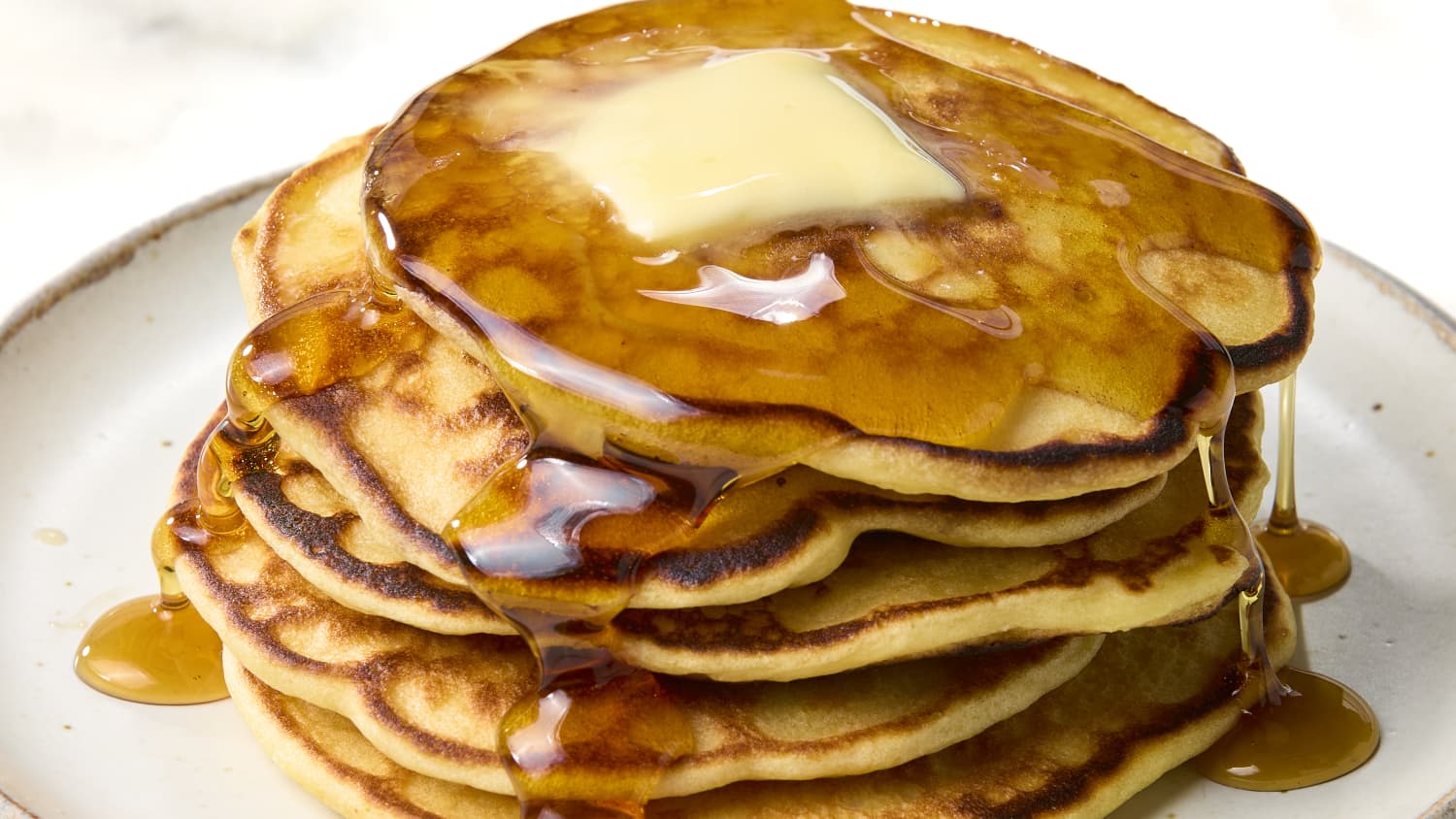
Hoe Cakes Recipe: Hoe cakes are a delightful Southern dish that strikes the perfect balance between comfort food and a taste of tradition. Think of them as a fusion between a pancake and cornbread—crispy around the edges, soft in the center, and packed with that earthy, slightly sweet cornmeal flavor. They’re often served with butter, syrup, or even savory toppings like pulled pork or fried eggs. Whether you’re whipping them up for breakfast, brunch, or a hearty side, hoe cakes bring a rustic charm to your plate that’s hard to beat.
But here’s the kicker: despite their simple ingredients, hoe cakes are a blank canvas. Want to make them spicy? Toss in some chopped jalapeños. Going sweet? A drizzle of honey or some blueberries mixed into the batter works wonders. They’re as adaptable as they are delicious, making them a staple in many Southern kitchens.
And let’s not forget the texture—there’s a unique magic when hot cornmeal batter hits a sizzling skillet. That golden, crispy crust is where the magic happens, adding a satisfying crunch that contrasts beautifully with the fluffy interior. If you’re a fan of cornbread, pancakes, or anything in between, hoe cakes are bound to steal your heart.
The Southern History Behind Hoe Cakes
The origins of hoe cakes are deeply rooted in Southern and African American culinary traditions. The name “hoe cakes” comes from the practice of cooking these cakes on a flat metal hoe over an open flame in the fields—yes, a literal hoe. Enslaved Africans and early settlers in the Southern U.S. utilized what they had, and this included using farming tools as makeshift cooking surfaces. Out of necessity came ingenuity, and hoe cakes were born.
Over time, hoe cakes evolved from a simple cornmeal-and-water mixture to the more flavorful and enriched versions we know today. As kitchens modernized, so did the recipes—adding buttermilk, eggs, baking powder, and other ingredients to give the cakes more body and taste.
This humble dish carries a heavy dose of cultural history, resilience, and resourcefulness. It tells the story of survival and community, passed down from one generation to the next. Today, hoe cakes remain a beloved tradition in the South—not just as food, but as a symbol of cultural pride and heritage.
Ingredients You’ll Need
Basic Pantry Staples
Let’s talk ingredients. The beauty of hoe cakes lies in their simplicity. You don’t need fancy stuff—just a few pantry staples and you’re ready to go. Here’s your basic hoe cake grocery list:
- Cornmeal (yellow or white): 1 cup
- All-purpose flour: ½ cup
- Baking powder: 1 teaspoon
- Salt: ½ teaspoon
- Sugar (optional): 1 tablespoon
- Egg: 1 large
- Buttermilk: ¾ cup (or substitute with milk + vinegar)
- Water: ¼ cup (as needed for consistency)
- Oil or Butter: for frying (vegetable oil, canola, or even bacon grease)
Each of these ingredients plays a role in creating the signature texture of a good hoe cake. Cornmeal brings the grainy flavor, flour softens it just a bit, and buttermilk adds that subtle tang.
You might be surprised how many of these you already have in your kitchen!
Optional Add-Ins for Extra Flavor
Want to kick your hoe cakes up a notch? Add-ins are where you get to have a little fun:
- Chopped green onions or chives
- Shredded cheddar cheese
- Minced jalapeños
- Cooked corn kernels
- Crispy bacon bits
- Fresh herbs (thyme, parsley, rosemary)
Just remember: less is more. You don’t want to overpower the simplicity of the dish, but just enhance it.
Tools You’ll Need in the Kitchen
Even though hoe cakes are low-fuss, having the right tools can make the process smoother:
- Mixing bowls – one for dry, one for wet
- Whisk or fork – for mixing the batter
- Measuring cups and spoons
- Heavy-bottomed skillet – preferably cast iron for those crispy edges
- Spatula – to flip those golden cakes with ease
That’s it! No stand mixers, no ovens—just simple tools for a classic dish.
Preparing to Make Hoe Cakes
Choosing the Right Cornmeal
Let’s get one thing straight: not all cornmeal is created equal. The kind you choose can dramatically affect the outcome of your hoe cakes. For authentic Southern-style hoe cakes, stone-ground cornmeal is the gold standard. It’s got a coarser texture and richer flavor compared to finely ground versions.
Yellow cornmeal gives a slightly sweeter, more robust flavor, while white cornmeal is milder and often preferred in more traditional Southern households. Both work—just make sure you don’t accidentally grab corn flour, which is too fine, or self-rising cornmeal mix, which can throw off your recipe’s balance.
Another pro tip? Store your cornmeal in the fridge if you don’t use it often. It helps prevent it from going rancid and keeps your cakes tasting fresh every time.
Tips Before You Start Cooking
Before you pour that first dollop of batter into the skillet, here are a few prep tips:
- Preheat your skillet: A hot skillet gives you that crispy golden crust.
- Don’t overmix the batter: Stir just until the ingredients are combined. Overmixing can make them tough.
- Let the batter rest: Even 5-10 minutes gives the baking powder time to activate, making your hoe cakes fluffier.
- Test with a small cake first: This helps you judge if your heat is right and lets you tweak the seasoning if needed.
These small steps go a long way in taking your hoe cakes from “meh” to mouthwatering.
Step-by-Step Guide to Making Hoe Cakes
Step 1: Gather All Ingredients
Before you turn on the stove, get everything out and organized. Trust me, you don’t want to be scrambling for eggs while your skillet’s already heating.
Here’s your final ingredient checklist:
- 1 cup cornmeal
- ½ cup all-purpose flour
- 1 tsp baking powder
- ½ tsp salt
- 1 tbsp sugar (optional)
- 1 egg
- ¾ cup buttermilk
- ¼ cup water (adjust as needed)
- Oil or butter for frying
Place all your measured ingredients on the counter, line up your tools, and you’re good to go.
Step 2: Mix Your Batter
Once your ingredients are measured and ready, it’s time to bring the batter to life. Mixing hoe cake batter is simple, but like all great Southern dishes, it benefits from care and attention.
Start with two bowls—one for dry ingredients, one for wet. In your first bowl, whisk together the cornmeal, flour, baking powder, salt, and sugar. Make sure everything is evenly combined; you don’t want any pockets of baking powder or clumps of salt messing with your flavor.
In the second bowl, crack the egg and beat it lightly. Add the buttermilk and water, then whisk everything until it’s well-blended. If you’re using a plant-based milk alternative, just make sure it has a little acidity (add a teaspoon of vinegar or lemon juice if needed) to replicate that buttermilk tang.
Now comes the fun part—combining the wet and dry. Pour the wet mixture into the dry ingredients slowly, stirring gently as you go. The goal is to mix just until you have a slightly thick but pourable batter. If it seems too dry, add a tablespoon of water at a time until the texture is right.
Here’s a tip: Your batter should coat a spoon but still drip off easily. Think pancake batter, but just a touch thicker. Don’t overmix! A few lumps are perfectly fine and even preferred.
At this point, if you’re feeling fancy, fold in any add-ins like corn kernels, diced peppers, or shredded cheese. Just don’t go overboard—you still want that hoe cake flavor to shine.
Let the batter sit for 5-10 minutes while you heat up your skillet. This resting time allows the baking powder to do its job and gives the cornmeal time to hydrate, making for fluffier hoe cakes.
Step 3: Heat the Skillet Properly
This step can make or break your hoe cakes. Heat matters. A lot.
Grab your trusty cast-iron skillet (or a heavy non-stick one if that’s what you’ve got) and place it on medium heat. Let it warm up slowly for a few minutes. A hot skillet ensures that the hoe cakes get those crispy, golden edges we all crave.
You’ll want to add about 1-2 tablespoons of oil or butter to the pan—enough to coat the bottom. Let it melt and shimmer slightly. Bacon grease is a traditional Southern favorite and adds a smoky depth of flavor. Butter adds richness, while oil gives you clean, even browning.
To test if the skillet is ready, flick a few drops of water into the pan. If they sizzle and evaporate immediately, you’re good to go. If not, give it another minute.
Don’t crank up the heat too high, though. Too hot, and the outside will burn before the inside cooks through. You want a steady, even heat—something between medium and medium-high usually does the trick.
Here’s a small trick: After every few hoe cakes, wipe out the pan with a paper towel and add fresh oil. This prevents old oil from burning and keeps your cakes golden, not bitter.
When your pan’s ready, grab a ladle or large spoon and move to the next step: pouring in your batter.
Step 4: Cook the Hoe Cakes to Golden Perfection
Now we’re at the heart of it—cooking those hoe cakes to crispy, golden perfection. You’ve got your hot skillet, your rested batter, and a spatula at the ready. Let’s do this.
Using a ladle or ¼-cup measuring cup, gently pour the batter onto the skillet. Each cake should be about 4 inches in diameter—small enough to flip easily but big enough to get those lovely crispy edges. Don’t overcrowd the pan; give each cake space to breathe and brown properly.
Cook for about 2 to 3 minutes on the first side. You’ll know they’re ready to flip when:
- The edges look dry and crisp
- Bubbles form on the surface
- The bottom is deep golden brown (lift slightly with a spatula to check)
Flip carefully and cook for another 2 minutes on the second side. The goal is a crispy exterior and a tender, moist interior.
Pro tip: If your hoe cakes are browning too quickly, reduce the heat. If they’re taking too long and not crisping up, raise it just a bit. You’ll find your sweet spot after the first couple.
Once done, transfer them to a plate lined with paper towels to drain excess oil. You can also keep them warm in a 200°F (93°C) oven if you’re making a large batch.
Repeat until you’ve used up all your batter, adding fresh oil to the pan as needed.
Step 5: Serve and Enjoy
Here comes the best part—eating!
Hoe cakes are best served hot and fresh, ideally right off the skillet. That crispy outer layer and soft, warm inside are unbeatable when they’re still sizzling.
Want to keep it classic? Top them with a generous pat of butter and a drizzle of maple syrup. Feeling savory? Layer them with creamy scrambled eggs, fried green tomatoes, or even pulled pork and slaw for a Southern-inspired brunch.
You can also stack them like pancakes, slather on some honey butter, or drizzle with hot sauce for a spicy-sweet combo. However you serve them, hoe cakes are all about comfort and flavor.
Pair them with coffee for breakfast or sweet tea for lunch. Whether you’re feeding a crowd or enjoying a quiet weekend brunch, these golden cakes will be a hit.
Best Ways to Serve Hoe Cakes
Classic Butter and Syrup
Sometimes the simplest pairings are the best, and nothing beats the timeless combination of butter and syrup on a hot hoe cake. As soon as they come off the skillet, top each one with a pat of butter so it melts into every crispy crevice. Then, pour on a generous drizzle of maple syrup—or if you’re keeping it Southern, try cane syrup or sorghum syrup.
This combo hits all the right notes: sweet, salty, warm, and crispy. It’s comfort food that doesn’t try too hard—and doesn’t need to. You can also try honey or fruit preserves if you want to change up the sweetness.
Kids love them, guests appreciate them, and they’re perfect for a lazy Sunday breakfast. Add a side of crispy bacon or sausage, and you’ve got a meal that rivals any diner breakfast.
If you want a morning meal that’s hearty yet satisfying without being too heavy, this is your go-to.
Savory Toppings and Sides
Hoe cakes don’t have to stay on the sweet side of things. They’re incredibly versatile and make an amazing base for savory toppings. Think of them like a Southern version of flatbread—ready to hold all kinds of delicious flavors.
Here are some ideas:
- Pulled pork and coleslaw – a Southern BBQ twist
- Fried eggs and avocado – for a breakfast-with-a-kick combo
- Sautéed mushrooms and garlic – earthy and rich
- Creamed spinach or collard greens – for a deeply Southern vibe
- Shrimp and grits topping – swap grits for hoe cakes and wow your taste buds
These combinations work great for brunch, lunch, or even dinner. You can also serve hoe cakes as a side dish alongside fried chicken, grilled fish, or roasted vegetables.
Because hoe cakes are mildly flavored, they don’t compete—they complement. They soak up sauces, add texture, and elevate any plate they’re on.
Creative Pairing Ideas
Ready to go a little off-script? Let’s get creative.
Hoe cakes can double as appetizers, open-faced sandwiches, or even mini desserts. Here are a few ideas for out-of-the-box hoe cake experiences:
- Mini Hoe Cake Sliders: Top small hoe cakes with pulled beef or BBQ chicken, coleslaw, and a pickle slice.
- Southern Pizza Bites: Use hoe cakes as the base, spread on some tomato jam, cheese, and bacon.
- Dessert Cakes: Spread cream cheese and top with berries and a dusting of powdered sugar.
Hosting a party? Make them small and serve them as finger food with a variety of toppings for guests to try. They’re quick to make and even faster to disappear.
Once you start experimenting, the possibilities are endless. Hoe cakes are like the Southern cousin of naan, pita, or blini—simple, adaptable, and perfect for flavor mashups.
Tips and Tricks for Perfect Hoe Cakes
Getting the Perfect Texture
Texture is everything when it comes to hoe cakes. You want that crispy outer crust paired with a soft, tender inside—not soggy, not too dry. Getting it right doesn’t take magic, just a few solid tips.
- Use a hot skillet: A hot cooking surface sears the batter quickly and creates that golden, crispy bottom.
- Don’t skimp on fat: A well-oiled skillet helps prevent sticking and promotes even browning. Whether it’s oil, butter, or bacon grease, make sure there’s enough to coat the pan.
- Balance the batter: Too thick, and your cakes will be heavy. Too thin, and they’ll spread too much and won’t hold up. Aim for a texture slightly thicker than pancake batter.
- Rest your batter: Even 5–10 minutes lets the cornmeal absorb the liquid, improving the texture.
- Don’t overcrowd the skillet: Cooking too many at once can lower the pan’s temperature and mess with the texture. Give them room!
Follow these simple tricks and your hoe cakes will be the kind that everyone talks about—and asks for again.
Avoiding Common Mistakes
Even a simple recipe like hoe cakes can go sideways if you’re not careful. Here are the top mistakes to avoid:
- Using the wrong cornmeal: Cornmeal is key. Don’t substitute with cornstarch or corn flour. Stone-ground cornmeal gives the best flavor and texture.
- Overmixing the batter: Just like pancakes, overmixing can make hoe cakes tough and dense.
- Skipping the rest time: It may seem unnecessary, but letting the batter rest makes a big difference in the final texture.
- Flipping too soon: If the cake isn’t ready to flip, it’ll fall apart. Wait until you see bubbles and the edges are crisping.
- Cooking on low heat: Too low and they’ll absorb oil and get soggy. You want medium heat for that golden finish.
Keep these in mind and you’ll be well on your way to mastering the art of the hoe cake.
Storing and Reheating Hoe Cakes
Storing Leftovers Safely
Hoe cakes are best enjoyed fresh off the skillet, but leftovers aren’t a lost cause. In fact, they reheat pretty well—if you store them right.
Let your leftover hoe cakes cool completely, then stack them with parchment paper in between each cake to prevent sticking. Place them in an airtight container or resealable zip-top bag and store them in the fridge. They’ll last about 3–4 days.
For longer storage, you can freeze them. Again, use parchment paper between each one, then place them in a freezer-safe bag. They’ll keep for up to 2 months. When you’re ready to eat, don’t thaw—reheat straight from frozen.
Reheating Without Drying Them Out
Reheating hoe cakes can be tricky—you want them warm and crispy, not dry or rubbery. Here are the best methods:
- Skillet (Best Method): Add a little oil or butter to a pan over medium heat. Warm the hoe cakes for 1–2 minutes per side until heated through and crispy.
- Oven: Wrap in foil and heat at 350°F (175°C) for 10–12 minutes. Unwrap the last few minutes to re-crisp.
- Toaster Oven: Perfect for small batches. Just pop them in for 5–6 minutes.
- Microwave (Last Resort): Use a damp paper towel over the hoe cake to keep it moist. Microwave for 20–30 seconds, but be warned—it won’t be as crispy.
Reheated hoe cakes are great with eggs for breakfast, or used as a quick side for soups and stews.
FAQs about Hoe Cakes Recipe
1. Can I make hoe cakes without buttermilk?
Absolutely. If you don’t have buttermilk, you can easily make a substitute. Just add 1 tablespoon of vinegar or lemon juice to a cup of regular milk and let it sit for about 5–10 minutes. This will mimic the tangy acidity of buttermilk and work perfectly in your hoe cake batter.
2. What’s the difference between hoe cakes and pancakes?
While they look similar, hoe cakes and pancakes are quite different. Hoe cakes use cornmeal as the base, giving them a grainy texture and earthy flavor, whereas pancakes are typically made with flour for a softer, fluffier finish. Hoe cakes are crispier and heartier—more rustic and deeply Southern in style.
3. Can I freeze hoe cakes?
Yes! Hoe cakes freeze wonderfully. Just let them cool completely, then stack with parchment paper between each one. Store in a freezer-safe bag or container for up to 2 months. When you’re ready to eat, reheat them directly from frozen using a skillet or oven to preserve their texture.
4. Are hoe cakes gluten-free?
Traditional hoe cakes made with a mix of cornmeal and flour are not gluten-free. However, you can make a gluten-free version by using all cornmeal or substituting the flour with a gluten-free blend. Just make sure your cornmeal is labeled gluten-free, as some may be cross-contaminated during processing.
5. What can I use instead of cornmeal?
If you don’t have cornmeal, it’s tough to make true hoe cakes—but you can experiment. Try using polenta or grits for a similar texture, though you may need to adjust the liquid amounts. Corn flour is much finer and not ideal, but in a pinch, it can work with some modifications. Nothing quite beats the taste of real cornmeal though!
Conclusion
What makes them even more special is how forgiving and flexible they are. You don’t need expensive ingredients or high-end equipment. Just a few pantry staples, a little time, and a skillet—and you’re on your way to something truly delicious.
So the next time you’re in the mood for something hearty, rustic, and satisfying, give hoe cakes a try. You’ll not only be feeding your belly but honoring a long-standing tradition of resourcefulness, community, and flavor. From farm fields to breakfast tables, these humble cakes have come a long way—and they’re just as tasty as ever.