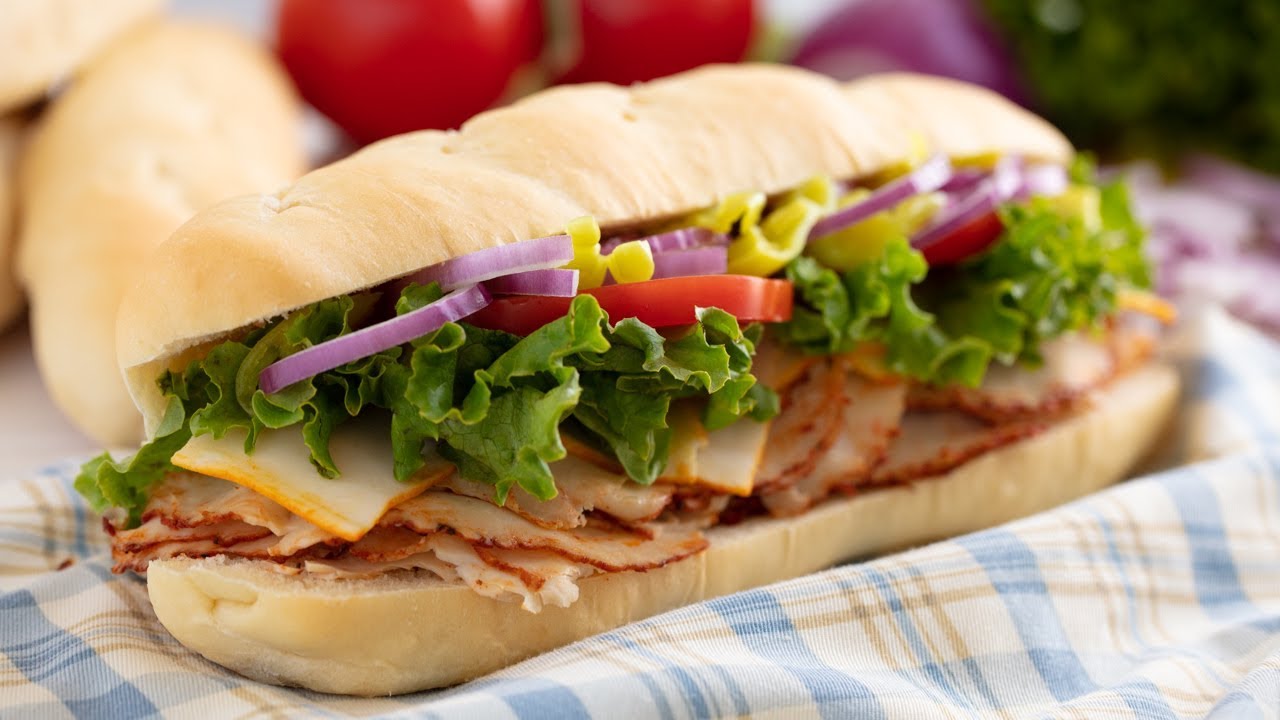
Hoagie Roll Recipe: There’s something irresistibly comforting about freshly baked bread, and hoagie rolls are no exception. Soft, chewy, and slightly crisp on the outside, these sandwich-ready rolls are the heroes behind your favorite subs, cheesesteaks, and hoagies. But here’s the deal—store-bought hoagie rolls just can’t compare to the warm, homemade ones fresh out of the oven.
Making hoagie rolls at home might sound intimidating, but trust me, it’s simpler than you think. With just a few pantry staples and a little patience, you can whip up bakery-quality rolls that taste 10 times better than anything in a plastic bag.
Whether you’re planning a sandwich night or prepping for a family BBQ, this step-by-step guide will walk you through the process like a pro.
List of Ingredients You’ll Need
Here’s what you’ll need to gather before you get started. These basic ingredients create the perfect dough that’s soft and fluffy on the inside with a golden-brown crust on the outside.
Core Ingredients
- All-Purpose Flour – 4 cups (sifted)
- Warm Water – 1 ½ cups (about 110°F / 43°C)
- Active Dry Yeast – 1 packet (2 ¼ teaspoons)
- Granulated Sugar – 2 tablespoons
- Salt – 1 ½ teaspoons
- Unsalted Butter or Olive Oil – 2 tablespoons
- Milk – ¼ cup (for brushing)
- Egg (optional) – 1 (for egg wash)
Optional Add-ins
- Garlic powder or Italian seasoning – For a flavor twist
- Grated cheese – To sprinkle on top before baking
- Sesame or poppy seeds – For added texture and flavor
These ingredients are versatile. You can adjust the quantity based on how many rolls you want to make or to suit your dietary needs (like using whole wheat flour instead of white).
Kitchen Tools and Equipment
You don’t need a commercial bakery setup—just a few basic tools will do the trick. Here’s what helps:
Basic Tools
- Large mixing bowl
- Measuring cups and spoons
- Whisk or fork
- Wooden spoon or spatula
- Clean kitchen towel or plastic wrap
- Baking sheet
- Parchment paper
Optional Tools
- Stand mixer with dough hook
- Dough scraper
- Kitchen scale (for precision)
- Pastry brush (for egg or milk wash)
- Spray bottle (for steam in oven)
Having these tools nearby will make your baking smoother and less stressful. A stand mixer isn’t necessary, but it saves you a lot of arm work if you’re doubling the batch.
Tips Before You Start Baking
Before you roll up your sleeves, here are a few essential tips to set you up for success:
Use Fresh Ingredients
Especially the yeast. If your yeast is expired or stored improperly, your rolls won’t rise, and you’ll end up with dense bread. Always proof your yeast in warm water with a pinch of sugar to make sure it’s active.
Measure Accurately
Baking is a science. Too much flour, and your rolls will be dry. Too little, and they’ll be flat. Use measuring cups or better yet, a kitchen scale for accuracy.
Plan Your Time
The whole process, including rising and baking, takes about 3–4 hours. Start when you have a free afternoon. Good bread is never rushed.
Ready? Let’s bake.
Step-by-Step Guide to Making Hoagie Rolls
This is where the magic happens. Follow these steps carefully and you’ll be rewarded with warm, fluffy hoagie rolls that make you feel like a baking genius.
1. Mixing the Dough
Start by activating your yeast. In a large mixing bowl, pour the warm water and dissolve the sugar in it. Sprinkle the yeast on top and let it sit for 5–10 minutes until it becomes frothy. This means your yeast is alive and ready to work.
Once activated, add the flour, salt, and melted butter (or olive oil). Stir with a wooden spoon until the dough begins to form. Then knead it by hand on a floured surface for 8–10 minutes until smooth and elastic. If using a stand mixer, use the dough hook and knead for 6–7 minutes on medium speed.
2. First Rise: Letting the Dough Proof
Place the dough in a greased bowl, cover it with a towel or plastic wrap, and let it rise in a warm spot for 1–2 hours, or until doubled in size. If your kitchen is cold, you can place it in the oven with the light on (not the heat) to create a warm environment.
3. Shaping the Rolls
Punch the dough down and divide it into 6–8 equal pieces. Shape each piece into a long oval (about 6–8 inches long), tucking the edges underneath for a smooth finish. Place the shaped rolls on a parchment-lined baking sheet.
4. Second Rise
Cover the rolls with a towel and let them rise again for 45 minutes to 1 hour. They should puff up noticeably—don’t skip this part. This second rise gives the rolls their soft, airy texture.
5. Prepping for the Oven
Preheat your oven to 375°F (190°C). Just before baking, brush the tops of the rolls with milk or an egg wash (1 beaten egg mixed with 1 tablespoon water) for a shiny golden crust. You can also sprinkle seeds or herbs if desired.
6. Baking the Rolls
Place the rolls in the oven and bake for 20–25 minutes, or until golden brown. For an extra crisp crust, spritz the oven with water (using a spray bottle) just after placing the tray inside to create steam.
7. Cooling and Storing
Remove the rolls from the oven and let them cool on a wire rack. Don’t slice them while hot—they’ll turn gummy inside. Let them cool completely before storing in an airtight container or zip-top bag.
Common Mistakes and How to Avoid Them
Even experienced bakers occasionally mess up a batch of rolls. If you’re new to baking bread, it’s totally normal to hit a few bumps in the road. Here’s how to dodge the most common mistakes when making hoagie rolls:
Under-Kneading or Over-Kneading the Dough
Kneading activates gluten, the protein that gives bread its structure and chewiness. If you don’t knead enough, your dough won’t develop enough structure and the rolls will fall flat or be too crumbly. But go too far, and the dough gets tough and elastic, making the rolls dense.
Tip: Aim for 8–10 minutes of kneading by hand or 6–7 minutes with a stand mixer. The dough should be smooth, elastic, and slightly tacky but not sticky.
Skipping the Second Rise
It’s tempting to rush through the process, but the second rise is what makes your rolls soft and airy. Skipping this step will give you dense bread with a tight crumb.
Tip: Be patient. Let your shaped rolls puff up before they go in the oven. You’ll thank yourself when you bite into that cloud-like interior.
Over-Baking or Under-Baking
The difference between perfect and dry hoagie rolls often comes down to a few minutes in the oven. Underbaked rolls will be doughy inside, while overbaked ones turn hard and dry fast.
Tip: Start checking at the 20-minute mark. The rolls should be golden brown and sound hollow when tapped on the bottom. An instant-read thermometer inserted in the center should read around 190°F (88°C).
How to Get That Perfect Crust
A hoagie roll isn’t just about the inside—it needs that soft-but-sturdy crust that can handle a pile of fillings without falling apart. Here’s how to level up your crust game:
Steam and Bake Technique
Bakeries often use steam ovens to get that perfect crust, but you can fake it at home. Adding steam in the first 10 minutes of baking keeps the crust from setting too early, allowing for a better rise and thinner, shinier exterior.
How to do it: Right before you put the rolls in the oven, mist the inside with water using a spray bottle, or place a shallow pan of water on the bottom rack. Close the oven quickly to trap the steam.
Egg Wash vs Butter Brush
- Egg wash (1 egg beaten with a tablespoon of water) gives your rolls a shiny, golden finish and helps toppings like seeds stick.
- Butter brush (brushing melted butter on after baking) gives them a soft, rich crust with a little shine and flavor.
Pro tip: For sandwich rolls, a milk wash before baking plus a butter brush after baking gives you the best of both worlds: soft, golden, and flavorful.
Make-Ahead and Freezing Tips
Let’s be real—not everyone has hours to bake fresh bread every time they want a sandwich. The good news? You can totally make these ahead or freeze them for later.
Refrigerating the Dough
If you’re short on time, you can slow down the process by letting your dough rise in the fridge overnight after the first knead. This slow fermentation actually boosts the flavor too.
Steps:
- After kneading, place the dough in a lightly oiled bowl.
- Cover tightly with plastic wrap and refrigerate overnight.
- Let it come to room temperature before shaping and doing the second rise.
Freezing Baked Rolls
Baked too many? No worries. Hoagie rolls freeze beautifully.
Steps:
- Let the rolls cool completely.
- Wrap them individually in plastic wrap or foil.
- Store in a freezer-safe bag or container for up to 3 months.
To reheat: Wrap in foil and warm in a 300°F oven for 10–12 minutes. They’ll taste freshly baked!
Variations of Hoagie Rolls
Once you’ve mastered the classic recipe, don’t be afraid to experiment. Here are a few tasty variations to try out:
Whole Wheat Hoagie Rolls
Swap out half or all of the all-purpose flour for whole wheat flour. You may need a bit more water, as whole wheat absorbs more liquid. These are great for a healthier, nuttier option.
Herb-Infused Rolls
Add 1–2 teaspoons of dried herbs like rosemary, oregano, or thyme to your dough for a flavor boost. Garlic powder or onion powder also adds savory depth.
Cheesy Crust Rolls
Top your rolls with shredded mozzarella, cheddar, or parmesan before baking. The cheese will melt into a golden, crunchy layer that adds a satisfying texture and taste.
These flavor twists are perfect for customizing your hoagie rolls to match your sandwich fillings.
Serving Ideas
Now that you’ve got a stack of fresh hoagie rolls, let’s put them to good use. They’re the perfect base for everything from a classic deli sub to creative new takes.
Classic Sandwich Combos
- Italian Hoagie – Ham, salami, capicola, provolone, lettuce, tomato, onions, oil & vinegar
- Philly Cheesesteak – Thin-sliced beef, sautéed onions and peppers, melted provolone or whiz
- Meatball Sub – Homemade meatballs in marinara, topped with mozzarella and baked
Beyond Sandwiches
- Breakfast Rolls – Fill with scrambled eggs, sausage, and cheese
- Mini Pizza Boats – Cut open, add sauce and cheese, and broil until bubbly
- Garlic Bread Subs – Toast with butter, garlic, and parsley, then load with your favorite filling
Your hoagie rolls are versatile. Once you try them fresh, you’ll never go back to store-bought again.
Nutritional Breakdown
While hoagie rolls are definitely a comfort food, it’s helpful to know what you’re eating—especially if you’re watching your diet or meal planning. Below is a general nutritional breakdown for one medium-sized hoagie roll (made from this recipe). Keep in mind, values may vary slightly based on portion size and ingredient brands.
| Nutrient | Amount per Roll |
|---|---|
| Calories | ~220–250 kcal |
| Total Fat | 4–5 g |
| Saturated Fat | 1–2 g |
| Carbohydrates | 40–45 g |
| Dietary Fiber | 2–3 g |
| Sugars | 2–3 g |
| Protein | 6–8 g |
| Sodium | 200–250 mg |
Make It Healthier
If you want to improve the nutrition profile:
- Use whole wheat flour for added fiber.
- Substitute olive oil instead of butter for healthier fats.
- Cut sugar by half or leave it out for a more savory roll.
These swaps don’t just make the roll healthier—they add depth and complexity to the flavor, too.
Troubleshooting FAQs
Let’s address a few common issues people run into when making hoagie rolls from scratch. If something doesn’t go right the first time, don’t sweat it—here’s how to fix it.
1. My Dough Won’t Rise. What Went Wrong?
This is usually due to inactive yeast or a cold environment.
Fixes:
- Check if your yeast is expired.
- Make sure your water wasn’t too hot (kills yeast) or too cold (won’t activate).
- Place the dough somewhere warm (like inside the oven with the light on).
2. Why Are My Rolls Too Dense or Heavy?
Dense rolls usually mean the gluten didn’t develop properly, or there wasn’t enough rising time.
Fixes:
- Knead longer to fully develop the gluten.
- Allow for a full rise—don’t rush it.
- Make sure you used bread flour or all-purpose, not low-protein flour.
3. My Rolls Cracked on Top. What Caused That?
Cracking often happens when the dough dries out during rising or the oven is too hot.
Fixes:
- Keep the dough covered with a damp towel or plastic wrap while it rises.
- Bake at the recommended temperature and avoid overbaking.
4. How Do I Keep the Rolls Soft After Baking?
Rolls can dry out quickly if exposed to air.
Fixes:
- Brush with butter after baking to lock in moisture.
- Store in airtight containers once completely cool.
- Reheat by wrapping in foil and warming in the oven for that fresh-out-of-the-oven feel.
Storing Leftover Rolls
Nobody wants their homemade bread to go to waste, so here’s how to store your rolls to keep them fresh and tasty.
Short-Term Storage
- Keep cooled rolls in an airtight container or zip-top bag.
- Store at room temperature for up to 3–4 days.
Long-Term Storage
- For longer storage, freeze the rolls.
- Wrap each one in plastic wrap, then place in a freezer-safe bag.
- They’ll stay good for up to 3 months.
Reheating Tips
To revive that just-baked softness:
- Wrap in foil and heat in a 300°F oven for 10–12 minutes.
- Or microwave for 15–20 seconds (unwrapped, with a damp paper towel).
Your rolls will be soft, warm, and ready to hug any sandwich fillings you throw in.
How to Scale the Recipe
Need to make a big batch for a party or just want fewer rolls for a small household? Scaling this recipe is super easy.
Doubling the Recipe
- Multiply each ingredient by 2.
- Knead in batches if your bowl or mixer can’t handle it all at once.
- You can bake multiple trays—just rotate halfway through baking.
Halving the Recipe
- Cut all ingredients in half.
- Baking time remains the same.
- Great for testing or when baking for 1–2 people.
Pro Tips for Bulk Prep
- Mix a double or triple batch, then shape and freeze the dough balls before the second rise. When ready to bake, thaw, let rise, and bake fresh.
Making bread in bulk not only saves time but also ensures you’ve always got delicious hoagie rolls ready when hunger strikes.
FAQs about Hoagie Roll Recipe
1. Can I use instant yeast instead of active dry yeast?
Yes! Just skip the proofing step and mix it directly into your flour. You’ll save a few minutes and get the same rise.
2. Can I add sweeteners like honey or maple syrup instead of sugar?
Absolutely. Just use equal amounts and be mindful that it may slightly change the flavor and browning of your rolls.
3. Do I have to use egg wash on top?
Nope! It’s optional. Milk wash gives a softer crust, while an egg wash adds shine and color. Or skip both for a rustic finish.
4. Can I make the dough in advance and refrigerate it?
Yes. After the first rise, you can refrigerate the dough overnight. Let it come to room temp before shaping and baking.
5. What’s the best flour for hoagie rolls?
All-purpose flour works great, but for chewier, more structured rolls, bread flour is ideal because of its higher protein content.
Conclusion
And there you have it—your complete, step-by-step guide to making soft, delicious, homemade hoagie rolls that taste better than anything off the grocery store shelf. Whether you’re making a classic Italian sub or a cheesy meatball sandwich, these rolls are the ultimate foundation.
The beauty of baking your own bread is that you control the ingredients, the size, and the flavor. Once you try it once, you’ll realize how simple (and satisfying) it really is. With just a few pantry staples, a little patience, and this guide, you can elevate your sandwich game like never before.
So go ahead—roll up your sleeves, knead that dough, and enjoy the aroma of fresh bread filling your kitchen. Your sandwiches will never be the same again.