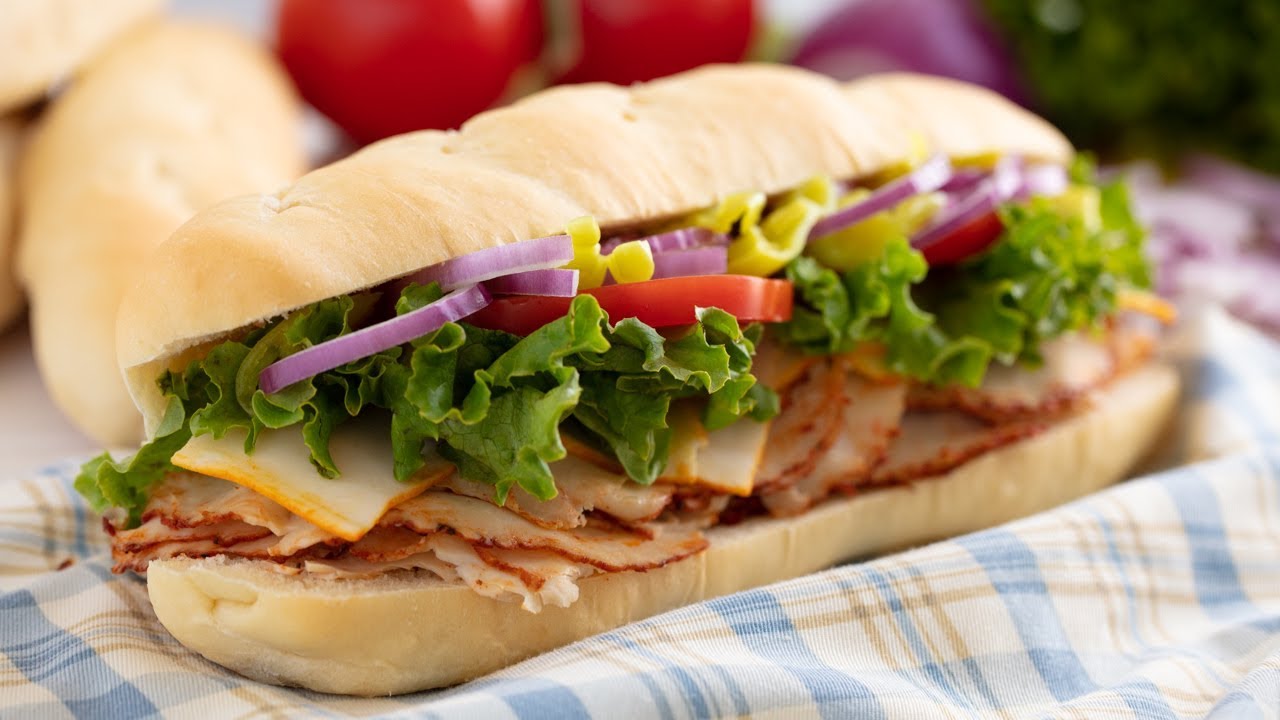
Hoagie Buns Recipe: Soft, chewy, and slightly crusty on the outside, hoagie buns are the foundation of a great sandwich. Whether we are making classic deli subs, meatball sandwiches, cheesesteaks, or grilled vegetable hoagies, the bread matters just as much as the filling. A good hoagie bun should be light yet sturdy, flavorful yet neutral enough to pair with many fillings, and soft enough to bite through without falling apart.
This homemade hoagie buns recipe delivers exactly that. We create buns with a tender interior, a beautiful golden top, and the right structure for holding everything from sliced meats to saucy fillings. Once we learn the process, making bakery-style buns at home becomes simple, reliable, and far more satisfying than buying packaged rolls.
Why This Hoagie Buns Recipe Works
A proper hoagie buns recipe depends on balance. We want enough gluten development for a strong, elastic dough, enough fat to keep the crumb soft, and enough fermentation to build flavor and texture. This recipe uses pantry-friendly ingredients and straightforward steps, making it ideal for both beginner and experienced bakers.
The result is a batch of buns that are:
- Soft and fluffy inside
- Lightly chewy
- Golden and glossy on top
- Perfect for subs, hoagies, and sandwich rolls
- Easy to slice without tearing
These buns are excellent for make-ahead meal prep because they store well and can also be frozen for later use.
Ingredients You’ll Need
To make a classic batch of homemade hoagie buns, we need the following ingredients:
- 4 cups all-purpose flour or bread flour
- 2 1/4 teaspoons active dry yeast or instant yeast
- 1 cup warm water
- 1/2 cup warm milk
- 2 tablespoons granulated sugar
- 1 1/2 teaspoons salt
- 3 tablespoons unsalted butter, softened
- 1 large egg
For finishing:
- 1 egg yolk
- 1 tablespoon milk
- Sesame seeds or poppy seeds optional
Using bread flour gives the buns a slightly chewier texture, while all-purpose flour creates a softer crumb. Either works well, so we can choose based on the texture we prefer.
Essential Tools for Making Hoagie Buns
Before we begin, it helps to have a few basic tools ready:
- Large mixing bowl
- Measuring cups and spoons
- Dough scraper
- Stand mixer with dough hook, optional
- Baking sheet
- Parchment paper
- Clean kitchen towel or plastic wrap
- Pastry brush
These tools make the process smoother, but the recipe can still be made entirely by hand.
How to Make Hoagie Buns Step by Step
Step 1 – Activate the Yeast
In a large mixing bowl, combine the warm water, warm milk, and sugar. Stir gently, then sprinkle the yeast over the top. Let the mixture sit for about 5 to 10 minutes until it becomes foamy.
This step confirms that the yeast is active and ready to raise the dough. If the mixture does not foam, the yeast may be expired or the liquid may have been too hot or too cold.
Step 2 – Add the Wet Ingredients
Once the yeast is ready, add the egg and softened butter to the bowl. Mix until the ingredients are mostly combined. The butter may look slightly uneven at first, which is completely fine.
The butter helps create a softer crumb, while the egg enriches the dough and supports a tender structure.
Step 3 – Add the Flour and Salt
Add the salt and gradually mix in the flour, one cup at a time. Stir until a shaggy dough begins to form. If using a stand mixer, switch to the dough hook once the mixture becomes too thick to stir easily.
We want a dough that feels soft, slightly tacky, and manageable. It should not be dry or stiff. If needed, we can add a tablespoon of flour at a time, but only enough to keep the dough workable.
Step 4 – Knead the Dough
Knead the dough for about 8 to 10 minutes by hand or 6 to 8 minutes in a stand mixer until it becomes smooth, elastic, and slightly springy.
Proper kneading is important for hoagie buns because it develops the gluten structure that gives the bread strength. A well-kneaded dough will stretch gently without tearing and feel supple in the hands.
Step 5 – First Rise
Place the dough in a lightly greased bowl, turning it once so the surface is coated. Cover the bowl with a clean towel or plastic wrap and let the dough rise in a warm place for 1 to 1 1/2 hours, or until doubled in size.
A warm, draft-free area helps the dough rise steadily. When ready, the dough should look puffed and airy.
Step 6 – Divide the Dough
Punch down the dough gently to release excess air. Transfer it to a lightly floured surface and divide it into 6 to 8 equal portions, depending on how large we want the buns.
For standard sandwich-sized rolls, dividing the dough into 8 pieces works well. For larger sub rolls, 6 pieces creates fuller, longer buns.
Using a kitchen scale helps keep the buns evenly sized, which ensures they bake uniformly.
Step 7 – Shape the Hoagie Buns
Take one portion of dough and flatten it slightly into a rectangle. Roll it tightly into a log shape, pinching the seam closed. Taper the ends slightly if we want the traditional hoagie look.
Place each shaped bun seam-side down on a parchment-lined baking sheet, leaving enough space between them for expansion.
Shaping the dough tightly helps the buns hold their form during the second rise and baking.
Step 8 – Second Rise
Cover the shaped buns loosely and let them rise again for 30 to 45 minutes, or until noticeably puffy.
This second rise is what gives the buns their lighter texture. We do not want to skip it. The dough should feel airy and delicate, but not over-proofed.
Step 9 – Brush and Score
Preheat the oven to 375°F (190°C).
In a small bowl, whisk together the egg yolk and milk. Brush this mixture gently over the tops of the buns to create a glossy, golden finish. If desired, sprinkle with sesame seeds or poppy seeds.
For a more classic look, we can score each bun with one shallow slash down the center. This helps control expansion and gives the bread a professional appearance.
Step 10 – Bake Until Golden
Bake the buns for 15 to 20 minutes, or until the tops are deeply golden and the buns sound slightly hollow when tapped.
Remove them from the oven and let them cool on a wire rack. Cooling is important because the crumb continues to set as the buns rest.
Once cooled, slice and fill as desired.
Tips for Soft and Perfect Hoagie Buns
Homemade hoagie buns improve dramatically when we pay attention to a few important details.
Use Warm, Not Hot, Liquid
Yeast works best in warm liquid. If the milk or water is too hot, it can kill the yeast. Aim for liquid that feels comfortably warm to the touch.
Do Not Over-Flour the Dough
A soft dough creates softer buns. Adding too much flour can make the rolls dense and dry. The dough should be a little tacky but still manageable.
Knead Until Smooth
Under-kneaded dough will not develop enough structure. We should keep kneading until the dough feels elastic and smooth.
Allow Full Rising Time
Rushing fermentation leads to heavy buns. Giving the dough enough time to rise creates better flavor and texture.
Cool Before Slicing
Cutting hot bread too soon can compress the crumb. Letting the buns cool improves the final texture.
Best Fillings for Homemade Hoagie Buns
Once we have fresh homemade hoagie buns, the possibilities are endless. These buns work beautifully with:
- Italian cold cuts
- Philly cheesesteak filling
- Meatball parmesan
- Grilled chicken and vegetables
- Tuna salad
- Turkey and cheese
- Pulled chicken or shredded beef
- Egg salad
- Sausage and peppers
Because the buns are sturdy but soft, they can hold both dry and saucy fillings without falling apart too quickly.
How to Store Hoagie Buns
Freshly baked hoagie buns can be stored in an airtight container or bread bag at room temperature for up to 3 days. To keep them soft, make sure they are fully cooled before storing.
For longer storage, freeze them in a sealed freezer-safe bag for up to 2 months. When ready to use, thaw at room temperature and warm briefly in the oven for the best texture.
Avoid refrigerating the buns because refrigeration can dry out bread faster than room temperature storage.
Can We Make Hoagie Bun Dough Ahead of Time?
Yes, this dough works well as a make-ahead recipe. After kneading, we can place the dough in a covered bowl and refrigerate it overnight for the first rise. The next day, let it sit at room temperature for about 30 to 45 minutes, then shape and continue with the second rise.
This method can deepen the flavor and make timing more convenient.
Common Mistakes to Avoid
Even a simple hoagie buns recipe can go wrong if a few details are overlooked. Here are the most common issues:
Dense Buns
This usually happens when the dough has too much flour or has not risen long enough.
Flat Buns
Flat buns often result from over-proofing or shaping too loosely.
Dry Texture
Dry buns can come from overbaking or measuring flour too heavily.
Pale Tops
Without an egg wash, the tops may lack color. Brushing the buns before baking helps create a rich golden finish.
How to Serve Hoagie Buns
These buns are best served fresh the same day, but they are still excellent the next day when lightly warmed. We can toast them for a bit of crispness or leave them soft for cold sandwiches.
For a deli-style experience, slice the buns lengthwise without cutting all the way through, then layer with meats, cheeses, lettuce, tomato, onions, and dressing. For hot sandwiches, warming the filled buns in the oven enhances both flavor and texture.
Why Homemade Hoagie Buns Are Worth Making
Store-bought sandwich rolls can be convenient, but homemade bread gives us more flavor, better texture, and greater freshness. Making hoagie buns from scratch allows us to control the ingredients, adjust the size, and bake them exactly the way we like.
The crumb is softer, the crust is more appealing, and the final sandwich feels far more complete. Once we try this recipe, it becomes easy to keep it in regular rotation for lunches, family dinners, and entertaining.
FAQs about Hoagie Buns Recipe
1. What are hoagie buns?
Hoagie buns are soft, long sandwich rolls made for subs, hoagies, and grinder sandwiches. They have a tender inside and a light outer crust.
2. Are hoagie buns the same as hoagie bread?
They are very similar. However, hoagie buns usually refer to the individual sandwich rolls, while hoagie bread can sometimes refer to the dough or the bread in general.
3. What ingredients are used in hoagie buns?
Most recipes use all-purpose flour, yeast, warm water, sugar, salt, and oil or butter. Some versions also include milk or egg for a softer texture.
4. Why are my hoagie buns not soft?
This can happen if you add too much flour or bake them too long. In addition, not allowing enough rising time can make the buns dense.
5. How long do hoagie buns take to make?
They usually take about 2 to 3 hours from start to finish, including rising and baking time. Most of that time is for the dough to rise properly.
6. Can I freeze homemade hoagie buns?
Yes, hoagie buns freeze very well. Let them cool completely, then wrap them tightly and freeze for up to 2 months.
7. What can I use hoagie buns for?
You can use them for sub sandwiches, cheesesteaks, meatball subs, chicken sandwiches, and deli sandwiches. They are perfect for hearty fillings.
8. How should I store hoagie buns?
Store them in an airtight bag or container at room temperature for 2 to 3 days. For longer storage, freezing is the best option.
Final Thoughts
A reliable hoagie buns recipe transforms ordinary sandwiches into something much more satisfying. With simple ingredients, careful shaping, and proper rising time, we can produce bakery-style buns that are soft, flavorful, and strong enough for generous fillings.
Whether we are making classic deli hoagies, hearty meatball subs, or grilled vegetable sandwiches, these homemade buns provide the ideal base. They are practical, versatile, freezer-friendly, and consistently delicious. When we want better bread for better sandwiches, this is the recipe to make.