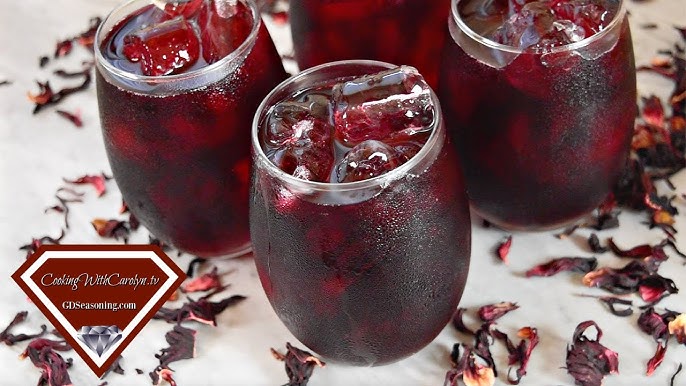
Hibiscus Tea Recipe: Hibiscus tea, often referred to as “sour tea” in some regions, is a vibrant, ruby-red herbal drink made by steeping dried hibiscus petals (scientifically known as Hibiscus sabdariffa) in hot water. It’s naturally caffeine-free and boasts a tart flavor similar to cranberries, with a refreshing zing that can be enjoyed hot or cold.
You’ll find hibiscus tea popular across cultures—whether it’s called Agua de Jamaica in Latin America or Karkade in Egypt and Sudan. What makes it so appealing isn’t just its flavor but also its striking color and versatility. With just a few ingredients, it can be made at home without much fuss, allowing anyone to brew a healthy, flavorful beverage in minutes.
This guide will walk you through every step of the process—right from understanding its roots to creating variations that suit your taste buds. And the best part? You’ll get a tea that’s as beautiful to look at as it is to drink.
History and Cultural Significance
Hibiscus tea’s history stretches across continents and centuries. Ancient Egyptians cherished it for its cooling properties, especially during scorching summers. It was served cold to pharaohs and often used in ceremonial feasts. In African traditions, hibiscus tea was brewed not just as a drink but also for its medicinal properties, believed to reduce body temperature and promote heart health.
In Asia and the Caribbean, hibiscus tea is integral to local cuisine and health practices. In Mexico and Central America, Agua de Jamaica is a go-to beverage during hot days. Meanwhile, in the Middle East, it’s a common refreshment served to guests, symbolizing hospitality.
This humble flower has transcended borders, becoming a beloved staple across homes and cultures worldwide. Understanding this heritage adds depth to every sip you take—knowing you’re part of a long, rich tradition.
Health Benefits of Hibiscus Tea
Nutritional Value
Hibiscus tea is more than a pretty pink beverage—it’s loaded with antioxidants, vitamins, and essential minerals that make it a smart choice for your health. One cup contains:
- Vitamin C – Helps boost the immune system.
- Flavonoids – Powerful antioxidants that fight free radicals.
- Iron and Calcium – Support bone health and oxygen transport.
- Anthocyanins – These give hibiscus its vibrant color and contribute to heart health.
What’s striking is how much you get with so little. Hibiscus tea is low in calories, free of caffeine, and can be consumed multiple times a day without any side effects—making it a guilt-free way to stay hydrated and healthy.
Top Health Benefits
Let’s break down the science-backed benefits that have made hibiscus tea a staple in holistic wellness:
- Lowers Blood Pressure – Numerous studies have found that regularly drinking hibiscus tea can reduce systolic and diastolic blood pressure, especially in people with mild hypertension.
- Supports Heart Health – The antioxidants and anthocyanins help reduce LDL cholesterol and improve overall cardiovascular function.
- Boosts Liver Health – Some research suggests hibiscus may promote liver detoxification and protect against fatty liver disease.
- Aids Weight Loss – Its metabolism-boosting properties and ability to reduce fat absorption make it a popular drink for those trying to lose weight.
- Improves Digestion – Its mild diuretic and anti-inflammatory properties help relieve bloating and support a healthy gut.
- Fights Bacteria – Some studies suggest it has antibacterial effects, making it useful in supporting immune function.
It’s no wonder hibiscus tea has found a loyal fan base among those who prefer natural wellness solutions over chemical-laden alternatives.
Ingredients and Tools Needed
Essential Ingredients
To make authentic hibiscus tea, you only need a handful of ingredients. Here’s your simple shopping list:
- Dried Hibiscus Petals (1/2 to 1 cup) – Easily found in health food stores or online.
- Water (4 cups) – Preferably filtered for a cleaner taste.
- Sweetener (Optional) – Such as honey, agave syrup, or raw sugar.
- Citrus (Optional) – Like lime or lemon juice, to enhance the tartness.
Some people like to add cinnamon, cloves, or mint for extra layers of flavor, especially in colder months. But at its core, the recipe needs nothing more than hibiscus, water, and a bit of sweetness if desired.
Recommended Tools and Utensils
You don’t need a fancy setup to make hibiscus tea. Just a few basic kitchen tools will do:
- Medium Saucepan or Kettle – For boiling water.
- Measuring Cups – To get your proportions right.
- Strainer or Fine Mesh Sieve – To filter out the petals after steeping.
- Pitcher or Teapot – For serving and storage.
- Wooden Spoon – For stirring in sweeteners or other add-ins.
Optional items include a citrus juicer (if you’re adding lemon/lime) and an ice cube tray (for cold versions). Keeping things simple is the key to consistency and ease.
Step-by-Step Hibiscus Tea Recipe
Step 1: Gather Your Ingredients
Start by collecting all your ingredients and tools in one place. Trust me, it makes the entire process smoother. If you’re making a single serving, go for 1/2 cup of dried hibiscus petals and 4 cups of water. Adjust these based on how strong you want your tea. Have your sweetener and any additional ingredients on hand so you can experiment if needed.
Now that you’re prepped, it’s time to move on to the real action.
Step 2: Boil the Water
Bring 4 cups of water to a rolling boil in your saucepan or kettle. Use filtered water if possible—it really brings out the clean, tart flavors of hibiscus without any mineral interference.
Once boiling, remove the pot from the heat. You don’t want to boil the petals directly, as this can lead to bitterness. Instead, steeping in hot—but not boiling—water brings out the flavor gently.
Step 3: Add Dried Hibiscus Petals
Now that your water has just come off the boil, it’s time to introduce the star of the show—dried hibiscus petals. Add about 1/2 to 1 cup of petals to the hot water, depending on how strong or tart you like your tea. The more petals, the deeper the flavor and color.
Once the petals hit the hot water, you’ll notice an immediate transformation. The water turns a deep crimson red within seconds, and a floral, slightly citrusy aroma fills the kitchen. Stir gently with a wooden spoon to make sure all petals are fully submerged.
Hibiscus petals are powerful in both color and flavor, so resist the urge to add more than recommended unless you truly love a super tangy brew. Too much can make the tea overly sharp or astringent.
Step 4: Let it Steep
Steeping is where the magic happens. Cover your pot or teapot and let the petals steep for 10 to 20 minutes, depending on your desired intensity. For a light, subtle tea, 10 minutes is enough. For a bold, tart, and deeply colored tea, go the full 20.
As it steeps, the hibiscus infuses not only color and flavor but also all those beneficial antioxidants. This phase allows the tea to develop its full personality—floral, tart, and slightly sweet (if you’re adding sweeteners later).
You can taste a small spoonful at the 10-minute mark to test its strength. If it needs more kick, let it steep longer. Just don’t go beyond 30 minutes or the flavor may become bitter.
Step 5: Strain and Sweeten
Once steeped to your liking, it’s time to strain. Use a fine mesh sieve or cheesecloth to remove the petals, pouring the tea into a pitcher or teapot. Be careful—the liquid is hot and can stain, so avoid using porous materials like wood or ceramic that you don’t want colored red.
Now for the fun part—customizing the taste. You can drink hibiscus tea unsweetened, but adding a bit of honey, agave syrup, or raw sugar can balance its tartness. Stir until dissolved.
If you enjoy a citrus punch, squeeze in a bit of fresh lemon or lime juice. Not only does it add flavor, but it also intensifies the red hue thanks to a pH reaction—super cool if you’re into food science!
For a summer refreshment, let it cool completely and serve over ice with a sprig of mint or a slice of orange.
Variations of Hibiscus Tea
Iced Hibiscus Tea
Iced hibiscus tea is a summer classic—cool, refreshing, and packed with flavor. After straining the tea, let it cool at room temperature, then refrigerate it for 2–3 hours. Serve it over ice in tall glasses, optionally garnished with lemon wedges, mint leaves, or fresh berries.
To make it a party hit, you can also turn iced hibiscus tea into a mocktail by adding soda water, ginger ale, or a splash of fruit juice like pineapple or orange.
Bonus tip: Freeze some of your hibiscus tea in an ice cube tray and use those cubes in your drink. That way, you keep the flavor undiluted as it chills.
Hibiscus Tea with Spices
Spiced hibiscus tea is perfect for cozy evenings or when you’re craving something with depth and warmth. During the steeping process, toss in a few extras:
- 1 cinnamon stick
- 3-4 whole cloves
- A small piece of fresh ginger or 1 tsp dried ginger
- 1-2 star anise (optional)
The spices blend beautifully with hibiscus’ tangy profile, creating a complex, aromatic drink that feels like a warm hug in a cup. This variation is often enjoyed hot, but it’s equally enjoyable chilled, especially when sweetened lightly with honey.
Hibiscus Tea with Fruit Infusions
Looking to get creative? Try adding fruit infusions to your hibiscus tea for an extra layer of flavor and a nutrient boost. Here are some fun combos:
- Hibiscus + Pineapple – tropical and tart
- Hibiscus + Orange slices + Mint – citrusy and refreshing
- Hibiscus + Mixed Berries – antioxidant-rich and colorful
- Hibiscus + Apple + Cinnamon – perfect for autumn vibes
To make it, simply add the fruit into the tea after straining and let it sit for at least 30 minutes. The longer it rests, the more the flavors meld.
Tips for Perfect Hibiscus Tea Every Time
Flavor Enhancements
Even though hibiscus tea tastes fantastic on its own, there’s no harm in taking it up a notch. Think of your tea as a blank canvas—ready to be enhanced with bold flavors or subtle additions. Here are some flavor boosters that pair beautifully with hibiscus:
- Mint leaves – Add a cool, refreshing touch.
- Citrus zest – Orange or lemon zest adds bright, aromatic oils.
- Vanilla extract – Just a drop creates a smooth, creamy undertone.
- Lavender – For a floral and calming twist.
- Rose petals – Enhance the floral aroma and elegance.
You can even mix hibiscus tea with green tea or rooibos for a more complex flavor. Experimentation is key—try small batches and mix in different ingredients until you find your perfect combo.
Also, don’t underestimate the power of temperature. Cold-brewed hibiscus tea tends to be smoother and less tart than hot-brewed versions. So if you’re not a fan of strong sourness, cold brew might be your ideal method.
Storage Suggestions
Once you’ve made a batch of hibiscus tea, proper storage is essential to maintain its flavor and nutritional benefits. Here’s how to do it right:
- Refrigerate – Store in a sealed glass pitcher or bottle for up to 5 days.
- Avoid Plastic – The acids in hibiscus can react with certain plastics, affecting flavor.
- Don’t Add Ice Directly to Storage – Always chill first, then serve over ice to avoid dilution.
- Freeze It – Turn your tea into ice cubes or popsicles for a refreshing treat.
If you’ve added perishable items like fresh fruit or herbs, try to consume the tea within 48 hours. Always give it a sniff and quick taste before drinking to ensure freshness.
For long-term storage of dried petals, keep them in an airtight container away from light, heat, and moisture. They’ll last up to a year and still retain their flavor and color.
FAQs about Hibiscus Tea Recipe
1. Can I drink hibiscus tea every day?
Yes, you can! Hibiscus tea is naturally caffeine-free and low in calories, making it a great daily drink. Just be mindful if you’re on medication for blood pressure, as hibiscus can lower it further.
2. Is hibiscus tea safe during pregnancy?
It’s best to consult a healthcare provider. Some studies suggest hibiscus can stimulate menstruation or affect hormone levels, so it may not be recommended during pregnancy.
3. What does hibiscus tea taste like?
It has a tart, cranberry-like flavor with floral and fruity notes. Some people describe it as slightly sour, which is why it pairs well with sweeteners or citrus.
4. Where can I buy dried hibiscus petals?
You can find them at health food stores, specialty tea shops, or online retailers. Always choose food-grade, organic petals if possible for the best quality.
5. Can I reuse hibiscus petals for a second brew?
Yes, you can. The second brew will be lighter in color and flavor but still enjoyable. Add a little less water or steep longer for better results.
Conclusion
Making it at home is not only simple but incredibly rewarding. You get full control over the ingredients, the strength, and the flavor. With endless ways to personalize it—hot, iced, spicy, fruity—you’ll never run out of ways to enjoy it.
So the next time you’re looking for a drink that’s as good for your body as it is for your taste buds, skip the sugary sodas or store-bought juices. Brew a cup of hibiscus tea, take a sip, and savor the floral zing that connects you to centuries of tradition.
Now that you’ve mastered the basic recipe and variations, it’s your turn to get creative. Who knows? You might just invent the next favorite twist on this ancient elixir.