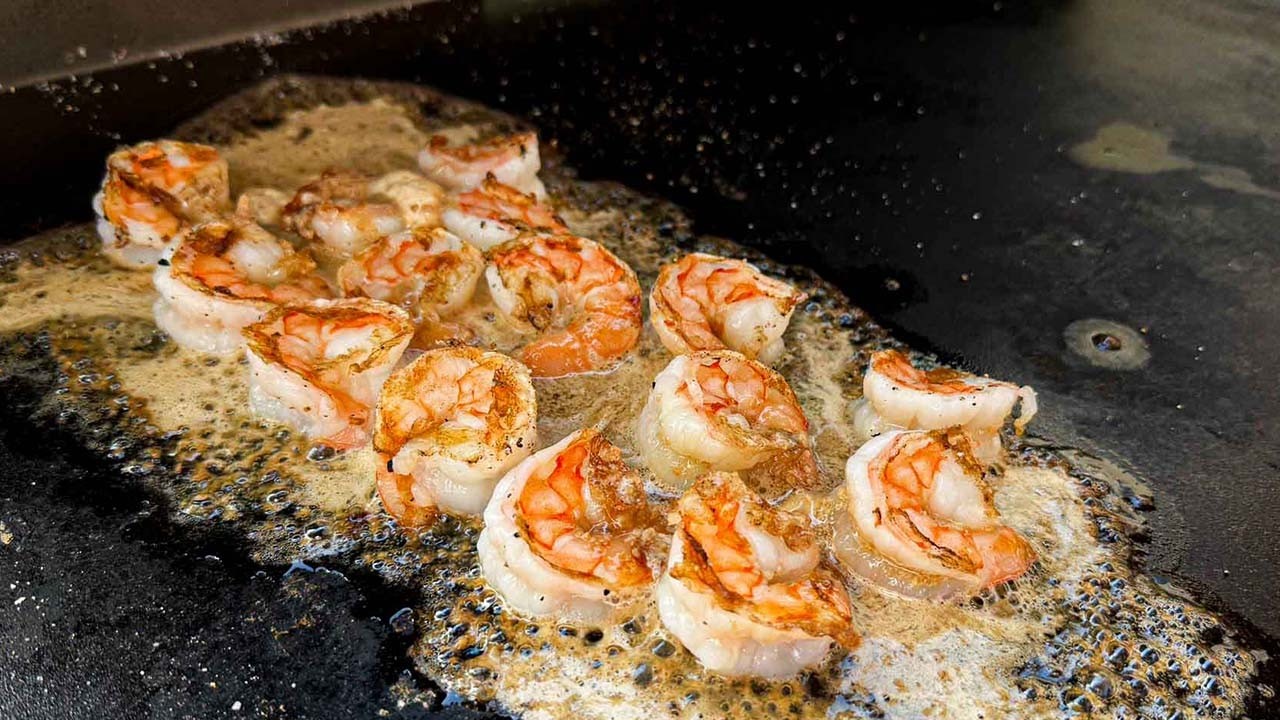
If we want a fast, flavorful, restaurant-style seafood meal at home, this hibachi shrimp recipe is one of the best choices we can make. It is quick, rich in savory flavor, and easy to prepare with simple ingredients. Moreover, it delivers the signature taste of Japanese steakhouse cooking without requiring complicated tools or techniques. With the right balance of shrimp, butter, garlic, soy sauce, and seasonings, we can create a satisfying dish that feels special yet remains practical for a weeknight dinner.
This guide covers everything we need, from selecting the best shrimp to cooking them perfectly and serving them with classic hibachi sides. As a result, we can enjoy tender, juicy shrimp with bold flavor and a glossy finish every time.
What Is Hibachi Shrimp?
Hibachi shrimp is a popular Japanese-inspired dish often served in steakhouses alongside fried rice, sautéed vegetables, and dipping sauces. In many restaurant settings, the shrimp are cooked on a hot flat-top grill with butter, garlic, soy sauce, and a touch of lemon or sesame flavor. The result is shrimp that are lightly seared on the outside and tender on the inside.
At home, we can recreate this same style using a large skillet, griddle, or cast-iron pan. While traditional hibachi cooking uses very high heat, we can still achieve excellent flavor in a home kitchen by cooking the shrimp quickly and avoiding overcrowding the pan.
Why This Hibachi Shrimp Recipe Works
This easy hibachi shrimp recipe works because it focuses on a few essential details. First, shrimp cook very quickly, so they stay juicy when we use high heat and short cooking time. Second, the sauce ingredients coat the shrimp without overpowering their natural sweetness. Third, the combination of butter and soy sauce creates that classic hibachi taste many people love.
In addition, this recipe is flexible. We can serve it with hibachi fried rice, grilled zucchini, mushrooms, onions, or even noodles. Therefore, it fits well into many dinner plans and can be adjusted for family meals, date nights, or simple meal prep.
Ingredients You’ll Need
To make the best homemade hibachi shrimp, we need fresh, simple ingredients that build savory, buttery flavor.
For the Hibachi Shrimp
- 1 pound large shrimp, peeled and deveined
- 2 tablespoons butter
- 1 tablespoon olive oil or neutral cooking oil
- 2 cloves garlic, finely minced
- 2 tablespoons soy sauce
- 1 tablespoon lemon juice
- 1 teaspoon sesame oil
- 1 teaspoon paprika
- 1/2 teaspoon black pepper
- 1/2 teaspoon salt if needed
- 1 tablespoon chopped parsley or green onions for garnish
Optional Additions for More Flavor
- 1/2 teaspoon onion powder
- 1/2 teaspoon garlic powder
- A pinch of red pepper flakes
- A few drops of rice vinegar
- Sesame seeds for garnish
These ingredients combine to give us the signature balance of savory, buttery, garlicky, and slightly smoky hibachi flavor.
How to Choose the Best Shrimp for Hibachi
For the best result, we should use large or jumbo shrimp because they stay juicy and hold up well under high heat. Fresh shrimp are great, but frozen shrimp also work very well if properly thawed. In fact, many frozen shrimp are processed quickly after being caught, so they can be an excellent option.
We should look for shrimp that are already peeled and deveined to save time. However, tail-on shrimp can make the final dish look more appealing if we want a presentation closer to restaurant style. Before cooking, we must pat the shrimp dry with paper towels. This step is important because dry shrimp sear better and develop more flavor.
How to Prepare Shrimp Before Cooking
Proper preparation makes a noticeable difference in texture and flavor. First, we rinse the shrimp lightly if needed and dry them thoroughly. Next, we place them in a bowl and season them with paprika, black pepper, and a light pinch of salt. Then we add a small amount of soy sauce, lemon juice, and sesame oil.
We should let the shrimp sit for about 10 to 15 minutes. This short marinating time is enough to enhance flavor without changing the texture. Since shrimp are delicate, they do not need long marinating times like chicken or beef.
Step-by-Step Guide to Making Hibachi Shrimp
Step 1: Season the Shrimp
Place the peeled and deveined shrimp in a bowl. Add paprika, black pepper, soy sauce, lemon juice, and sesame oil. Toss everything together until the shrimp are evenly coated. Let them rest briefly while we prepare the pan.
Step 2: Heat the Pan Properly
Set a large skillet, griddle, or cast-iron pan over medium-high to high heat. Add olive oil and let it heat until it shimmers. This step is essential because hibachi shrimp need high heat for a quick sear.
Step 3: Add Butter and Garlic
Once the pan is hot, add butter. As soon as it melts, stir in the minced garlic. Cook for only a few seconds until fragrant. We should not let the garlic burn because it can turn bitter very quickly.
Step 4: Cook the Shrimp in a Single Layer
Place the shrimp in the pan in a single layer. Avoid overcrowding the pan, because crowded shrimp will steam instead of sear. Cook them for about 1 to 2 minutes per side, depending on their size.
Step 5: Flip and Finish
Turn the shrimp once they begin to turn pink and slightly golden. Cook the other side until fully opaque and curled into a loose “C” shape. Overcooked shrimp become rubbery, so we should remove them from the heat as soon as they are done.
Step 6: Add Final Flavor
Drizzle in a little extra soy sauce if needed and toss gently to coat. Garnish with chopped parsley, green onions, or sesame seeds. Serve immediately for the best texture and flavor.
How to Know When Hibachi Shrimp Are Perfectly Cooked
Perfectly cooked shrimp are pink, opaque, and tender. They curl slightly, but they should not tighten into a small hard ring. If they do, they are likely overcooked. Since shrimp cook fast, we need to watch them closely from the moment they hit the pan.
A good rule is to cook them just until the flesh loses its translucent look. Then we remove them right away. That way, they remain juicy and flavorful.
Best Side Dishes for Hibachi Shrimp
A proper hibachi shrimp dinner often includes classic side dishes that complete the meal. Some of the best options include:
- Hibachi fried rice
- Sautéed zucchini and onions
- Mushrooms cooked in butter
- Steamed white rice
- Yum yum sauce
- Ginger sauce
- Garlic noodles
These sides pair beautifully with the savory shrimp. In particular, fried rice and vegetables turn this recipe into a full restaurant-style meal.
Tips for the Best Homemade Hibachi Shrimp
To get the best result every time, we should keep a few practical tips in mind. First, always dry the shrimp before seasoning. Second, cook them in batches if necessary. Third, use a hot pan from the start. In addition, avoid over-mixing once they begin to cook.
Butter is important for flavor, but too much can make the dish greasy. Therefore, it is best to use just enough to coat the shrimp and enrich the sauce. A small amount of sesame oil also helps create authentic hibachi-style aroma without overwhelming the dish.
Common Mistakes to Avoid
One common mistake is overcooking the shrimp. Since they cook so fast, even one extra minute can affect the texture. Another mistake is adding too much liquid to the pan, which prevents proper searing. We also want to avoid using cold shrimp straight from the freezer.
Another issue is low heat. Hibachi cooking depends on quick, hot cooking. If the pan is not hot enough, the shrimp release moisture and become soft instead of lightly caramelized.
How to Store and Reheat Hibachi Shrimp
If we have leftovers, we should store them in an airtight container in the refrigerator for up to 2 days. Shrimp are best enjoyed fresh, but leftovers can still taste good when handled carefully.
To reheat, place the shrimp in a skillet over low heat with a small amount of butter or oil. Warm them gently for a minute or two. Avoid microwaving for too long because it can make the shrimp tough.
Easy Variations of Hibachi Shrimp Recipe
This hibachi shrimp recipe can be adjusted in several delicious ways. We can add vegetables directly to the pan, such as zucchini, mushrooms, onions, or bell peppers. We can also make it spicy by adding red pepper flakes or a little chili sauce.
For extra richness, we can finish the dish with a touch more butter and fresh lemon juice. If we want a fuller protein meal, we can even combine shrimp with chicken for a hibachi chicken and shrimp recipe.
FAQs about Hibachi Shrimp Recipe
1. What is hibachi shrimp?
Hibachi shrimp is a Japanese-style shrimp dish cooked quickly on a hot flat grill or skillet. It is usually prepared with butter, garlic, soy sauce, and simple seasonings for a savory flavor.
2. What kind of shrimp is best for hibachi shrimp?
Large or medium shrimp work best because they stay juicy and cook evenly. In most cases, peeled and deveined shrimp save time and make the recipe easier.
3. How long does hibachi shrimp take to cook?
Hibachi shrimp cooks very fast, usually in 5 to 7 minutes. Therefore, it is important not to overcook the shrimp, or they may become rubbery.
4. What seasonings are used in hibachi shrimp?
Common seasonings include soy sauce, garlic, butter, black pepper, paprika, and a little lemon juice. Some recipes also add sesame oil for extra flavor.
5. Can I make hibachi shrimp at home without a hibachi grill?
Yes, you can use a large skillet, frying pan, or flat griddle. As long as the pan is very hot, you can still get the delicious hibachi-style taste.
6. What can I serve with hibachi shrimp?
Hibachi shrimp pairs well with fried rice, noodles, sautéed vegetables, or yum yum sauce. As a result, it makes a full and satisfying meal.
7. Can I use frozen shrimp?
Yes, you can use frozen shrimp, but thaw them fully first. Then pat them dry so they cook properly and brown nicely.
8. How do I store leftover hibachi shrimp?
Store leftovers in an airtight container in the refrigerator for up to 2 days. Reheat gently to keep the shrimp tender and flavorful.
Final Thoughts
This hibachi shrimp recipe is quick, flavorful, and ideal for anyone who wants a restaurant-style dish at home. Because it uses simple ingredients and a fast cooking method, it fits easily into busy schedules while still delivering bold taste. The shrimp come out juicy, buttery, and packed with savory flavor, especially when paired with fried rice and vegetables.
Once we master this method, we can make easy hibachi shrimp anytime we want a satisfying homemade dinner. With the right heat, a few basic seasonings, and careful timing, we can create a dish that is both impressive and effortless.