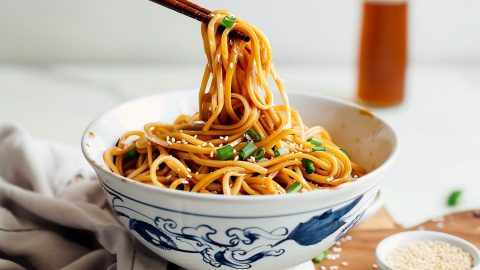
Hibachi Noodles Recipe: If you’ve ever been to a Japanese steakhouse, chances are you’ve enjoyed a plate of hibachi noodles sizzling on a hot grill. Hibachi noodles are stir-fried noodles, typically made with soy sauce, garlic, butter, and a touch of sesame oil. What makes them stand out is their rich, savory flavor and slight smokiness that comes from high-heat cooking. These noodles are soft yet slightly chewy, absorbing all the delicious sauce, making them a perfect comfort food. Unlike plain noodles, hibachi noodles combine Asian flavors with the buttery richness that Western palates love.
The word hibachi itself refers to a traditional Japanese heating device, but in restaurants, hibachi cooking is done on a flat griddle known as a teppan. That’s why you might hear the term teppanyaki noodles interchangeably used. No matter the name, hibachi noodles are a crowd-pleaser, often served alongside grilled meat, shrimp, or veggies.
Why You’ll Love This Recipe
There are plenty of noodle recipes out there, but hibachi noodles have a special charm. First, they’re incredibly quick to make—perfect for weeknight dinners when you don’t want to spend hours in the kitchen. Second, they’re versatile. You can keep them simple or dress them up with proteins like chicken, beef, or shrimp. Third, they taste just like the ones at hibachi restaurants, but you get to enjoy them at home without the expensive bill.
Another reason you’ll love them is the balance of flavors: salty from soy sauce, rich from butter, aromatic from garlic, and nutty from sesame oil. With just a handful of ingredients, you can create a restaurant-quality dish that will impress family and guests alike.
Ingredients You’ll Need
Main Ingredients for Hibachi Noodles
The beauty of hibachi noodles is that they require just a few everyday ingredients:
- Noodles – Lo mein, udon, or even spaghetti can work.
- Soy Sauce – For that deep umami flavor.
- Butter – Adds richness and balances the saltiness.
- Garlic – Fresh minced garlic for aroma.
- Sesame Oil – Provides a nutty taste and fragrance.
- Sugar – Just a pinch to balance flavors.
- Green Onions – For freshness and garnish.
Optional Add-Ins for Extra Flavor
Want to take your hibachi noodles up a notch? Try adding:
- Protein: Chicken, beef, shrimp, or tofu.
- Vegetables: Mushrooms, bell peppers, carrots, or zucchini.
- Spices: Chili flakes or sriracha for heat.
- Eggs: Scrambled into the noodles for extra richness.
Tools and Equipment Required
To make hibachi noodles at home, you don’t need a fancy hibachi grill. A few kitchen basics will do:
- Large skillet, wok, or flat griddle pan.
- Sharp knife and cutting board.
- Mixing bowls.
- Tongs or chopsticks for tossing noodles.
Preparing the Ingredients
Choosing the Right Noodles
The type of noodles you use can make or break your dish. Traditionally, hibachi noodles are made with lo mein or yakisoba noodles because they’re soft yet slightly chewy, perfect for soaking up sauce. If you can’t find those at your local grocery store, udon noodles (thicker and chewier) or even spaghetti (as a substitute) can work surprisingly well.
The key is to cook the noodles al dente so they don’t become mushy when stir-fried. Remember, they’ll continue cooking in the pan with the sauce, so slightly undercooking them initially is a smart move.
Prepping Vegetables and Protein
Hibachi cooking is all about quick, high-heat stir-frying, which means your ingredients should be prepped before you start cooking. Slice vegetables thinly so they cook evenly and fast. If you’re adding protein like chicken or beef, cut them into bite-sized pieces for quicker cooking. Shrimp works beautifully too, as it only takes a few minutes to cook.
Making the Signature Hibachi Sauce
The sauce is the heart of hibachi noodles. A simple mix of soy sauce, butter, garlic, and sesame oil creates the base. For extra depth, you can add oyster sauce or teriyaki sauce. Some people like a touch of mirin (Japanese sweet rice wine) for sweetness, but that’s optional. The goal is to create a sauce that’s savory, slightly sweet, buttery, and aromatic.
Step-by-Step Guide to Cooking Hibachi Noodles
Step 1: Cook the Noodles Perfectly
Bring a large pot of water to a boil, add your noodles, and cook them according to the package directions. Drain and rinse them under cold water to stop the cooking process. Toss them lightly with a bit of sesame oil to prevent sticking. This way, they’ll be ready to absorb the sauce when stir-fried.
Step 2: Stir-Fry Vegetables and Protein
Heat a large skillet or wok over medium-high heat. Add butter and garlic, letting it sizzle until fragrant. If you’re using protein, cook it first until done, then remove it from the pan. Next, add vegetables and stir-fry quickly to keep them crisp-tender.
Step 3: Add the Sauce and Toss Everything Together
Now comes the magic moment—add your cooked noodles and pour in the sauce mixture. Toss everything together with tongs, making sure the noodles get evenly coated. The heat will help the noodles soak up the sauce while keeping a slightly smoky flavor.
Step 4: Garnish and Serve
Finally, sprinkle chopped green onions on top, maybe even sesame seeds for extra crunch. Serve hot, straight from the pan, for the best experience.
Tips and Tricks for the Best Hibachi Noodles
Restaurant-Style Cooking Secrets
The secret to restaurant-quality hibachi noodles lies in cooking over high heat. A wok or large skillet allows the noodles to sear slightly, giving them that authentic smoky flavor. Don’t overcrowd the pan—cook in batches if necessary.
How to Adjust Spice and Flavor
If you like it spicy, add chili flakes, sriracha, or even a dash of hot sesame oil. For a sweeter taste, increase the sugar slightly or add teriyaki sauce. Adjusting flavors to your preference is what makes home cooking fun.
Common Mistakes to Avoid
- Overcooking noodles until they turn mushy.
- Adding too much soy sauce, making them overly salty.
- Skipping the butter—it’s essential for authentic flavor.
Variations of Hibachi Noodles
Vegetarian Hibachi Noodles
If you’re following a vegetarian lifestyle, hibachi noodles can be just as flavorful without meat. Simply load up on a variety of colorful vegetables like bell peppers, broccoli, carrots, mushrooms, and zucchini. These veggies add not only texture and flavor but also nutrition. For extra protein, you can toss in some pan-fried tofu or edamame. The key to making vegetarian hibachi noodles shine is ensuring the vegetables are cooked at high heat for just a few minutes so they stay crisp yet tender. A splash of extra sesame oil can also enhance the nuttiness and balance the flavors beautifully.
Chicken Hibachi Noodles
Chicken is one of the most popular proteins to add to hibachi noodles. Boneless, skinless chicken breast or thighs work best because they cook quickly and stay juicy. To get that restaurant-style taste, marinate the chicken in a little soy sauce, garlic, and sesame oil before stir-frying. Cook the chicken separately until golden brown, then set it aside while preparing the noodles and vegetables. Adding it back in at the end ensures the meat stays tender and doesn’t dry out. Chicken hibachi noodles are hearty, flavorful, and perfect for a filling family dinner.
Shrimp Hibachi Noodles
Shrimp is another classic choice for hibachi noodles and adds a touch of elegance to the dish. Since shrimp cooks so fast—just a couple of minutes per side—it’s best to cook them first in butter and garlic until they turn pink and slightly golden. Remove the shrimp from the pan, prepare the noodles and sauce, and then gently toss the shrimp back in at the end. The result is a light yet indulgent dish where the sweetness of shrimp complements the savory sauce perfectly. If you’re looking to impress guests or make a quick weeknight seafood dinner, shrimp hibachi noodles are a fantastic option.
Pairing Hibachi Noodles with Other Dishes
Perfect Side Dishes
Hibachi noodles are delicious on their own, but pairing them with the right side dishes can create a complete hibachi-style meal at home. Some great options include:
- Hibachi Fried Rice – A classic partner dish with egg, veggies, and soy sauce.
- Grilled Vegetables – Zucchini, mushrooms, and onions are typical hibachi veggies.
- Miso Soup – Light and comforting, balances the richness of the noodles.
- Japanese Salad – Fresh lettuce, cucumber, and ginger dressing add a refreshing contrast.
Best Sauces and Condiments
In Japanese steakhouses, hibachi noodles are often served with dipping sauces that elevate the flavors even more. Some popular choices include:
- Yum Yum Sauce – A creamy, slightly sweet mayonnaise-based sauce.
- Ginger Sauce – Tangy and zesty, pairs perfectly with noodles.
- Spicy Mayo – For those who love a little kick.
- Teriyaki Glaze – Adds extra sweetness and shine.
Pairing hibachi noodles with these sauces ensures every bite is bursting with flavor.
Storing and Reheating Hibachi Noodles
How to Store Leftovers Properly
If you’ve made a large batch of hibachi noodles, you’ll be glad to know they store quite well. Once the noodles have cooled to room temperature, place them in an airtight container and refrigerate. They’ll last for about 3–4 days without losing much of their flavor. Make sure to separate any proteins (like chicken or shrimp) if possible, so you can reheat them separately and avoid overcooking.
Reheating Tips Without Losing Flavor
The best way to reheat hibachi noodles is in a skillet or wok over medium heat. Add a small pat of butter or a drizzle of sesame oil to revive the flavors and prevent the noodles from drying out. Stir-fry for a few minutes until hot, and you’ll have noodles that taste almost as fresh as when you first made them. If you’re in a rush, microwaving is also an option, but make sure to cover the noodles with a damp paper towel to keep them moist.
Nutritional Value of Hibachi Noodles
Calories and Macronutrients
Hibachi noodles, while incredibly delicious, are considered a comfort food because of the butter and soy sauce base. On average, a serving of hibachi noodles contains:
- Calories: 300–450 (depending on portion size and add-ins)
- Carbohydrates: 45–60g
- Protein: 8–15g (higher if you add chicken, beef, or shrimp)
- Fat: 10–18g (mainly from butter and sesame oil)
These values can vary based on the type of noodles and proteins you add. While not exactly a low-calorie dish, hibachi noodles provide a satisfying balance of carbs, protein, and fats that make them both filling and flavorful.
Healthier Alternatives
If you want a lighter version of hibachi noodles, consider these healthy swaps:
- Use whole wheat noodles or zucchini noodles (zoodles) instead of white noodles.
- Replace butter with a small amount of olive oil.
- Use low-sodium soy sauce to reduce sodium intake.
- Load up on more vegetables to add fiber and nutrients.
With these tweaks, you can enjoy hibachi noodles guilt-free while still keeping all the flavor.
FAQs about Hibachi Noodles Recipe
Can I Use Spaghetti Instead of Lo Mein?
Yes! While lo mein or yakisoba noodles are traditional, spaghetti is a great substitute if that’s what you have in your pantry. Just cook it al dente, so it doesn’t turn mushy when stir-fried.
How Do I Make Hibachi Noodles Less Oily?
Simply reduce the butter slightly and add more vegetables to balance the texture. Using a nonstick skillet also helps, as you won’t need as much fat for cooking.
Can I Prep Hibachi Noodles in Advance?
Absolutely. You can cook the noodles ahead of time, prep the vegetables, and make the sauce. When ready to serve, just toss everything together in a skillet—it’ll take less than 10 minutes.
What’s the Difference Between Hibachi Noodles and Lo Mein?
Both are stir-fried noodles, but hibachi noodles are known for their buttery, garlic-rich flavor, while lo mein typically uses more soy-based sauces without butter.
Can I Freeze Hibachi Noodles?
Yes, you can freeze hibachi noodles for up to 2 months. Just store them in a freezer-safe container. Reheat in a skillet with a bit of butter or sesame oil to restore the flavor.
Conclusion
Hibachi noodles are one of those dishes that effortlessly bring restaurant-style dining into your home. With just a handful of simple ingredients—noodles, soy sauce, butter, garlic, and sesame oil—you can whip up a savory, satisfying meal in less than 30 minutes. The best part is how versatile they are; whether you prefer vegetarian, chicken, or shrimp, there’s a version for everyone.
Pair them with hibachi fried rice, grilled vegetables, or dipping sauces like yum yum sauce, and you’ve got yourself a complete Japanese steakhouse-inspired meal. They store and reheat well too, making them perfect for meal prep or next-day leftovers.
So next time you’re craving something comforting yet full of flavor, skip the takeout and make hibachi noodles at home. Trust me, once you taste them, they’ll become a regular on your dinner menu.