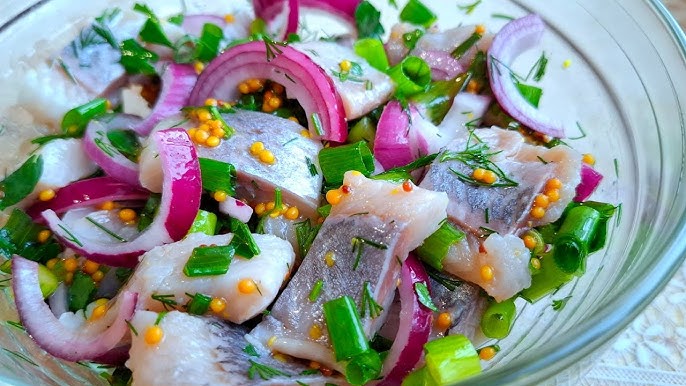
Herring Pickled Recipe: Pickled herring is one of those dishes that carries a sense of nostalgia and tradition for many around the world. Whether you’re Scandinavian, Eastern European, or simply an adventurous foodie, pickled herring is likely something you’ve heard of—or tasted—at some point. It’s a briny, tangy, slightly sweet seafood delicacy that not only stands out on a festive platter but also boasts impressive health benefits.
Why do people pickle herring in the first place? Historically, pickling was a method to preserve fish before refrigeration existed. Today, it continues as a beloved culinary tradition. Pickled herring offers an explosion of flavor in every bite—soft, flaky fish complemented by the acidic snap of vinegar, the sweetness of sugar, and the aroma of spices like mustard seeds, allspice, and bay leaves.
This guide will walk you through everything: from choosing the right herring to crafting a flavor-packed brine and storing your jars for weeks of delicious snacking. So, if you’re ready to dive into a classic recipe with modern flair, you’re in the right place.
Ingredients You’ll Need
Basic Ingredients for Pickling Herring
Let’s start with the essentials. If you want to create a perfect jar of pickled herring, here’s what you absolutely must have:
- Herring Fillets (Fresh or Salted) – About 1 to 1.5 pounds. If using salted, you’ll need to soak them first.
- White Vinegar (5% acidity) – 1 cup. You can use apple cider vinegar for a milder touch.
- Sugar – Around ¼ cup. Balances the acidity with sweetness.
- Salt – 1 tablespoon. Kosher or sea salt works best.
Flavor Enhancers and Spices
This is where you make it your own. Spices add depth and excitement to your brine.
- Onions – 1 large, thinly sliced. Adds texture and sweetness.
- Whole Peppercorns – 1 tablespoon. Adds heat and earthiness.
- Mustard Seeds – 1 teaspoon. A classic pickling spice.
- Bay Leaves – 2 to 3. Fragrant and slightly bitter.
- Cloves (optional) – 2 to 3. Adds warmth.
- Fresh Dill or Dill Seed (optional) – A must in Scandinavian versions.
- Carrots (optional) – Thinly sliced for color and sweetness.
Tools and Equipment Required
Before you start, gather these kitchen tools:
- Glass Jars with Tight-Fitting Lids – Mason jars are perfect.
- Sharp Knife and Cutting Board – For clean cuts and safety.
- Saucepan – To heat your brine.
- Mixing Bowl – For soaking or mixing fish.
- Tongs or Slotted Spoon – To safely handle the herring.
Once you’ve got your ingredients and tools lined up, you’re ready to start prepping your herring.
Step-by-Step Guide to Making Pickled Herring
Step 1: Selecting the Right Herring
You can use either fresh or salted herring. Salted herring is more traditional and easier to find in European or specialty fish markets. Choose firm, shiny fish with a clean smell. Avoid fish that looks dull or has a strong odor.
Step 2: Prepping the Herring (Cleaning & Filleting)
If using whole fresh herring, clean and gut the fish, remove the head, and carefully fillet it. Pull out any visible bones. Rinse the fillets under cold water and pat dry with paper towels. For pre-salted herring, trimming may be minimal.
Step 3: Soaking the Herring
Salted herring must be soaked to remove excess salt. Place fillets in a bowl of cold water and soak for 12–24 hours, changing the water every 6–8 hours. Taste a small piece to check saltiness before proceeding.
Step 4: Preparing the Pickling Brine
In a saucepan, combine vinegar, water, sugar, and salt (a common ratio is 1:1 vinegar to water with sugar to taste). Add spices such as bay leaves, peppercorns, mustard seeds, or cloves. Heat gently until sugar dissolves, then cool completely.
Step 5: Assembling the Pickled Herring Jars
Sterilize glass jars. Layer herring pieces with sliced onions and spices. Pour the cooled brine over the fish until fully submerged. Press gently to remove air pockets.
Step 6: Sealing and Storing the Jars
Seal the jars tightly and refrigerate for at least 2–3 days before eating. Pickled herring keeps well refrigerated for up to 2 weeks, with flavor improving over time.
Tips for Best Pickled Herring
To level up your pickled herring, here are a few expert tips:
- Use glass jars, not plastic. Vinegar can react with plastic and affect flavor.
- Don’t over-sugar if you’re looking for a more savory profile.
- Slice onions thin—they absorb the brine and become delicious on their own.
- Taste the brine before using. Adjust sugar or vinegar if needed.
- Experiment with herbs like fresh dill or coriander seeds for different flavor notes.
- Label the jars with the date you made them, so you can track freshness.
Remember, this is a dish where the ingredients do most of the work—let them shine!
Serving Suggestions
Once your pickled herring is ready, it’s time to eat—and there are endless ways to enjoy it.
Classic Pairings:
- Serve with rye bread or crispbread, topped with sour cream or crème fraîche.
- Add to a charcuterie board with cured meats, cheeses, and olives.
- Slice into a cold potato salad with eggs and chives.
- Try it with boiled potatoes and dill, Scandinavian style.
Creative Serving Ideas:
- Make a herring appetizer spoon with pickled onions and a dollop of horseradish cream.
- Use as a filling for mini tartlets or canapés.
- Layer in a mason jar salad with beets, greens, and grains.
Drinks to Pair With:
- Ice-cold vodka (classic in Russia and Poland)
- Dry white wine or Riesling
- Light craft beers
Pickled herring is a bold dish. You want a drink that complements its richness without overpowering it.
Nutritional Value of Pickled Herring
Besides being tasty, pickled herring is loaded with nutrients. A 3-ounce serving typically contains:
| Nutrient | Amount (Approx.) |
|---|---|
| Calories | 180 |
| Protein | 15g |
| Fat | 12g |
| Omega-3 Fats | 2g |
| Vitamin D | 100% RDI |
| Vitamin B12 | 80% RDI |
| Sodium | 400mg+ |
It’s a high-protein, high-fat food, making it great for low-carb or keto diets. The omega-3s are especially good for heart and brain health. Just watch the sodium if you’re on a low-salt diet.
Storing and Shelf Life
Proper storage is key to making the most of your homemade pickled herring. While the vinegar brine acts as a preservative, refrigeration ensures safety and freshness.
Refrigeration Guidelines:
- Always store pickled herring in glass jars with tight lids.
- Keep it in the coldest part of your fridge, ideally at 35°F to 40°F (1.6°C to 4.4°C).
- Once prepared, the herring needs to marinate for at least 2 days before it reaches full flavor.
- Pickled herring stays fresh for about 2 to 3 weeks in the fridge when properly sealed.
If you’re not planning to consume it all at once, consider using smaller jars to reduce exposure to air each time you open one.
Signs of Spoilage:
- Foul smell or sourness beyond the vinegar aroma.
- Cloudy brine or mold on the surface.
- Fish becoming mushy instead of firm.
Always trust your nose and eyes. If something seems off, don’t risk it—throw it out.
Common Mistakes to Avoid
Even experienced cooks can mess up a good batch of pickled herring if they overlook a few critical steps. Let’s break down the most common pitfalls:
1. Not Soaking Salted Herring Long Enough
Salted herring is incredibly briny. If you skip or shorten the soak, you’ll end up with an overpoweringly salty final product. Aim for a minimum of 4 hours, preferably overnight.
2. Using Hot Brine on the Fish
Never pour hot brine directly over raw fish. This can cook the herring slightly, ruining its texture. Always let the brine cool to room temperature before combining it with your fillets.
3. Overloading the Brine with Spices
While spices add flavor, too much can become overwhelming. Stick to balanced amounts, especially with strong spices like cloves or allspice.
4. Using Plastic or Metal Containers
Vinegar reacts with certain materials. Always use glass jars or containers labeled as food-safe and non-reactive.
5. Ignoring Storage Guidelines
Pickled herring is not shelf-stable unless properly canned. Always refrigerate, and don’t push it past its recommended shelf life.
Learning from these mistakes can be the difference between a jar you want to devour and one you toss after one bite.
Variations of Pickled Herring
Once you’ve mastered the basic recipe, feel free to get creative with regional variations or your own spin. Here are some of the most popular twists:
Scandinavian Style
- Uses white vinegar, sugar, red onions, allspice, bay leaves, and dill.
- Often served with boiled potatoes and sour cream.
- Light and balanced with sweet and sour notes.
Jewish Deli Style
- Brine is heavier on sugar.
- Uses cloves, cinnamon, and raisins in some versions.
- Sweet and aromatic, often served with bagels or black bread.
Creamy Pickled Herring
- Herring is pickled first, then mixed with a creamy sauce made of sour cream, mayonnaise, mustard, and onions.
- Popular in Germany and Sweden.
Spicy Pickled Herring
- Adds chili peppers or hot mustard seeds to the brine.
- Ideal for those who love a kick of heat.
You can also explore adding citrus zest, horseradish, or even beets to the brine for bold, eye-catching presentations.
Can You Pickle Frozen Herring?
Yes, you can! In fact, frozen herring is a great alternative when fresh isn’t available.
Tips for Using Frozen Herring:
- Thaw completely in the refrigerator before using.
- Pat dry thoroughly to remove excess moisture.
- Make sure it was flash-frozen right after being caught for best texture.
The main difference? Texture. Frozen herring might be slightly softer than fresh, but it still holds up well once brined. If you’re new to this, it’s a perfectly acceptable option to start with.
History and Cultural Significance of Pickled Herring
Pickled herring is more than just a food—it’s a tradition. For centuries, this dish has been an essential part of Northern and Eastern European cuisine.
In Scandinavia:
Pickled herring is a holiday staple—served at Christmas, Easter, and Midsummer feasts. It’s enjoyed with schnapps, boiled potatoes, and rye crispbread.
In Jewish Culture:
It became a staple in Ashkenazi Jewish cuisine, especially in Eastern Europe. Jewish immigrants brought their love of pickled herring to New York delis, where it remains popular today.
In Slavic Countries:
Russia and Poland celebrate herring as a vodka-paired appetizer or use it in dishes like “herring under a fur coat”, a layered beet salad with mayonnaise.
These traditions have stood the test of time—not just for taste, but for practicality, preservation, and symbolism.
Is Pickled Herring Safe for Everyone?
For most people, pickled herring is both safe and nutritious. But there are a few considerations:
Pregnant Women:
- Pickled herring is generally safe if it’s been handled properly and kept cold.
- Avoid if the herring is raw and not fully cured, due to listeria risk.
Allergies and Sensitivities:
- Those with fish allergies should obviously steer clear.
- Sensitive to sodium? Pickled herring is high in salt. Rinse lightly or limit your portion.
Mercury Levels:
Herring is a low-mercury fish, making it a safer seafood option than tuna or swordfish.
As always, if you have health concerns, it’s best to consult your doctor or dietitian before adding it to your regular diet.
FAQs about Herring Pickled Recipe
1. How long does pickled herring last in the fridge?
Pickled herring lasts up to 3 weeks in the refrigerator if kept in a sealed, sterilized glass jar and fully submerged in brine.
2. Can I use other types of fish besides herring?
Yes! Mackerel, sardines, and even salmon can be pickled, though texture and flavor will differ. Herring is most traditional due to its oil content and firm texture.
3. What’s the difference between marinated and pickled herring?
They’re often used interchangeably, but marinated herring typically involves a sweetened vinegar-based solution with spices, while pickled herring may refer more broadly to any preserved-in-vinegar preparation.
4. Can I reuse the brine?
No, it’s not recommended. Reusing brine can introduce bacteria and reduce effectiveness. Always make a fresh batch.
5. Is pickled herring raw or cooked?
It’s raw but cured in vinegar. The acidity of the brine denatures the proteins, similar to ceviche, making it safe to eat if properly prepared.
Conclusion
Pickled herring is one of those rare dishes that combines tradition, nutrition, and bold flavor in every bite. Whether you’re making it for a holiday celebration, a family recipe revival, or just to try something new, this guide provides everything you need—from ingredient lists to flavor variations and expert tips.
Don’t be afraid to experiment with flavors or presentation. The best pickled herring is the one that suits your taste buds. Once you’ve made your first jar, you’ll likely be hooked by how easy, delicious, and rewarding it is.
So go ahead—grab those jars, pick your spices, and start your pickling journey today!