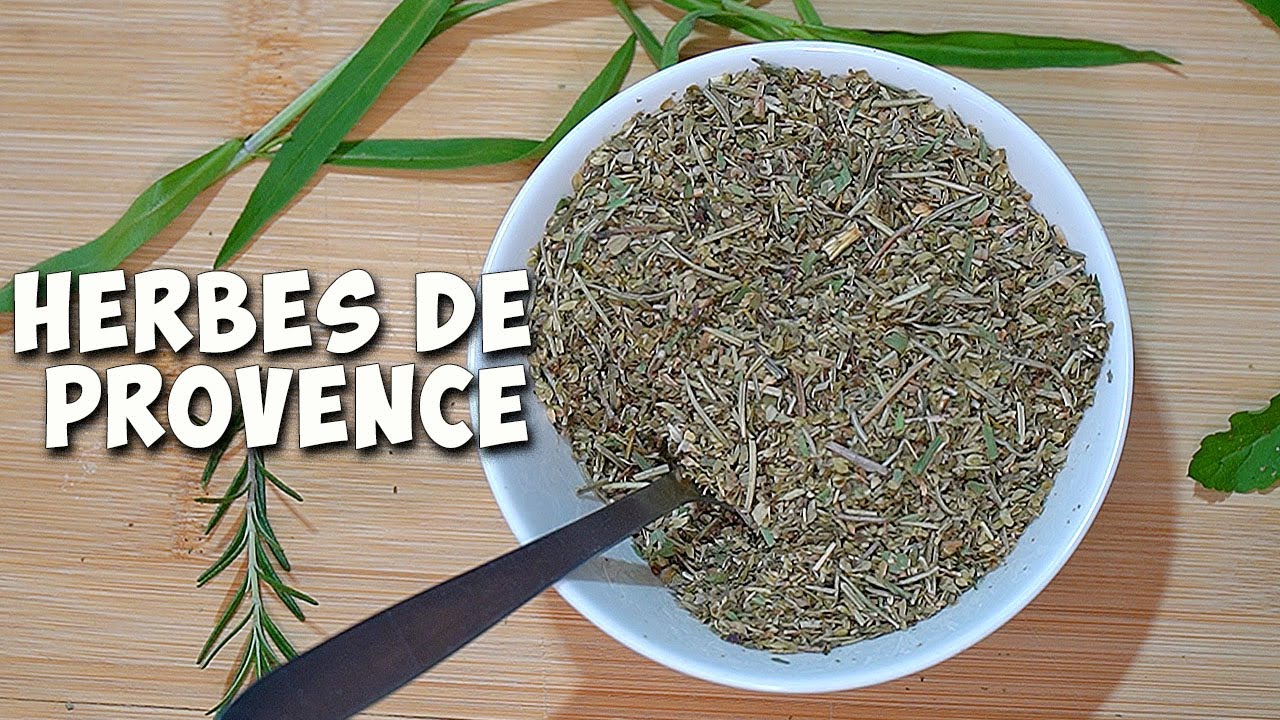
Herbs de Provence Recipe: Herbs de Provence is a classic French herb blend known for its fragrant, earthy, and slightly floral flavor. We use it to season roasted vegetables, grilled chicken, lamb, fish, soups, stews, and even homemade breads. Instead of buying a pre-made mix, we can prepare a fresher, more flavorful version at home with simple dried herbs from the pantry. The result is a balanced seasoning blend that adds depth, aroma, and elegance to everyday meals.
This guide covers everything we need to make an authentic-style Herbs de Provence recipe, including the best ingredients, exact measurements, mixing tips, storage advice, and easy ways to use it in cooking.
What Is Herbs de Provence?
Herbs de Provence is a dried herb seasoning blend inspired by the cooking traditions of Provence, a region in southeastern France. The blend usually includes a mix of thyme, rosemary, savory, oregano, and marjoram. Some versions also include lavender, which gives the mixture its signature floral touch.
The beauty of this seasoning lies in its versatility. It works beautifully with savory dishes, yet it remains light and aromatic. Because the blend is dried, it stores well and can be made in batches for repeated use.
Why We Love This Homemade Herbs de Provence Recipe
A homemade herb blend offers more control, better freshness, and stronger flavor. Store-bought versions often vary in taste and quality. However, when we mix the herbs ourselves, we can adjust the proportions to suit the dish.
Here is why this recipe stands out:
- Fresh flavor from quality dried herbs
- Easy to make in a few minutes
- Budget-friendly and pantry-based
- Customizable for different recipes
- Perfect for meal prep and seasoning jars
- Long shelf life when stored properly
Moreover, making our own Herbs de Provence seasoning allows us to create a blend that tastes clean, fragrant, and balanced every time.
Ingredients You’ll Need for Herbs de Provence
To make a classic homemade Herbs de Provence recipe, we need a combination of dried herbs. Each herb plays a role in building the final flavor.
Main Ingredients
- 2 tablespoons dried thyme
- 2 tablespoons dried rosemary
- 2 tablespoons dried marjoram
- 2 tablespoons dried savory
- 1 tablespoon dried oregano
- 1 tablespoon dried basil
- 1 teaspoon dried lavender flowers (optional but traditional in many modern blends)
This ratio creates a savory, fragrant seasoning with a gentle floral note. If we prefer a more classic savory profile, we can reduce or omit the lavender.
What Each Herb Adds to the Blend
Understanding each ingredient helps us create a better seasoning mix.
Dried Thyme
Thyme brings an earthy, slightly minty depth. It forms the backbone of the blend.
Dried Rosemary
Rosemary adds a piney, woodsy aroma. Because it can be strong, we often crush it slightly before mixing.
Dried Marjoram
Marjoram contributes a mild, sweet, and floral note. It softens the sharper herbs.
Dried Savory
Savory provides a peppery and warm flavor. It gives the blend its distinctive Provençal character.
Dried Oregano
Oregano adds a bold, robust herbal note. It balances the softer herbs.
Dried Basil
Basil contributes sweetness and a gentle aromatic finish.
Dried Lavender
Lavender gives the blend a subtle floral quality. We use it carefully, because too much can overpower the seasoning.
Step-by-Step Guide to Make Herbs de Provence
Making Herbs de Provence at home is quick and simple. We do not need any special tools, though a small spice grinder or mortar and pestle can help refine the texture.
Step 1 – Measure the Dried Herbs
Measure all herbs accurately into a small mixing bowl. Using clean measuring spoons helps maintain consistency, especially if we plan to make the blend regularly.
Step 2 – Crush Large Herbs
If the rosemary leaves are long or tough, gently crush them with your fingers, a mortar and pestle, or a spice grinder. This step improves texture and helps release the herb’s essential oils.
Step 3 – Mix Thoroughly
Stir all the herbs together until evenly combined. Make sure the smaller herbs and optional lavender distribute well throughout the blend.
Step 4 – Taste and Adjust
Smell the mixture first. Then, if needed, adjust the proportions. Add more thyme for earthiness, more marjoram for softness, or a little more oregano for strength. Keep the lavender light and balanced.
Step 5 – Store Properly
Transfer the seasoning mix to an airtight glass jar or spice container. Store it in a cool, dry place away from sunlight and heat.
Best Tips for the Most Flavorful Herb Blend
A few simple techniques can improve the quality of our homemade Herbs de Provence seasoning.
Use Fresh Dried Herbs
Always check the date on dried herbs. Older herbs lose fragrance and strength. The fresher the dried herbs, the better the seasoning will taste.
Keep the Texture Balanced
Some cooks prefer a coarse blend, while others like a finer texture. For rubs and marinades, a slightly finer blend works better. For rustic roasts and soups, a coarse mix looks and tastes excellent.
Add Lavender Carefully
Lavender should enhance the blend, not dominate it. Start with a small amount, then increase only if needed.
Make Small Batches
Although dried herbs last a long time, smaller batches maintain better aroma. Therefore, it is smart to make only what we can use within a few months.
How to Use Herbs de Provence in Cooking
One of the best things about this seasoning blend is its flexibility. We can use it in many savory dishes to add instant flavor.
1. Season Roasted Vegetables
Toss potatoes, carrots, zucchini, onions, or bell peppers with olive oil, salt, and Herbs de Provence. Then roast until golden and tender.
2. Flavor Chicken and Turkey
Rub the seasoning over chicken thighs, breasts, or a whole roast chicken. It pairs especially well with garlic, lemon, and butter.
3. Upgrade Lamb Dishes
This herb blend works beautifully with lamb because the earthy herbs complement the rich meat.
4. Add to Fish and Seafood
Sprinkle it over white fish, salmon, or shrimp before baking or grilling.
5. Stir Into Soups and Stews
A spoonful of Herbs de Provence adds depth to vegetable soup, lentil stew, and tomato-based sauces.
6. Use in Marinades
Mix the seasoning with olive oil, lemon juice, garlic, and black pepper for a simple marinade.
7. Sprinkle Over Bread and Focaccia
We can add it to focaccia dough or brush it onto flatbread with olive oil.
8. Blend Into Salad Dressings
Whisk it into vinaigrettes for a fragrant French-style dressing.
Easy Herbs de Provence Chicken Seasoning Idea
For a quick dinner seasoning, combine:
- 1 tablespoon Herbs de Provence
- 2 tablespoons olive oil
- 2 minced garlic cloves
- 1 tablespoon lemon juice
- 1/2 teaspoon salt
- 1/4 teaspoon black pepper
Rub this mixture over chicken, then bake or grill until cooked through. The result is juicy, aromatic, and deeply savory.
How to Store Homemade Herbs de Provence
Proper storage keeps the blend flavorful for longer.
Best Storage Method
Store the seasoning in:
- An airtight spice jar
- A sealed glass container
- A dry pantry cabinet
How Long It Lasts
Homemade Herbs de Provence keeps well for about 6 months, though the flavor is strongest in the first 2 to 3 months.
Storage Tips
- Keep away from moisture
- Avoid direct sunlight
- Use a dry spoon every time
- Label the jar with the date
These small steps help preserve aroma and freshness.
Common Mistakes to Avoid
Even a simple herb blend can go wrong if we overlook a few details.
Using Stale Herbs
Old herbs produce a weak, dusty flavor. Always start with fragrant dried herbs.
Adding Too Much Lavender
A heavy hand with lavender can make the blend taste soapy. Use it sparingly.
Skipping the Crushing Step
Large rosemary pieces can feel too woody. Crushing them improves the texture significantly.
Improper Storage
Heat, light, and moisture reduce flavor quickly. Airtight storage is essential.
Custom Variations for Herbs de Provence
This recipe is easy to customize based on taste and intended use.
Without Lavender
For a more savory and traditional kitchen seasoning, leave out the lavender entirely.
With Fennel Seeds
Add a pinch of crushed fennel seeds for a sweeter, slightly licorice-like note.
With Tarragon
A small amount of dried tarragon gives the blend a more delicate French character.
With Crushed Bay Leaf
Finely crushed bay leaf adds depth to soups and stews.
Homemade Herbs de Provence Recipe Card
Ingredients
- 2 tablespoons dried thyme
- 2 tablespoons dried rosemary
- 2 tablespoons dried marjoram
- 2 tablespoons dried savory
- 1 tablespoon dried oregano
- 1 tablespoon dried basil
- 1 teaspoon dried lavender flowers (optional)
Instructions
- Add all herbs to a small bowl.
- Crush the rosemary slightly if needed.
- Mix until evenly combined.
- Transfer to an airtight jar.
- Store in a cool, dry place.
Prep Time
5 minutes
Yield
About 10 tablespoons
FAQs about Herbs de Provence Recipe
1. What is Herbs de Provence?
Herbs de Provence is a classic French herb blend made with dried herbs such as thyme, rosemary, oregano, marjoram, and savory. Some versions also include lavender for a light floral note.
2. What does Herbs de Provence taste like?
It has a fragrant, earthy, and slightly woody flavor. When lavender is included, the blend also has a gentle floral touch that makes it unique.
3. Can I make Herbs de Provence at home?
Yes, homemade Herbs de Provence is very easy to prepare. You only need to mix your favorite dried herbs in the right balance and store them in an airtight jar.
4. What herbs are commonly used in this recipe?
The most common herbs are thyme, rosemary, oregano, marjoram, and savory. In addition, some recipes use basil, fennel seeds, or lavender buds.
5. How do I use Herbs de Provence?
You can use it to season chicken, fish, roasted vegetables, soups, potatoes, sauces, and bread dough. It adds rich flavor without much effort.
6. How long does homemade Herbs de Provence last?
When stored in a cool, dry place, it can stay fresh for about 6 months to 1 year. However, the flavor is best when used within a few months.
7. Can I use fresh herbs instead of dried herbs?
Yes, but dried herbs are better for the traditional blend because they store longer and mix more evenly. Fresh herbs are best for immediate use.
8. Is lavender necessary in Herbs de Provence?
No, lavender is optional. It adds a floral aroma, but you can leave it out if you prefer a more savory flavor.
Conclusion
When we make it at home, we get better freshness, stronger flavor, and full control over the ingredients. That means every spoonful delivers a balanced mix of earthy thyme, woodsy rosemary, sweet marjoram, savory herbs, and optional lavender.
For cooks who want a dependable, flavorful, and easy seasoning blend, this homemade Herbs de Provence seasoning is an excellent choice. It is quick to mix, easy to store, and ready whenever we need to add classic French-inspired flavor to a dish.