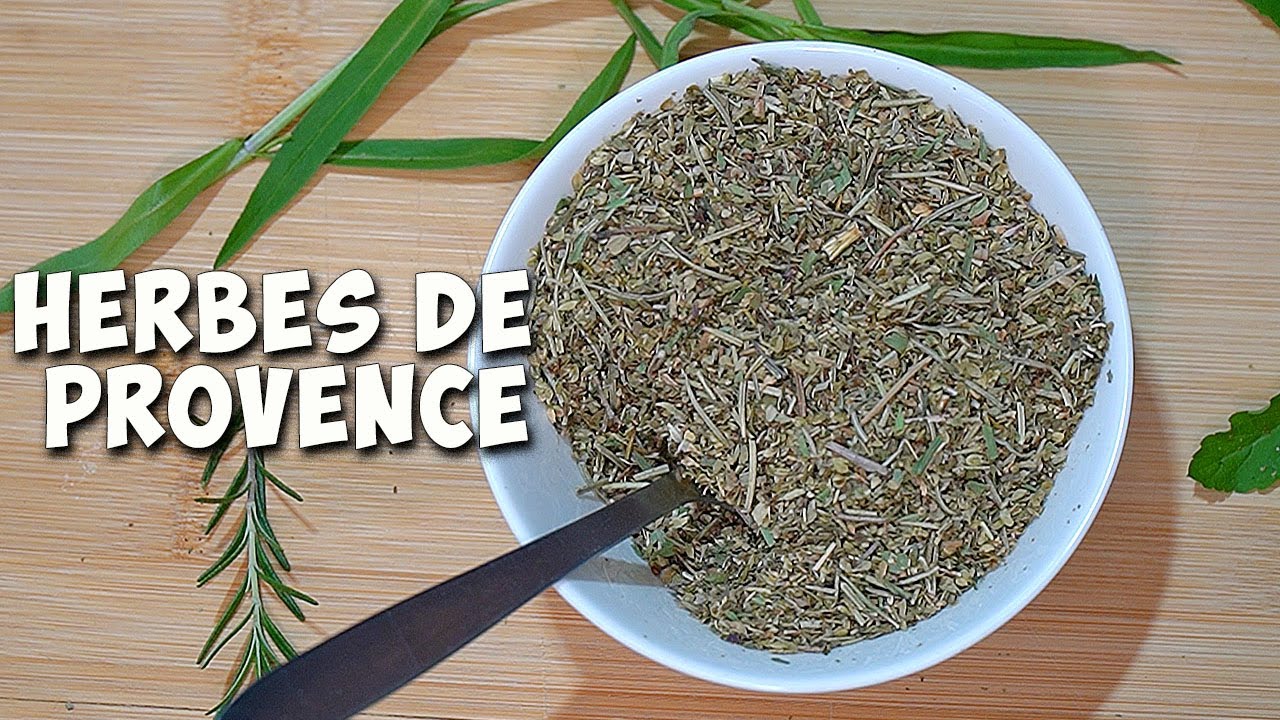
Herbs de Provence Recipe: If you’ve ever wandered into a French kitchen, chances are high you’ve caught a whiff of something aromatic and earthy dancing in the air. That’s likely Herbs de Provence, a fragrant blend of dried herbs that brings the flavor of southern France right into your kitchen. Traditionally used in Provençal cuisine, this herbal mix captures the essence of Mediterranean summers—sun-drenched hills, rustic countryside meals, and meals prepared with care and intention.
The origin of Herbs de Provence dates back centuries, before it became popularized in global cuisine. While there isn’t one exact recipe, the combination typically includes thyme, rosemary, savory, and oregano—each playing its own unique role in adding warmth and depth to meats, vegetables, stews, and more.
In this guide, we’re going all in. You’ll learn exactly what goes into a traditional mix, how to tweak it to your liking, and how to make it at home step-by-step. No more bland meals or relying on store-bought blends filled with fillers and preservatives. Ready to elevate your seasoning game? Let’s get into it.
List of Ingredients You’ll Need
To get started on your Herbs de Provence journey, you’ll first need to gather the right ingredients. The beauty of this blend lies in its simplicity—and flexibility. Here’s what you’ll need to create the classic mix and some options if you want to go a little gourmet.
Core Traditional Herbs:
- Dried Thyme: Earthy, slightly minty, and incredibly versatile.
- Dried Rosemary: Woody and pine-like, adds boldness to any dish.
- Dried Savory: A peppery herb often compared to thyme but more robust.
- Dried Oregano: Pungent and slightly bitter—balances out floral tones.
- Dried Marjoram: Sweet and delicate with a citrus undertone.
Optional Additions (Modern Twists):
- Dried Lavender Buds: Adds a floral note—very French, but optional!
- Dried Basil: Sweet and fragrant, perfect for tomato-based dishes.
- Fennel Seeds: Adds a licorice-like sweetness.
- Tarragon: Subtle and anise-like, great for fish dishes.
- Bay Leaf (crushed): Deepens flavor in long-simmered meals.
Ingredient Tips:
- Use dried herbs for best shelf life.
- Choose organic herbs if possible—free from pesticides.
- Smell each herb before using—if it doesn’t smell strong, it won’t taste strong either.
Where to Buy:
- Local herb shops
- Health food stores
- Online marketplaces like Mountain Rose Herbs or Amazon
Freshness matters. The more aromatic the herbs, the better your final blend will be.
Benefits of Making Your Own Herbs de Provence
Let’s be real—why buy when you can DIY something this easy and flavorful? Making your own Herbs de Provence blend isn’t just a fun kitchen project; it actually gives you a leg up in so many ways.
1. Total Flavor Control
When you mix your own herbs, you’re in full control. Hate too much rosemary? Use less. Love that floral lavender finish? Add more! Everyone’s taste buds are different, and homemade lets you adjust the ratio to match your personal preference. You’ll never have to settle for a store-bought blend that feels “off” again.
2. No Fillers, No Additives
A lot of commercial spice blends sneak in anti-caking agents, salt, or even artificial flavors. When you go homemade, you skip all the junk. Just pure, potent herbs—that’s it. It’s also a great option if you’re watching your sodium intake or looking for a clean-eating lifestyle.
3. Save Money Over Time
Buying pre-made Herbs de Provence in tiny jars can get pricey. But when you buy herbs in bulk—or grow and dry your own—you save big. A single purchase of dried herbs can make several batches, especially if you’re smart about storage.
4. Longer Shelf Life
You’re making this blend from fresh dried herbs, which means they haven’t been sitting on a store shelf for a year already. With proper storage, your homemade Herbs de Provence can stay fragrant and flavorful for up to a year.
5. Gift-Worthy Goodness
Who doesn’t love a handmade gift? Bottle your blend in small glass jars, slap on a cute label, and voilà—you’ve got a thoughtful, flavorful present that food lovers will adore.
Once you realize how easy and rewarding it is to make your own spice blends, it’s hard to go back to store-bought. Herbs de Provence is a perfect starter project—and an absolute kitchen staple.
Step-by-Step Guide to Making Herbs de Provence
Ready to get your hands (slightly) dirty? Here’s how to make your very own batch of Herbs de Provence in under 10 minutes. Yes—seriously!
Step 1: Gather Your Herbs
First, collect all your herbs in their dried form. Use airtight bags or containers to keep everything fresh while you prep.
Here’s a basic recipe to start with:
- 2 tablespoons dried thyme
- 2 tablespoons dried marjoram
- 1 tablespoon dried rosemary
- 1 tablespoon dried savory
- 1 tablespoon dried oregano
- 1 teaspoon dried lavender flowers (optional but traditional in some versions)
Step 2: Measure Accurately
Use measuring spoons to portion out each herb. Getting the ratios right matters, especially if you want balance in flavor. Feel free to tweak amounts if you’re building a custom blend.
Step 3: Mix Gently
Place all your measured herbs in a bowl. Stir gently with a spoon or whisk until evenly combined. If you want a finer texture, transfer the mix to a spice grinder or mortar and pestle and pulse a few times. Don’t over-grind—it’s meant to stay coarse, not powdery.
Step 4: Store Properly
Transfer your herb mix into an airtight glass jar or tin. Label it with the name and date. Store it in a cool, dark place away from sunlight and moisture. A pantry or cupboard works great.
Step 5: Shake Before Use
Because some herbs are heavier than others (looking at you, rosemary), give your jar a good shake before using. That way, each scoop includes a little bit of everything.
And there you have it! Your very own jar of culinary magic.
Traditional Herbs Used in the Blend
Now let’s dive into the stars of the show—these are the herbs that make Herbs de Provence what it is. Each one brings its own flavor, aroma, and personality to the blend.
Thyme
Thyme is earthy, slightly minty, and highly aromatic. It’s the backbone of many Mediterranean dishes and helps ground the mix with its classic herbal tone. It pairs well with meats, potatoes, and tomato-based recipes.
Rosemary
This one brings that unmistakable pine-like scent and flavor. A little goes a long way, but it’s essential for hearty dishes like roasts and stews. It adds depth and warmth.
Savory
Not as commonly found in everyone’s spice rack, savory has a peppery and slightly spicy profile. It boosts the blend’s complexity and works wonderfully in bean dishes and stuffing.
Oregano
Bold and slightly bitter, oregano gives the mix a punch. It’s especially great for grilled meats and Mediterranean veggies. Fun fact: it’s often used in pizza seasoning too!
Marjoram
Marjoram is oregano’s sweeter, more delicate cousin. It balances the sharpness of oregano with a softer, citrus-like touch, making the overall blend more rounded.
These herbs work together in harmony to bring bold, earthy, and slightly floral notes to your food. Once you use this combo, you’ll wonder how you ever cooked without it.
Optional Additions for Flavor Variety
Once you’ve mastered the traditional blend, it’s time to get creative. Think of Herbs de Provence as a canvas—you can add depth, sweetness, or even a floral punch with just a few tweaks. Here are some optional herbs you can include to give your version a unique twist.
Lavender Flowers
Probably the most iconic optional herb in the mix. Not all versions of Herbs de Provence include lavender, but the ones that do are unmistakably “French.” It adds a floral, almost sweet perfume to the blend. Use sparingly—too much, and your blend could start tasting like a soap bar.
Basil
Sweet, fresh, and aromatic. Adding basil gives your blend a softer, garden-fresh feel. It’s perfect if you use Herbs de Provence in tomato sauces or pizzas.
Bay Leaf (Crushed)
Adding dried and crushed bay leaves enhances the woodsy depth of the mix. It’s subtle but excellent for slow-cooked meals like stews or braised meats.
Fennel Seeds
With a slight licorice taste, fennel seeds add complexity and sweetness. Use in moderation—it can easily dominate the blend.
Tarragon
A soft, anise-like herb that plays really well with fish, eggs, and chicken. It’s a great addition if you want a slightly sweet, slightly peppery flavor profile.
Chervil or Dill (Less Common)
These aren’t traditional, but if you’re using the blend for seafood or spring dishes, chervil and dill can bring in a light, bright flavor that feels refreshing.
You can tailor your Herbs de Provence depending on your regular dishes. If you do a lot of grilling, go heavier on the rosemary and thyme. For roasted vegetables or fish, lavender and tarragon add a beautiful touch. Trust your nose and taste buds—they’ll guide you to your perfect mix.
Understanding Flavor Profiles
Creating a balanced herb blend is a bit like composing music—each note has to complement the others. To do that right, it helps to understand the flavor profiles of each ingredient in Herbs de Provence.
Here’s a breakdown of what each herb contributes:
| Herb | Flavor Profile | Effect on Blend |
|---|---|---|
| Thyme | Earthy, slightly minty, herbaceous | Adds structure and depth |
| Rosemary | Pine-like, woody, bold | Provides warmth and intensity |
| Savory | Peppery, slightly spicy | Offers a mild kick and enhances meat flavors |
| Oregano | Bitter, pungent | Balances sweetness and adds complexity |
| Marjoram | Sweet, citrusy, floral | Softens the blend with a hint of brightness |
| Lavender (opt.) | Floral, sweet, aromatic | Lends perfume-like delicacy |
| Basil (opt.) | Sweet, fresh, clove-like | Adds sweetness and roundness |
| Fennel (opt.) | Licorice, sweet | Brings a hint of sweetness |
| Tarragon (opt.) | Slightly sweet, anise-like | Provides a clean, refreshing finish |
Balancing Tips:
- Want a stronger flavor? Increase rosemary and thyme.
- Prefer a lighter blend? Use more marjoram and basil.
- Going for a floral note? Add a touch of lavender and tarragon.
The magic is in the balance—no one herb should dominate. When all the flavors come together harmoniously, your blend will feel complete, complex, and incredibly aromatic.
Tools You’ll Need
You don’t need a fully equipped kitchen to make your own herb blend. A few simple tools will do the trick—and make your process smoother and cleaner.
1. Mortar and Pestle (or Spice Grinder)
If you prefer a finer texture, these tools help break down larger herb pieces like rosemary or fennel seeds. A spice grinder can give you a consistent grind, while a mortar and pestle offer more control.
2. Mixing Bowl
Use a medium-sized, clean bowl to mix your herbs evenly. Stainless steel or glass bowls work best to avoid absorbing flavors.
3. Measuring Spoons
Consistency is key. Use accurate measuring spoons so your blend has the same flavor every time you remake it.
4. Airtight Containers
Glass jars with tight-fitting lids are ideal for storing your blend. Mason jars, recycled spice jars, or metal tins also work well. Avoid plastic containers—they can absorb and alter the aroma over time.
5. Labels and Marker
Don’t skip this step! Label your jar with the date and name of the blend. Herbs can lose potency over time, so it helps to know when it was made.
Optional but fun: Use a small funnel for pouring herbs into jars. It makes the process mess-free and satisfying.
Storage Tips for Maximum Freshness
Once you’ve made your beautiful batch of Herbs de Provence, storing it the right way is just as important as the ingredients themselves. Why? Because herbs are delicate. Exposure to air, light, and moisture can quickly strip them of their essential oils—what gives them their flavor and aroma.
Here’s how to store your homemade blend like a pro:
Use Airtight Containers
Glass jars with tight-sealing lids are your best friend. Mason jars, small Weck jars, or recycled spice bottles all work perfectly. Just make sure the seal is tight so no air sneaks in. If air gets in, the herbs start to lose their strength over time.
Avoid Clear Glass—Or Store in a Dark Spot
Light is the enemy of freshness. If your container is clear, keep it in a dark cabinet or pantry. Alternatively, use amber or dark-colored jars that block out light. This helps preserve the flavor and color of your herbs longer.
Keep It Cool and Dry
Humidity is a big no-no when it comes to dried herbs. Never store your blend near the stove, oven, or sink. Instead, find a cool, dry spot like a spice drawer or pantry shelf. A temperature range of 60–70°F (15–21°C) is ideal.
Don’t Store Above the Stove
Yes, we know it’s convenient. But the heat and steam from cooking can degrade the herbs fast. If your kitchen gets especially humid, consider storing your herbs in a cupboard with a little silica gel pack (the kind found in vitamin bottles) to keep moisture at bay.
Label with Date
Always, always date your jar. While dried herbs don’t spoil like milk or bread, they do lose potency. Most herb blends are best used within 6–12 months. After that, the flavors start fading.
Quick Tip: If your blend starts to lose its smell or tastes weak when cooked, it’s time to make a fresh batch.
Taking a few extra minutes to store your Herbs de Provence properly makes a huge difference in how your dishes will taste. Freshness equals flavor—simple as that.
How to Use Herbs de Provence in Cooking
Now that your jar is filled and ready, it’s time to put those herbs to work! Herbs de Provence is one of the most versatile blends out there. It pairs beautifully with a wide variety of dishes—especially if you’re into rustic, hearty, and flavorful meals.
Here are some of the best ways to use Herbs de Provence in your everyday cooking:
1. Rub on Meats Before Grilling or Roasting
This blend is amazing on poultry, lamb, pork, and even beef. Just sprinkle a generous amount onto the meat, add olive oil, salt, and pepper, and let it marinate. Roast or grill for an aromatic, herbaceous flavor.
2. Sprinkle on Roasted Vegetables
Toss carrots, potatoes, zucchini, or bell peppers with olive oil and a teaspoon of your herb blend. Roast until golden—your kitchen will smell like heaven.
3. Stir into Soups and Stews
Want to elevate your soups, especially bean-based or tomato-heavy ones? A spoonful of Herbs de Provence adds instant depth and richness.
4. Use in Marinades and Dressings
Mix it into olive oil, vinegar, mustard, and garlic for an herb-packed vinaigrette or marinade. It also blends beautifully into yogurt or sour cream for creamy sauces.
5. Add to Breads or Butters
Mix into softened butter to make a herbed spread for baguettes or crusty sourdough. Or knead into bread dough before baking for a savory, aromatic loaf.
6. Flavor Omelets and Scrambled Eggs
Eggs and herbs? Yes, please. Just a pinch adds depth and brightness without overpowering.
7. Boost Rice, Quinoa, or Couscous
Tired of bland grains? Add Herbs de Provence during cooking, or stir it in at the end with olive oil or butter.
8. Season Popcorn or Snacks
Feeling adventurous? Sprinkle a tiny bit onto warm popcorn with some garlic powder and sea salt. Unexpected, but delicious!
It’s truly a do-it-all blend. If a recipe calls for Italian seasoning or a generic herb mix, swap in your homemade Herbs de Provence—you might just discover a new favorite twist.
Common Recipes That Use Herbs de Provence
Want to dive into real cooking with your new herb blend? These recipes are perfect starting points. They’re flavorful, easy, and designed to showcase the power of Herbs de Provence.
1. Herb-Crusted Roast Chicken
- Rub a whole chicken with olive oil, salt, pepper, garlic, and 2 tablespoons of Herbs de Provence.
- Roast until golden and crispy.
- Serve with roasted root vegetables for a full French bistro experience.
2. Ratatouille (Classic French Vegetable Stew)
- Saute eggplant, zucchini, bell peppers, and tomatoes in olive oil.
- Add garlic and a generous sprinkle of your herb blend.
- Simmer until vegetables are tender and flavors meld together.
- It’s delicious on its own or served over rice or crusty bread.
3. Grilled Fish with Herb Rub
- Coat white fish (like cod or halibut) with olive oil, lemon juice, and Herbs de Provence.
- Grill or bake until flaky.
- Top with a squeeze of lemon and enjoy.
4. Herby Roasted Potatoes
- Toss potatoes with olive oil, salt, garlic, and a tablespoon of your herb blend.
- Roast at 425°F (220°C) until crispy.
- Add a sprinkle of Parmesan for extra flair.
5. Provencal Vegetable Galette
- Layer thinly sliced tomatoes, zucchini, and red onions in a pastry shell.
- Season with Herbs de Provence and a bit of goat cheese.
- Bake until golden—flaky, savory perfection.
Each of these recipes shines with the rustic, aromatic quality of your homemade blend. Once you try a few, you’ll probably start tossing it into everything—soups, pastas, eggs, even grilled cheese.
Tips for Customizing Your Blend
One of the best parts about making your own Herbs de Provence is the freedom to tweak it to your liking. While traditional blends follow a basic structure, your kitchen, your rules. Want it stronger? Sweeter? Spicier? You’ve got options.
Here are some smart tips for customizing your perfect herb blend:
1. Adjust the Ratios
Start with the classic mix, then taste and smell as you go. For example:
- Prefer a more floral aroma? Increase lavender or marjoram.
- Want a stronger punch? Add more rosemary and oregano.
- Need it subtle and mellow? Go heavier on thyme and basil.
A tiny tweak—just a half teaspoon more or less—can completely change the profile.
2. Make It Salt-Free or Add Salt
Most store-bought seasoning mixes include salt. That’s not necessarily a bad thing, but if you want full control over your sodium intake, skip the salt entirely in your homemade version.
On the other hand, if you’re using the blend as a finishing seasoning, a pinch of sea salt or kosher salt in the mix can be delicious. Just remember: once you add salt, your blend becomes a seasoning, not just herbs.
3. Create a Spicy Variation
Want to give your herb blend a bit of fire? Try mixing in:
- Crushed red pepper flakes
- Ground white pepper
- A pinch of cayenne
These give your Herbs de Provence a modern edge, great for grilling or bold stews.
4. Blend for Specific Cuisines
Yes, Herbs de Provence is French—but it can flex. Want a more Mediterranean version? Add a touch of lemon zest or dried parsley. Cooking for Middle Eastern flavors? Toss in sumac or coriander. You can even make a version tailored to grilled veggies or oven-baked bread.
5. Make a Smoky Version
For those who love BBQ and grilled dishes, add a bit of smoked paprika or dried chipotle powder. It adds a subtle smoky undertone that pairs beautifully with meats.
6. Grind or Keep It Coarse
Want a fine powder for rubs and sauces? Use a spice grinder. Prefer a more rustic texture? Just hand-mix and store. Both are correct—it all depends on how you like to cook.
Customizing your blend is about more than taste—it’s about making something that fits you. So get playful. Make a small batch, taste-test, and tweak until it’s just right.
Dried vs Fresh: Which Is Best for Homemade Blends?
A common question among home cooks is whether they can use fresh herbs in place of dried ones for their Herbs de Provence blend. Let’s break it down.
Dried Herbs: The Clear Winner for Blends
Why?
- Dried herbs are shelf-stable.
- They concentrate flavor—meaning you use less for more impact.
- They mix and store well in jars without moisture issues.
When you make a herb blend like Herbs de Provence, you need it to last. Dried herbs can sit in your pantry for up to a year if stored properly. That’s not just convenient—it’s efficient.
Fresh Herbs: Great for Immediate Use
Fresh herbs are amazing—but not for spice blends meant for storage. Here’s why:
- Fresh herbs contain water, which can spoil the mix.
- They don’t mix evenly in dried formats.
- They must be used quickly—within days, not months.
However, you can use fresh herbs to mimic Herbs de Provence in a marinade or rub. Just chop them finely and use immediately with oil or lemon juice.
Pros & Cons Summary Table
| Type | Pros | Cons |
|---|---|---|
| Dried | Long shelf life, concentrated flavor, easy to mix | Can lose potency over time if not stored well |
| Fresh | Bright flavor, great for garnishes or fresh dishes | Short shelf life, unsuitable for dry blends |
Final verdict: If you’re making a blend to keep, go with dried. If you’re cooking a dish today and have fresh herbs on hand, absolutely use them—but don’t try to jar them up.
Mistakes to Avoid
Even though making Herbs de Provence is simple, a few missteps can ruin the final result. Let’s cover the most common mistakes and how to steer clear of them.
1. Using Old, Stale Herbs
This is the #1 offender. If your dried herbs are faded in color and lack smell, toss them. They won’t add flavor—just bitterness or blandness. Always start with fresh, aromatic herbs.
2. Over-Grinding the Mix
Herbs de Provence is supposed to be slightly coarse. If you grind it into powder, it can lose the layered texture and smell overly “green.” Use a light hand or skip grinding altogether.
3. Skipping the Label and Date
Think you’ll remember when you made that jar? You won’t. Labeling your blend helps track freshness and ensures you’re always using the best-tasting version.
4. Improper Storage
Avoid plastic bags, heat, and sunlight. If your herbs are exposed to air and moisture, they’ll go stale or moldy. Always use airtight jars and store in a cool, dark space.
5. Adding Too Much Lavender
Lavender is potent. Add it carefully, and taste as you go. Overdoing it can make your blend taste perfumey instead of savory.
6. Using Salt When You Shouldn’t
Salt is okay in some versions, but not all. If you’re using the blend in a dish that already includes salt (like soup stock), it’s better to leave it out of the herb mix.
7. Not Tasting Before Using
Before you season a whole dish with your homemade blend, taste it first! Dip a piece of bread in olive oil and sprinkle the herb mix on top to see how it behaves in real-world eating.
Avoiding these simple errors ensures your homemade Herbs de Provence lives up to its full flavor potential—and doesn’t end up buried at the back of your spice shelf.
Buying vs Making: Which One Wins?
When it comes to Herbs de Provence, the big question is: Should you just grab a jar off the store shelf or mix it up yourself at home? Let’s break it down and see which option truly comes out on top.
Store-Bought: The Convenient Option
There’s no denying it—buying pre-made Herbs de Provence is quick and easy. You can find it at nearly any grocery store or online retailer. Just pop it in your cart and you’re done. But let’s take a closer look:
Pros of Store-Bought:
- Super convenient
- Often available in different sizes and versions
- No prep or measuring required
Cons of Store-Bought:
- Lack of freshness – Some jars may have been on shelves for months (or years!)
- Low customization – You’re stuck with their formula, even if it doesn’t suit your taste
- Possible additives – Salt, preservatives, or anti-caking agents may be included
- Higher cost over time – Smaller jars = more frequent buying
Homemade: The Fresh and Flexible Favorite
Making your own blend gives you the ultimate say in what goes into your food. Plus, it’s fresher, more customizable, and honestly… kind of fun.
Pros of Homemade:
- Custom flavors tailored to your liking
- Guaranteed freshness with hand-picked ingredients
- More economical in the long run, especially if you buy herbs in bulk
- No hidden ingredients – You know exactly what’s in it
Cons of Homemade:
- Requires a small time investment
- You’ll need to buy and store multiple herbs
- Slight learning curve if it’s your first time blending
Cost Comparison
Let’s talk money. A 1.5 oz jar of store-bought Herbs de Provence may cost $5 to $8. In contrast, buying herbs in bulk and mixing your own can yield five times that amount for the same price—or less—especially if you already have a few of the herbs on hand.
The Verdict
Unless you’re in a serious rush or only planning to use it once, homemade Herbs de Provence is the clear winner. You get better flavor, more control, and a sense of accomplishment. Once you try it, you’ll never go back to the store-bought version again.
FAQs about Herbs de Provence Recipe
1. Can I use fresh herbs instead of dried in Herbs de Provence?
Fresh herbs are best used in marinades or short-term recipes. For a traditional, storable blend, always use dried herbs. Fresh herbs have moisture and won’t store well in a jar.
2. What dishes pair best with Herbs de Provence?
It’s perfect for roasted meats, grilled fish, vegetable medleys, stews, soups, and even breads. Basically, any savory dish that needs depth and aroma.
3. Is lavender necessary in Herbs de Provence?
Not at all! Some traditional French blends don’t include lavender. It’s optional and depends on your flavor preference. Use a light hand if you add it—too much can overwhelm the blend.
4. How long can I store the homemade mix?
Stored properly in a cool, dry, and dark place, your Herbs de Provence will stay fresh and flavorful for up to 12 months. Always label the jar with the date of mixing.
5. Can I gift this blend?
Absolutely! It makes a thoughtful, homemade gift. Package it in a small jar or tin, add a label and a recipe card, and you’ve got a charming gift for any food lover.
Conclusion
There’s something undeniably magical about Herbs de Provence. This humble blend of herbs carries the soul of southern France—sun-drenched fields, rustic meals, and slow, thoughtful cooking. Whether you’re roasting a chicken, grilling vegetables, or simmering a hearty stew, this aromatic mix brings your dishes to life with its earthy, floral, and savory notes.
Making your own version at home isn’t just easy—it’s empowering. You get to choose your flavors, avoid unnecessary additives, and save money along the way. Plus, once you’ve made a batch and used it in your cooking, you’ll wonder how you ever lived without it.
So take a few minutes to mix your own. Trust your senses. Smell, taste, and tweak. Your kitchen (and your taste buds) will thank you. And once you’ve tried homemade Herbs de Provence, you’ll see—it’s not just a seasoning. It’s an upgrade to your entire cooking game.