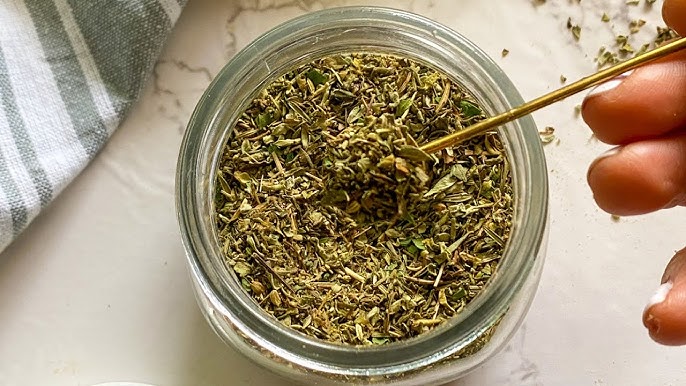
Herbs de Provence Recipe: Herbs de Provence is a beautiful, aromatic blend of dried herbs that brings the essence of the French countryside straight into your kitchen. It’s a staple in French cuisine, often used to season everything from roasted meats and grilled vegetables to soups and stews. This mixture is earthy, fragrant, and slightly floral, making it an incredibly versatile seasoning.
Typically, Herbs de Provence includes a mix of herbs like thyme, rosemary, oregano, and marjoram. Some versions add lavender, which adds a subtly sweet and floral note that pairs wonderfully with roasted dishes. The blend not only elevates flavors but also gives a rustic, herbaceous character to meals that’s hard to replicate with any other seasoning.
What’s amazing about Herbs de Provence is that you can make it right at home using ingredients that are likely already in your pantry. Making your own blend ensures freshness, allows customization, and can save you money in the long run.
Origins and History
The name “Herbs de Provence” may sound fancy, but it simply refers to the herbaceous blend traditionally used in the Provence region of southeastern France. Although it’s now widely recognized in modern kitchens, the commercial blend as we know it only became popular in the 1970s.
Before that, cooks in Provence used whatever fresh herbs were available in their gardens. The original versions were far more flexible and often tailored to personal taste. Over time, the blend was standardized for commercial purposes, making it easier for chefs and home cooks to access this delightful flavor profile year-round.
Interestingly, the addition of lavender—often seen as the signature of Herbs de Provence in North America—wasn’t traditionally used in the original French version. However, it adds a unique twist that many modern recipes embrace, especially in the U.S.
Common Ingredients in Herbs de Provence
The Core Herbs
The heart of any good Herbs de Provence mix lies in its core ingredients. While there can be some variation, the following herbs are typically considered essential:
- Thyme: Earthy and slightly minty, thyme is the backbone of the blend.
- Rosemary: Woody and piney, it adds a bold aroma and flavor.
- Marjoram: Mild and sweet, it softens the intensity of rosemary and thyme.
- Oregano: Robust and slightly bitter, oregano gives a depth that balances the blend.
- Savory: A lesser-known herb but essential for authenticity; it’s peppery and earthy.
These herbs are usually dried and then crushed or ground to a uniform texture. The combination of these ingredients results in a deeply aromatic mixture that enhances a wide variety of dishes.
Each of these herbs brings something unique to the table. For example, thyme and rosemary can stand up to high heat, making them perfect for roasting. Marjoram and oregano work well in tomato-based dishes, infusing them with classic Mediterranean flair.
Optional Additions for Custom Blends
One of the best things about making Herbs de Provence at home is the flexibility. You can start with the core herbs and then add in others to suit your personal preferences or the needs of a specific recipe. Here are some popular additions:
- Lavender Flowers: Not traditional but increasingly popular, lavender adds a floral note.
- Basil: Sweet and pungent, basil can enhance pasta sauces and grilled veggies.
- Tarragon: Slightly licorice-like, it pairs well with chicken and fish.
- Bay Leaves: Usually added whole and removed before serving, bay leaves provide a deep, slow-developing flavor.
- Fennel Seeds: These add a hint of sweetness and a subtle licorice flavor.
Feel free to experiment with your own versions. Some people like to create different blends for specific dishes—like one for poultry, one for vegetables, and one for seafood.
By customizing your Herbs de Provence, you can cater to dietary restrictions, flavor preferences, or even create your own signature house blend.
Benefits of Using Herbs de Provence
Culinary Advantages
Using Herbs de Provence in your cooking can truly elevate your dishes. It offers a consistent and balanced herbal flavor that complements a wide array of foods. Whether you’re roasting chicken, grilling fish, or simmering a tomato sauce, a pinch of this herb blend can make all the difference.
One of the main culinary advantages is its versatility. Herbs de Provence works equally well in dry rubs, marinades, dressings, and even infused oils. The herbs are robust enough to stand up to slow cooking and roasting without losing their potency.
Moreover, it saves time. Instead of pulling out five different herb jars every time you cook, you can simply use one pre-mixed blend. It simplifies your spice rack and makes your cooking more efficient and flavorful.
Health Benefits
Beyond taste, Herbs de Provence also brings several health benefits, thanks to its rich mix of antioxidant and anti-inflammatory herbs. Here are a few highlights:
- Thyme and rosemary have antibacterial and antimicrobial properties.
- Oregano is high in antioxidants, which may help combat oxidative stress.
- Savory is known for aiding digestion and alleviating stomach discomfort.
- Marjoram may help regulate blood pressure and support heart health.
When you make your own blend, you can ensure it’s organic, non-GMO, and free from additives. That means you’re not just seasoning your food; you’re doing your body a favor too.
Next, we’ll dive into the step-by-step recipe for creating your own perfect batch of Herbs de Provence at home.
How to Make Your Own Herbs de Provence at Home
Step-by-Step Instructions
Making your own Herbs de Provence is not only satisfying but also incredibly simple. With just a few dried herbs and a mixing bowl, you’ll have a flavorful blend ready to elevate your meals. Here’s a tried-and-true recipe to get you started:
Ingredients:
- 2 tablespoons dried thyme
- 2 tablespoons dried savory
- 2 tablespoons dried marjoram
- 2 tablespoons dried rosemary
- 1 tablespoon dried oregano
- 1 tablespoon dried basil (optional)
- 1 tablespoon dried lavender buds (optional but adds a fragrant floral twist)
- 1 teaspoon fennel seeds (optional)
Instructions:
- Measure Accurately: Use dry measuring spoons for all ingredients to keep proportions consistent. Precise ratios ensure the flavors balance perfectly.
- Crush Large Herbs: If using rosemary or lavender buds, crush them slightly using a mortar and pestle. This helps release their essential oils and makes for a more even blend.
- Combine Ingredients: Place all the herbs in a mixing bowl. Stir gently but thoroughly to ensure the herbs are evenly distributed.
- Check the Texture: The mixture should be coarse but uniform. If you want a finer texture (ideal for spice shakers), pulse it briefly in a spice grinder.
- Store Properly: Transfer your blend into an airtight container like a glass jar with a screw-top lid. Label it with the name and date.
And that’s it! You now have a jar of freshly blended Herbs de Provence that you can proudly say you made yourself. This blend is great for gifting too—just add it to a small mason jar, tie with a ribbon, and include a usage suggestion tag.
Tools You’ll Need
Creating your own Herbs de Provence doesn’t require fancy kitchen gear, but having the right tools can make the process smoother and more efficient. Here’s what you’ll need:
- Measuring spoons: Accuracy matters in blending, especially when balancing strong flavors like rosemary or fennel.
- Mixing bowl: A medium-sized bowl works great for combining and stirring herbs evenly.
- Mortar and pestle or spice grinder: Helpful for breaking down tougher herbs and releasing more flavor.
- Glass jar or spice container: Airtight containers preserve freshness and flavor over time. Glass is preferred because it doesn’t absorb smells.
- Label and marker: Always label your homemade blends to track freshness and avoid confusion later.
Optional tools include a small funnel for transferring the blend into jars without spilling and parchment paper for an easy mixing surface.
Creating your own herb blend at home is not just a culinary win—it’s a step toward mastering your spice rack. You’ll save money, avoid additives, and enjoy a fresher, more aromatic result than store-bought alternatives.
Storing and Preserving Herbs de Provence
Best Storage Practices
Storing Herbs de Provence properly ensures that your homemade blend maintains its potency and freshness for as long as possible. Here are the best practices to follow:
- Keep it Airtight: Always store the blend in an airtight container. Oxygen exposure can cause herbs to lose their flavor faster.
- Avoid Light and Heat: Store the container in a cool, dark place—like a spice cabinet or pantry. Sunlight and heat degrade the essential oils in herbs, reducing their flavor.
- Glass is Best: Glass jars are non-reactive and don’t absorb the oils or odors of herbs. They’re your best bet for preserving flavor.
- Avoid Moisture: Never use wet spoons or store herbs near the stove where steam is present. Moisture is the enemy—it can cause mold or spoilage.
Herbs should be shaken occasionally to keep them loose and to check for signs of clumping, which might indicate moisture has entered the jar.
Shelf Life and Freshness Tips
When properly stored, Herbs de Provence can last up to 12 months. However, their flavor will begin to fade after six months, especially if exposed to air, heat, or light.
Here are some tips to keep them as fresh as possible:
- Label the Date: Always mark the jar with the creation date.
- Do a Smell Test: If the blend starts to lose its aroma, it’s time to refresh the herbs.
- Don’t Overbuy: Make small batches more frequently to ensure maximum freshness.
A good rule of thumb: if the blend smells weak or lacks its original color, it’s probably lost its magic. That’s your sign to whip up a new batch.
Creative Ways to Use Herbs de Provence
Everyday Cooking Ideas
Now that you’ve got your homemade blend of Herbs de Provence, how can you put it to good use? This seasoning is a real multitasker and can be used in countless dishes. Let’s look at some creative and delicious ways to bring it into your everyday cooking.
- Roasted Chicken: Rub your chicken with olive oil, sprinkle generously with Herbs de Provence, salt, and pepper, and roast until golden and juicy. The herbs infuse the meat with an earthy, aromatic flavor.
- Grilled Vegetables: Toss sliced zucchini, bell peppers, eggplant, and onions with olive oil and Herbs de Provence before grilling. This brings out their natural sweetness while adding a savory herbal punch.
- Potatoes & Fries: Sprinkle the blend over roasted or air-fried potatoes for a gourmet twist. Add garlic and parmesan for extra flair.
- Soups & Stews: Add a teaspoon to vegetable soups, chicken stews, or even lentil dishes. It enhances depth and gives a rustic French vibe.
- Eggs & Omelets: A pinch of Herbs de Provence stirred into scrambled eggs or sprinkled into an omelet turns a basic breakfast into something elegant and refined.
- Pasta Sauces: Whether it’s a tomato-based sauce or a creamy garlic blend, adding Herbs de Provence will introduce a balanced, herby flavor profile.
Using this blend regularly can actually help you cut down on added salt or unhealthy condiments, since it adds so much natural flavor. The key is to experiment and trust your taste buds.
Pairing with Proteins and Vegetables
Herbs de Provence pairs beautifully with a wide range of proteins and vegetables. Here’s a quick guide to get the most out of your blend:
Proteins:
- Chicken: Grilled, roasted, or baked—Herbs de Provence brings out the natural flavor of poultry.
- Lamb: Traditional in Provençal cooking, lamb loves bold herbs like rosemary and thyme.
- Fish: Works best with white fish like cod or tilapia. Try pan-searing with butter and a light sprinkle of herbs.
- Pork: Add to pork roasts or sausages for a rustic, Mediterranean flavor.
- Tofu: For vegetarians, marinating tofu in olive oil, garlic, and Herbs de Provence before baking gives it an herbaceous punch.
Vegetables:
- Root Veggies: Carrots, sweet potatoes, and parsnips take on new life when roasted with this blend.
- Tomatoes: Sliced fresh or baked, a sprinkle brings out their natural sweetness.
- Green Beans & Asparagus: Toss with olive oil and Herbs de Provence, then roast or sauté for a simple but elegant side.
This kind of versatility is what makes Herbs de Provence a must-have in your kitchen.
Tips for Perfecting Your Herb Blend
Balancing Flavors
Not all herb blends are created equal. If you want your Herbs de Provence to truly shine, balance is key. Some herbs like rosemary and oregano can easily overpower the mix if not used in moderation.
Here are a few tips:
- Start small with potent herbs like lavender, rosemary, or fennel.
- Add milder herbs like thyme and marjoram in larger amounts for softness and roundness.
- Taste and tweak: Pinch a small amount and rub it between your fingers to smell the aroma. If one herb overpowers the others, adjust the ratio.
- Consider your audience: If you’re cooking for kids or people sensitive to strong flavors, keep the lavender and rosemary on the lighter side.
Blending herbs is like making music—each note should harmonize with the others. Too much of one note, and the whole song sounds off.
Avoiding Common Mistakes
Even though making your own herb blend seems foolproof, there are a few pitfalls to watch out for:
- Using stale herbs: Dried herbs lose potency over time. Make sure your ingredients are fresh and aromatic.
- Skipping the crushing step: Especially with rosemary or lavender, not breaking them up can make your mix too coarse or create uneven flavor distribution.
- Overstoring: Don’t make massive batches unless you’re using them quickly or giving them away. Herbs lose their punch after several months.
- Wrong storage: Leaving your blend exposed to air, light, or moisture can spoil it quickly.
Avoid these mistakes and you’ll have a blend that’s not only flavorful but long-lasting and ready for action whenever inspiration strikes.
FAQs about Herbs de Provence Recipe
Q1: Can I use fresh herbs instead of dried herbs for Herbs de Provence?
A1: While you can use fresh herbs, dried herbs are traditional and offer a more concentrated flavor. Fresh versions are best for short-term use and should be stored in the fridge.
Q2: Is lavender necessary in Herbs de Provence?
A2: Not at all! Lavender is a modern addition popular in North America. Traditional French versions usually exclude it, but it can add a lovely floral note if used sparingly.
Q3: Can I use Herbs de Provence in baking?
A3: Yes! It can be used in savory breads like focaccia, herbed scones, and even to season savory pastries or crackers.
Q4: What’s the best substitute if I run out of Herbs de Provence?
A4: A mix of thyme, rosemary, and oregano works in a pinch. You can also add a bit of basil or marjoram if available.
Q5: How much Herbs de Provence should I use in recipes?
A5: Start with 1 teaspoon per pound of meat or per cup of sauce. You can adjust based on taste and intensity.
Conclusion
Herbs de Provence is more than just a spice mix—it’s a sensory trip to the South of France. Making it at home gives you control over the ingredients, flavor profile, and freshness, all while saving money. Whether you sprinkle it on roasted potatoes, stir it into a hearty stew, or blend it into marinades and dressings, this mix will become your go-to seasoning in no time.
Take the time to create your own blend, experiment in the kitchen, and watch your everyday dishes turn into gourmet experiences. With a little thyme, a touch of rosemary, and a pinch of love, you’ll have a jar of pure French magic at your fingertips.