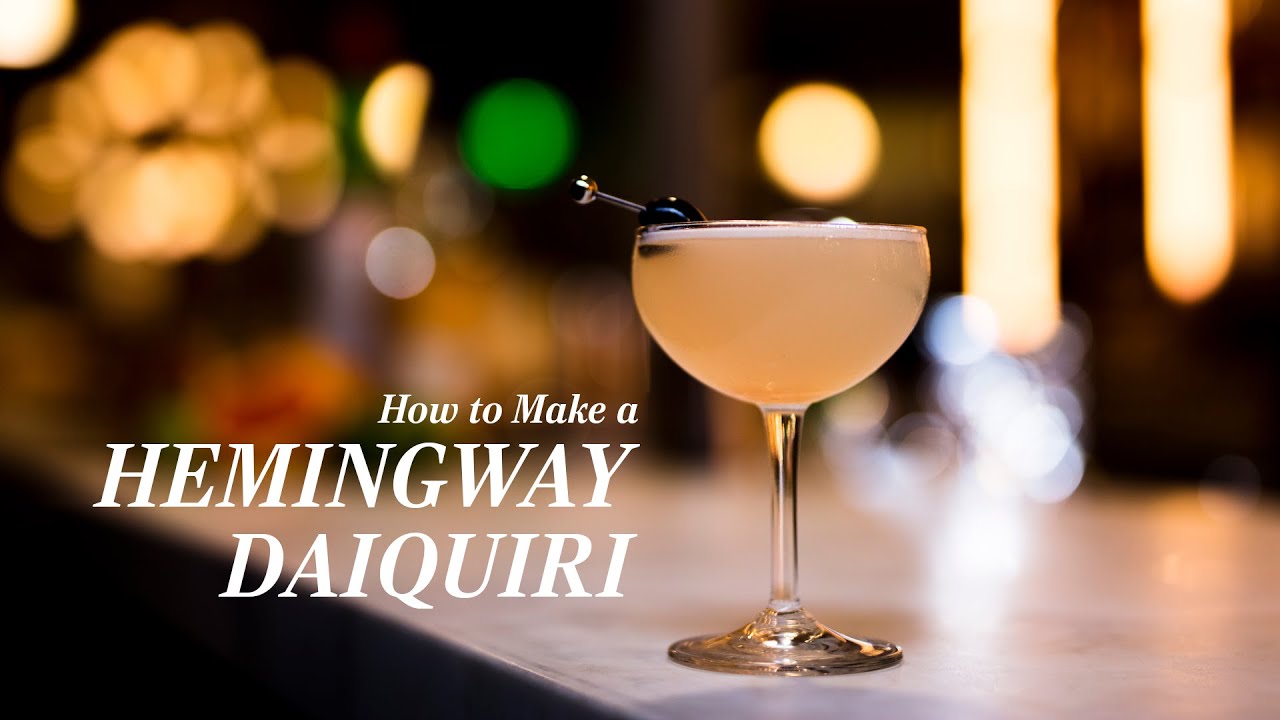
Hemingway Daiquiri Cocktail Recipe: Let’s take a quick trip back to the golden era of cocktails, tropical breezes, and the irresistible charm of Ernest Hemingway. The Hemingway Daiquiri isn’t just another rum-based drink; it’s a cocktail that tells a story—one of adventure, bold taste, and refined simplicity. Created specifically for Hemingway at the famous El Floridita bar in Havana, Cuba, this drink skips the sugar-heavy sweetness of a classic daiquiri and brings in more citrus bite and a touch of complexity with maraschino liqueur.
What makes this drink special? For starters, it’s got Hemingway’s signature preference: strong and not too sweet. It’s light, tart, and refreshingly smooth with a dry edge—just like the man himself. If you’re someone who likes cocktails with a little character (and a cool backstory), the Hemingway Daiquiri deserves a spot in your repertoire.
Whether you’re throwing a tropical-themed party or just looking for something new to shake up on a Friday night, you’re about to learn everything you need to craft the perfect Hemingway Daiquiri—step by step.
Ingredients You’ll Need
Crafting the perfect Hemingway Daiquiri starts with high-quality ingredients. Let’s break down what you’ll need and why each one plays a key role in creating this crisp, citrusy masterpiece:
Primary Ingredients:
- White rum (2 oz) – The backbone of the drink. Choose a clean, smooth white rum (think Flor de Caña, Havana Club, or Bacardi). It provides the boozy kick while keeping things light and tropical.
- Fresh lime juice (¾ oz) – For that zesty tang. Always go fresh. Bottled lime juice just won’t cut it here.
- Fresh grapefruit juice (½ oz) – A subtle bitterness and bright citrus flavor. Ruby red or white grapefruit works—white is more traditional.
- Maraschino liqueur (½ oz) – This cherry-flavored liqueur adds depth and a floral sweetness. Luxardo is the gold standard.
- Simple syrup (¼ oz, optional) – Only if you want to cut a bit of the tartness. Many purists skip it.
Optional Garnish:
- Lime wheel or grapefruit twist – Adds flair and aroma.
Every ingredient serves a purpose. You want the rum’s strength, the lime’s brightness, the grapefruit’s bitterness, and that maraschino complexity to all come together. Freshness is key—especially for the juices.
Tools You’ll Need
You don’t have to be a professional bartender, but having the right tools makes a big difference. Here’s what you’ll need to shake up your Hemingway Daiquiri like a pro:
- Cocktail shaker – Essential for combining and chilling your ingredients quickly.
- Strainer – A Hawthorne strainer or fine mesh strainer ensures no pulp or ice chunks sneak into your glass.
- Jigger or measuring tool – Accuracy matters in cocktail recipes. Eyeballing can ruin the balance.
- Citrus juicer – Trust me, squeezing limes and grapefruits by hand gets old fast.
- Chilled coupe or martini glass – Serve your drink in style. A chilled glass keeps it crisp longer.
No shaker? No problem. You can improvise with a mason jar and a tight-fitting lid. Just make sure you shake hard—this drink loves a good chill.
How to Prepare Your Station
Before diving into mixing, let’s set the stage. A clean and prepped bar area means you’re less likely to mess up mid-pour or forget an ingredient. Here’s how to get your space cocktail-ready:
- Clean your tools and glassware. No one wants residue from last night’s margaritas in today’s Hemingway Daiquiri.
- Juice your fruits in advance. It saves time and keeps your workflow smooth. Store in a small cup or mini pitcher.
- Measure out your ingredients. Line them up in order so you can pour and shake without second-guessing.
- Chill your glass. Pop it in the freezer or fill with ice and water while you prep.
This step may sound “extra,” but it’s what separates a good cocktail from a great one. Your drink should be as cold and clean as the ocean breeze in Havana.
Step-by-Step Guide to Making a Hemingway Daiquiri
Alright, it’s go time. Follow these simple steps and you’ll be sipping in style in no time:
Step 1: Chill Your Glass
Fill your coupe or martini glass with ice water and set aside. This keeps the cocktail cooler for longer and helps preserve its delicate flavors.
Step 2: Measure and Pour Your Ingredients
Grab your shaker and add:
- 2 oz white rum
- ¾ oz fresh lime juice
- ½ oz fresh grapefruit juice
- ½ oz maraschino liqueur
- Optional: ¼ oz simple syrup if you like it slightly sweeter
Pro tip: Add the juices first, then the alcohol. That way, if you mess up a measurement, you’re not wasting the good stuff.
Step 3: Shake It Up
Add ice to the shaker—about two-thirds full—and shake like you mean it for 15-20 seconds. You want it icy cold, with a nice frost on the outside of the shaker.
Step 4: Strain and Serve
Dump the ice water from your glass and strain the cocktail in using your strainer. If you want a super smooth texture, double strain through a fine mesh strainer.
Step 5: Garnish Like a Pro
Top it off with a lime wheel or grapefruit twist. It’s not just for looks—it adds aroma with every sip.
Take a moment to admire your work. It’s light pink, frothy, and smells like vacation.
Tips for a Perfect Hemingway Daiquiri
You’ve got the basic recipe down—but how do you elevate your Hemingway Daiquiri from good to unforgettable? It’s all in the details. Let’s talk tips that can fine-tune your cocktail game.
Balance Is Everything
The Hemingway Daiquiri is a cocktail of contrasts—bitter, sour, slightly sweet, and boozy. If it’s too sour or bitter, you might need to adjust the lime or grapefruit juice. Add a dash of simple syrup if it’s overly sharp. Conversely, if it’s too sweet, ease up on the maraschino liqueur. The right balance makes the flavors dance.
Fresh Juice Is Non-Negotiable
Let’s say it louder for the folks in the back: bottled juice won’t cut it. Freshly squeezed lime and grapefruit juice bring brightness and natural complexity that pre-packaged juice just can’t replicate.
Use Good Ice
Ice isn’t just there to chill—it affects dilution. Poor-quality ice can water down your cocktail too quickly or leave off-flavors. Use large, clean cubes that melt slowly and don’t carry odors from your freezer.
Shake Hard and Fast
This cocktail needs a vigorous shake. Why? You want to properly blend the citrus and chill the drink to the perfect temperature. A good shake gives the Hemingway Daiquiri that silky texture and slight foam on top.
Serve Immediately
This is not a drink you want to let sit. The flavors and chill are best enjoyed right after shaking. If you’re making these for a group, shake each drink fresh for maximum impact.
These tweaks may seem small, but they’re the kind of pro moves that’ll have your friends asking, “Where did you learn to bartend like this?”
Substitutes for Hard-to-Find Ingredients
No maraschino liqueur in your cabinet? Can’t find fresh grapefruit at the store? No worries—we’ve got workarounds.
Maraschino Liqueur Alternatives
- Cherry Heering – Sweeter and richer, but gives you a cherry base.
- Amaretto – Not the same, but if you want complexity and a sweet almond note, it can work.
- Omit it – In a pinch, just leave it out and add a touch of extra simple syrup. It won’t be a true Hemingway Daiquiri, but it’ll still taste good.
Grapefruit Juice Substitutes
- Blood orange juice – Sweeter and darker, with a hint of bitterness.
- Tart pink lemonade – A blend of lemon and sugar that mimics the tanginess (though it adds sweetness).
- Grapefruit soda (like Jarritos or Fresca) – If you’re okay with a fizzier version.
Simple Syrup vs Sugar Syrup
They’re often used interchangeably, but:
- Simple syrup = 1 part sugar + 1 part water
- Rich syrup = 2 parts sugar + 1 part water
If you’re using maraschino liqueur and grapefruit, you probably want to stick to simple syrup or even none at all. Rich syrup can overpower.
Don’t be afraid to get creative—just taste as you go and keep the original flavor balance in mind.
How the Hemingway Daiquiri Differs from the Classic Daiquiri
People often confuse the Hemingway Daiquiri with the classic version, but they’re quite different. Let’s compare the two so you can see what sets Papa’s favorite apart.
| Feature | Classic Daiquiri | Hemingway Daiquiri |
|---|---|---|
| Base Spirit | White rum | White rum |
| Sweetener | Simple syrup | Maraschino liqueur (and optional syrup) |
| Citrus | Lime juice | Lime juice + Grapefruit juice |
| Flavor | Sweet and tart | Tart, dry, with a bitter edge |
| Origin | Early 1900s Cuba | El Floridita, Havana – customized for Hemingway |
The key difference? The classic daiquiri is sweeter and more straightforward. The Hemingway version is layered, drier, and more adventurous—just like the man himself.
The Story Behind the Name
Ernest Hemingway didn’t just stumble upon this drink—it was tailored for him. Known for his love of strong drinks and dislike for overly sweet ones, Hemingway walked into El Floridita in Havana and asked for something bold, refreshing, and sugar-light. The bartenders listened.
The original creation was called “Papa Doble,” referring to his nickname “Papa” and the fact that he liked a double pour of rum. It evolved into what we now call the Hemingway Daiquiri—a drink so unique, it became a signature.
Drinking a Hemingway Daiquiri isn’t just about flavor—it’s about channeling a little piece of history, rebellion, and creativity with every sip.
Best Times to Serve the Hemingway Daiquiri
This cocktail screams summer, but honestly? It’s great any time you need something crisp and refreshing.
Top Occasions to Serve It:
- Beach or poolside parties – It’s tropical, light, and thirst-quenching.
- Dinner parties – Makes an excellent pre-dinner aperitif.
- Brunches – Swap the mimosa for a more sophisticated sipper.
- Book clubs or writer’s groups – Toast to Hemingway while you discuss prose.
Pair it with music, good conversation, or a cigar if that’s your thing. Just don’t overthink it—Papa certainly didn’t.
Mocktail Version for Non-Drinkers
You don’t need alcohol to enjoy the spirit of a Hemingway Daiquiri. Here’s how to make a non-alcoholic version that keeps the character without the booze.
Ingredients for Mocktail Version:
- 2 oz fresh grapefruit juice
- 1 oz fresh lime juice
- ½ oz cherry syrup (or non-alcoholic maraschino syrup)
- ½ oz simple syrup (optional)
- Splash of soda water (for texture)
Instructions:
- Add grapefruit juice, lime juice, cherry syrup, and optional simple syrup to a shaker with ice.
- Shake well and strain into a chilled glass.
- Top with a splash of soda water.
- Garnish with a lime wheel or cherry.
It’s bright, tart, and totally booze-free—perfect for guests of all ages or those avoiding alcohol.
Pairing Suggestions with the Hemingway Daiquiri
The Hemingway Daiquiri isn’t just a standalone showstopper—it also plays incredibly well with food. With its crisp, citrus-forward profile, this cocktail pairs best with light, flavorful dishes that don’t overshadow its elegance.
Best Foods to Pair With:
- Ceviche or seafood tapas – Think shrimp ceviche, tuna tartare, or calamari. The bright acidity of the drink cuts through the richness of seafood like a charm.
- Grilled chicken or fish tacos – Citrus meets smoky—an ideal pairing. Add a pineapple salsa for a flavor match made in heaven.
- Cuban sandwiches – A nod to the drink’s origin. The salty ham and savory pork balance well with the cocktail’s tartness.
- Charcuterie boards – Prosciutto, manchego, olives, almonds—salty snacks love citrusy drinks.
- Fresh fruit and cheeses – Grapes, aged cheddar, brie, and even a few slices of fresh grapefruit or lime to echo the cocktail’s core ingredients.
Sweet Pairings?
Generally, the Hemingway Daiquiri isn’t a dessert cocktail. But if you must, go with citrus-based or berry-forward sweets like lemon tarts, raspberry macarons, or a grapefruit sorbet. Avoid overly sweet desserts—they’ll clash with the drink’s tart edge.
When planning a menu around this drink, think “island lightness meets literary edge.” That’s the vibe.
How to Impress Guests with This Cocktail
Want to look like a cocktail connoisseur at your next gathering? Serve the Hemingway Daiquiri with confidence—and a little flair.
Presentation Tips:
- Use chilled coupe glasses. It screams classy and helps keep the drink cold longer.
- Garnish with purpose. A neatly sliced lime wheel or a grapefruit twist adds an aromatic accent and visual appeal.
- Serve on a cocktail tray. It adds elegance and sets the mood. Pair with small tapas or finger food for bonus points.
- Talk about the backstory. Share a bit of Hemingway’s history and his time in Havana. People love a drink with a story.
You can even make personalized menus or print out a little “Did You Know?” card about the drink’s origin. It’s all about the experience.
Storing Leftover Ingredients
If you’re going all out to gather the ingredients for a Hemingway Daiquiri, you’ll want to know how to keep them fresh for next time. Here’s how to store everything right:
Rum
- Storage: Store upright in a cool, dark place. No refrigeration needed.
- Shelf Life: Indefinite if sealed; once opened, best within 1–2 years for optimal flavor.
Maraschino Liqueur
- Storage: Keep in a cool, dry spot away from sunlight.
- Shelf Life: Nearly indefinite due to high alcohol content. It won’t spoil.
Fresh Juices
- Storage: Store in airtight containers in the fridge.
- Shelf Life:
- Lime juice: 2–3 days max
- Grapefruit juice: 3–5 days
- Pro Tip: Freeze leftover juice in ice cube trays for future cocktails.
Simple Syrup
- Storage: Store in the fridge in a sealed jar or bottle.
- Shelf Life:
- Basic simple syrup: 1 week
- Rich syrup (2:1 sugar to water): 2–3 weeks
The better you care for your ingredients, the better your next round of cocktails will taste. Treat them like royalty.
Why the Hemingway Daiquiri is a Must-Try Cocktail
So why should this be the next cocktail you learn to make? Simple—it’s a drink with soul. The Hemingway Daiquiri is more than rum and citrus; it’s bold yet balanced, simple yet refined. It offers a taste of history, of Cuban sun-soaked afternoons, and literary genius in liquid form.
It’s for people who love cocktails that aren’t too sweet and pack some intrigue. It’s also easy enough to mix at home but impressive enough to make you feel like a seasoned mixologist.
With its unique blend of ingredients and its iconic backstory, the Hemingway Daiquiri isn’t just a cocktail—it’s an experience. And once you’ve had one, you’ll find yourself coming back to it again and again.
FAQs about Hemingway Daiquiri Cocktail Recipe
1. Can I make a Hemingway Daiquiri without maraschino liqueur?
Yes, but you’ll lose some of its signature depth. Try a cherry syrup for a non-alcoholic alternative or a dash of almond liqueur for something similar.
2. What kind of rum works best?
A smooth, high-quality white rum like Flor de Caña, Bacardi, or Havana Club is perfect. Avoid spiced or dark rums—they’ll overpower the citrus flavors.
3. How strong is a Hemingway Daiquiri?
With 2 oz of rum and maraschino liqueur, it’s a strong drink, typically around 18–20% ABV. It’s meant to be sipped, not slammed.
4. Can I batch this cocktail for parties?
Absolutely. Multiply the ingredients and shake in batches, or stir in a pitcher and chill well. Always shake with ice before serving to ensure freshness.
5. What if I don’t like grapefruit?
Try substituting with blood orange juice or a citrus blend. It’ll change the flavor slightly but still keep the cocktail’s spirit alive.
Conclusion
The Hemingway Daiquiri is a cocktail that stands apart—tart, dry, crisp, and completely unforgettable. Inspired by a literary legend and fine-tuned in the heart of Havana, it’s a drink with both flavor and history. Whether you’re sipping it by the beach, mixing it up for friends, or enjoying it solo with a good book, this cocktail brings sophistication and simplicity together in every glass.
Now that you’ve got the ingredients, tools, and know-how, all that’s left is to shake it up and sip it slow. Go ahead—channel your inner Hemingway and enjoy a cocktail that’s as iconic as its namesake.