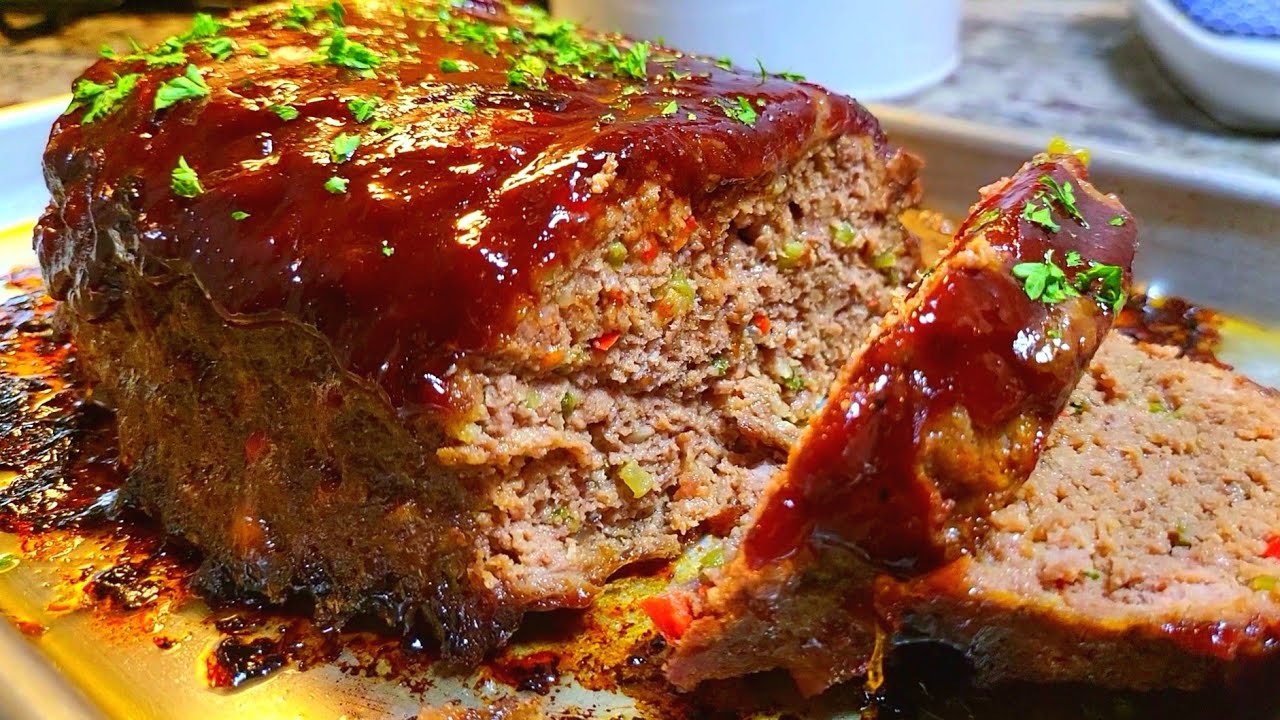
Healthy Meatloaf Recipe: Meatloaf might not be the first thing that comes to mind when you think “healthy,” but guess what? It can be! With just a few ingredient swaps and smart cooking techniques, you can transform this comfort food classic into a nutritious, protein-packed meal that doesn’t compromise on flavor. Whether you’re meal prepping, feeding a family, or just trying to eat better, this recipe ticks all the right boxes.
Traditional meatloaf is often loaded with fatty ground beef, breadcrumbs, and sugary ketchup. But we’re flipping the script. This version uses lean ground meat, fresh veggies, and wholesome seasonings. It’s moist, savory, satisfying—and good for you too.
Ingredients for a Healthy Meatloaf
Making a healthier meatloaf starts with the right ingredients. You’ll be surprised how a few swaps can make a big difference in taste and nutrition.
Lean Meat Choices
Instead of using regular ground beef (which can contain up to 30% fat), opt for leaner proteins:
- 93% lean ground turkey or chicken: These are lower in saturated fats and still provide a ton of flavor.
- Extra-lean ground beef (95% lean): If you love the classic beefy taste, go leaner and trim fat elsewhere.
These options keep the protein high and the fat content low, making your meatloaf lighter but still hearty.
Vegetables and Fillers
Veggies aren’t just for side dishes—they belong in your meatloaf.
- Onions, carrots, zucchini, and bell peppers: Chop them finely or grate them to add moisture, texture, and nutrients.
- Rolled oats or whole wheat breadcrumbs: These are great alternatives to white bread crumbs and offer more fiber and nutrition.
The vegetables not only boost the nutrition profile but also add moisture, helping prevent that dreaded dry meatloaf.
Herbs and Seasonings
To pack in flavor without relying on excess salt or sugar:
- Garlic, parsley, basil, oregano
- Low-sodium Worcestershire sauce or tamari
- Smoked paprika, black pepper, thyme
Don’t be shy with your spices—they bring life to the loaf without any guilt.
Optional Add-ins
If you want to give it a unique twist:
- Chopped spinach or kale for extra greens
- A dollop of Greek yogurt for creaminess
- An egg or two to bind everything (essential for structure)
Step-by-Step Guide to Making Healthy Meatloaf
Let’s get to the real meat of the matter (pun fully intended). Follow these steps, and you’ll have a juicy, flavorful, healthy meatloaf on your table in no time.
Step 1: Preheat and Prepare
Start by preheating your oven to 375°F (190°C). Lightly grease a loaf pan or line it with parchment paper. This step ensures the meatloaf cooks evenly and doesn’t stick to the pan.
Step 2: Chop and Sauté Vegetables
Dice your onions, grate the carrots and zucchini, and chop any other vegetables you’re using. Sauté them lightly in a nonstick pan with a splash of olive oil or a bit of broth. Cooking the vegetables beforehand softens them, releases sweetness, and prevents them from releasing too much moisture into the loaf as it bakes.
This step is crucial for both flavor and texture—raw veggies can make your loaf soggy or unevenly cooked.
Step 3: Mix Ingredients Properly
In a large bowl, combine:
- Your choice of ground lean meat
- Cooked and cooled veggies
- Rolled oats or whole wheat breadcrumbs
- 1–2 beaten eggs
- Garlic, spices, herbs
- Optional: a spoon of tomato paste or mustard
Use your hands to mix everything gently but thoroughly. Don’t overwork it—over-mixing can lead to a dense, tough meatloaf.
Step 4: Shape and Bake
Transfer the mixture to your prepared pan or form it into a loaf shape on a baking sheet. You can brush the top with a homemade glaze using:
- 2 tbsp tomato paste
- 1 tsp honey or maple syrup
- 1 tsp Dijon mustard
Bake uncovered for 40–50 minutes, or until the internal temperature hits 165°F (74°C). Let it rest for at least 10 minutes before slicing so it holds together well.
Step 5: Rest and Serve
Once out of the oven, resist the temptation to cut right in. Allowing it to rest lets the juices redistribute and firms up the structure. Slice it up and serve with a side of roasted veggies, mashed sweet potatoes, or a crisp green salad.
Tips for Keeping Your Meatloaf Healthy
Healthy meatloaf doesn’t just come down to the ingredients—it’s also about the method and the little choices you make along the way. Want to boost nutrition and lower calories even more? Try these smart tips:
Low-Sodium Options
Salt sneaks into so many packaged products—sauces, breadcrumbs, even meat. To keep sodium in check:
- Use low-sodium Worcestershire or soy sauce
- Skip the pre-made seasoning packets—they’re often salt bombs
- Add herbs, garlic, lemon zest, or a dash of vinegar to boost flavor without salt
You’ll still get all the flavor, but your heart and kidneys will thank you.
Gluten-Free and Dairy-Free Variations
Whether you’re accommodating allergies or just cutting back on common irritants:
- Swap oats or breadcrumbs with almond flour or gluten-free breadcrumbs
- Use dairy-free milk or skip it entirely
- Replace the egg with a chia egg (1 tbsp chia seeds + 3 tbsp water) if you’re vegan or egg-free
The result is a meatloaf that’s just as satisfying, without triggering intolerances.
Moisture is Key
One big challenge with healthy meatloaf? Dryness. Here’s how to beat it:
- Don’t overcook—use a meat thermometer for accuracy
- Always let it rest before slicing
- Add moisture through grated zucchini, carrots, or even a touch of low-fat Greek yogurt
These tricks keep your meatloaf juicy, tender, and anything but boring.
Nutritional Benefits
This healthy meatloaf isn’t just tasty—it’s a nutritional powerhouse. When made with lean meats, fresh veggies, and wholesome fillers, it gives you a well-rounded meal all in one slice.
Protein-Packed Goodness
Depending on your meat choice, each serving delivers 20–30 grams of protein, essential for muscle repair and satiety. Ground turkey or chicken offers a leaner protein option with less saturated fat compared to traditional beef.
Fiber Boost
By adding rolled oats, grated veggies, and whole ingredients, you’re giving your body more fiber—a crucial element for digestion and blood sugar regulation.
Healthy Fats
Skip the trans fats and unnecessary oils. By using minimal oil, healthy add-ins like olive oil, and avoiding processed toppings, your fat sources remain heart-friendly.
Calorie Breakdown (per serving, approx. 1/6 of loaf)
| Nutrient | Amount |
|---|---|
| Calories | 280–320 kcal |
| Protein | 22–30g |
| Carbohydrates | 10–15g |
| Fat | 12–16g |
| Fiber | 3–5g |
| Sodium | 250–400mg |
This makes it perfect for lunch, dinner, or even a post-workout meal.
FAQs about Meatloaf Recipe
1. Can I make this recipe with turkey or chicken?
Absolutely! Ground turkey or chicken works beautifully and keeps the loaf light. Just make sure not to overcook, as lean meats can dry out faster.
2. How do I store leftover meatloaf?
Store in an airtight container in the fridge for up to 4 days. You can also slice and freeze individual portions for up to 3 months.
3. What’s a good side dish with healthy meatloaf?
Great pairings include mashed sweet potatoes, steamed broccoli, quinoa salad, or roasted Brussels sprouts. Aim for fiber-rich, colorful veggies.
4. Can I freeze the meatloaf?
Yes! You can freeze it before or after baking. Wrap tightly in plastic and foil, label it, and store it for up to 3 months.
5. How do I make it more moist?
Grated vegetables like zucchini or carrots, a splash of low-sodium broth, or even a spoonful of Greek yogurt in the mix help keep it moist and tender.
Conclusion
Healthy meatloaf is the comfort food glow-up we all needed. It’s cozy, flavorful, and surprisingly nutritious. With lean proteins, fresh veggies, and smart substitutions, you can enjoy a hearty slice without guilt. The key lies in quality ingredients and a little care in prep. Plus, it’s easy to customize based on dietary needs and preferences.
So next time you’re in the mood for a wholesome, filling dish that doesn’t take hours to make or break your diet, try this healthy meatloaf recipe. Trust me, your taste buds—and your body—will thank you.