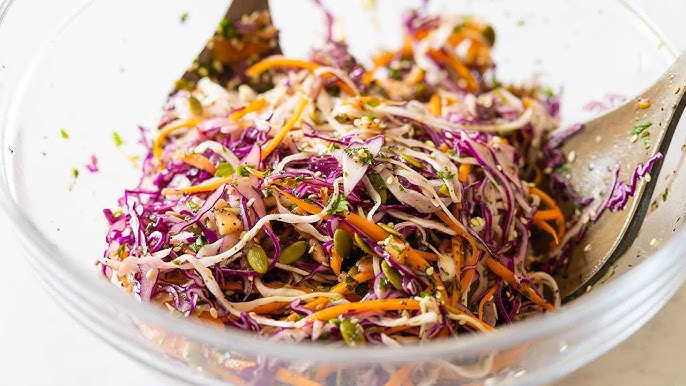
Healthy Coleslaw Recipe: Coleslaw is one of those dishes that seems to pop up at every barbecue, picnic, or family gathering. It’s refreshing, crunchy, and pairs beautifully with everything from grilled chicken to fish tacos. Traditionally, coleslaw is made with mayonnaise, which, while tasty, can make the dish heavy and high in calories. That’s why a healthy coleslaw recipe is the perfect alternative—it gives you all the flavor and texture you love, but with lighter, more nutritious ingredients.
Why Coleslaw is a Popular Side Dish
Coleslaw has been loved for generations because it’s affordable, easy to prepare, and versatile. Whether you want a quick side dish for dinner or a crowd-pleaser for a party, coleslaw always fits the bill. It’s also a fantastic way to add raw vegetables to your diet, which means you’re sneaking in more fiber, vitamins, and minerals without even trying.
The Benefits of Making a Healthier Version
When you swap out the heavy mayonnaise for lighter alternatives like Greek yogurt, olive oil, or a vinegar-based dressing, you turn a calorie-dense dish into a nutrient-packed salad. A healthier coleslaw can help improve digestion thanks to the fiber in cabbage, boost your immune system with vitamin C, and support eye health with the beta-carotene found in carrots. Plus, it’s just as delicious—if not better—than the traditional version.
Ingredients You’ll Need
A great coleslaw starts with fresh, crisp vegetables and a flavorful dressing. Below is a breakdown of what you’ll need for this healthy coleslaw recipe.
Fresh Vegetables for the Base
- 4 cups of green cabbage, shredded
- 2 cups of purple cabbage, shredded
- 2 medium carrots, grated
- 1 small red onion, thinly sliced
These vegetables create the colorful, crunchy base of your coleslaw. The combination of green and purple cabbage not only looks beautiful but also adds different nutrients and antioxidants.
Healthy Dressing Options
Instead of traditional mayo, here are some healthier choices:
- ½ cup plain Greek yogurt (creamy and protein-rich)
- 2 tablespoons olive oil (heart-healthy fats)
- 2 tablespoons apple cider vinegar (adds tang and supports digestion)
- 1 tablespoon honey or maple syrup (natural sweetness)
- 1 teaspoon Dijon mustard (for a little kick)
- Salt and pepper to taste
This dressing is light, tangy, and slightly sweet—perfect for balancing out the crunch of the vegetables.
Extra Flavor Boosters
If you want to give your coleslaw a unique twist, try adding:
- 2 tablespoons fresh parsley or cilantro
- 1 apple, thinly sliced (for sweetness)
- ¼ cup raisins or cranberries
- 1 teaspoon celery seeds or caraway seeds
These extras can transform your coleslaw from simple to gourmet, depending on the occasion.
Step-by-Step Guide to Making Healthy Coleslaw
Now that you’ve gathered your ingredients, it’s time to put everything together.
Step 1 – Preparing the Vegetables
Wash your cabbage, carrots, and onion thoroughly. Shred the green and purple cabbage using a sharp knife, mandoline, or food processor. The goal is thin, uniform strips that will soak up the dressing without becoming soggy. Grate the carrots and slice the red onion thinly. Place everything in a large mixing bowl.
Pro Tip: To keep the vegetables extra crisp, soak shredded cabbage in ice water for 10 minutes, then drain well before mixing.
Step 2 – Making the Dressing
In a small bowl, whisk together the Greek yogurt, olive oil, apple cider vinegar, honey, mustard, salt, and pepper. Taste and adjust as needed—maybe a little more vinegar for tanginess or honey for sweetness.
This step is crucial because the dressing sets the tone for your coleslaw. A well-balanced dressing should be creamy, tangy, and slightly sweet all at once.
Step 3 – Mixing Everything Together
Pour the dressing over the vegetables. Use salad tongs or clean hands to toss everything until evenly coated. Be gentle so the vegetables stay crisp and don’t bruise.
Step 4 – Letting it Chill for Best Flavor
Cover the bowl and place it in the fridge for at least 30 minutes before serving. This allows the flavors to meld and gives the cabbage time to soften slightly while still staying crunchy.
Step 5 – Serving Suggestions
Healthy coleslaw pairs well with almost anything. Try it with grilled chicken, fish tacos, sandwiches, or as a topping for burgers. It’s also delicious on its own as a light lunch or snack.
Tips for the Perfect Healthy Coleslaw
When it comes to making coleslaw, the difference between “good” and “amazing” lies in the details. A few smart tricks can make your coleslaw stand out and keep it fresh, crisp, and full of flavor.
How to Keep it Crunchy
The secret to crunchy coleslaw is moisture control. Cabbage naturally releases water when salted or dressed too early, which can lead to a soggy salad. To avoid this, you can sprinkle a little salt over the shredded cabbage, let it sit for 10 minutes, and then pat it dry with paper towels before mixing in the dressing. This removes excess water while keeping the vegetables crisp. Another trick is to dress the coleslaw just before serving if you’re preparing it for a party or gathering.
Adjusting Flavors to Your Taste
Coleslaw is incredibly versatile, so don’t be afraid to make it your own. If you love tangy flavors, add more vinegar or a squeeze of fresh lemon juice. For a sweeter version, toss in some apple slices, raisins, or a drizzle of honey. If you prefer a savory punch, add a little garlic powder, smoked paprika, or even a hint of chili flakes for spice. Think of coleslaw as a canvas—you can season it based on the occasion or the main dish it’s accompanying.
Storage and Make-Ahead Tips
Homemade coleslaw can be stored in an airtight container in the refrigerator for up to 3 days. However, keep in mind that the longer it sits, the softer the vegetables become. If you’re planning to make it ahead of time, consider prepping the vegetables and storing them separately from the dressing. Combine everything right before serving for maximum crunch.
Variations of Healthy Coleslaw
One of the best things about coleslaw is how easily it can be adapted. Here are a few creative variations to try:
Vegan Coleslaw
To make a plant-based version, replace Greek yogurt with vegan yogurt or cashew cream. Use maple syrup instead of honey, and keep the dressing light with olive oil and vinegar. It’s just as creamy and delicious, but 100% dairy-free.
Greek Yogurt Coleslaw
This is the version we’ve covered in detail earlier—creamy, tangy, and much healthier than the traditional mayo-based coleslaw. Greek yogurt adds protein, which makes it more satisfying and a better choice for health-conscious eaters.
Apple and Raisin Coleslaw
For a sweet twist, add thinly sliced apples and a handful of raisins or dried cranberries. This version pairs especially well with roasted chicken or turkey. The natural sweetness balances the tangy dressing beautifully.
Spicy Coleslaw
If you love a little heat, add chopped jalapeños, a pinch of cayenne pepper, or a swirl of sriracha to the dressing. Spicy coleslaw works great as a topping for fish tacos, pulled pork, or even burgers.
Nutritional Benefits of Healthy Coleslaw
Healthy coleslaw isn’t just delicious—it’s also packed with nutrients that support your body in countless ways.
Vitamins and Minerals in Cabbage
Cabbage is low in calories but high in fiber, vitamin C, and vitamin K. It’s also rich in antioxidants that help fight inflammation and support overall health. Eating raw cabbage, as in coleslaw, ensures you get the maximum benefits since cooking can reduce some nutrients.
Benefits of Carrots and Other Vegetables
Carrots add not only a pop of color but also a big boost of beta-carotene, which is converted into vitamin A in the body. This supports eye health, skin health, and immune function. Red onions bring in antioxidants like quercetin, which may help reduce inflammation and support heart health.
Healthier Dressing Options
Traditional coleslaw dressings made with mayonnaise can be heavy and high in unhealthy fats. By swapping in Greek yogurt, olive oil, or vinegar, you’re giving your body heart-healthy fats, probiotics, and a lighter, cleaner flavor. Plus, these swaps reduce calories while increasing nutritional value.
FAQs about Healthy Coleslaw Recipe
1. Can I make coleslaw ahead of time?
Yes! You can prep the vegetables and the dressing separately, then mix them right before serving. This keeps everything fresh and crunchy.
2. How long does homemade coleslaw last?
It lasts about 2–3 days in the refrigerator if stored in an airtight container. However, it’s best enjoyed within the first 24 hours for maximum crunch.
3. What’s the healthiest dressing for coleslaw?
A Greek yogurt-based dressing or a simple olive oil and vinegar mix is the healthiest option. These are lighter, lower in calories, and provide more nutrients than traditional mayo.
4. Can I freeze coleslaw?
Freezing coleslaw isn’t recommended because raw vegetables like cabbage and carrots lose their texture when thawed. It’s best enjoyed fresh.
5. How can I make coleslaw more filling?
You can add chickpeas, grilled chicken strips, or even quinoa to turn coleslaw into a more satisfying meal rather than just a side dish.
Conclusion
Healthy coleslaw is proof that comfort food can be both delicious and nutritious. With just a few simple swaps—like using Greek yogurt instead of mayo and loading up on fresh vegetables—you can create a dish that’s light, crunchy, and packed with flavor. Whether you’re making it as a quick side dish, a topping for tacos, or a colorful addition to your barbecue spread, this recipe is one you’ll return to again and again.
It’s versatile, easy to customize, and full of health benefits. So next time you’re craving something refreshing and crunchy, skip the store-bought coleslaw and make your own at home—you’ll taste the difference, and your body will thank you.