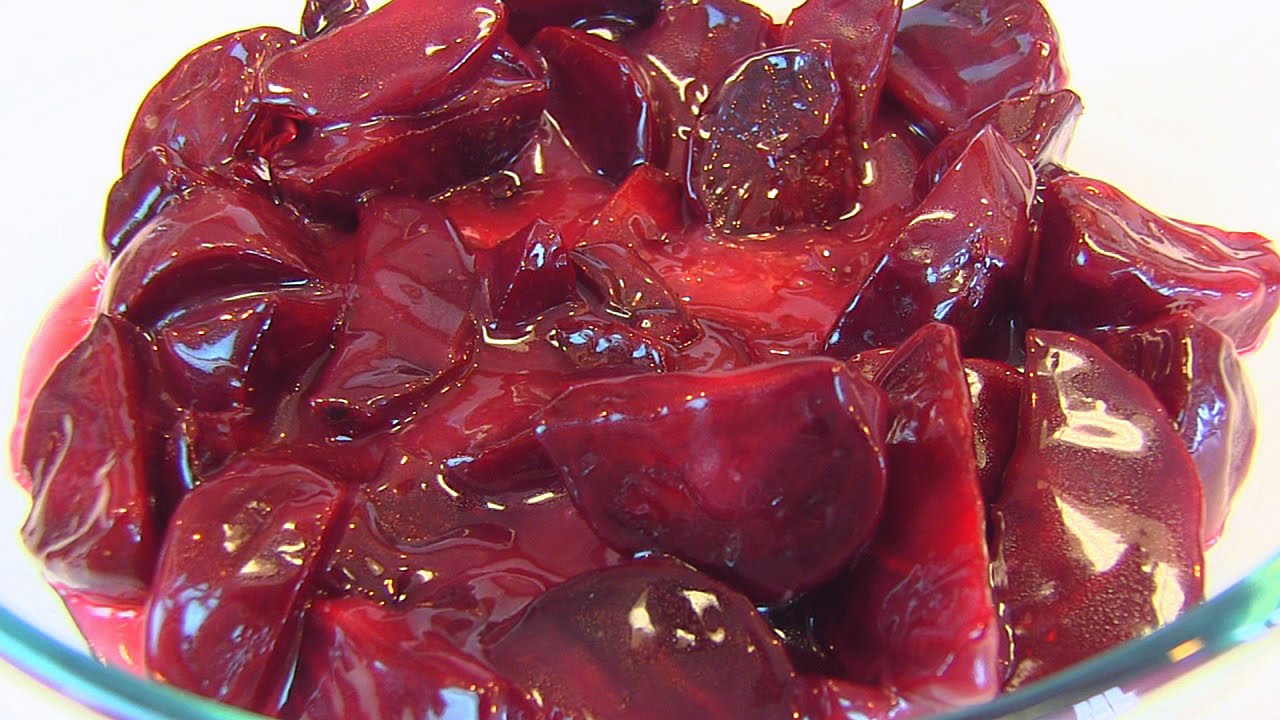
Harvard Beets Recipe: Harvard Beets are a classic American side dish made from tender, cooked beets simmered in a sweet-and-sour sauce. The sauce usually contains sugar, vinegar, and butter, which coat the beets and give them a shiny glaze. Unlike roasted or steamed beets, Harvard Beets have a balance of tangy and sweet flavors, making them appealing even for people who aren’t normally fans of earthy root vegetables. This recipe has stood the test of time and remains a favorite, especially during family gatherings and holidays.
The Origin of Harvard Beets
The exact origin of Harvard Beets is still debated, but many food historians trace it back to New England, possibly the Harvard University area—hence the name. Some suggest the dish may have come from an English or Dutch beet recipe that was brought to America and adapted. Regardless of its beginnings, Harvard Beets have become a beloved staple in American home cooking, particularly in the Northeastern states. They represent comfort food with a touch of sophistication, combining simple ingredients with a flavorful twist.
Why You’ll Love This Recipe
If you’re looking for a side dish that is both easy and impressive, Harvard Beets fit the bill perfectly. The recipe requires only a handful of ingredients, most of which are pantry staples. It’s also versatile—you can serve it hot, warm, or even chilled. The vibrant red color of the beets brings life to any dinner table, making it a stunning addition to festive meals. Plus, the sweet-and-sour flavor is universally appealing, offering a refreshing balance to rich main dishes like roasted meats or creamy casseroles.
Ingredients You’ll Need
Main Ingredients
To make traditional Harvard Beets, you’ll need:
- Fresh beets – about 2 to 3 medium-sized, or you can use canned for convenience.
- Sugar – adds sweetness to balance the vinegar.
- Vinegar – usually apple cider vinegar or white vinegar for tanginess.
- Butter – creates a rich, velvety sauce.
- Cornstarch or flour – to thicken the sauce.
- Salt and pepper – to enhance flavors.
These form the foundation of the dish and create the iconic sweet-and-sour glaze.
Optional Additions for Extra Flavor
If you want to enhance the flavor, you can add:
- Orange zest or juice – for a citrusy twist.
- Cloves or allspice – to add warmth and spice.
- Honey or maple syrup – as a natural sweetener.
- Fresh herbs like parsley or thyme – for a fresh finish.
These additions can help you customize the dish depending on the occasion.
Substitutions You Can Make
- If you don’t have fresh beets, canned beets work just fine and save time.
- Instead of vinegar, you can use lemon juice for a slightly different tang.
- For a dairy-free option, replace butter with olive oil or vegan butter.
- To cut down on sugar, use honey, agave, or stevia as alternatives.
These substitutions make the recipe adaptable for different dietary preferences without compromising flavor.
Step-by-Step Guide to Making Harvard Beets
Step 1: Preparing the Beets
Start by cleaning your beets thoroughly to remove any dirt. Trim off the greens, leaving about an inch of the stems to prevent bleeding during cooking. Place the beets in a large pot, cover with water, and bring to a boil. Simmer until tender, which usually takes 30 to 40 minutes depending on size. Once cooked, drain and let them cool slightly before peeling. The skins should slip off easily when rubbed with your fingers. Slice the beets into rounds or cubes, depending on your preference.
Step 2: Making the Sweet-and-Sour Sauce
In a saucepan, combine sugar, vinegar, and cornstarch mixed with a little water to form a slurry. Stir constantly over medium heat until the mixture thickens into a glossy sauce. Add butter and stir until melted, creating a smooth, velvety texture. The sauce should taste tangy but balanced with sweetness—adjust the sugar or vinegar to your liking.
Step 3: Combining Beets with the Sauce
Add the sliced or cubed beets into the saucepan with the sauce. Stir gently to coat the beets evenly without breaking them apart. Let the mixture simmer for a few minutes so the beets can absorb the flavors. This step is what gives Harvard Beets their signature taste.
Step 4: Final Touches and Serving
Once the beets are coated and heated through, taste for seasoning. Add more salt, pepper, or a splash of vinegar if needed. Transfer the beets to a serving bowl, garnish with fresh herbs if desired, and serve hot or warm. You can also chill them for a refreshing cold side dish.
Tips and Tricks for Perfect Harvard Beets
Choosing the Right Beets
Fresh beets yield the best results. Look for beets that are firm, smooth, and free from soft spots. Smaller beets tend to be sweeter and more tender, while larger ones may have a stronger earthy flavor. If you’re in a rush, canned or pre-cooked beets are excellent alternatives.
Storage and Make-Ahead Options
Harvard Beets can be made in advance and stored in the refrigerator for up to 4 days. The flavors actually deepen over time, making them even tastier the next day. Reheat them gently on the stove or microwave before serving.
Mistakes to Avoid
- Don’t overcook the beets; they should be tender but not mushy.
- Avoid making the sauce too thin—if it doesn’t coat the beets well, add a bit more cornstarch slurry.
- Be careful with seasoning; too much vinegar can overpower the dish.
Variations of Harvard Beets Recipe
Classic Harvard Beets
The traditional version of Harvard Beets sticks to the basics: sugar, vinegar, butter, and beets. This timeless combination delivers that familiar sweet-and-sour balance with a glossy glaze coating every slice of beet. It’s straightforward, comforting, and ideal if you’re making the dish for the first time. You don’t need to overcomplicate it—the simplicity is what makes the classic recipe so appealing. Serve this version at family dinners, and you’ll see why it has stayed popular for generations.
Honey-Glazed Harvard Beets
If you’d like to add a natural sweetness, try replacing sugar with honey. This not only reduces the need for refined sugar but also gives the dish a warm, floral flavor. The honey thickens beautifully in the sauce, resulting in a sticky, caramelized glaze. Honey-glazed Harvard Beets pair wonderfully with roasted chicken, pork, or even lamb. For an extra touch, sprinkle a pinch of cinnamon or nutmeg into the sauce—this variation is especially fitting for holiday dinners.
Balsamic Harvard Beets
For a modern twist, substitute regular vinegar with balsamic vinegar. The result is a deeper, more complex flavor profile with rich, slightly fruity undertones. The sauce becomes darker, and the sweetness is more sophisticated compared to the classic recipe. This version works particularly well in gourmet-style meals and can be paired with dishes like grilled salmon, steak, or even a fresh arugula salad. If you enjoy experimenting, try adding a drizzle of balsamic reduction before serving—it enhances both taste and presentation.
What to Serve with Harvard Beets
As a Side Dish with Meat or Fish
Harvard Beets shine as a side dish, especially when paired with savory proteins. Their sweet-and-sour profile balances the richness of roasted meats such as beef, pork, or chicken. They also work surprisingly well with fish, particularly salmon or white fish, as the tangy flavor cuts through the fattiness of seafood. For a complete dinner, serve them alongside mashed potatoes or roasted vegetables to round out the meal.
Paired with Vegetarian Meals
Don’t think Harvard Beets are only for meat lovers—they’re just as satisfying in vegetarian meals. Try serving them with lentil loaf, stuffed peppers, or grain-based dishes like quinoa and rice pilaf. The beets add a punch of flavor and color, making vegetarian plates more exciting. You can even serve them over a bed of greens for a warm beet salad that’s hearty and delicious.
Festive and Holiday Pairings
One of the reasons Harvard Beets remain popular is their festive look and flavor. The deep red color makes them a natural addition to holiday tables, particularly at Thanksgiving and Christmas. They complement turkey, ham, or even prime rib beautifully. Beyond the holiday season, they can also be served at potlucks, family reunions, or Sunday dinners—any occasion where you want to impress with a vibrant, flavorful side dish.
Nutritional Value of Harvard Beets
Health Benefits of Beets
Beets are more than just a colorful side dish—they’re packed with nutrients. They’re an excellent source of dietary fiber, which supports digestion and keeps you feeling full longer. Beets are also rich in antioxidants, particularly betalains, which help fight inflammation and oxidative stress in the body. Another bonus? They’re known to improve blood flow, lower blood pressure, and support heart health thanks to their high nitrate content.
Calories and Macronutrients
A serving of Harvard Beets is relatively low in calories, usually around 100–150 calories per cup, depending on how much sugar and butter you add. They’re naturally low in fat and contain a modest amount of protein. The carbohydrate content comes primarily from the beets themselves and the sugar in the sauce. If you use honey or reduce the sugar, you can make them even lighter without sacrificing flavor.
Vitamins and Minerals
Beets are nutrient-dense, providing a wide array of vitamins and minerals. They’re especially high in folate, which is essential for cell growth and function. You’ll also find vitamin C, potassium, manganese, and iron in every serving. Together, these nutrients support everything from immune function to muscle health. Eating Harvard Beets gives you not just a delicious dish, but also a nutrient-packed boost to your daily diet.
Storing and Reheating Harvard Beets
Refrigeration Tips
If you have leftovers, store Harvard Beets in an airtight container in the refrigerator. They typically stay fresh for up to 4 days. Since the flavors deepen over time, many people find the dish tastes even better the next day. Just make sure to let them cool completely before refrigerating to avoid excess condensation, which can water down the sauce.
Freezing Options
Yes, you can freeze Harvard Beets! Place them in freezer-safe containers or bags, removing as much air as possible. They can last up to 3 months in the freezer. When ready to use, thaw them overnight in the refrigerator. Keep in mind that while the flavor remains delicious, the texture may become slightly softer after freezing.
Best Reheating Methods
To reheat, you can warm them on the stovetop over medium-low heat, stirring occasionally until heated through. If you’re short on time, use the microwave, but heat in short intervals to avoid overheating the sauce. For a fresher taste, add a splash of vinegar or a small pat of butter when reheating. This will revive the flavors and keep them tasting like they were freshly made.
FAQs about Harvard Beets Recipe
Can I Use Canned Beets Instead of Fresh?
Absolutely! Canned beets are a great shortcut if you don’t have time to cook fresh beets. Just be sure to drain them well before adding them to the sauce. The flavor will be slightly different, but still delicious.
How Long Do Harvard Beets Last?
When stored properly in the refrigerator, Harvard Beets last about 3 to 4 days. If frozen, they can last up to 3 months.
Are Harvard Beets Served Hot or Cold?
Traditionally, they’re served warm, but they can also be enjoyed chilled as part of a salad or cold side dish. The versatility makes them suitable for different seasons and occasions.
Can I Make Harvard Beets Ahead of Time?
Yes! In fact, making them a day ahead can enhance the flavor. Simply reheat before serving, or serve chilled if you prefer.
What Can I Add to Make Them More Flavorful?
Spices like cloves, nutmeg, or cinnamon add warmth. For a citrusy twist, add orange zest or juice. You can also swap vinegar for balsamic or red wine vinegar for a deeper flavor.
Conclusion
Harvard Beets are proof that simple ingredients can create something extraordinary. With their glossy, sweet-and-sour glaze and vibrant color, they make any meal more exciting—whether it’s a weeknight dinner or a holiday feast. Easy to prepare, adaptable to different tastes, and packed with nutrients, this recipe is worth adding to your kitchen rotation. Whether you go classic, honey-glazed, or balsamic, you’ll find that Harvard Beets have a way of winning hearts at the table.