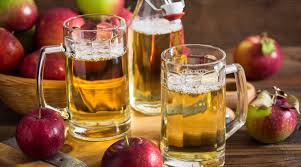
Hard Cider Recipe: There’s something truly satisfying about sipping on a crisp, refreshing glass of hard cider—especially when you’ve made it yourself.
Whether you’re a curious beginner or a homebrewing enthusiast, this guide walks you through everything you need to create your own batch of hard cider from scratch.
We’ll cover ingredients, equipment, tips, and of course, a full step-by-step recipe that’s beginner-friendly but pro-approved.
Benefits of Making Hard Cider at Home
Sure, you could just pick up a bottle of hard cider from the store. But making it at home? That’s where the real magic happens. First off, it’s more affordable in the long run. One batch can yield gallons of cider for a fraction of store-bought prices.
Secondly, you’re in complete control. Want a drier finish? Add less sugar. Prefer a spiced version for fall? Toss in cinnamon and cloves. You get to customize the flavor, alcohol content, and carbonation level to your taste.
Lastly, you’re dodging a lot of the preservatives, artificial sweeteners, and mystery ingredients that come with commercial versions. It’s like farm-to-glass freshness.
List of Equipment You’ll Need
Before diving into cider-making, make sure your gear is ready to go. Here’s a breakdown of essential tools:
- Fermentation Vessel – A glass carboy or food-grade plastic bucket (at least 1-gallon capacity)
- Airlock and Bung – To let gases escape during fermentation
- Sanitizer – Star San or another no-rinse food-grade sanitizer
- Siphon Hose – For transferring cider without disturbing sediment
- Hydrometer – Optional, but useful for measuring alcohol content
- Thermometer – To ensure yeast is pitched at the right temperature
- Bottles and Caps – Swing-top bottles or capped bottles work great
- Bottle Capper – If you’re using caps instead of swing-tops
Having clean and sterilized tools is half the battle won in home brewing. Never skip sanitization—your cider’s life depends on it.
List of Ingredients You’ll Need
Let’s get to the juicy part—what goes into making hard cider? Here’s your basic shopping list:
- 1 Gallon of Apple Cider (or more, depending on your batch size) – Must be preservative-free (no potassium sorbate or sodium benzoate)
- Brewer’s Yeast (like Champagne yeast or Safale S-04) – 1 packet per gallon
- Optional Sugar (brown sugar, honey, or corn sugar) – To increase alcohol content
- Yeast Nutrient – Speeds up fermentation and keeps yeast healthy
- Optional Flavor Add-ins – Cinnamon sticks, cloves, ginger, fruit juices
You can get fancy with additional ingredients, but these basics are enough to yield a solid, tasty cider that rivals store-bought varieties.
Choosing the Right Apples or Cider Base
Not all apples are created equal. The kind you use will deeply influence your cider’s flavor. A great cider often blends sweet, tart, and bitter apples. Here are some solid choices:
- Sweet: Fuji, Gala, Golden Delicious
- Tart: Granny Smith, McIntosh, Pink Lady
- Sharp/Bittersweet: Yarlington Mill, Dabinett (harder to find, but amazing if you can get them)
If you’re not pressing your own apples, go for cold-pressed, unfiltered cider that doesn’t contain preservatives. The fresher, the better.
Understanding the Role of Yeast
Yeast is your workhorse—it’s what turns sugary apple juice into boozy cider. You’ve got two choices here:
- Wild Fermentation – Letting naturally occurring yeast do the work. It’s rustic and unpredictable.
- Commercial Yeast – Controlled, reliable, and easy to manage.
Popular yeast options include:
- Champagne Yeast (like EC-1118) – Dry, crisp finish
- Nottingham Ale Yeast – Slightly fruity, fast fermentation
- Safale US-05 or S-04 – Great balance of dry and fruity
Choose based on your flavor goals. Want dry and punchy? Go Champagne. Prefer mellow and rounded? Try ale yeasts.
Optional Ingredients and Flavor Enhancements
This is where you can get creative and make your cider stand out. Here are some optional tweaks:
- Sugar or Honey – Boosts alcohol content; brown sugar adds molasses notes
- Spices – Cinnamon, cloves, nutmeg (ideal for fall)
- Fruit Infusions – Cherries, cranberries, or even hops
- Vanilla Beans or Oak Chips – Add depth during aging
Just be cautious with additions—less is more. You can always add more flavor later, but you can’t take it out once it’s there.
Sterilization: Why It Matters
Cider-making is a waiting game. You don’t want to wait a month only to find your batch has gone bad due to rogue bacteria. That’s where sterilization comes in.
- Clean every piece of equipment with warm water and soap
- Sanitize with a no-rinse sanitizer like Star San
- Let Air-Dry on a clean surface before using
Bad sanitation is the #1 reason beginner batches fail. Respect the process, and it’ll reward you.
Step-by-Step Hard Cider Recipe
Alright, the moment you’ve been waiting for. Let’s break it down step-by-step.
Step 1: Gather Ingredients and Equipment
Make sure everything is ready and within reach. It’s easier to work clean and efficiently when you’re organized.
Step 2: Sanitize Everything
Soak your fermentation bucket, lid, airlock, siphon, and anything else that will touch the cider in sanitizer.
Step 3: Add the Cider to Your Fermentation Vessel
Pour your cider carefully into the sanitized vessel, leaving about 2 inches of headspace.
Step 4: Pitch the Yeast
Sprinkle your yeast on top of the cider. No need to stir (unless specified by the yeast brand). Seal the vessel with the lid and insert the airlock.
Step 5: Store in a Dark, Cool Spot
Place your fermenter in a location that stays around 60-70°F (15-21°C). Avoid light and temperature swings.
Step 6: Let It Ferment
This takes 1 to 3 weeks. You’ll notice bubbling in the airlock—that’s carbon dioxide escaping. Once it slows down or stops, fermentation is mostly done.
Step 7: Rack the Cider
After primary fermentation, siphon the cider off the sediment (called lees) into a clean vessel. This helps clarify the cider and improve flavor.
Step 8: Bottle and Age
Add priming sugar if you want carbonation. Bottle the cider, cap it, and store it for 2 to 4 weeks minimum. The longer you wait, the better it tastes.
Fermentation Timeframe and Tips
Fermentation isn’t a one-size-fits-all process—it depends on your yeast, temperature, and sugar content. Generally, primary fermentation takes around 7 to 21 days. During this time, your yeast will eat the sugars in the cider and produce alcohol and carbon dioxide.
So, how do you know when it’s done?
- Watch the Airlock: Active bubbling slows dramatically or stops.
- Check with a Hydrometer: If the specific gravity stays stable for 2-3 days, it’s ready.
- Taste Test: It shouldn’t be too sweet (unless you want it that way), and the alcohol taste should be noticeable.
Tips for success:
- Avoid opening the lid too often—oxygen is not your friend during fermentation.
- If fermentation stops too early, your yeast may have gone dormant. Try warming it up slightly or adding yeast nutrient.
- Too slow? Check that your cider didn’t contain preservatives—they can kill yeast.
Patience is key here. A rushed fermentation can lead to off-flavors or underwhelming alcohol content.
Bottling Your Hard Cider
You’ve made it this far—don’t mess up bottling. Here’s how to do it right:
- Clean and Sanitize Your Bottles and Caps: Again, sanitation is crucial.
- Add Priming Sugar (if you want carbonation): Dissolve around 1 ounce of corn sugar per gallon of cider in a small amount of water, boil it, cool it, then add it to your bottling bucket before siphoning in the cider.
- Siphon the Cider Carefully: Avoid stirring up sediment from the bottom.
- Fill the Bottles: Leave about an inch of headspace.
- Cap or Seal: Use a capper for crown caps or close swing-top bottles.
Once bottled, your cider still needs time. It’s technically drinkable now, but it’ll taste much better after a few weeks of conditioning.
Aging Your Hard Cider
Here’s where the flavor really starts to shine. After bottling, store your cider in a cool, dark place for at least 2 to 4 weeks to allow carbonation to develop and flavors to meld.
But if you’re patient—really patient—aging it for 2 to 6 months (or more) can result in a smoother, more complex flavor.
What happens during aging?
- Harsh flavors mellow out
- Carbonation fully develops (if you used priming sugar)
- Aromatics and natural apple flavors balance and improve
Pro tip: Label your bottles with the bottling date so you can keep track of aging. Try tasting a bottle every few weeks to see how it changes.
Hard Cider Variations to Try
Once you’ve nailed the basic recipe, it’s time to experiment with styles and flavors. Here are a few fun twists:
Spiced Cider
Add cinnamon, cloves, nutmeg, and even vanilla beans during fermentation or aging. Perfect for fall or holiday-themed batches.
Dry vs Sweet Cider
Control sweetness by:
- Using less sugar or fermenting it all out (dry cider)
- Back-sweetening with apple juice or sugar after fermentation (make sure to pasteurize or stabilize)
Fruit Blends
Infuse with berries, cherries, or citrus during secondary fermentation for a fruity punch.
Hopped Cider
Add dry hops like Cascade or Citra for a cider-beer hybrid with floral, citrus, or piney aromas.
Hard cider is an open canvas. The more you experiment, the more you’ll learn and refine your own personal favorite style.
Common Mistakes to Avoid
Everyone starts somewhere, and mistakes are part of the process. But here are some you can dodge early on:
- Using Preserved Juice: If your juice has potassium sorbate or sodium benzoate, fermentation will fail.
- Skipping Sanitization: This leads to contamination, off-flavors, or a ruined batch.
- Over-Carbonation: Adding too much priming sugar can cause bottles to explode. Always measure carefully.
- Rushing the Process: Don’t bottle too early or skip aging. Good cider takes time.
- Wrong Yeast Choice: Some yeasts can leave odd flavors. Do your research and pick strains known for cider.
Learning from others’ slip-ups can save you time, money, and disappointment.
Enjoying and Storing Your Hard Cider
Once your cider is aged and carbonated, it’s time to pop one open and enjoy the fruits of your labor—literally.
Serving Tips:
- Chill the bottle before serving
- Pour gently into a glass to leave sediment behind
- Try pairing it with cheese, grilled meats, or dessert
Storage Tips:
- Store in a cool, dark place (ideally below 65°F / 18°C)
- Keep upright to minimize sediment disturbance
- Drink within 6-12 months for peak flavor
Trust us, once you taste your first successful batch, you’ll already be thinking about your next one.
FAQs about Hard Cider Recipe
1. Can I make hard cider without adding yeast?
Yes, but it’s risky. You can try wild fermentation using the natural yeast on apples or in the air, but results are unpredictable. Commercial yeast gives you more control over flavor and alcohol content.
2. How alcoholic is homemade hard cider?
Usually between 4% and 7% ABV, depending on how much sugar is in the juice and whether you add any extra sugar before fermentation.
3. Do I need to pasteurize my cider?
If you’re not adding sugar after fermentation, pasteurization isn’t necessary. But if you plan to back-sweeten and don’t want to ferment further, you’ll need to either pasteurize or add a stabilizer like Campden tablets and potassium sorbate.
4. Can I use store-bought apple juice instead of fresh cider?
Yes, as long as it’s 100% juice with no preservatives. Always check the label—preservatives can prevent fermentation.
5. What’s the best way to sweeten hard cider?
You can back-sweeten with sugar, honey, or juice after fermentation. To prevent further fermentation, pasteurize the cider or stabilize it with chemicals. Another method is using non-fermentable sweeteners like stevia or xylitol.
Conclusion
Making hard cider at home is more than just a hobby—it’s a craft. From picking the perfect apple base to experimenting with wild flavors, the process is creative, rewarding, and surprisingly approachable. Sure, it takes a bit of patience and attention to detail, but the result? Crisp, delicious cider that’s better than half the stuff you find in stores.
So grab your gear, get some good juice, and start your homebrew journey. With a little practice, you’ll become the go-to cider maker in your crew.