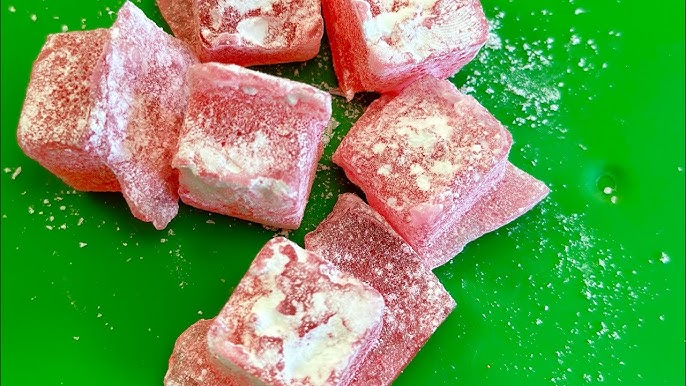
Hard Candy Recipe: There’s something undeniably nostalgic about hard candy. Whether it’s the classic peppermint swirl that reminds you of holidays or a homemade lollipop from a county fair, hard candies have been sweetening our lives for generations. Unlike chewy or gooey sweets, hard candies are crisp, long-lasting, and give you that satisfying “crunch” once you decide to bite in. They’re perfect for holidays, parties, gifts, or just a sugar rush on a regular day.
Why are they such a beloved treat? Because they are easy to make, versatile, and incredibly customizable. From sour apple to watermelon, cinnamon to vanilla – the options are endless. The appeal isn’t just in the taste. It’s also in the art of crafting them – boiling the sugar, adding the vibrant colors, and watching it cool into glossy, glass-like sweets.
Whether you’re a beginner in the kitchen or someone who loves to DIY everything, learning how to make hard candy at home is a game-changer. And don’t worry – we’re going to walk you through every single step in detail.
A Brief History of Hard Candy
Hard candy has a surprisingly rich history that dates back centuries. The earliest forms of hard candy were essentially sugar boiled with water and sometimes honey. Ancient civilizations, like the Egyptians and Greeks, made primitive candy from honey and fruits or nuts. It wasn’t until the 17th century that sugar became widely available in Europe and the art of candy-making took off.
In America, the 1800s brought a candy boom, especially with candies like peppermints, butterscotch drops, and lemon sticks. Over time, the techniques became more refined, and new flavoring and coloring agents expanded the possibilities.
Today, we have the advantage of precision tools and a wider range of ingredients, but the process of making hard candy still carries that timeless charm – a mixture of science, creativity, and good old-fashioned fun.
Ingredients Needed for Homemade Hard Candy
Common Ingredients and Their Purpose
To make a basic batch of hard candy, you really only need three main ingredients:
- Granulated Sugar – This is your base. It provides the sweet flavor and the structure of the candy.
- Light Corn Syrup – This prevents crystallization and gives the candy a smooth, glassy texture.
- Water – Helps dissolve the sugar and makes it manageable to work with until it reaches the right temperature.
Beyond the basics, you’ll also want:
- Flavoring – This can be in the form of extracts or oils (e.g., peppermint, cinnamon, lemon, cherry).
- Food Coloring – Adds fun, vibrant hues to match the flavor or occasion.
- Powdered Sugar or Cornstarch (optional) – To coat the candy pieces so they don’t stick together in storage.
The simplicity of the ingredient list is what makes hard candy so approachable, but the fun begins when you start customizing!
Flavor and Color Variations
The flavor possibilities are endless, and you can match the colors to suit holidays or themes. Here are a few ideas to get you started:
| Flavor | Color | Occasion |
|---|---|---|
| Peppermint | Red or White | Christmas |
| Lemon | Yellow | Summer Treats |
| Cinnamon | Red | Valentine’s Day |
| Green Apple | Green | Halloween |
| Blue Raspberry | Blue | Birthday Parties |
| Orange | Orange | Autumn & Thanksgiving |
You can even mix and match flavors for layered or swirled effects. Just be sure not to add the flavors until after boiling – more on that in the cooking section.
Tools and Equipment You’ll Need
Must-Have Tools for Candy Making
Hard candy is pretty simple, but there are a few tools that will make the process much smoother:
- Candy Thermometer – Absolutely essential to hit the “hard crack” stage (around 300°F or 149°C).
- Heavy-bottom Saucepan – Prevents scorching and allows even heating.
- Heat-resistant Spatula or Spoon – For stirring without melting your utensils.
- Measuring Cups and Spoons – Precision is key in candy-making.
- Candy Molds or Baking Sheet with Parchment Paper – To shape or pour your candy onto.
Optional Tools That Make Life Easier
If you want to get a bit more advanced or just enjoy easier cleanup, consider these:
- Silicone Baking Mats – Non-stick and reusable.
- Squeeze Bottles or Candy Funnels – For neatly filling molds.
- Marble or Granite Slab – Great for professional-style candy cooling and cutting.
- Disposable Gloves – For handling hot candy if you’re shaping it manually.
Once you have your tools and ingredients lined up, you’re ready to roll!
Preparation Before You Start
Safety Tips and Setting Up Your Workstation
Candy-making is part chemistry and part cooking – and boiling sugar can get extremely hot. Here are some quick safety notes:
- Keep kids and pets away from the kitchen.
- Never leave boiling sugar unattended.
- Wear oven mitts or gloves when handling hot pots or pans.
- Avoid splashing – melted sugar can cause serious burns.
Set up your workstation in advance. Have your thermometer clipped to the pot, your molds or baking sheet prepared and close by, and all ingredients measured out.
Prepping the Mold or Baking Sheet
Before you start boiling, make sure your molds or pans are good to go:
- If using molds: Lightly spray with non-stick spray if they’re not silicone.
- If using a baking sheet: Line it with parchment or a silicone mat.
You don’t want to be scrambling once the sugar hits the perfect temperature – it cools fast, and timing is everything in candy-making!
Step-by-Step Instructions to Make Hard Candy
Step 1: Mixing Sugar, Corn Syrup, and Water
Let’s get cooking! Start by combining your primary ingredients in a heavy-bottom saucepan. Here’s what you’ll typically use for one batch:
- 2 cups granulated sugar
- 2/3 cup light corn syrup
- 3/4 cup water
Pour all three into your saucepan and place it over medium-high heat. Stir constantly until the sugar completely dissolves. Once the mixture starts to boil, stop stirring. This part is crucial. Stirring during the boil can cause crystallization, which leads to grainy candy – and nobody wants that!
Once the sugar has dissolved, insert your candy thermometer. Make sure it’s not touching the bottom of the pan or you’ll get an inaccurate reading. From here, it’s all about patience. The mix will bubble away, slowly climbing in temperature. Resist the urge to crank the heat up too much — slow and steady wins the candy race.
Step 2: Boiling to the Right Temperature
Boil the sugar mixture until it reaches the hard crack stage, which is around 300°F (149°C). This stage is vital for the candy to set properly. If it’s undercooked, it’ll be soft and sticky. Overcooked, and it could burn or taste bitter.
As it cooks, the mixture will go through various stages, changing color slightly and bubbling more vigorously. Keep a close eye on your thermometer. Once it hits 260°F, you’re in the home stretch. Don’t walk away — a few seconds can make all the difference.
When the thermometer reads 300°F, remove the pot from heat immediately. This is where the fun (and a little pressure) begins — you’ll need to work quickly to add your flavors and colors before the candy starts hardening.
Step 3: Adding Flavor and Color
Once you’ve pulled the pot off the heat, it’s time to add your flavoring and food coloring. A few quick notes before you do:
- Use concentrated flavor oils for best results (like LorAnn oils). They’re more heat-stable than extracts and provide a strong flavor with just a few drops.
- If using extracts, add them slowly and stir well. Keep in mind that alcohol-based extracts might cause the mixture to bubble.
- For food coloring, use liquid, gel, or powder — all work fine. Just go light-handed at first. You can always add more!
Here’s a good starting point:
- 1/2 to 1 teaspoon of flavoring oil
- 2–3 drops of food coloring
Stir quickly but thoroughly. The candy is still extremely hot, so be cautious and wear gloves if needed. You want everything mixed evenly before pouring.
Step 4: Pouring and Cooling
With your flavors and colors blended in, carefully pour the hot mixture into your prepared molds or onto your lined baking sheet. If using molds, try to fill them evenly. If using a sheet, tilt it gently to spread the candy or use a spatula.
Work quickly — hard candy cools and solidifies within minutes. Once poured, don’t touch or move it. Just let it sit and cool at room temperature. Depending on thickness, this can take 30 minutes to an hour.
Once it’s fully cooled and hardened, you’ll know it’s ready when it snaps cleanly when broken. If you used a baking sheet, break the slab into bite-size pieces using the back of a spoon or your hands.
Step 5: Breaking and Storing the Candy
Breaking hard candy is one of the most satisfying steps. You can:
- Snap it into shards like stained glass
- Use a sharp knife to make more uniform pieces
- Twist molds if using silicone to pop them out
Once broken, you might notice the pieces are a bit sticky. That’s where a light dusting of powdered sugar or cornstarch comes in handy. Toss the pieces in a bowl with a bit of the powder, then shake off the excess.
To store your hard candy:
- Use an airtight container
- Separate layers with wax or parchment paper
- Keep in a cool, dry place
Avoid storing in the fridge – humidity will make it sticky. If kept properly, homemade hard candy can last several weeks without losing its crunch or flavor.
Tips and Tricks for Perfect Hard Candy
Avoiding Common Mistakes
Even though making hard candy is relatively simple, there are a few pitfalls that can trip up beginners (and even seasoned candy makers). Here are some of the most common issues and how to avoid them:
- Candy Didn’t Harden Properly: This usually means the sugar mixture didn’t reach the proper temperature (300°F). Always use a reliable candy thermometer and calibrate it if needed.
- Crystallized or Grainy Candy: Stirring the sugar once it starts boiling is the most common culprit. Also, any undissolved sugar crystals on the sides of the pan can drop back in and cause crystallization. You can prevent this by brushing the pan sides with a damp pastry brush while the sugar dissolves.
- Sticky Candy: Hard candy that turns sticky in storage is likely due to moisture in the air. Store candy in an airtight container and toss pieces with a bit of powdered sugar or cornstarch to keep them dry.
- Burnt Taste: High heat or overcooking can cause this. Stick to medium heat and don’t rush the boiling stage.
Always remember: candy making is part science and part patience. Take your time, follow each step carefully, and don’t be discouraged if your first batch isn’t perfect.
Getting Creative with Shapes and Flavors
One of the joys of homemade hard candy is the freedom to get creative! Once you’ve mastered the basic recipe, here are a few ways to spice things up:
- Swirled Colors: Pour two different colored mixtures into the same mold and swirl with a toothpick for a marble effect.
- Layered Candy: Let one color/flavor set partially before pouring another on top.
- Holiday Themes: Use seasonal molds and flavors – like red peppermint hearts for Valentine’s Day or green apple skulls for Halloween.
- Edible Glitter: Sprinkle in some edible shimmer for extra sparkle, perfect for weddings or birthday parties.
- Lollipop Sticks: Pour into molds with lollipop sticks to create old-fashioned suckers.
You can also combine flavors (like cherry-lime or lemon-blueberry) for unique taste combos. The possibilities are endless – just be sure to write down your favorite creations so you can recreate them later!
FAQs about Hard Candy Recipe
Can I make hard candy without a candy thermometer?
Technically, yes — but it’s risky. You’d need to rely on the cold water test (dropping a bit of syrup into cold water to see if it forms hard, brittle threads). However, using a candy thermometer is much more reliable and helps ensure consistent results.
How long does homemade hard candy last?
Stored properly in an airtight container away from humidity, homemade hard candy can last up to 2–3 months. Just make sure to dust the pieces lightly with powdered sugar or cornstarch to prevent sticking.
Can I use natural flavors or extracts?
Absolutely! Natural extracts like vanilla, lemon, and mint work well — just be aware that some alcohol-based extracts may cause bubbling. Essential oils designed for food use are great for strong, long-lasting flavor.
What’s the best way to store hard candy?
Keep it in an airtight container at room temperature. Avoid the fridge (which is humid) and direct sunlight. Using parchment paper between layers helps prevent sticking.
Why did my candy turn sticky or cloudy?
Sticky candy usually means it wasn’t cooked to the right temperature or it absorbed moisture from the air. Cloudy candy can result from over-stirring or adding too much coloring or flavoring. Keep everything measured, clean, and precise for clear, crisp results.
Conclusion
Making hard candy at home is not just a fun culinary project; it’s also a nostalgic and rewarding experience that lets you get creative with flavors, colors, and shapes. With just a few basic ingredients and tools, you can craft beautiful, glass-like sweets that taste even better than store-bought versions.
Whether you’re making them for a party, the holidays, or just to satisfy a sweet tooth, hard candies are surprisingly easy once you know the steps. From boiling the sugar mixture to choosing the perfect flavor and color, every stage is an opportunity to make the candy truly your own.
So grab your saucepan and thermometer — it’s time to bring back the classic candy magic to your kitchen. Don’t be afraid to experiment, make mistakes, and most importantly, have fun with it!