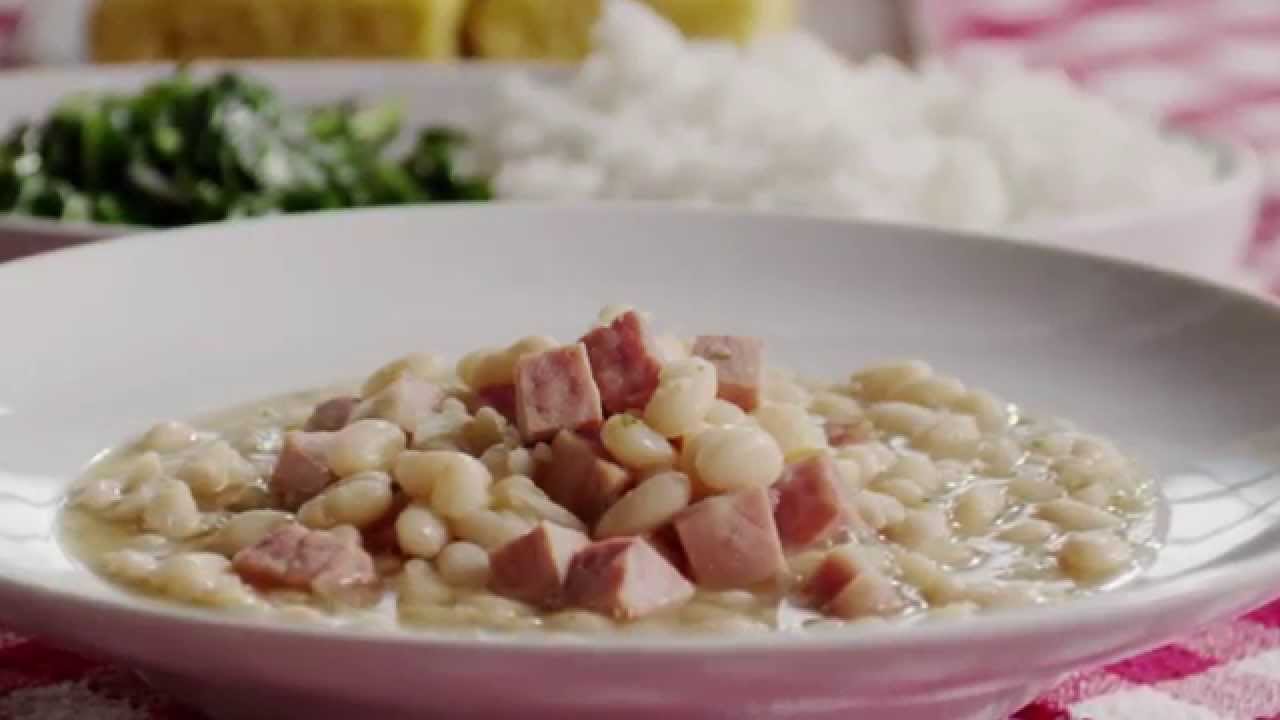
Ham and Beans Recipe: There’s something timeless and heartwarming about a big pot of ham and beans simmering on the stove. This classic American comfort food is a staple in many households, especially during cooler months. Whether it’s leftover holiday ham or a fresh smoked ham hock, this dish delivers rich, savory flavors that fill the kitchen with mouthwatering aroma. Made with simple pantry ingredients and full of protein and fiber, ham and beans isn’t just hearty—it’s downright soul-satisfying.
You might think it’s just a humble meal, but when done right, ham and beans can rival any gourmet dinner in terms of flavor and satisfaction. It’s one of those old-school recipes that has stood the test of time. Plus, it’s incredibly budget-friendly, which makes it perfect for feeding the whole family or meal prepping for the week.
In this article, I’ll walk you through every step you need to create this comforting dish from scratch. From selecting your beans to the final ladle into your bowl, everything’s covered in detail—because this isn’t just food, it’s tradition.
Why You’ll Love This Recipe
There are dozens of reasons to love ham and beans, but here are the most convincing:
- Easy to make: One pot, a few ingredients, and mostly hands-off cooking.
- Budget-friendly: Uses inexpensive pantry staples and leftover ham.
- Meal-prep dream: It tastes even better the next day.
- Feeds a crowd: Ideal for big families or gatherings.
- Customizable: Change the bean types, spice levels, or toss in veggies.
Unlike some meals that require fancy spices or expensive meats, this dish proves that simple is powerful. It’s one of those recipes that improves with time—meaning it makes a fantastic leftover lunch or dinner later in the week.
Perfect Occasions to Serve Ham and Beans
You don’t need a special occasion to enjoy this dish, but it does shine during particular moments:
- After-holiday meals: The best way to use up leftover ham.
- Cold winter nights: A bowl of steaming ham and beans warms the soul.
- Potlucks and gatherings: Easy to scale up for a crowd.
- Busy weekdays: Make once, eat all week.
- Camping trips: Hearty and perfect for outdoor cooking.
This dish bridges generations. It’s what grandma used to make on Sunday afternoons, and now you can bring it into your own kitchen with ease.
Health Benefits of Ham and Beans
While this dish is often seen as indulgent comfort food, it’s actually pretty wholesome:
- Rich in protein: Both ham and beans pack a protein punch.
- High in fiber: Beans support digestive health and help keep you full.
- Low in fat (if using lean ham): A great option for balanced meals.
- Full of nutrients: Beans provide folate, magnesium, iron, and potassium.
That said, be mindful of the sodium content—ham is salty by nature, so taste before you season.
Choosing the Right Ingredients
Best Type of Ham to Use
Your choice of ham can seriously affect flavor and texture. Here are some popular options:
- Leftover ham (bone-in or boneless): Adds deep flavor and reduces waste.
- Smoked ham hock or shank: Ideal for a smoky, rich taste.
- Diced ham steak: Works great if you’re short on time.
- Country ham: Salty and flavorful but use sparingly.
Dried vs. Canned Beans
This is a big decision that impacts both flavor and prep time:
- Dried beans: More traditional, better texture, and cheaper. Requires soaking.
- Canned beans: Convenient, no soaking required, and still delicious.
If using dried beans, opt for navy, great northern, or pinto beans.
List of Ingredients You’ll Need
Here’s a full list of what you’ll need for a classic ham and beans recipe:
- 1 lb dried navy beans (or great northern)
- 1½ to 2 cups diced ham (or 1 smoked ham hock)
- 1 medium onion, chopped
- 2–3 garlic cloves, minced
- 1–2 bay leaves
- 1 teaspoon black pepper
- Salt to taste
- 6–8 cups water or low-sodium chicken broth
- 1 tablespoon olive oil (optional for sautéing)
- Optional add-ins:
- Carrots, celery, thyme, smoked paprika, red pepper flakes
Keep it simple or make it your own with extra veggies and spices. This recipe is forgiving—it’s the technique that really matters.
Essential Kitchen Tools for This Recipe
To cook ham and beans effectively, here are some tools you’ll want to have:
- Large soup pot or Dutch oven
- Ladle
- Wooden spoon
- Cutting board and knife
- Measuring cups and spoons
- Colander (for rinsing beans)
- Slow cooker or Instant Pot (optional)
These tools make the job easier, but you can still whip this up with just a pot and some determination!
Soaking the Beans – Why It Matters
Soaking beans is a step you shouldn’t skip—especially if you’re using dried beans. Here’s why:
- Reduces cooking time: Soaked beans cook faster and more evenly.
- Improves digestion: Soaking removes compounds that cause bloating or gas.
- Enhances texture: Prevents beans from falling apart during cooking.
How to soak beans:
- Rinse 1 lb of beans under cold water.
- Place in a large bowl and cover with 3x water.
- Soak overnight (8–12 hours).
- Drain and rinse before cooking.
Short on time? Use the quick soak method:
- Boil beans for 2 minutes.
- Turn off heat and let sit, covered, for 1 hour.
- Drain, rinse, and they’re ready to cook.
Step-by-Step Guide to Cooking Ham and Beans
Follow this step-by-step process, and you’ll have a pot full of delicious, homemade ham and beans in just a few hours (or less, depending on your method). Let’s dive in.
Step 1: Preparing the Ingredients
Start by sorting and rinsing the beans to remove any debris. If using dried beans, soak them overnight or use the quick-soak method. Dice the ham into bite-sized pieces and chop onions, carrots, and celery. Measure out your broth and seasonings so everything is ready before cooking.
Step 2: Sautéing the Aromatics
Heat a large pot or Dutch oven over medium heat with a little oil. Add the chopped onion, carrots, and celery. Sauté for 3–4 minutes until softened and fragrant. Add minced garlic and cook for another 30 seconds, stirring to prevent burning.
Step 3: Simmering the Ham and Beans
Add the soaked beans and diced ham to the pot. Pour in enough broth or water to fully cover the beans. Bring to a gentle boil, then reduce heat to low. Cover and simmer for 1½–2 hours, stirring occasionally, until the beans are tender and the ham is flavorful.
Step 4: Seasoning and Taste Testing
Once the beans are soft, season with salt, black pepper, and optional herbs like thyme or bay leaf. Taste and adjust seasoning as needed. Avoid adding too much salt early, as the ham already adds saltiness.
Step 5: Final Touches
Remove the bay leaf if used and let the dish rest for a few minutes to thicken slightly. Serve hot with cornbread or crusty bread for a comforting meal.
How to Thicken the Ham and Beans
Prefer a thicker stew-like texture? No problem.
Here are a few simple ways to thicken your ham and beans:
- Mash a few beans against the side of the pot with your spoon and stir them back in.
- Simmer uncovered for the last 20–30 minutes to let excess liquid evaporate.
- Use a cornstarch slurry (mix 1 tablespoon cornstarch with 2 tablespoons cold water), then stir it in slowly while simmering.
- Add instant potato flakes—sounds strange, but they work like a charm in thickening soups and stews.
Thickness is personal preference. Some like it soupy, others more stew-like. Go with what feels right to you.
Slow Cooker Instructions
Want a set-it-and-forget-it version? Ham and beans are perfect for the slow cooker.
Here’s how:
- Add all ingredients (except salt) to your slow cooker.
- Use soaked dried beans or canned beans.
- Set to low for 7–8 hours or high for 4–5 hours.
- Stir occasionally if you can.
- Taste and adjust seasoning in the last hour.
Bonus tip: If you’re using canned beans, add them in the last 1–2 hours to prevent them from turning mushy.
Slow cooking brings out amazing depth in the flavors, especially if you’re using smoked ham hocks.
Instant Pot Instructions
Short on time? The Instant Pot has your back.
Here’s how to make ham and beans in the pressure cooker:
- Add all ingredients (except salt) into the Instant Pot.
- Set to High Pressure for 35–40 minutes if using soaked dried beans.
- If using unsoaked dried beans, cook for 45–50 minutes.
- Use 10–15 minutes natural release, then quick release any remaining pressure.
- Stir, taste, and adjust seasoning.
The Instant Pot gives you tender beans and rich flavor in under an hour. Perfect for busy weeknights!
Serving Suggestions
Ham and beans is a complete meal all on its own, but pairing it with a few sides or toppings can elevate it even more. Here are some crowd-pleasing ideas to serve alongside or with your bowl:
Bread, Bread, Bread
- Cornbread: Sweet or savory cornbread is a classic Southern pairing. It soaks up the broth beautifully.
- Crusty artisan bread: Perfect for dipping and scooping.
- Garlic toast or biscuits: Adds a buttery crunch.
Simple Sides
- Coleslaw: A cool, crunchy side contrasts nicely with the warm, hearty beans.
- Green salad: Lightens things up and adds freshness.
- Roasted or sautéed greens: Kale, collards, or spinach work well.
Toppings & Add-ins
- Chopped onions (raw or caramelized)
- Fresh herbs like parsley or thyme
- Shredded cheese for a creamy touch
- Hot sauce or vinegar for acidity and heat
This dish is comforting and versatile—dress it up or keep it rustic depending on the occasion.
How to Store and Reheat Leftovers
One of the best parts about ham and beans? The leftovers are even better the next day. The flavors continue to meld, and the texture gets creamier.
Storage Tips
- Let the dish cool to room temperature.
- Store in airtight containers in the refrigerator for up to 4–5 days.
- For longer storage, freeze in freezer-safe bags or containers for up to 3 months. Lay bags flat for easy storage.
Reheating Instructions
- Stovetop: Pour into a pot and reheat over low to medium heat, stirring occasionally.
- Microwave: Heat in a microwave-safe bowl in 1-minute intervals, stirring between each.
- Slow Cooker: Add a splash of broth or water and heat on low for 1–2 hours.
If it’s too thick when reheating, just add a splash of water or broth to loosen things up.
Tips and Tricks for the Best Ham and Beans
Want to make sure your ham and beans turn out amazing every time? Keep these pro tips in mind:
- Don’t salt too early: Wait until the beans are cooked. Ham can be salty enough.
- Low and slow is best: The longer it simmers, the more the flavors develop.
- Add acidity at the end: A splash of vinegar or lemon juice brightens the dish.
- Use leftover ham bones: They add unmatched depth and flavor.
- Don’t skip the aromatics: Onions and garlic form the flavor base.
- Check your beans: Old beans may never fully soften. Try to use fresh dried beans (within 6–12 months).
Common Mistakes to Avoid
Mistakes can happen, but let’s avoid the most common ones:
- Not soaking the beans
While canned beans skip this step, soaking dried beans ensures even cooking and better texture. - Adding salt too early
Beans don’t cook well in salty water. Wait to season until they’re tender. - Using too little liquid
Beans absorb a lot of water. Always keep an eye and add more broth if needed. - Forgetting to stir
Stir occasionally to prevent beans from sticking to the bottom. - Rushing the cook time
Beans need time to absorb all the delicious flavors. Don’t rush!
Avoiding these will help you get that perfect creamy texture and rich flavor every time.
FAQs about Ham and Beans Recipe
1. Can I use canned beans instead of dried beans?
Yes, absolutely. Canned beans work well and cut down on cooking time significantly. Just rinse them well and add them toward the last 30–45 minutes of cooking.
2. What’s the best type of bean for this recipe?
Navy beans and great northern beans are the traditional go-tos. They have a mild flavor and creamy texture that pairs beautifully with ham.
3. Can I make this vegetarian?
You can! Swap the ham for smoked paprika, liquid smoke, or vegetarian sausage. Use vegetable broth instead of chicken broth for a hearty meatless version.
4. Why do my beans stay hard even after cooking?
Old beans may not soften no matter how long you cook them. Also, adding salt or acidic ingredients (like vinegar or tomatoes) too early can make them tough. Always wait until beans are nearly cooked to season.
5. How do I make the dish more flavorful?
Use a ham bone or smoked ham hock, and sauté your onions and garlic before adding the liquid. You can also add bay leaves, thyme, or a splash of vinegar at the end to boost flavor.
Conclusion
There you have it—the ultimate guide to making old-fashioned ham and beans. This dish is more than just a recipe; it’s a symbol of home, tradition, and comfort. With minimal ingredients and a little time, you can create a meal that’s nourishing, budget-friendly, and incredibly satisfying.
Whether you cook it low and slow on the stovetop, let it simmer in your Crockpot, or whip it up fast in your Instant Pot, one thing’s for sure: this hearty bowl of ham and beans is going to warm your belly and your heart.
So grab that leftover ham, soak your beans, and bring this classic comfort dish to life. Trust me—your future self (and your family) will thank you.