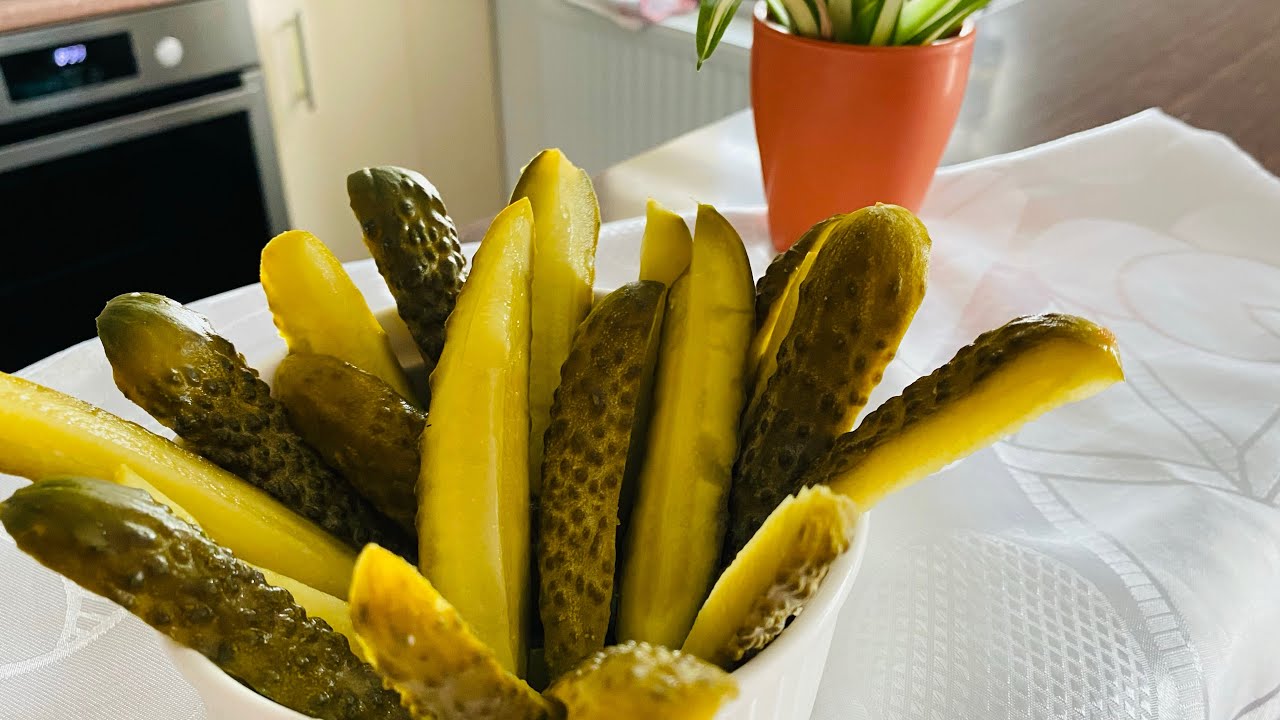
Half Sour Pickle Recipe: If you’re a fan of tangy, crisp, and refreshing pickles, there’s a good chance you’ve come across the half sour pickle. It’s the crunchy cousin of the classic dill, milder in flavor, and loaded with irresistible garlicky notes. Half sour pickles are fermented for a shorter period, giving them that crisp bite and subtle tang without overpowering acidity.
Unlike their full-sour counterparts, half sours don’t have that intense, vinegary punch. Instead, they strike a perfect balance—briny, a little garlicky, slightly salty, and totally addictive. And here’s the best part: you don’t have to be a fermentation expert to make them at home. In fact, with the right ingredients and a bit of patience, anyone can whip up a batch that rivals your favorite deli.
So, if you’re ready to take your pickle game to the next level, let’s break it down, step by step, from what you’ll need to the actual process—and everything in between.
What Are Half Sour Pickles?
Half sour pickles are a traditional New York-style delicacy that’s fermented for a short time—typically just a few days to a week. What makes them special is their fresh, crisp texture combined with a lightly fermented, slightly tangy flavor. They’re often described as “just right”—not too sour, not too bland.
The secret lies in the fermentation process. Unlike vinegar pickles, half sours rely on a saltwater brine to naturally ferment the cucumbers. The result is a probiotic-rich snack that’s good for your gut and great on your plate.
Their color also gives them away—they tend to stay bright green because the fermentation time is so short. Full sours, in contrast, turn more olive or army green due to extended fermentation.
Half sours are a staple in Jewish delis, often served alongside pastrami sandwiches or chopped up in a cold salad. But trust me—once you’ve made them at home, you’ll want to snack on them straight from the jar.
Benefits of Making Your Own Half Sour Pickles
Why bother making your own pickles when you can grab a jar at the store? Here are a few solid reasons:
- Better Taste: Homemade pickles taste fresher, crunchier, and way more flavorful than most store-bought versions.
- Probiotic Boost: Thanks to natural fermentation, your pickles are packed with gut-friendly bacteria.
- No Preservatives: You know exactly what’s going into your jar—no mystery chemicals or artificial stuff.
- Customizable Flavors: Want more garlic? Less salt? Spicy? Herbal? You’re the boss.
- Cost Effective: A few cucumbers, some salt, and water—that’s all it takes.
It’s also just satisfying. Like baking your own bread, there’s something super rewarding about pulling out a cold, crisp pickle that you made.
List of Ingredients You’ll Need
To make authentic half sour pickles, you’ll need just a handful of simple ingredients. Here’s what to gather before you start:
Core Ingredients:
- Fresh pickling cucumbers (Kirby cucumbers are best)
- Garlic cloves (peeled and lightly smashed)
- Fresh dill (heads and/or fronds)
Brine Ingredients:
- Water (preferably filtered or boiled and cooled)
- Pickling salt or kosher salt (avoid iodized salt)
Optional Add-ins:
- Black peppercorns
- Mustard seeds
- Coriander seeds
- Bay leaves
- Crushed red pepper flakes (for spice)
- Grape leaves (helps with crispness)
These ingredients will give you a solid, traditional half sour pickle flavor. But don’t be afraid to get creative once you’ve mastered the basics.
Choosing the Right Cucumbers
Not all cucumbers are created equal when it comes to pickling. If you want that signature crunch, you’ve got to start with the right kind.
Best Types for Pickling:
- Kirby Cucumbers: These are the gold standard. Short, firm, and slightly bumpy—perfect for absorbing brine.
- Persian Cucumbers: Smaller and smooth-skinned, they work well if Kirbys aren’t available.
How to Pick the Best Ones:
- Choose firm, unwrinkled cucumbers without soft spots.
- Smaller cucumbers (4–5 inches long) ferment more evenly.
- Avoid waxed cucumbers—they won’t ferment properly.
The fresher your cucumbers, the better your pickles. If you can grab them from a farmer’s market or pick-your-own farm, even better.
Essential Tools and Equipment
Making half sour pickles doesn’t require fancy gear, but a few basic tools can make the process easier and more consistent.
Must-Have Tools:
- Glass jars (quart-size mason jars or fermentation-specific jars)
- Lid and band or fermentation lid
- Measuring cups and spoons
- Large bowl (for preparing cucumbers)
- Cutting board and knife
Helpful Extras:
- Fermentation weights: Keeps cucumbers submerged under the brine.
- Airlock lids: Release gases without letting air in (for longer ferments).
- Funnel: Makes jar filling easier and less messy.
Even if you don’t have all the extras, you can still make amazing pickles with just jars, lids, and a little patience.
How to Make Half Sour Pickles – Step-by-Step Guide
Ready to dive in? Let’s break the process down into easy-to-follow steps. You don’t need to be a pro to pull this off—just follow the guide, and you’ll be snacking on crunchy, tangy pickles in no time.
Step 1: Prep Your Cucumbers
Start by washing your cucumbers thoroughly. Scrub off any dirt, especially near the blossom end, which can contain enzymes that soften pickles. If you have larger cucumbers, you can slice them into spears or rounds, but if you’re using smaller ones, leave them whole for maximum crunch.
Optional Tip: Cut off about 1/8 inch of the blossom end (opposite the stem end). This helps prevent soft pickles by removing enzymes that can interfere with fermentation.
Pat them dry and set aside in a clean bowl.
Step 2: Prepare the Brine
Your brine is the magic behind the pickling process. For half sours, the goal is a mild, salty solution that encourages short fermentation.
Basic Brine Ratio:
- 4 cups of water
- 3 tablespoons of pickling or kosher salt
Stir the salt into room-temperature or warm (not hot) water until fully dissolved. Make sure the salt is non-iodized, as iodine can interfere with fermentation.
If you’re scaling the recipe, keep the same ratio (about 3 tablespoons salt per quart of water).
Step 3: Add Herbs and Spices
Here’s where the flavor builds. At the bottom of your clean jars, drop in your garlic cloves, fresh dill, and any spices you like.
Suggested Add-ins per quart jar:
- 2–3 garlic cloves, smashed
- 2–3 sprigs of fresh dill (or 1 dill head)
- 1 tsp black peppercorns
- 1/2 tsp mustard seeds
- 1 bay leaf
- Pinch of red pepper flakes (optional)
Don’t overpack the spices—too many can overwhelm the flavor or make the brine cloudy.
Step 4: Pack the Jars
Now it’s time to add your cucumbers. Stand them upright or lay them flat—whichever fits best in your jar.
Pack the cucumbers snugly, but don’t force them in. You want room for brine to flow around them. Leave about 1 inch of headspace at the top of the jar.
If you have fermentation weights, place one on top of the cucumbers to keep them submerged.
Step 5: Pour in the Brine
Carefully pour the brine over your cucumbers until they are completely covered. The key is to ensure there are no floating pieces above the brine line.
Important: The cucumbers must stay submerged! Any pieces sticking out can mold.
Top with a lid (loosely fitted if using a standard jar) or a fermentation lid if you have one.
Step 6: Cover and Ferment
Place the jars on a plate or tray (they may bubble over) and keep them at room temperature, ideally around 65–75°F (18–24°C).
Let them sit for 2–4 days. Check daily:
- Look for tiny bubbles—this is fermentation!
- Burp the jars if using standard lids (open and reseal to release pressure).
- Skim off any scum or foam that rises.
Taste a pickle on day 3. If it’s tangy enough for your liking, you’re done. If not, let it go another day or two.
Step 7: Taste and Refrigerate
Once your pickles hit that perfect balance of saltiness and tang, transfer the jars to the refrigerator. This halts the fermentation and locks in the flavor.
They’ll keep for about 3–4 weeks in the fridge, getting slightly more sour over time.
How Long to Ferment Half Sour Pickles
Fermentation time varies depending on temperature and personal taste. At warmer temps, they ferment faster; in cooler conditions, slower.
Here’s a general timeline:
- Day 1–2: Brine starts bubbling, cucumbers stay crisp and bright green.
- Day 3–4: Pickles develop flavor and slight tanginess—ideal half sour stage.
- Day 5+: Deeper sour flavor, softer texture—approaching full sour.
Pro Tip: Taste test daily starting on day 3. When they’re perfect, refrigerate immediately to slow fermentation.
How to Store Half Sour Pickles
Once they’re in the fridge, your pickles can stay delicious for weeks. Here’s how to keep them at their best:
- Always use clean utensils to remove pickles—no fingers in the jar!
- Keep cucumbers fully submerged under brine.
- Close the lid tightly after each use.
- Watch for signs of spoilage (foul smell, mushiness, or mold).
If stored properly, your half sours should last up to a month, though they’re usually long gone before then.
Customizing Your Half Sour Pickles
Want to make these your own? Go wild! There’s plenty of room for creativity.
Spice Lovers:
- Add fresh jalapeño slices or chili flakes for heat.
- Try horseradish root for an extra punch.
Flavor Twists:
- Add lemon zest or a slice of fresh ginger.
- Swap out dill for other herbs like tarragon or thyme.
Garlic Bomb:
- Double the garlic if you want them extra pungent.
- Roast the garlic before adding for a mellow, sweet note.
The beauty of DIY pickles is you control the flavor. Taste and tweak until they’re exactly how you like them.
Troubleshooting Common Issues
Even though half sour pickles are easy to make, sometimes things don’t go as planned. Don’t worry—most issues are minor and easy to fix. Let’s go over the most common ones and how to solve them.
1. Cloudy Brine
Cloudiness is usually harmless and totally normal during fermentation. It’s caused by natural bacteria doing their job. But, if it’s paired with a bad smell or slimy texture, toss the batch.
Fix: Use distilled or filtered water and avoid iodized salt to prevent excess cloudiness.
2. Mushy Pickles
Nobody likes a floppy pickle. Mushiness usually happens because of:
- Overripe or old cucumbers
- High fermentation temps
- Cutting too much off the ends
Fixes:
- Always use fresh, firm cucumbers.
- Keep fermentation in a cooler room.
- Add a grape leaf or black tea bag—tannins help keep things crisp!
3. Mold on the Surface
Surface mold (usually white and fuzzy) can form if cucumbers float above the brine.
Fix:
- Skim off any mold immediately.
- Keep cucumbers submerged using weights or extra brine.
If the mold looks black, blue, or pink—or if the pickles smell rotten—throw the batch out. Safety first.
4. Pickles Fermenting Too Fast
Warm weather can speed things up, making your pickles overly sour in just a day or two.
Fix:
- Ferment in a cooler area or shorten your fermentation time.
- Refrigerate as soon as the flavor is right.
Troubleshooting is part of the fun. As you make more batches, you’ll get a feel for what works best in your kitchen.
Nutritional Info and Health Benefits
Half sour pickles are more than just a crunchy snack—they’re a healthy addition to your diet (in moderation, of course).
Nutrition Snapshot (per medium pickle):
- Calories: ~5
- Carbs: ~1g
- Fat: 0g
- Protein: 0g
- Sodium: ~300-600mg (depends on brine)
Health Benefits:
- Probiotic-rich: Naturally fermented pickles contain lactobacillus, a friendly bacteria that supports gut health.
- Low calorie: You can snack without the guilt.
- Hydration boost: Thanks to their high water content and electrolytes.
- Blood sugar support: Some studies suggest vinegar and fermented foods can help regulate blood sugar spikes.
However, because of the salt content, it’s best to enjoy them in moderation—especially if you’re watching your sodium intake.
Serving Ideas and Pairings
Sure, you can eat your pickles straight from the jar—but don’t stop there. These guys are the ultimate flavor enhancer for tons of dishes.
Classic Pairings:
- Sandwiches: Especially deli meats like pastrami, roast beef, or turkey.
- Burgers and hot dogs: A crunchy slice takes it to the next level.
- Charcuterie boards: Adds brightness to cheese and cured meat platters.
Creative Uses:
- Chop and mix into tuna or egg salad for tang and crunch.
- Slice and top on avocado toast for a salty, sour bite.
- Blend into a pickle dressing with olive oil, mustard, and herbs.
Once you have a jar of homemade pickles in your fridge, you’ll find yourself adding them to just about everything.
FAQs about Half Sour Pickle Recipe
1. Can I use table salt instead of pickling salt?
Yes, but it’s not ideal. Table salt contains iodine and anti-caking agents, which can affect fermentation and cause cloudy brine. Pickling salt or pure kosher salt is the way to go.
2. How do I know when the pickles are ready?
Taste them! After 2–4 days of fermenting, give one a try. When it’s crunchy with a mild sour flavor and bright green color, it’s done.
3. Can I reuse the brine for another batch?
It’s not recommended. The salt level and bacterial balance change during fermentation. Always make a fresh batch of brine for each new jar.
4. What’s the difference between fermented and vinegar pickles?
Fermented pickles (like half sours) use saltwater and natural bacteria to ferment the cucumbers. Vinegar pickles are preserved with a vinegar-based solution and aren’t typically probiotic.
5. Can I make these pickles spicy?
Absolutely! Add sliced jalapeños, chili flakes, or even hot sauce to the jar. Customize the heat level to your liking.
Conclusion
There you have it—the ultimate guide to making your own half sour pickles from scratch. With just a few ingredients and a little bit of time, you can create a jar (or three) of crunchy, garlicky goodness that blows store-bought pickles out of the water.
The best part? Once you get the hang of the basic recipe, the possibilities are endless. Spice them up, mellow them out, or load them with herbs—you’re the pickle master now.
So go ahead and try a batch. Your sandwiches (and your taste buds) will thank you.