Halal Chicken Recipe: Ever wonder what makes halal chicken so special? If you’re diving into the world of halal cooking, you’re in for a flavorful and ethical journey. Halal, an Arabic term meaning “permissible,” refers to food that’s allowed under Islamic dietary laws. When it comes to meat—especially chicken—halal isn’t just about avoiding pork; it’s about how the animal is treated, slaughtered, and even how it’s prepared afterward.
Choosing halal chicken is becoming more popular even outside Muslim communities. Why? It’s all about cleaner preparation, better taste, and higher ethical standards. Halal practices require animals to be healthy at the time of slaughter, and they must be treated humanely, with a sharp knife used to minimize pain. Plus, blood must be fully drained from the meat, which many believe results in a cleaner, fresher-tasting dish.
So, if you’re ready to cook a dish that’s both delicious and ethically sound, let’s walk through this easy and satisfying halal chicken recipe. Trust me—it’s not only about religious observance. It’s about flavor, responsibility, and creating a dish that’s truly satisfying in every way.
Health and Ethical Benefits of Halal Chicken
Did you know halal chicken could be healthier and more humane than other meat options? It’s true. Let’s talk benefits, because halal isn’t just a label—it’s a whole system of thought around food, health, and treatment of animals.
First off, halal chicken is often cleaner. The method of slaughter ensures that most of the blood drains from the animal, and that matters because blood can be a breeding ground for bacteria. Less blood = fresher, longer-lasting meat.
On the ethical side, halal guidelines emphasize that animals must be treated with kindness and respect. This includes proper feeding, clean environments, and minimal stress during the slaughter process. That means if you’re choosing halal, you’re supporting a more humane approach to animal farming.
There’s also growing evidence that the halal slaughter method may contribute to better-tasting meat. Without excess blood and stress hormones, the meat is often more tender and less gamey. And because the animals must be healthy at the time of slaughter, you’re less likely to be exposed to diseased or poorly raised livestock.
So, when you choose halal chicken, you’re not just making a religious or cultural decision—you’re making a smart one for your health and for animal welfare.
Choosing the Right Halal Chicken
Walking into a grocery store and picking up any chicken labeled “halal” might seem easy enough, but there’s a little more to it. Not all labels are created equal, and knowing what to look for ensures your dish stays true to its halal roots.
Start by looking for official certification. Trusted logos from recognized halal certifying bodies (like HFA, IFANCA, or others depending on your country) mean the chicken has been processed according to strict halal guidelines. If you don’t see a certification, ask questions or check the brand’s website for sourcing info.
You’ll also want to pay attention to the packaging. Look for terms like “Zabiha halal,” which refers specifically to the proper Islamic method of slaughter. Avoid vague labels like “halal-style,” which can be misleading.
If you have access to a local halal butcher, even better. You’ll not only get fresh, high-quality chicken but also direct answers about how the meat was processed.
Whether it’s boneless thighs, whole chicken, or drumsticks, knowing your chicken is genuinely halal brings peace of mind—and a boost to the final flavor of your dish.
List of Ingredients You’ll Need
Alright, now let’s get into the fun part—cooking! But first, gather your ingredients. Here’s what you’ll need for a classic, flavor-packed halal chicken dish:
Protein:
- 1.5 to 2 lbs of halal-certified chicken (thighs, drumsticks, or breast)
For the Marinade:
- 1 cup plain yogurt (acts as a tenderizer)
- 2 tablespoons lemon juice (adds brightness)
- 1 tablespoon olive oil
- 5 cloves garlic, minced
- 1-inch piece of ginger, grated
- 1 teaspoon ground cumin
- 1 teaspoon ground coriander
- 1 teaspoon turmeric
- 1 teaspoon smoked paprika (for depth)
- 1/2 teaspoon cayenne pepper (optional, for heat)
- Salt and pepper to taste
Optional Add-ons:
- Fresh cilantro (for garnish)
- Sliced onions (for cooking with the chicken)
- Cherry tomatoes or bell peppers (for a colorful twist)
These ingredients are pretty accessible, and if you’ve dabbled in Middle Eastern, Indian, or Mediterranean cooking, you probably already have most of them in your pantry. The yogurt and spice combo gives the chicken that juicy, flavorful coating that’s hard to resist.
The best part? This marinade works great whether you’re grilling, baking, or pan-searing.
Kitchen Tools You’ll Need
Before we dive into the actual cooking process, make sure your kitchen is equipped with the basics. Having the right tools will not only save you time but also make the process a whole lot smoother.
Essential Tools:
- Mixing bowl (for marinating the chicken)
- Sharp knife (for trimming and slicing)
- Cutting board (preferably separate for meat)
- Grill pan, baking tray, or skillet (depending on your cooking method)
- Meat thermometer (optional but helpful)
- Tongs or spatula
- Aluminum foil (if baking)
Bonus Tools:
- Food processor (for a smoother marinade, if desired)
- Basting brush (to reapply marinade during grilling)
- Ziploc bags (for mess-free marination)
Having these items on hand will turn your cooking session from a stress-fest into a breeze. Plus, once you get the hang of this recipe, you’ll probably want to make it again and again. Trust me—you’ll want to be ready.
Step-by-Step Guide to Cooking Halal Chicken
Let’s break it down step by step so you can nail this recipe every time. Whether you’re a kitchen newbie or a seasoned cook, these directions are easy to follow and packed with flavor.
Step 1: Clean and Prep the Chicken
Start by rinsing your halal chicken under cold water and patting it dry with paper towels. Trim off excess fat and skin, depending on your preference. You can score the chicken with a few shallow cuts to help the marinade absorb better.
Step 2: Marinate the Chicken
In your mixing bowl, combine yogurt, lemon juice, olive oil, garlic, ginger, and all the spices. Stir well until it becomes a thick, fragrant mixture.
Add the chicken pieces and make sure each piece is fully coated. Cover the bowl or seal your Ziploc bag and let the chicken marinate in the fridge for at least 2 hours—overnight is even better for deeper flavor.
Step 3: Cook the Chicken
Choose your cooking method:
- Grilling: Preheat your grill to medium-high. Place chicken on the grill and cook 6–8 minutes per side, depending on thickness.
- Baking: Preheat oven to 400°F (200°C). Place chicken on a foil-lined tray and bake for 25–30 minutes, turning once halfway.
- Pan-Searing: Heat oil in a skillet over medium-high heat. Cook chicken 5–7 minutes per side until golden and cooked through.
Use a meat thermometer if you’re unsure—you’re looking for an internal temperature of 165°F (74°C).
Step 4: Rest and Serve
Once cooked, let the chicken rest for 5 minutes. This keeps the juices inside. Garnish with chopped cilantro, serve with lemon wedges, and enjoy!
Different Cooking Methods for Halal Chicken
The great thing about halal chicken? It’s incredibly versatile! Whether you’re cooking for a quick weeknight dinner or hosting a weekend feast, there’s a method to match every mood and schedule. Let’s look at three of the most popular cooking methods and how to get the best flavor out of each.
Grilling
Grilling brings out a smoky, charred flavor that works beautifully with marinated halal chicken. It’s perfect for summer barbecues or when you’re craving that outdoor-grill vibe. Just make sure the grill is preheated and cleaned. Oil the grates slightly to prevent sticking.
Tips for Grilling:
- Use bone-in chicken for juicier results.
- Flip only once to keep moisture locked in.
- Baste with leftover marinade (set aside separately before raw chicken goes in!) for extra flavor.
Baking
Not in the mood for standing over a flame? Baking is your go-to method. It’s hands-off, consistent, and ideal for cooking larger portions.
Tips for Baking:
- Line your baking tray with foil or parchment for easy cleanup.
- Bake at 400°F (200°C) for around 25–30 minutes.
- Broil the last 2 minutes to get a crispy top layer.
Pan-Searing
Quick, crispy, and flavorful—pan-searing is the MVP for weeknight cooking. With a little oil and a hot skillet, your halal chicken turns golden brown and full of deep flavor.
Tips for Pan-Searing:
- Don’t overcrowd the pan.
- Use medium-high heat and sear each side 5–7 minutes.
- Finish with a splash of lemon juice or butter for extra richness.
Each method brings something unique to the table, so feel free to rotate based on your schedule or mood. You can’t go wrong!
Flavor Variations
Once you’ve mastered the base recipe, it’s time to have some fun! With just a few tweaks, you can transform your halal chicken into a variety of regional and flavor-packed dishes. Here are some of our favorites:
1. Spicy Halal Chicken
If you’re a fan of heat, amp up the cayenne pepper and toss in some crushed chili flakes. You can also blend in a spoonful of harissa or chili paste to really crank it up.
Flavor Profile: Hot, bold, intense
Best Method: Grilled or pan-seared
Serve With: Cool cucumber yogurt or raita
2. Lemon Garlic Halal Chicken
This one’s for garlic lovers. Add extra minced garlic and swap the yogurt for a lemon-garlic olive oil marinade. The acidity balances the richness beautifully.
Flavor Profile: Bright, zesty, savory
Best Method: Baked or grilled
Serve With: Herbed rice or roasted veggies
3. Smoky BBQ Halal Chicken
Mix in some BBQ sauce with the yogurt marinade or use it as a glaze toward the end of cooking. Add smoked paprika or liquid smoke for a rich, smoky twist.
Flavor Profile: Sweet, smoky, bold
Best Method: Grilled or baked
Serve With: Corn on the cob and coleslaw
Flavor customizations let you keep things fresh and exciting. Plus, once you start playing around, you’ll find your personal favorite combo in no time.
Serving Suggestions
Halal chicken is delicious on its own, but why stop there? Let’s talk sides. A good meal is all about balance, and these pairings will elevate your dish to the next level.
Traditional Options:
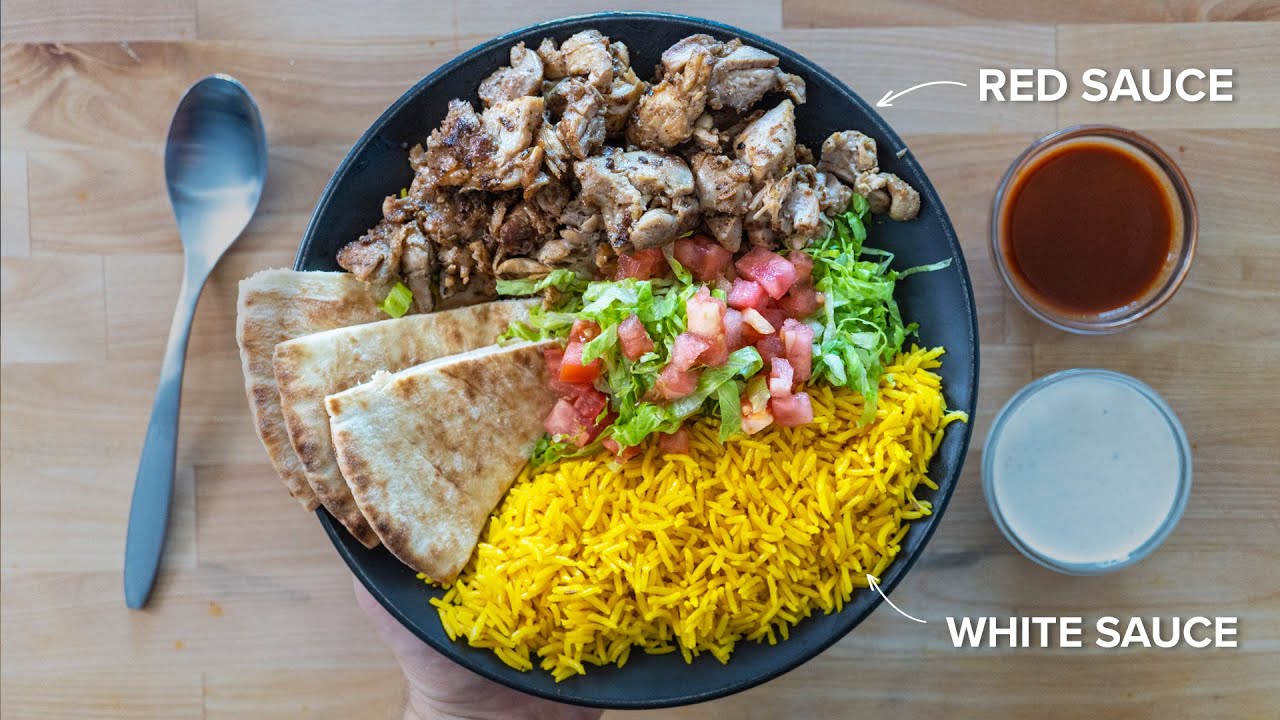
- Biryani Rice – Fragrant, spiced rice pairs wonderfully with grilled halal chicken.
- Flatbreads – Serve with naan, pita, or paratha to scoop up every bit of flavor.
- Cucumber Yogurt Sauce (Raita) – Adds a cool contrast to spicy chicken.
Modern Twists:
- Roasted Veggies – Toss some zucchini, bell peppers, and carrots in olive oil and roast them.
- Quinoa or Couscous – Light and fluffy grains make for a healthy base.
- Fresh Salad – Think cherry tomatoes, cucumbers, red onions, and a lemon vinaigrette.
Serving Ideas:
- Slice up the chicken and stuff it in a wrap with lettuce and sauce.
- Serve over a rice bowl with veggies and tahini drizzle.
- Use leftovers in sandwiches or chopped into a salad for a next-day lunch.
Whether you’re keeping it classic or going modern, your halal chicken deserves the perfect partner on the plate.
Storage and Reheating Tips
Cooked a big batch? Awesome. Leftovers can be a lifesaver—if stored and reheated the right way. Here’s how to keep your halal chicken tasting fresh even the next day (or two).
Storing Tips:
- Let the chicken cool completely before storing.
- Use airtight containers or wrap in foil.
- Refrigerate within 2 hours of cooking.
- Store in the fridge for up to 3–4 days.
Freezing Option:
- You can freeze cooked halal chicken for up to 2 months.
- Store in freezer-safe bags with the air squeezed out.
- Label with date for easy tracking.
Reheating Tips:
- Microwave: Use a damp paper towel over the chicken to retain moisture. Heat in 30-second bursts.
- Oven: Wrap in foil and bake at 350°F (175°C) for 10–15 minutes.
- Skillet: Reheat on medium with a splash of water or broth to prevent drying out.
The trick is not to overheat, or you’ll end up with dry meat. Proper storage means your hard work lasts longer—and tastes just as good.
Halal Chicken for Meal Prep
Meal prepping with halal chicken? Genius move. It’s versatile, reheats well, and can be used in tons of different meals throughout the week. Here’s how to set yourself up for a delicious, stress-free week:
Plan Ahead:
- Choose two flavor variations to keep things interesting.
- Cook in batches—grill one batch, bake another.
- Portion into containers with different sides (rice, salad, couscous).
Prep Ideas:
- Chicken wraps with hummus and greens.
- Rice bowls with halal chicken, veggies, and tahini.
- Salad toppers for quick, protein-packed lunches.
Storage Tip: Use BPA-free containers and separate sauces or wet ingredients until serving to avoid sogginess.
By investing a few hours on the weekend, you’ll save time, money, and decision-fatigue during the week. Plus, you’ll always have something tasty ready to go.
Common Mistakes to Avoid
Even the most flavorful halal chicken recipe can go south if a few key details are missed. Here are the most common pitfalls that beginners (and sometimes even experienced cooks!) make—and how to avoid them.
1. Skipping the Marination Time
Marinating is not optional. Those aromatic spices and yogurt need time to penetrate the meat. If you rush it with a 15-minute marinade, you’ll lose out on flavor and tenderness.
Fix: Marinate for at least 2 hours, but ideally overnight. It makes a world of difference.
2. Overcooking the Chicken
Nobody likes dry chicken. Overcooking is the quickest way to suck the life out of your juicy halal masterpiece.
Fix: Use a meat thermometer and pull the chicken when it reaches 165°F (74°C) at the thickest part. Let it rest for 5 minutes after cooking to keep the juices locked in.
3. Not Checking for Proper Halal Certification
Not all chicken labeled “halal” truly meets the standards. If you’re cooking for someone who follows halal dietary rules strictly, this can be a major issue.
Fix: Always look for official halal certification logos from trusted bodies. When in doubt, ask your butcher or supplier.
4. Using Low-Quality Chicken
Even the best marinade can’t save chicken that was poorly raised or processed.
Fix: Choose fresh, organic or free-range halal chicken if possible. It’s cleaner, tastier, and better for you.
5. Uneven Cooking
Cooking chicken straight from the fridge or using pieces that vary too much in size can lead to one part being dry while another is undercooked.
Fix: Let chicken come to room temperature before cooking and try to use pieces of similar size. This ensures even cooking and a better result.
Avoiding these mistakes guarantees you’ll end up with juicy, flavorful halal chicken every single time. A few mindful tweaks = a big leap in quality.
Nutritional Value of Halal Chicken
Besides being delicious and ethically sound, halal chicken is also a solid addition to a balanced diet. Whether you’re trying to build muscle, lose weight, or simply eat clean, this protein powerhouse has got your back.
Let’s break it down.
Macronutrient Breakdown (per 100g of cooked skinless chicken breast):
| Nutrient | Amount |
|---|---|
| Calories | ~165 kcal |
| Protein | ~31g |
| Fat | ~3.6g |
| Carbohydrates | 0g |
| Cholesterol | ~85mg |
Why It’s Good for You:
- High in Protein: Essential for muscle repair and growth.
- Low in Fat: Especially if you use skinless chicken.
- Zero Carbs: Perfect for low-carb and keto diets.
- Rich in B Vitamins: Especially niacin (B3) and B6, which help with metabolism and brain function.
- Iron and Zinc: Key minerals for immune function and energy.
Because halal practices require the animal to be healthy at the time of slaughter and fully drained of blood, the result is often cleaner, less fatty meat. That makes it a great choice for people watching their weight or looking to eat more ethically sourced food.
Of course, nutritional content can vary depending on the cut (breast, thigh, wings), how you cook it (grilled vs. fried), and the ingredients used in your marinade or sauce. But overall, it’s a lean, mean, protein-packed dream.
FAQs about Halal Chicken Recipe
1. Is all chicken halal if it’s slaughtered properly?
Not necessarily. It must meet specific Islamic guidelines, including the prayer during slaughter and certification by an official halal body. Just being “clean” isn’t enough.
2. Can I make halal chicken recipes spicier?
Absolutely! Just increase the cayenne pepper, chili flakes, or even add fresh chopped chilies to the marinade. Customize it to your heat tolerance.
3. What’s the best cut of chicken for this recipe?
It depends on your cooking method. Thighs are juicier and great for grilling. Breasts are leaner and better for baking or pan-searing. Drumsticks are kid-friendly and fun to eat.
4. Can I cook halal chicken in an air fryer?
Yes! Preheat your air fryer to 375°F (190°C), and cook marinated chicken for 18–20 minutes, flipping halfway through. It’s quick and healthy.
5. How do I know my chicken is fully cooked?
Use a meat thermometer—165°F (74°C) is the magic number. Or slice into the thickest part; it should be white with no pink and juices should run clear.
Conclusion
From carefully selecting halal-certified chicken to marinating it with bold spices and cooking it to juicy perfection, this recipe has it all. And with the added bonus of multiple cooking styles, flavor variations, and sides, you’ll never get bored.
Whether you’re prepping meals for the week, serving guests, or just cooking up something special for yourself, this halal chicken recipe is sure to hit the spot.
So next time you’re in the kitchen, grab those spices, marinate with intention, and cook with confidence. Your taste buds—and your body—will thank you.