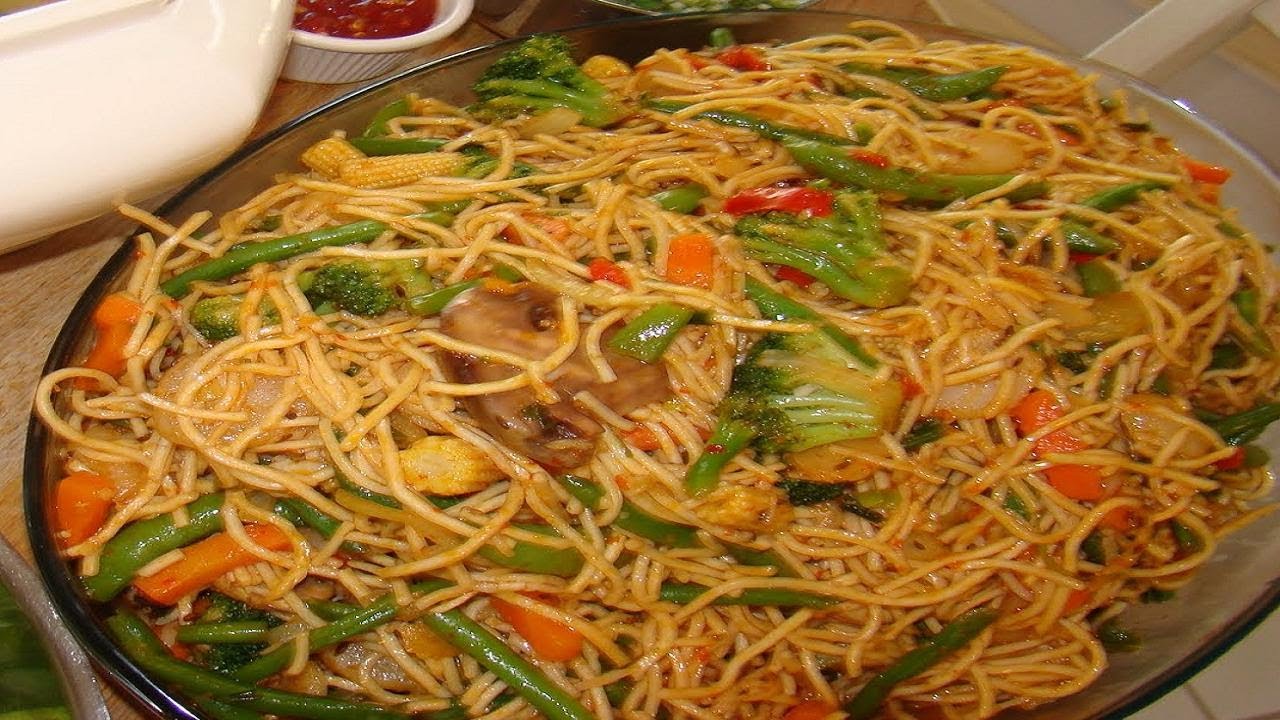
Hakka Noodles Recipe: Hakka noodles are one of those dishes that seem simple, but once you get that first bite right, you’ll be hooked. Originating from the Chinese community in India, these stir-fried noodles are now a staple at Indian restaurants and street food stalls alike. They’re fast, flavorful, and loaded with veggies, and you can tweak the spice level exactly the way you like it. Whether you’re craving something spicy, savory, or just comfort food in a bowl, Hakka noodles never disappoint.
This is your ultimate, no-fail, step-by-step guide to making restaurant-style Hakka noodles at home—even better than takeout!
Ingredients You’ll Need
Main Ingredients
Here’s what you’ll need for a classic Hakka noodle base:
- Noodles: Choose Hakka noodles or any boiled, long wheat noodles (avoid overly thick or soft noodles).
- Oil: Use vegetable oil, sesame oil, or sunflower oil for high-heat cooking.
- Vegetables: Cabbage, bell peppers (red, green, yellow), carrots, spring onions, onions, and beans are standard.
- Ginger & Garlic: Finely chopped or minced for strong flavor.
- Green Chilies: Optional, for a spicy kick.
Sauce Ingredients
These are the backbone of that umami-packed flavor:
- Soy Sauce: Use dark soy sauce for color and depth.
- Vinegar: White vinegar or rice vinegar adds tanginess.
- Chili Sauce: Red chili sauce or Schezwan sauce for heat.
- Black Pepper: Freshly crushed for seasoning.
- Salt: Add minimally, since sauces are usually salty.
Optional Add-ins for Extra Flavor
- Ajinomoto (MSG): Optional, for restaurant-style flavor.
- Tofu or Paneer: Add protein with diced cubes.
- Scrambled Eggs: Cook separately and mix in.
- Cooked Chicken or Shrimp: Stir-fried beforehand for non-veg lovers.
Tools and Equipment You’ll Need
- Large Wok or Non-Stick Pan: For high-heat stir-frying.
- Spatula: Wooden or silicone works best.
- Strainer: To drain noodles quickly.
- Chopping Board & Knife: For prepping your veggies.
- Mixing Bowl: For your sauces.
Having everything prepped and within reach will make your cooking smooth and fun.
Preparation Before Cooking
Before the flame hits the wok, let’s prep like a pro chef.
How to Boil Noodles Perfectly (Non-Sticky)
Nothing ruins Hakka noodles faster than mushy or sticky strands. Follow this foolproof trick:
- Bring a large pot of water to a rolling boil.
- Add 1–2 teaspoons of oil and a generous pinch of salt to the water.
- Drop the noodles in and stir occasionally.
- Boil for just 2–3 minutes or until 80–90% cooked (they’ll finish cooking in the pan).
- Drain immediately and rinse under cold water. This stops the cooking process.
- Toss with a few drops of oil to prevent clumping.
This step is key to getting that springy, al dente texture in your noodles.
How to Prep Vegetables for Quick Stir Fry
Time is everything during stir-frying, so your veggies need to be ready:
- Slice carrots, cabbage, and peppers into thin julienne strips.
- Chop spring onions finely (separate white and green parts).
- Mince garlic, ginger, and green chilies.
Want pro-level presentation? Try and keep your veggie cuts uniform—it helps them cook evenly and look Insta-worthy!
Mixing the Sauce Ahead of Time
Save time during the actual stir-fry by combining all your sauces in a bowl:
- 1 tbsp soy sauce
- 1 tbsp vinegar
- 1 tsp chili sauce
- ½ tsp black pepper
Whisk it together and keep it aside. Taste and tweak as you like—spicy lovers, feel free to double the chili sauce!
Step-by-Step Guide to Make Hakka Noodles
Here’s the magic—your complete walkthrough to making amazing Hakka noodles at home:
Step 1: Boil and Rinse the Noodles
Bring a large pot of water to a rolling boil. Add Hakka noodles and cook until just tender, following the package instructions. Drain immediately and rinse under cold water to stop further cooking. Toss lightly with a little oil to prevent sticking and set aside.
Step 2: Chop and Prep All Veggies
Slice all vegetables before you start cooking. Common choices include cabbage, carrots, bell peppers, spring onions, and beans. Keep everything thin and uniform so the vegetables cook quickly and evenly in the wok.
Step 3: Heat the Wok Right – Why It Matters
Place your wok on high heat and let it get very hot before adding oil. A hot wok prevents soggy noodles, locks in flavor, and gives Hakka noodles their signature smoky taste.
Step 4: Stir Fry the Vegetables
Add oil to the hot wok, followed by minced garlic and ginger. Stir briefly, then add the vegetables. Stir fry for 2–3 minutes, keeping them crisp and colorful. Avoid overcooking.
Step 5: Add Noodles and Sauce – Timing Is Key
Add the cooked noodles to the wok, followed immediately by soy sauce, a little vinegar, salt, pepper, and optional chili sauce. Adding sauce quickly prevents the noodles from drying out.
Step 6: Toss Everything Quickly Without Overcooking
Using tongs or two spatulas, toss everything together on high heat for 1–2 minutes. Keep the noodles moving to avoid burning. Once evenly coated and hot, remove from heat and serve immediately.
Tips for Perfect Restaurant-Style Hakka Noodles
You’ve followed the steps, but here are some expert-level tricks to elevate your noodles:
- Use a carbon steel wok or cast iron pan – They retain heat better and create that smoky wok-hei flavor.
- Never overcrowd the pan – Cook in batches if needed. Overcrowding lowers the heat and steams the ingredients instead of frying them.
- Add sauces after tossing noodles – This helps lock in the flavor and prevents burning.
- Toss, don’t stir – Use a flipping motion rather than stirring, which breaks noodles.
- Finish with sesame oil – A light drizzle at the end adds aroma and authentic flair.
Follow these, and people will think you ordered takeout from the best Indo-Chinese joint in town.
Variations You Can Try
Bored with just veggies? Let’s explore some exciting ways to switch things up:
Vegetable Hakka Noodles
- A meatless classic, perfect for vegetarians.
- Add baby corn, mushrooms, and broccoli for variety.
Chicken Hakka Noodles
- Add cooked, shredded chicken during the final toss.
- Use boneless thighs for extra juiciness.
Egg Hakka Noodles
- Scramble 2 eggs separately and mix them in.
- Gives a nice protein boost and a soft texture.
Spicy Schezwan Hakka Noodles
- Replace chili sauce with Schezwan sauce.
- Add chili oil or crushed red pepper for extra fire!
Mix and match depending on your taste and dietary needs—there’s a version for everyone.
Serving Suggestions
Wondering what to serve with your hot plate of Hakka noodles?
- Manchurian (Veg or Chicken) – A classic Indo-Chinese combo.
- Hot and Sour Soup – Starts your meal with a zing.
- Spring Rolls – Add crunch and variety.
- Chili Paneer or Chili Chicken – Brings heat and protein.
You can also serve Hakka noodles as a complete one-bowl meal. Just top with a fried egg or sautéed tofu for extra satisfaction.
Storage and Reheating Tips
Made a big batch? No worries.
How to Store Leftovers
- Cool the noodles completely before storing.
- Place in an airtight container and refrigerate for up to 3 days.
Best Way to Reheat
- Heat a non-stick pan or wok on medium.
- Add a splash of oil or water to prevent sticking.
- Stir fry the noodles for 2–3 minutes until hot.
Avoid microwaving if you can—it can make the noodles rubbery and unevenly heated.
Healthier Alternatives
Trying to keep things light? You can still enjoy Hakka noodles guilt-free.
- Whole wheat or rice noodles – For more fiber or gluten-free diets.
- Less oil – Use a non-stick pan and reduce oil without losing flavor.
- More veggies, less noodle – Bulk up the plate with cabbage, carrots, and bell peppers.
- Low-sodium sauces – Look for reduced-salt soy sauce options.
Hakka noodles don’t have to be a cheat meal—just make a few swaps and it becomes totally weeknight-friendly.
Common Mistakes to Avoid
Even experienced cooks make these errors sometimes:
- Overcooking noodles – Always undercook slightly.
- Not rinsing noodles – Skipping this will make them sticky.
- Cooking on low heat – You’ll lose the smoky, stir-fried effect.
- Using too much sauce – Makes it soggy and overpowering.
- Not prepping in advance – Stir-frying is fast-paced; unpreparedness ruins timing.
Avoid these, and you’ll be a Hakka noodles pro in no time.
Nutritional Information
Hakka noodles can be a balanced meal if made thoughtfully. Let’s break down what you’re putting on your plate.
| Nutrient | Amount (Per Serving – Veg Version) |
|---|---|
| Calories | ~350–400 kcal |
| Carbohydrates | 50–60g |
| Protein | 8–12g |
| Fat | 10–15g |
| Fiber | 4–6g |
Health Benefits of Ingredients
- Cabbage & Carrots: Rich in fiber, vitamin C, and antioxidants.
- Bell Peppers: High in vitamins A and C; great for skin and immunity.
- Spring Onions: Boost digestion and add a mild zing.
- Soy Sauce (in moderation): Adds umami flavor with minimal calories.
Want more protein? Add eggs, tofu, or chicken to increase satiety and muscle-repair benefits.
You can also cut down calories by reducing oil or switching to whole wheat noodles. For those watching sodium intake, low-sodium soy sauce or coconut aminos are excellent substitutes.
FAQs about Hakka Noodles Recipe
1. Can I use spaghetti or other noodles instead of Hakka noodles?
Yes! Spaghetti or any thin wheat-based noodles work fine. Just avoid overly soft or egg-rich noodles, as they can turn mushy while stir-frying.
2. Are Hakka noodles spicy?
They can be! Traditionally, they’re mildly spiced with green chilies and chili sauce. But you can easily tone it down or spice it up depending on your preference.
3. What is the difference between Hakka noodles and chow mein?
Great question. Both are stir-fried, but Hakka noodles have a more Indo-Chinese flavor with soy, vinegar, and chili sauce, while chow mein leans more toward traditional Chinese seasoning and may use different noodles or cooking oil.
4. Can I make Hakka noodles gluten-free?
Absolutely. Just use gluten-free noodles (like rice noodles or buckwheat soba) and ensure your soy sauce is gluten-free. Tamari or coconut aminos are great substitutes.
5. How can I make Hakka noodles without oil?
Use a non-stick pan, steam your vegetables instead of frying, and toss the noodles dry with sauces at the end. You’ll miss a bit of that signature shine, but the flavor will still be on point.
Conclusion
There you have it—a complete, step-by-step, foolproof guide to cooking perfect Hakka noodles at home. From prepping the ingredients and mastering the stir-fry technique to customizing the flavors and storing leftovers, this guide covers everything you need.
Whether you’re cooking for yourself, your family, or a crowd, Hakka noodles are always a win. They’re quick, comforting, and endlessly adaptable. Make it spicy, add protein, swap noodles—your kitchen, your rules.
Now that you’ve got the recipe, all that’s left is to fire up that wok and get cooking!