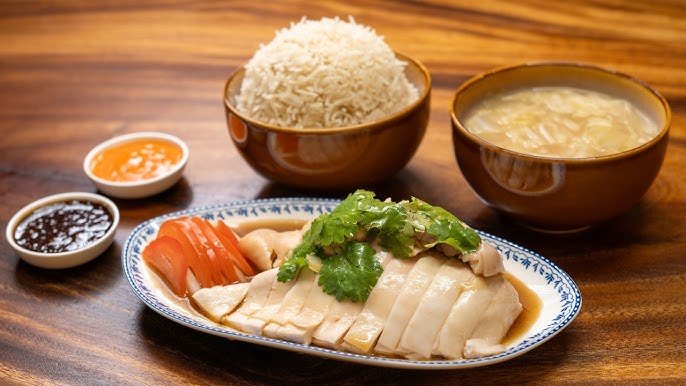
Hainanese Chicken Rice Recipe: Hainanese Chicken Rice is more than just food—it’s comfort on a plate. Imagine perfectly poached chicken, juicy and tender, served alongside fragrant rice cooked in chicken broth and garlic, with bold dipping sauces to bring it all together. This isn’t just a meal; it’s an experience that warms the soul.
Originating from Hainan, a tropical island in southern China, this dish made its way to Southeast Asia with Chinese immigrants. It gained immense popularity in Singapore, Malaysia, and Thailand, becoming a national treasure in Singapore’s food culture. Street stalls, restaurants, and even high-end dining spots proudly serve their version of this classic.
But here’s the good news—you don’t need a plane ticket to taste authentic Hainanese Chicken Rice. With the right ingredients and a little patience, you can recreate this iconic dish at home. And trust me, once you taste it, you’ll keep making it again and again.
Why You’ll Love This Recipe
There are many reasons Hainanese Chicken Rice is adored worldwide, and once you try it, you’ll understand why.
First, it’s pure comfort food. The chicken is poached until tender and juicy, the rice is rich with chicken fat and aromatics, and the sauces—especially the chili and ginger-garlic—wake up your taste buds with every bite. It’s the perfect balance of mild and bold flavors.
Second, it’s a complete meal. You’re not just eating rice and chicken; you’re enjoying a dish that checks all the boxes—protein, carbs, healthy fats, and even some veggies if you add cucumber slices or fresh herbs on the side.
Lastly, it’s versatile. You can serve it for a casual family dinner, make it a highlight of a festive gathering, or even prepare it ahead for meal prep. The beauty lies in its simplicity: humble ingredients coming together to create something extraordinary.
Ingredients You’ll Need
To cook Hainanese Chicken Rice at home, you don’t need anything fancy. In fact, the beauty of this recipe lies in its simplicity and the way ordinary ingredients transform into something incredible. Here’s what you’ll need:
For the Chicken
- 1 whole chicken (about 3–4 lbs)
- 2 teaspoons salt (for rubbing and cleaning)
- 4–5 slices of fresh ginger
- 3–4 stalks of green onions (scallions)
- Water (enough to cover the chicken in a pot)
For the Rice
- 2 cups jasmine rice (washed and drained)
- 3–4 tablespoons chicken fat or vegetable oil
- 3 cloves garlic, minced
- 2 slices ginger
- 3 cups chicken broth (from poaching the chicken)
- 1 teaspoon salt
For the Dipping Sauces
- Chili Sauce: 3 fresh red chilies, 2 cloves garlic, 1 tablespoon lime juice, salt, and sugar
- Ginger Sauce: 3 tablespoons grated ginger, 2 tablespoons oil, pinch of salt
- Soy Sauce Dressing: 2 tablespoons light soy sauce, 1 teaspoon sesame oil, 1 tablespoon chicken broth
Optional Garnishes
- Fresh cucumber slices
- Cilantro leaves
- Extra scallions
With these ingredients prepped, you’re already halfway to enjoying authentic Hainanese Chicken Rice at home.
Essential Kitchen Tools
Cooking Hainanese Chicken Rice doesn’t require any fancy gadgets, but having the right tools will make your job easier and ensure the best results.
Must-Have Utensils
- Large stockpot – to poach the whole chicken evenly
- Strainer – for separating broth from the aromatics
- Sharp cleaver or chef’s knife – to cut the chicken into neat portions
- Rice cooker or heavy-bottomed pot – for perfectly cooked rice
Helpful Cooking Gadgets
- Blender or mortar and pestle – to make smooth chili and ginger sauces
- Kitchen thermometer – to check the chicken’s internal temperature (165°F/74°C is perfect)
- Tongs – for handling the hot chicken safely
You don’t need a professional kitchen setup to nail this dish. With these tools on hand, you’re set for success.
Step-by-Step Guide to Cooking Hainanese Chicken Rice
This is where the magic happens. Cooking Hainanese Chicken Rice might sound intimidating, but when broken down into steps, it’s surprisingly doable. Just take it one stage at a time.
Step 1 – Preparing the Chicken
The chicken is the star of this dish, so it deserves special care. Start by rubbing the whole chicken with coarse salt to clean the skin and make it smooth. Rinse it well under running water. In a large stockpot, add enough water to submerge the chicken. Throw in ginger slices and scallions for aroma. Once the water is boiling, gently lower the chicken into the pot.
Here’s the trick—don’t boil it furiously. Instead, lower the heat to a gentle simmer and let the chicken poach slowly. This keeps the meat juicy and tender. Depending on the size of your chicken, it takes about 35–45 minutes.
Once done, prepare an ice bath (a large bowl of ice water). Transfer the chicken immediately into the ice bath for 10 minutes. This step stops the cooking process and keeps the skin firm and silky. Afterward, pat dry and rub lightly with sesame oil for flavor and shine.
Step 2 – Cooking the Fragrant Rice
Now that your chicken is resting, let’s move on to the heart of the dish—the rice. This isn’t just plain steamed rice; it’s bursting with flavor because it’s cooked in chicken fat and broth.
Start by washing your jasmine rice until the water runs clear. This step removes excess starch and prevents the rice from becoming too sticky. Next, in a large pan or rice cooker insert, heat a few tablespoons of chicken fat (or vegetable oil if you don’t have chicken fat). Add minced garlic and sliced ginger, and sauté until fragrant—your kitchen will instantly smell amazing.
Once the aromatics are golden, stir in the washed rice and coat each grain with the flavorful oil. This step adds a subtle nuttiness and keeps the rice fluffy. Finally, pour in the reserved chicken broth (from poaching the chicken) instead of plain water. Add a pinch of salt, stir gently, and cook until the rice is perfectly fluffy.
When done, fluff the rice with a fork or chopsticks to separate the grains. The result? A fragrant, slightly oily rice that’s rich yet light, complementing the tender chicken beautifully.
Step 3 – Making the Sauces
Hainanese Chicken Rice wouldn’t be complete without its signature dipping sauces. They are the game changers that transform a humble dish into an extraordinary one.
- Chili Sauce: Blend fresh red chilies, garlic, lime juice, a bit of sugar, and salt. Add a spoonful of chicken broth to bring depth. This sauce is spicy, tangy, and slightly sweet—a perfect kick to the dish.
- Ginger Sauce: Heat oil until hot, then pour it over freshly grated ginger with a pinch of salt. The sizzling oil releases the ginger’s aroma, making it pungent yet soothing.
- Soy Sauce Dressing: Mix light soy sauce with sesame oil and a spoon of chicken broth. This adds a salty, umami layer that ties everything together.
Each sauce plays its role: chili for heat, ginger for freshness, and soy for richness. Serve them in small bowls alongside the chicken and rice so everyone can customize each bite to their liking.
Step 4 – Assembling the Dish
This is the fun part—putting everything together. Start with a generous scoop of fragrant rice on a plate. Arrange slices of the poached chicken neatly on top or beside the rice. Drizzle a little soy sauce dressing over the chicken for added flavor.
Add some cucumber slices on the side for crunch and freshness. If you like, sprinkle chopped cilantro or scallions on top for color and aroma. Place the chili and ginger sauces in small dipping bowls next to the plate.
For the final touch, ladle a small bowl of the clear chicken broth (from poaching) and serve it alongside. This broth acts like a palate cleanser, balancing out the richness of the rice and sauces.
When plated this way, Hainanese Chicken Rice isn’t just food—it’s comfort, flavor, and tradition all in one bite.
Step 5 – Serving Suggestions
Hainanese Chicken Rice is best enjoyed warm, fresh from the pot. Serve it family-style, with chicken on a platter, rice in a big bowl, and sauces in smaller dishes so everyone can dip and share. This style of dining encourages togetherness, just like how it’s served in Southeast Asian households.
For a fancier presentation, plate individual portions with rice molded into a neat dome shape (you can use a small bowl or mold). Top it with neatly arranged chicken slices and garnish with cucumber and cilantro. Drizzle the soy dressing for shine and flavor.
Pair the dish with hot Chinese tea, barley water, or even a light soup on the side. If you want to go all out, serve it with stir-fried greens like bok choy or Chinese broccoli for added freshness and nutrition.
The best part? It’s versatile. Whether you’re cooking for a weeknight dinner, meal prepping for the week, or hosting friends, Hainanese Chicken Rice adapts beautifully to every occasion.
Tips for Perfecting Hainanese Chicken Rice
Even though this recipe is straightforward, a few small details can make a huge difference in taste and texture.
Choosing the Right Chicken
Go for a fresh, whole chicken rather than just cuts. Whole chickens retain more flavor, and the bones add richness to the broth. If possible, choose a free-range chicken—they tend to be more flavorful and less fatty.
Getting the Rice Texture Right
The rice should be fluffy, not mushy. Washing the rice thoroughly before cooking removes extra starch and ensures each grain stays separate. Also, don’t skip sautéing the garlic and ginger—it’s what makes the rice aromatic.
Chilling the Chicken After Poaching
This step might feel unnecessary, but the ice bath is crucial. It stops the chicken from overcooking and gives the skin that signature smooth, bouncy texture that Hainanese Chicken Rice is famous for.
Balancing the Sauces
Taste your sauces before serving. If the chili sauce is too spicy, add more lime juice or sugar. If the ginger sauce feels too sharp, mellow it with extra oil. Balance is everything.
With these tips, your homemade Hainanese Chicken Rice will taste as good—if not better—than what you’d find at a hawker stall in Singapore.
Common Mistakes to Avoid
Even though Hainanese Chicken Rice looks simple, small errors can make a big difference. If you’ve ever tried cooking it and wondered why it didn’t taste like the ones you’ve had at hawker stalls or restaurants, these are the pitfalls to watch out for:
Overcooking the Chicken
The biggest mistake is boiling the chicken instead of poaching it. Boiling makes the meat tough, stringy, and dry. Poaching gently at a simmer keeps it tender and juicy. If you’re unsure, use a kitchen thermometer—once the thickest part of the chicken reaches 165°F (74°C), it’s ready.
Skipping the Ice Bath Step
It might seem unnecessary, but this step is what gives Hainanese chicken its signature silky skin. Without the ice bath, the skin becomes soggy and the meat continues cooking, losing its tenderness.
Neglecting the Rice Flavor
Some people treat the rice as an afterthought and just steam it with water. That’s a huge mistake. The rice is just as important as the chicken, and cooking it in chicken broth with garlic and ginger is what makes it special.
Unbalanced Sauces
Too salty, too sour, or overly spicy sauces can throw off the dish. Always taste and adjust before serving. The goal is harmony—chili should be spicy but refreshing, ginger sauce should be aromatic, and soy sauce dressing should add umami without overpowering.
By avoiding these mistakes, you’ll ensure every bite tastes authentic and satisfying.
Variations of Hainanese Chicken Rice
While the classic recipe is universally loved, different regions and cooks have added their own twist to this dish. If you’re feeling adventurous, here are some variations you might enjoy:
Regional Twists Across Asia
- Singapore Style: Often comes with three sauces (chili, ginger, soy) and is the most balanced version.
- Malaysian Style: Sometimes served with roasted chicken instead of poached, giving the skin a crispy, caramelized finish.
- Thai Style (Khao Man Gai): Usually paired with a fermented soybean sauce, which adds a savory, slightly funky depth.
Healthier Versions of the Dish
If you want to make the dish lighter, you can:
- Use skinless chicken breast instead of whole chicken (though you’ll lose some flavor).
- Cook the rice with less oil or replace chicken fat with olive oil.
- Serve with more fresh vegetables on the side, like blanched greens or a light salad.
These variations keep the heart of the dish intact while allowing you to adapt it to your taste and dietary preferences.
Nutritional Value of Hainanese Chicken Rice
Many people wonder—Is Hainanese Chicken Rice healthy? The answer depends on how it’s prepared and how much you eat.
Calorie Count
A standard serving of Hainanese Chicken Rice (with rice, chicken, and sauces) ranges between 600–700 calories. Most of the calories come from the rice and chicken fat.
Macronutrients Breakdown
- Protein: The poached chicken provides lean, high-quality protein, which supports muscle growth and repair.
- Carbohydrates: Jasmine rice is the main carb source, giving you quick energy.
- Fats: Most of the fat comes from chicken skin and oil used in the rice. While it adds flavor, you can reduce the fat if you’re watching your intake.
It’s a balanced dish when eaten in moderation, especially if paired with fresh vegetables and eaten without too much sauce.
Pairings and Side Dishes
Hainanese Chicken Rice is a complete meal on its own, but adding sides and drinks can take it to the next level.
Best Drinks to Accompany the Dish
- Chinese tea – Helps cut through the richness of the rice.
- Barley water – A cooling drink often enjoyed in Singapore.
- Light soups – Like bok choy or winter melon soup, which cleanse the palate.
Complementary Sides
- Stir-fried greens – Bok choy, kai lan (Chinese broccoli), or spinach sautéed with garlic.
- Pickled vegetables – Adds tanginess to balance the richness.
- Fried shallots or crispy garlic – For extra crunch sprinkled over the rice.
These additions make the meal more balanced and festive, especially when serving to guests.
Storing and Reheating Leftovers
One of the best things about Hainanese Chicken Rice is that it keeps well, so you can make a big batch and enjoy it over a couple of days.
How to Store Properly
- Store cooked chicken and rice separately in airtight containers.
- Keep sauces in small jars with tight lids.
- Refrigerate everything within two hours of cooking to maintain freshness.
Best Ways to Reheat
- Chicken: Steam it gently or microwave with a splash of broth to keep it moist.
- Rice: Reheat in a rice cooker, or microwave with a damp paper towel on top to prevent it from drying out.
- Sauces: They’re best served fresh, but if refrigerated, let them come to room temperature before serving.
Properly stored, Hainanese Chicken Rice lasts up to 3 days in the fridge.
Hainanese Chicken Rice for Special Occasions
Although it’s considered an everyday comfort food in Singapore and Malaysia, Hainanese Chicken Rice can easily become the star of special occasions. Its presentation and flavor make it perfect for family gatherings, celebrations, and festive events.
Festive Meals and Gatherings
During holidays or family reunions, this dish shines on the dining table. A whole chicken, poached to perfection, placed at the center of the table surrounded by bowls of fragrant rice and colorful sauces—it’s both impressive and inviting. It also has the advantage of being a communal meal, encouraging sharing and togetherness.
You can make it festive by serving multiple chickens for large crowds and arranging them on decorative platters with cucumber, tomato slices, and fresh herbs. Since it’s versatile, you can even serve roasted or soy-sauce braised chicken alongside the classic poached version to give guests variety.
Presentation Tips
- Mold the rice into dome shapes using small bowls for a neat look.
- Slice the chicken neatly and arrange it in layers on a platter.
- Garnish with coriander sprigs, scallions, or edible flowers for elegance.
- Serve sauces in individual dipping bowls so guests can adjust flavors to their liking.
With thoughtful presentation, Hainanese Chicken Rice transitions from street food to a show-stopping main course perfect for festive dining.
Expert Chef’s Secrets for Authentic Taste
Want your homemade version to taste just like what you’d find at a famous hawker stall in Singapore? Here are some insider tricks chefs use:
Flavor-Enhancing Tricks
- Salt Rub for the Chicken: Rubbing coarse salt on the skin before poaching doesn’t just clean it—it makes the skin smoother and helps season the meat.
- Layering Flavors in the Rice: Always sauté garlic and ginger before adding rice. Some chefs also toss in pandan leaves (screwpine leaves) while cooking for extra fragrance.
- Chicken Fat Over Rice: Drizzling rendered chicken fat over freshly cooked rice adds richness and that signature glossy look.
Traditional Cooking Methods
- Low and Slow Poaching: Maintaining a gentle simmer instead of a rolling boil ensures silky chicken meat.
- Double Broth Method: Some chefs cook the rice with a mix of chicken broth and pandan water for complexity.
- Homemade Chili Sauce: The key is balance—chefs adjust lime, sugar, and garlic carefully until it complements the rice perfectly.
These small but powerful details are what make restaurant-quality Hainanese Chicken Rice stand out. Try them at home, and you’ll notice the difference.
FAQs about Hainanese Chicken Rice Recipe
1. Can I use chicken breast instead of whole chicken?
Yes, but keep in mind that whole chicken gives better flavor to the broth and rice. If using chicken breast, poach it gently to avoid dryness and compensate by using pre-made chicken stock for the rice.
2. Can I make it in a rice cooker?
Absolutely! Just sauté the aromatics in a pan, then transfer the rice and broth into your rice cooker. Set it to cook, and you’ll still get perfectly fluffy, flavorful rice.
3. How long does it last in the fridge?
Stored properly, Hainanese Chicken Rice lasts up to 3 days in the refrigerator. Reheat gently with a splash of broth to keep it moist and flavorful.
4. What makes the rice so fragrant?
The secret lies in sautéing garlic and ginger in chicken fat before cooking the rice, then simmering it in rich chicken broth. Some people add pandan leaves for an even more aromatic touch.
5. Is Hainanese Chicken Rice healthy?
It can be! The chicken is lean protein, and the dish is balanced. To make it healthier, remove the chicken skin, use less oil for the rice, and add more vegetables as sides.
Conclusion
Hainanese Chicken Rice may look simple, but behind its modest appearance lies a dish layered with history, culture, and flavor. From the tender poached chicken and fragrant rice to the vibrant dipping sauces, every element works together to create harmony on a plate.
It’s not just food—it’s comfort, tradition, and family all rolled into one. Whether you’re enjoying it at a busy hawker stall in Singapore or making it in your kitchen, it brings the same satisfaction. With the step-by-step guide above, you can recreate this beloved dish at home and impress your loved ones with an authentic taste of Southeast Asia.
So the next time you’re craving something comforting yet flavorful, skip the takeout and whip up Hainanese Chicken Rice. Trust me—you’ll be glad you did.