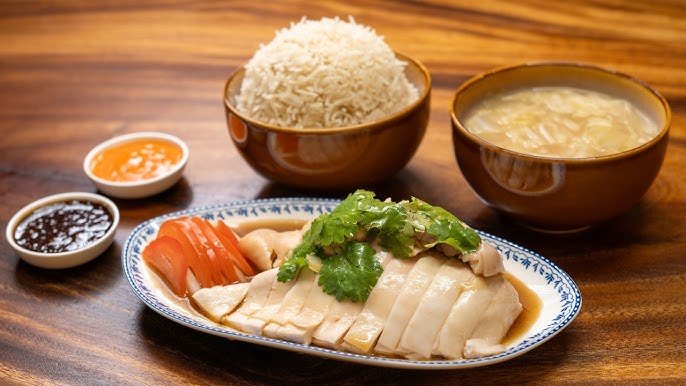
Hainanese Chicken Recipe: Hainanese Chicken Rice is one of the most iconic and beloved dishes in Southeast Asia, particularly Singapore, Malaysia, and Thailand. At its heart, this dish is incredibly simple—poached chicken served with fragrant rice and a trio of dipping sauces. But don’t be fooled by its simplicity. Each element requires precision and care to achieve that signature taste: juicy chicken with silky skin, rice infused with chicken fat and aromatics, and sauces that elevate every bite. This combination makes it comfort food for many and a culinary masterpiece for others.
Origins and Cultural Significance
The roots of Hainanese Chicken Rice can be traced back to Chinese immigrants from Hainan, an island in southern China. They brought with them the traditional Wenchang chicken recipe, which evolved into what we now recognize as Hainanese Chicken Rice. Over time, this dish became a cultural symbol in Southeast Asia, especially Singapore, where it is considered a national dish. For many families, it’s not just food—it’s heritage, tradition, and a way of connecting with roots.
Why It’s Loved Worldwide
The global appeal of Hainanese Chicken Rice lies in its balance. It’s not overly spicy, greasy, or complicated. Instead, it focuses on clean, natural flavors that bring out the best in every ingredient. The tender chicken, the aroma of ginger and garlic in the rice, and the kick from chili sauce create a harmony that appeals to both Asian and Western palates. Whether you’re looking for comfort food on a rainy day or an impressive meal for guests, this dish fits perfectly.
Ingredients You’ll Need
To create the perfect Hainanese Chicken Rice, you need to prepare ingredients for three main components: the chicken, the rice, and the sauces. Each plays an essential role, and together, they create the magic of this beloved dish.
For the Chicken
- 1 whole chicken (about 3–4 lbs, preferably free-range)
- 1 tablespoon salt (for scrubbing)
- 2–3 slices fresh ginger
- 2–3 stalks spring onions
- Water (enough to submerge the chicken)
For the Rice
- 2 cups jasmine rice (washed and drained)
- 2–3 tablespoons chicken fat or vegetable oil
- 3 cloves garlic (minced)
- 2 slices ginger
- 2–3 pandan leaves (optional, tied in a knot)
- 3 cups chicken broth (reserved from poaching chicken)
- ½ teaspoon salt
For the Dipping Sauces
Chili Sauce:
- 3 fresh red chilies
- 2 cloves garlic
- 1-inch piece ginger
- 1 tablespoon lime juice
- 1 teaspoon sugar
- ½ teaspoon salt
Ginger Sauce:
- 2 tablespoons grated ginger
- 2 cloves garlic (minced)
- 3 tablespoons hot chicken oil or vegetable oil
- Pinch of salt
Soy Sauce Mixture:
- 2 tablespoons light soy sauce
- 1 teaspoon sesame oil
- 2 tablespoons chicken broth
Optional Garnishes and Add-ons
- Fresh cucumber slices
- Coriander leaves
- Lightly blanched bok choy or kai lan
- A side of clear chicken broth
Step-by-Step Guide to Cooking Hainanese Chicken
Step 1: Preparing the Chicken
The first step is cleaning and prepping your chicken. Rub the skin generously with salt—this helps exfoliate and smooth the skin, giving it that signature silky texture once cooked. After scrubbing, rinse thoroughly with water. Stuff the chicken cavity with ginger slices and spring onions to enhance flavor during poaching. This step is crucial, as it infuses the meat with aromatics without overpowering the natural chicken taste.
Step 2: Poaching the Chicken Perfectly
Fill a large pot with enough water to submerge the chicken fully. Bring it to a boil, then gently lower the chicken in. Reduce the heat to low and let the chicken poach gently—this ensures tender meat and prevents overcooking. The secret is maintaining a gentle simmer, not a rolling boil. Depending on the size, it usually takes about 30–40 minutes. To check doneness, pierce the thickest part of the thigh—if the juices run clear, it’s ready. Immediately transfer the chicken into an ice bath to stop the cooking process and firm up the skin. This step guarantees the signature smooth and glossy texture.
Step 3: Preparing the Fragrant Rice
Rice is just as important as the chicken in this dish. In fact, many say the rice is what makes or breaks Hainanese Chicken Rice. Start by rendering chicken fat in a pan until it turns golden and releases its oils. If you don’t have enough fat, vegetable oil works too, but chicken fat gives the rice its authentic richness. Add minced garlic and slices of ginger, sautéing until aromatic. Next, stir in the washed jasmine rice and coat every grain with the fragrant oil. This step ensures the rice is infused with flavor before cooking.
Transfer the rice into a rice cooker, then add chicken broth from the poached chicken. Toss in pandan leaves if available—they add a subtle floral aroma that elevates the dish. Cook as usual until the rice is fluffy and aromatic. The result? Fragrant rice that’s slightly oily, flavorful, and perfectly paired with tender chicken. Unlike plain white rice, this version is rich, savory, and so delicious you could eat it on its own.
Step 4: Making the Essential Sauces
No Hainanese Chicken Rice is complete without its trio of sauces. Each one balances the dish and adds depth of flavor.
Chili Sauce: Blend red chilies, garlic, ginger, lime juice, sugar, and salt into a smooth paste. It should be tangy, spicy, and refreshing, cutting through the richness of the chicken and rice.
Ginger Sauce: Combine freshly grated ginger and garlic with hot oil poured over them. A pinch of salt rounds out the flavor. This sauce is aromatic, slightly pungent, and pairs beautifully with the tender chicken.
Soy Sauce Mixture: Mix light soy sauce, sesame oil, and a splash of chicken broth. This creates a savory, umami-rich drizzle that ties the dish together.
When served, diners can choose their preferred dipping sauce or mix them all for a flavor explosion. These sauces may look simple, but they’re the soul of the dish.
Step 5: Serving and Presentation Tips
Presentation is just as important as taste when it comes to Hainanese Chicken Rice. Once the chicken has cooled from its ice bath, chop it into neat bite-sized pieces. Traditionally, it’s served on a platter with cucumber slices arranged around it. A drizzle of the soy sauce mixture over the chicken adds a glossy finish.
On a separate plate, serve a mound of fragrant rice alongside small dipping bowls of chili and ginger sauce. Don’t forget the side of clear chicken broth—lightly seasoned with spring onions or coriander for freshness. This broth not only complements the meal but also makes it feel more wholesome.
For an authentic touch, garnish with fresh coriander and add some blanched greens on the side. A well-plated Hainanese Chicken Rice is colorful, appetizing, and inviting—just like you’d find at a hawker stall in Singapore or a traditional family kitchen in Hainan.
Tips for the Best Hainanese Chicken Rice
Choosing the Right Chicken
The quality of chicken is everything. Free-range or organic chickens are best since they have firmer meat and richer flavor compared to factory-farmed birds. In Singapore, many cooks prefer smaller birds because they’re more tender and flavorful. Avoid overly large chickens, as they can be tougher and harder to cook evenly.
Achieving Tender and Juicy Meat
The secret lies in poaching at a gentle simmer and not rushing the process. Keep the heat low, and don’t let the water boil aggressively. The ice bath step is non-negotiable—it stops cooking instantly and keeps the meat moist. Another trick is to brush the chicken with sesame oil after chopping, locking in flavor and giving it a glossy look.
Perfecting the Rice Texture
The rice should be fluffy yet slightly oily, never mushy. Always wash your rice until the water runs clear before cooking. Using chicken broth instead of plain water makes all the difference, infusing the rice with depth and richness.
Balancing the Sauces
Sauces should complement, not overpower. Adjust the chili sauce to your spice tolerance, add more lime juice for tang, or tweak the ginger sauce’s saltiness. It’s all about balance—spicy, tangy, savory, and aromatic flavors working together in harmony.
Common Mistakes to Avoid
Overcooking the Chicken
Overcooking results in dry, stringy meat—something no one wants in this dish. Always simmer gently and check doneness with a meat thermometer if possible (165°F / 74°C at the thickest part).
Using the Wrong Rice
Hainanese Chicken Rice needs jasmine rice for its fragrance and light texture. Short-grain or sticky rice won’t work well here as they become too dense.
Skipping the Ice Bath Step
This step is often overlooked by beginners, but it’s crucial for achieving that signature smooth, jelly-like chicken skin. Without it, the skin becomes soft and unappealing.
Ignoring the Sauces
Many home cooks underestimate the importance of sauces, but they are the heart of the dish. Even perfectly poached chicken feels incomplete without them. Always make the trio of sauces for the full experience.
Variations of Hainanese Chicken Rice
Roasted Chicken Version
If you love bold flavors and a little crispiness, the roasted version of Hainanese chicken rice is worth trying. Instead of poaching, the chicken is marinated with light soy sauce, sesame oil, and a touch of honey before being roasted until the skin turns golden brown and slightly crispy. The meat remains juicy inside but has a smoky, caramelized flavor that pairs beautifully with the same fragrant rice and sauces. This variation is popular in Malaysia, where you’ll often see “roast chicken rice” as an alternative to the classic poached style.
Steamed Chicken Variation
For those who prefer a lighter approach, steaming the chicken is another option. Unlike poaching, steaming preserves more of the chicken’s natural flavor while keeping it moist and tender. It’s also slightly healthier since no water is involved to dilute the chicken juices. The steaming method produces a more concentrated chicken taste, and when paired with the ginger sauce, it’s incredibly refreshing.
Modern Fusion Twists
Chefs around the world have put creative spins on Hainanese chicken rice. Some make it with boneless chicken thighs for easier eating, while others turn it into a sushi roll with chicken rice wrapped in seaweed. In high-end restaurants, you might find it deconstructed into gourmet versions served with foams and reductions. Even though these variations stray from tradition, they show just how versatile and beloved the dish has become globally.
Health Benefits of Hainanese Chicken Rice
High Protein, Low Fat
One of the best things about this dish is its balanced nutrition. Poached chicken is high in protein yet low in fat, making it an excellent choice for anyone looking to eat healthily. Since the chicken is cooked without frying, it retains its natural juiciness without the added oils or breading that make other chicken dishes heavier.
Nutrient-Rich Broth
The poaching liquid, which doubles as chicken broth, is loaded with nutrients extracted from the chicken, ginger, and spring onions. Not only is it delicious as a side soup, but it’s also rich in collagen, amino acids, and minerals that support joint health and immunity.
Balanced Meal Option
Hainanese chicken rice is a complete meal on its own. You get lean protein from the chicken, carbohydrates from the rice, and antioxidants from the ginger, garlic, and chili. Add a side of leafy greens, and you’ve got a well-rounded, nourishing dish that’s satisfying without being overly heavy.
Pairings and Side Dishes
Suitable Soups
While the chicken broth served on the side is already delicious, you can take it up a notch by turning it into a light soup. Add napa cabbage, tofu, or mushrooms to the broth for extra texture and nutrition. A touch of white pepper and a sprinkle of coriander make it warming and soothing.
Vegetable Sides
Hainanese chicken rice pairs wonderfully with simple vegetable sides. Blanched bok choy, Chinese broccoli (kai lan), or stir-fried bean sprouts are classic options. Lightly seasoned vegetables balance the richness of the chicken and rice, giving your meal a refreshing touch.
Drinks to Complement the Dish
To complete the dining experience, pair your meal with traditional Asian beverages like barley water, chrysanthemum tea, or a cooling lime juice. These drinks cleanse the palate and complement the savory flavors of the dish without overpowering them.
Storage and Reheating Tips
Storing Leftover Chicken
If you have leftovers, store the chicken in an airtight container in the fridge. Keep the soy sauce mixture separate and drizzle it only when serving to avoid sogginess. The chicken usually stays fresh for up to 3 days when stored properly.
Reheating Without Losing Flavor
To reheat chicken without drying it out, steam it gently or warm it in hot broth. Avoid microwaving, as it tends to toughen the meat and make the skin rubbery. The rice can be reheated in a rice cooker or on the stovetop with a splash of chicken broth to restore its moisture.
Freezing Tips
If you want to prepare Hainanese chicken rice ahead of time, freeze the chicken and broth separately. Cooked rice can also be frozen, though it’s best enjoyed fresh. When reheating, thaw everything overnight in the fridge before gently warming it.
FAQs about Hainanese Chicken Recipe
Q1: Can I use boneless chicken for Hainanese chicken rice?
Yes, boneless chicken thighs or breasts can be used for convenience. However, traditional recipes use whole chicken for maximum flavor and tenderness.
Q2: How do I make the rice extra fragrant?
Use rendered chicken fat instead of oil and always cook the rice in chicken broth with pandan leaves if available. This step elevates the aroma and taste significantly.
Q3: What can I substitute if I don’t have pandan leaves?
If pandan leaves aren’t available, simply skip them. The rice will still be delicious with garlic, ginger, and chicken broth alone.
Q4: Can I cook the chicken in an Instant Pot?
Yes, you can! Set your Instant Pot to pressure cook for about 10–12 minutes, then release naturally. The result is tender, juicy chicken with minimal effort.
Q5: How long does Hainanese chicken rice last in the fridge?
Properly stored, it lasts up to 3 days in the fridge. For the best flavor and texture, consume it fresh within 24–48 hours.
Conclusion
Hainanese Chicken Rice may look like a simple dish at first glance, but its beauty lies in the details—the perfectly poached chicken, the fragrant rice infused with ginger and garlic, and the trio of sauces that bring everything together. This dish is more than food; it’s culture, comfort, and tradition all on one plate. Whether you stick to the classic method or explore roasted and modern versions, one thing is certain: once you’ve had authentic Hainanese chicken rice, it will always hold a special place in your heart and kitchen.