Grilled Mahi Mahi Recipe: If you’re craving a dish that’s light, flavorful, and incredibly easy to prepare, grilled Mahi Mahi might just be your new go-to. This tropical fish is loved not just for its taste but also for its versatility on the grill. Whether you’re a seasoned griller or a beginner in the kitchen, this recipe makes it foolproof to create a restaurant-quality meal right in your backyard. Mahi Mahi, also known as dolphinfish (don’t worry, it’s not related to the dolphin mammal), has a firm texture and a mild, slightly sweet flavor that makes it a hit with both picky eaters and seafood lovers.
This guide will walk you through every step you need to take to create the perfect grilled Mahi Mahi—from choosing your fillets and making a zesty marinade, to grilling tips and serving ideas. Let’s fire up that grill and dive in!
Why Grilled Mahi Mahi is a Great Choice
So, why choose Mahi Mahi over other fish options? Well, Mahi Mahi is known for its firm texture, which holds up beautifully on the grill without falling apart. Unlike delicate white fish like tilapia, it won’t crumble when flipped. Plus, its slightly sweet, mild flavor acts as a blank canvas, absorbing marinades and spices like a champ.
This fish is also incredibly versatile—you can go for a citrusy, tropical vibe or spice it up with Cajun seasoning. It pairs well with just about anything: rice, roasted veggies, fresh salsas, or even in tacos. And let’s not forget how fast it cooks. In less than 15 minutes, you’ll have a full, satisfying meal.
Another win? It’s readily available in most supermarkets and fish markets, fresh or frozen. Whether you’re looking for a quick weeknight dinner or a dish to impress guests, grilled Mahi Mahi fits the bill every time.
Health Benefits of Mahi Mahi
If you’re watching your diet or just trying to eat cleaner, Mahi Mahi is a smart pick. It’s low in fat and calories but packed with high-quality protein, making it a great choice for anyone looking to stay fit. A 3-ounce cooked serving provides about 20 grams of protein with only 100-120 calories. Not bad, right?
It’s also a good source of essential nutrients like vitamin B12, selenium, and niacin. Plus, it contains Omega-3 fatty acids, which are important for heart and brain health. While it’s not as fatty as salmon or mackerel, Mahi Mahi still provides those essential fats your body needs without being greasy or heavy.
Another great thing? It’s low in mercury compared to some other large fish. That means it’s generally safe for more frequent consumption, including for kids and pregnant women (in moderation). So yes—this tasty tropical fish isn’t just good, it’s good for you!
What Does Mahi Mahi Taste Like?
Mahi Mahi has a clean, slightly sweet flavor that’s far from “fishy.” That’s part of what makes it so appealing to both seafood lovers and those who usually shy away from fish. Its texture is firm but not tough—think of a tender steak but from the sea.
Unlike oily fish such as salmon, Mahi Mahi is lean, which gives it a lighter mouthfeel. And the flavor profile is neutral enough to take on a wide variety of seasonings and marinades. Whether you’re adding lemon and dill or going bold with chipotle or Cajun spices, it works.
It’s also worth noting that grilled Mahi Mahi develops a beautiful char and crust while remaining moist inside, giving you that irresistible smoky flavor that only a grill can offer. It’s not just healthy and easy—it tastes amazing too.
Choosing the Best Mahi Mahi Fillets
Before you even touch your grill, make sure you’re starting with quality fish. If you’re buying fresh Mahi Mahi, look for fillets that are:
- Bright and slightly pink with a translucent sheen
- Free from a strong “fishy” odor
- Firm to the touch—not mushy or slimy
If you’re going with frozen fillets, check that they’re vacuum-sealed and have no signs of freezer burn or frost buildup. Once thawed, the fish should have a mild aroma and the same bright appearance as fresh fillets.
When possible, buy center-cut portions for even cooking. Tail ends tend to be thinner and can dry out faster. And don’t worry about skin-on or skinless—it’s totally personal preference. Some folks love the crispy skin from grilling; others prefer it removed.
List of Ingredients You’ll Need
Let’s get everything lined up before we jump into grilling. Here’s what you’ll need:
Main Ingredients:
- 4 fresh Mahi Mahi fillets (about 6 oz each)
- Salt and pepper (to taste)
- Olive oil (for brushing)
Marinade Ingredients (Citrus Herb):
- 3 tablespoons olive oil
- 2 tablespoons fresh lemon juice
- 2 tablespoons lime juice
- 3 cloves garlic, minced
- 1 tablespoon fresh parsley, chopped
- 1 teaspoon fresh thyme (or ½ tsp dried)
- ½ teaspoon paprika
- ¼ teaspoon chili flakes (optional for heat)
Optional Garnishes:
- Lemon or lime wedges
- Fresh parsley or cilantro
- Mango salsa or pineapple salsa
These ingredients create a zesty and herbaceous flavor that complements Mahi Mahi perfectly. Feel free to adjust the marinade to match your taste—want more kick? Add some chopped jalapeño. Prefer it smoky? A dash of smoked paprika does the trick.
Kitchen Tools & Grilling Equipment
You won’t need a full arsenal to make this recipe work, but having the right tools makes a big difference:
- Outdoor grill (gas or charcoal) or stovetop grill pan
- Tongs or a fish spatula
- Mixing bowl (for marinade)
- Brush (for oiling the grates)
- Meat thermometer (optional, but handy)
- Paper towels (for patting fish dry)
- Aluminum foil (optional for wrapping or resting)
Using a fish spatula makes it easier to flip the fillets without them falling apart, and a thermometer ensures you hit that safe internal temp (145°F) without overcooking. The rest is pretty straightforward. Let’s move on to prep!
Preparing the Mahi Mahi for Grilling
Before the fish hits the grill, a bit of prep work goes a long way in delivering that flaky, juicy, flavorful goodness. Start by rinsing your fillets under cold water to remove any residual scales or slime. Then, gently pat them dry with paper towels—this step is crucial. Moisture on the surface of the fish can cause it to steam instead of sear, which can lead to a rubbery texture.
Next, inspect each fillet and remove any small bones with a pair of fish tweezers if necessary. Once they’re clean and dry, season both sides lightly with salt and pepper. If you’re planning to marinate the fish (and we totally are), this is the perfect moment to start that process.
Also, make sure each fillet is about the same thickness so they cook evenly. If you have one much thinner than the rest, it might be worth grilling it separately or pulling it off the heat sooner. Equal-sized portions help avoid overcooked edges and undercooked centers.
Let the fish sit at room temperature for about 15-20 minutes before grilling. Why? Throwing cold fish on a hot grill can cause it to seize up and cook unevenly. This brief resting time also allows the seasoning and marinade to soak in a bit more.
Making the Perfect Marinade
The magic of grilled Mahi Mahi lies in the marinade. It not only brings flavor but also tenderizes the meat just enough for that juicy, melt-in-your-mouth texture. There are countless marinade variations, but here’s a zesty, citrus-herb version that’s simple and delicious:
Citrus Herb Marinade:
- 3 tbsp olive oil
- Juice of 1 lemon
- Juice of 1 lime
- 3 cloves garlic, finely minced
- 1 tbsp chopped fresh parsley
- 1 tsp thyme (fresh or dried)
- ½ tsp paprika
- ¼ tsp red pepper flakes (optional)
Mix all the ingredients in a bowl until well combined. Then, place the Mahi Mahi fillets in a shallow dish or zip-top bag and pour the marinade over them. Make sure each fillet is coated evenly. You can also gently massage the marinade into the fish using your hands (or the outside of the bag) for deeper flavor absorption.
Want to try something with a kick? Add 1 tsp of Dijon mustard or a splash of soy sauce for an umami boost. You can also swap lime for orange juice if you’re feeling tropical. The key is balance—acid, oil, and herbs in harmony.
How Long to Marinate Mahi Mahi
Here’s where people often make a mistake—marinating for too long. Mahi Mahi is a lean, delicate fish, and it doesn’t need hours to soak in the flavors. In fact, letting it sit too long in acidic marinades (like those with lemon or lime) can start to “cook” the fish and break down its texture, turning it mushy.
Optimal marinating time:
- Minimum: 15 minutes
- Ideal: 30 to 45 minutes
- Maximum: 1 hour (especially if citrus-heavy)
Marinate the fillets in the fridge, covered. If you’re using a bag, lay it flat and flip it halfway through to ensure both sides get even love. And always discard used marinade—never reuse it unless you’ve boiled it first to kill any bacteria from raw fish.
Once your timer hits the 30-minute mark, pull the fish out of the fridge and let it sit at room temp for another 10–15 minutes before grilling. That way, you avoid the shock of cold fish on a hot grill and ensure better results.
Step-by-Step Grilling Instructions
Now comes the fun part: grilling! Whether you’re using a gas grill, charcoal grill, or even a grill pan, these steps will guide you to a golden-brown crust and tender interior.
1. Preheat the Grill
Heat your grill to medium-high (about 400–450°F). If you’re using charcoal, wait until the coals are glowing red with a light ash coating. Proper preheating ensures the fish won’t stick and helps you get those beautiful grill marks.
2. Clean and Oil the Grates
Use a grill brush to clean the grates thoroughly. Then, dip a paper towel in vegetable oil and rub it over the grates using tongs. This helps prevent sticking and makes flipping the fish way easier.
3. Place the Fish on the Grill
Brush each side of the Mahi Mahi fillets lightly with olive oil, then place them directly on the grill grates. Close the lid and let them cook for 3–4 minutes without touching.
4. Flip Carefully
Using a wide fish spatula, gently lift and flip the fillets. They should release easily—if they stick, they’re not ready to flip yet. Grill for another 3–4 minutes on the second side.
Tip: For extra moisture and flavor, baste the fish with leftover marinade (set aside before marinating) during the grilling process.
5. Check for Doneness
Mahi Mahi is done when the internal temperature reaches 145°F and the flesh is opaque and flakes easily with a fork. Avoid overcooking—it’ll dry out fast.
Total Grill Time: 6–8 minutes, depending on thickness.
Tips for Grilling Mahi Mahi Perfectly
Let’s be real—grilling fish can be intimidating. But a few pro tips can turn your Mahi Mahi from “meh” to memorable:
- Don’t over-marinate: Citrus marinades are potent. 30-45 minutes is plenty.
- Use a fish spatula: It slides easily under delicate fillets without breaking them.
- Avoid overcrowding: Give each fillet space to cook evenly and develop grill marks.
- Close the lid: Traps heat and speeds up cooking without drying the fish.
- Oil everything: The fish, the grill grates—this keeps sticking to a minimum.
Want those gorgeous crosshatch grill marks? Rotate the fillet 90 degrees halfway through cooking on each side.
How to Know When Mahi Mahi is Done
Cooking fish perfectly is all about timing and texture. Overcook it, and you’re left with a dry, flavorless brick. Undercook it, and it’s unsafe to eat. But no worries—we’ve got some easy signs to help you nail it every single time.
1. Check the Color and Texture
When fully cooked, Mahi Mahi will change from a translucent pinkish color to a solid white or off-white. The meat should look opaque and flake easily with a fork. If you press gently on the fillet and it separates into thick, juicy flakes, you’re good to go.
2. Use a Meat Thermometer
This is the most accurate method. Insert the thermometer into the thickest part of the fillet. You’re looking for an internal temperature of 145°F (63°C). If you’re getting close, like 140°F, you can pull it off the grill and let it rest—it will continue cooking slightly due to carryover heat.
3. Time It Right
As a rule of thumb, cook fish for about 8-10 minutes per inch of thickness, flipping halfway through. If your fillet is thin (under 1 inch), you might only need 3–4 minutes per side.
4. Avoid Overcooking
Mahi Mahi is lean, so overcooking dries it out quickly. Trust your thermometer and instincts. The moment it starts to flake, take it off the heat and let it rest for a few minutes before serving. This helps lock in moisture and allows the flavors to settle.
Serving Suggestions
You’ve grilled the Mahi Mahi to perfection. Now what? Time to make it look and taste like a five-star meal. The great thing about this fish is how versatile it is—you can dress it up or keep it super simple.
Here are some delicious ways to serve it:
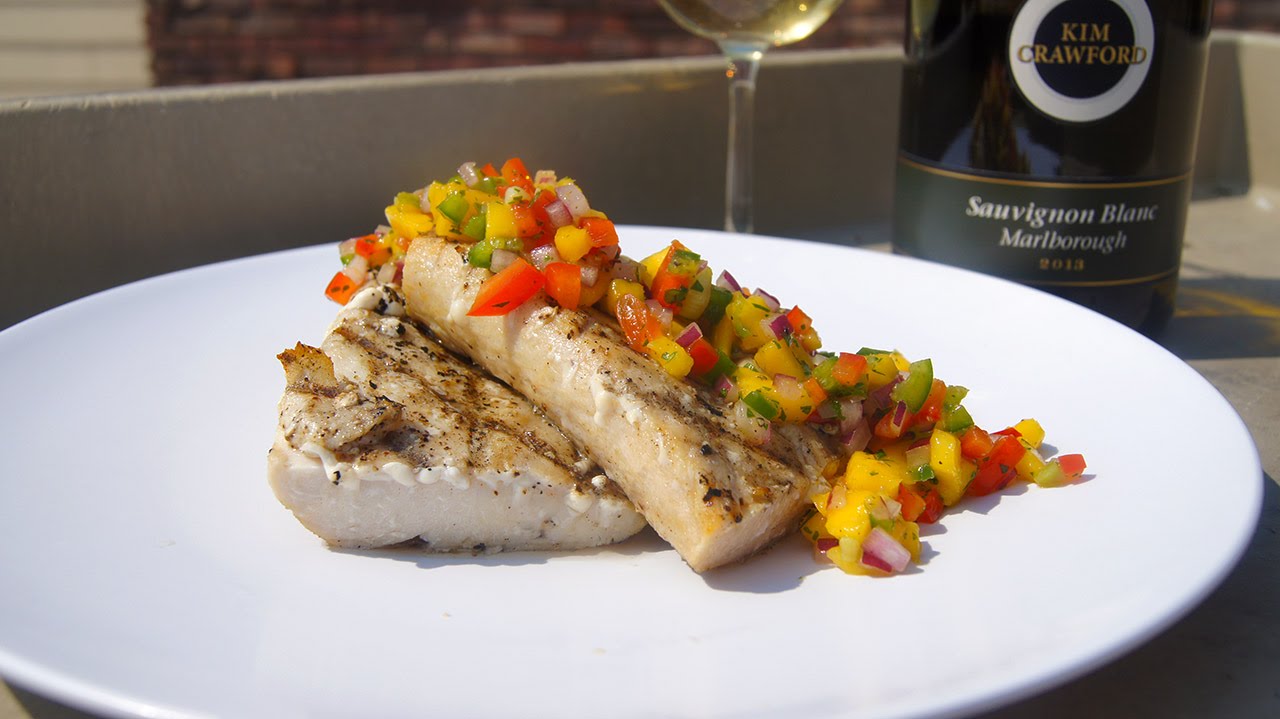
- Topped with salsa: Try mango salsa, pineapple salsa, or a fresh pico de gallo.
- With a tropical slaw: Shredded cabbage, lime juice, and a hint of honey make a refreshing combo.
- Over a bed of rice: Coconut rice or cilantro-lime rice adds extra flair.
- With grilled veggies: Zucchini, bell peppers, asparagus, and corn all pair beautifully.
- On a salad: Add it to a mixed greens salad with avocado, tomatoes, and a citrus vinaigrette.
- In tacos: Break the fillet into chunks and serve with slaw, avocado, and spicy crema in corn tortillas.
Don’t forget a drizzle of lemon or lime juice on top just before serving—it brightens everything up and adds that fresh final touch. A sprinkle of fresh herbs like cilantro or parsley takes the flavor to the next level, too.
Storing and Reheating Leftovers
Got leftovers? Awesome—you’re already halfway to another delicious meal. But proper storage is key to keeping that grilled Mahi Mahi just as tasty the next day.
How to Store:
- Let the fish cool completely before storing.
- Place in an airtight container or wrap tightly with foil or plastic wrap.
- Refrigerate for up to 3 days.
- For longer storage, freeze for up to 2 months in a freezer-safe bag or container. Just make sure it’s fully cooled and sealed tightly.
How to Reheat:
Reheating fish can be tricky, so do it gently to avoid drying it out.
- Oven: Preheat to 275°F. Place fish in a baking dish, cover with foil, and warm for about 10–12 minutes.
- Microwave: Use a microwave-safe plate, cover with a damp paper towel, and heat in 30-second intervals.
- Stovetop: Reheat in a pan over low heat with a splash of water or broth and cover with a lid.
You can also repurpose leftovers into tacos, rice bowls, or flake it into a salad. It’s still packed with protein and flavor even the next day!
Common Mistakes to Avoid
Even the best cooks slip up sometimes. Avoid these common grilling mistakes to ensure your Mahi Mahi comes out perfect every time:
1. Not Preheating the Grill
This leads to sticking and uneven cooking. Always give your grill a good 10–15 minutes to reach the right temp.
2. Over-marinating the Fish
Too much acid in your marinade for too long can “cook” the fish and make it mushy. Stick to 30–45 minutes.
3. Flipping Too Early
Don’t flip the fish until it releases naturally from the grates. Forcing it can tear the fillet and ruin presentation.
4. Not Oiling the Grill
Dry grill grates = sticking disaster. Oil the grates and the fish lightly to prevent a mess.
5. Overcooking
Remember, Mahi Mahi is lean. It only needs about 3–4 minutes per side depending on thickness. Watch it closely!
Avoiding these slip-ups will help you get that juicy, smoky, grilled perfection every time you fire up the BBQ.
FAQs about Grilled Mahi Mahi Recipe
1. How do you keep Mahi Mahi moist when grilling?
Brush it with oil before grilling and avoid overcooking. Also, don’t skip the marinade—it adds flavor and moisture!
2. Can I cook Mahi Mahi without a grill?
Absolutely! Use a grill pan on the stovetop or bake it in the oven at 400°F for 10–12 minutes.
3. How long should I marinate Mahi Mahi?
Ideally, 30 to 45 minutes. Don’t go over 1 hour, especially if your marinade has citrus, which can “cook” the fish.
4. Can I freeze grilled Mahi Mahi?
Yes! Let it cool fully, then freeze in an airtight container for up to 2 months. Thaw in the fridge overnight before reheating.
5. What sauces go well with Mahi Mahi?
Try garlic butter, mango salsa, chimichurri, lemon dill, or even a spicy aioli for a kick of flavor.
Conclusion
Grilling Mahi Mahi is easier than you might think—and the results are seriously impressive. With just a few fresh ingredients and simple steps, you can transform this tropical fish into a show-stopping meal that’s perfect for any night of the week. It’s healthy, flavorful, and ridiculously quick to cook.
Whether you’re entertaining guests or just want to shake up your usual dinner routine, grilled Mahi Mahi is a no-fail option. Master the marinade, keep your grill hot, and don’t forget that finishing squeeze of citrus. It’s a recipe you’ll find yourself returning to again and again.
Now, fire up the grill and enjoy that first bite of smoky, citrusy goodness—you’ve earned it.