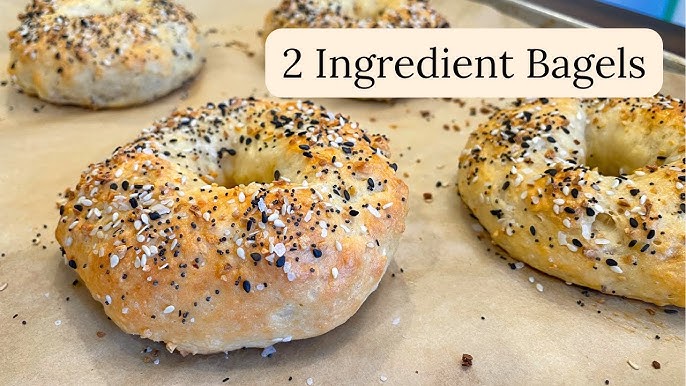
Greek Yogurt Bagels Recipe: If you’ve ever wanted fresh, chewy, bakery-style bagels without yeast, without hours of proofing, and without complicated techniques, you’re in the right place. Greek yogurt bagels are one of those rare kitchen wins that feel almost too good to be true: simple ingredients, minimal prep, and shockingly good results.
This guide is not just another quick recipe. It’s a complete, professional step-by-step masterclass designed to help you make perfect Greek yogurt bagels every single time, whether you’re a beginner or an experienced home baker.
We’ll cover ingredients, science, techniques, troubleshooting, variations, nutrition, storage, and serving ideas, all in a clear, conversational, human-written style. Think of this as your ultimate bagel handbook—friendly, detailed, and practical.
So grab a bowl, preheat your oven, and let’s bake.
What Are Greek Yogurt Bagels?
Greek yogurt bagels are quick, yeast-free bagels made primarily with Greek yogurt and flour, often using baking powder as the leavening agent. Unlike traditional bagels—which require yeast, boiling, and long rising times—these bagels rely on chemistry rather than fermentation.
How They Differ From Traditional Bagels
Traditional bagels:
- Use yeast
- Require proofing
- Often need boiling before baking
- Take several hours
Greek yogurt bagels:
- No yeast
- No boiling
- Ready in under an hour
- Still chewy, dense, and satisfying
Think of traditional bagels as a slow-cooked stew, while Greek yogurt bagels are a weeknight skillet meal—different methods, same satisfaction.
Why Greek Yogurt Works in Baking
Greek yogurt brings:
- Protein (structure)
- Acidity (reacts with baking powder)
- Moisture (soft crumb)
- Fat (flavor and tenderness)
It replaces oil, milk, and sometimes eggs—all in one ingredient.
Why This Greek Yogurt Bagel Recipe Works
The Science Behind the Dough
When Greek yogurt mixes with flour:
- Proteins bind with gluten
- Acidity activates baking powder
- Moisture hydrates starches
This creates a dough that is:
- Easy to handle
- Naturally elastic
- Strong enough to hold its shape
Taste, Texture, and Structure Explained
These bagels are:
- Chewy but soft
- Lightly crisp outside
- Tender inside
- Mildly tangy, like sourdough’s quieter cousin
Ingredients You’ll Need
Core Ingredients
- 2 cups all-purpose flour
- 1 cup plain Greek yogurt (thick, unsweetened)
- 2 teaspoons baking powder
- ½ teaspoon salt
That’s it. Four ingredients. No tricks.
Optional Ingredients for Flavor & Texture
Egg Wash Options
- 1 egg + 1 tbsp water (glossy finish)
- Milk wash (lighter color)
- Olive oil (vegan option)
Toppings & Seasonings
- Sesame seeds
- Everything bagel seasoning
- Poppy seeds
- Garlic flakes
- Coarse salt
Ingredient Quality Matters
Choosing the Right Greek Yogurt
Use:
- Thick, strained Greek yogurt
- Plain and unsweetened
- Full-fat for best results
Avoid:
- Regular yogurt (too watery)
- Flavored yogurt
- Low-fat if possible
Flour Types Explained
- All-purpose flour: best balance
- Bread flour: chewier texture
- Whole wheat flour: denser, nutty flavor
Baking Powder vs Yeast
Baking powder gives instant lift, while yeast gives slow fermentation flavor. This recipe is about speed and simplicity, not complexity.
Tools & Equipment Checklist
Must-Have Tools
- Mixing bowl
- Baking sheet
- Parchment paper
- Oven
Helpful but Optional Tools
- Kitchen scale
- Bench scraper
- Pastry brush
- Cooling rack
Step-by-Step Guide to Making Greek Yogurt Bagels
Step 1 – Preheating & Preparation
Preheat your oven to 375°F (190°C). Line a baking sheet with parchment paper or lightly grease it. Using thick, full-fat Greek yogurt works best for structure and flavor.
Step 2 – Mixing the Dough
In a bowl, combine Greek yogurt, flour, baking powder, and salt. Stir until a shaggy dough forms. The dough should come together easily but not feel overly sticky.
Step 3 – Kneading the Dough
Turn the dough onto a lightly floured surface and knead for 2–3 minutes until smooth. Add small amounts of flour if needed. Proper kneading creates elasticity and helps the bagels hold their shape.
Step 4 – Resting the Dough
Let the dough rest for 10 minutes. This relaxes the gluten, making the dough easier to shape and improving the final texture.
Step 5 – Shaping the Bagels
Divide the dough into equal portions. Roll each piece into a ball, then poke a hole through the center and gently stretch to form a bagel shape. Keep the hole slightly larger than expected—it will shrink while baking.
Step 6 – Adding Toppings
Brush the bagels lightly with egg wash or milk for color. Sprinkle with toppings like sesame seeds, poppy seeds, garlic, onion, or everything seasoning.
Step 7 – Baking the Bagels
Bake for 22–25 minutes, or until golden brown and firm to the touch. Rotate the pan halfway through for even browning.
Step 8 – Cooling & Setting the Crumb
Transfer bagels to a wire rack and cool for at least 15 minutes. This allows the crumb to set and prevents a gummy interior.
These Greek yogurt bagels are quick, satisfying, and perfect for breakfast or sandwiches.
Common Mistakes & How to Fix Them
Dough Too Sticky
- Yogurt too wet
- Add flour gradually
Bagels Too Dense
- Over-kneaded dough
- Old baking powder
Pale or Dry Bagels
- No egg wash
- Overbaked
Flavor Variations You’ll Love
Everything Bagel Style
Add everything seasoning before baking.
Cinnamon Raisin Greek Yogurt Bagels
Add cinnamon + soaked raisins to dough.
Cheese Bagels
Fold shredded cheddar into dough.
Garlic & Herb Bagels
Add garlic powder and dried herbs.
Air Fryer Greek Yogurt Bagels
Cook at 350°F (175°C) for 10–12 minutes, flipping once.
Perfect for small batches.
Storage, Freezing & Reheating
- Room temp: 2 days
- Fridge: 5 days
- Freezer: up to 3 months
Toast before serving for best texture.
Nutrition & Health Benefits
Greek yogurt bagels are:
- Higher in protein
- Lower in fat
- More filling than traditional bagels
Great for balanced breakfasts.
FAQs about Greek Yogurt Bagels Recipe
1. Can I use regular yogurt instead of Greek yogurt?
No. Regular yogurt contains too much moisture and will make the dough sticky and difficult to work with. Thick Greek yogurt is essential for proper structure.
2. Are Greek yogurt bagels healthy?
Yes. They’re generally higher in protein and lower in fat than traditional bagels, making them a lighter yet satisfying option.
3. Can I make them vegan?
Absolutely. Use a plant-based Greek-style yogurt and skip the egg wash or replace it with plant milk for browning.
4. Why didn’t my bagels rise?
This is usually due to expired baking powder or overworking the dough, which can limit lift during baking.
5. Can I double the recipe?
Yes. This recipe scales very well. Just maintain the same ingredient ratios and avoid overcrowding the baking sheet.
These tips help ensure fluffy, flavorful Greek yogurt bagels every time.
Conclusion
Greek yogurt bagels prove that great baking doesn’t have to be complicated. With just a handful of ingredients and a simple process, you can create warm, chewy, bakery-style bagels at home—no yeast, no waiting, no stress.
Once you master the base recipe, the variations are endless. Sweet or savory, oven or air fryer, classic or creative—this is one recipe you’ll come back to again and again.