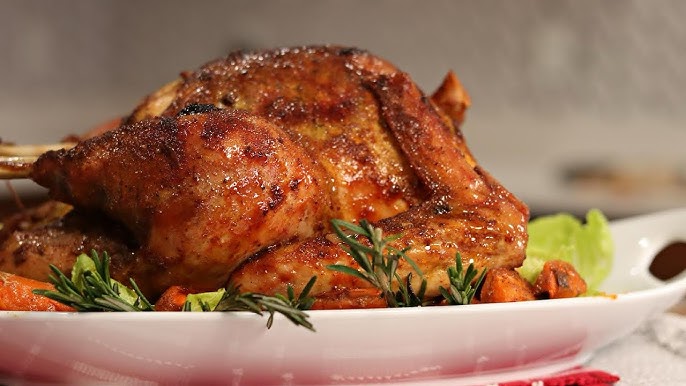
Gordon Ramsay Turkey Recipe: When it comes to holiday meals, nothing feels more iconic than a beautifully roasted turkey. But if you’ve ever tried making one, you’ll know it’s not as easy as just popping it in the oven. That’s why Gordon Ramsay’s turkey recipe has become so popular—it’s reliable, packed with flavor, and designed to keep the turkey juicy, tender, and golden brown every single time. Unlike many traditional recipes that leave the bird dry and bland, Ramsay focuses on infusing flavor deep into the meat, not just on the surface. His signature trick? A rich butter and herb mixture massaged under the skin, ensuring every bite is bursting with flavor.
This recipe works perfectly for Thanksgiving, Christmas, or any big family gathering. Imagine bringing a beautifully golden turkey to the table, the skin crisp and glistening, with the aroma of fresh herbs filling the room—it’s enough to make your guests’ mouths water before you even start carving. Ramsay’s approach is simple yet professional, making it easy for home cooks to achieve restaurant-level results. Whether you’re a seasoned chef or trying turkey for the first time, following this step-by-step guide will guarantee success.
Ingredients You’ll Need for Gordon Ramsay’s Turkey
Before you begin, gather all the ingredients. Preparation is key to cooking stress-free, especially when you’re dealing with a centerpiece like turkey. Ramsay’s recipe is straightforward, but every component has a role in building depth of flavor.
Main Ingredients for the Turkey
- 1 whole turkey (10–14 lbs works best for most families)
- Olive oil (to drizzle before roasting)
- Salt and freshly ground black pepper
For the Butter Mixture (Flavor Base)
- 1 cup unsalted butter (softened, room temperature)
- 1 lemon (zested and juiced)
- 3 cloves garlic (minced)
Fresh Herbs and Seasonings
- Fresh thyme (a few sprigs)
- Fresh rosemary (finely chopped)
- Fresh sage (chopped)
- Parsley (chopped, for freshness)
Optional Ingredients for Extra Flavor
- 1 onion (halved, for the cavity)
- 1 whole garlic bulb (halved)
- 1 lemon (halved, to place inside the cavity)
- Bay leaves (for a subtle earthy note)
Every single ingredient here enhances the flavor profile. The butter mixture with garlic, lemon, and herbs works like a marinade, soaking into the turkey as it roasts. Meanwhile, the aromatics inside the cavity release steam that keeps the meat moist and fragrant. By the time you pull your turkey from the oven, the result is a masterpiece worthy of Gordon Ramsay’s kitchen.
Preparing the Turkey
The way you prep your turkey before it even hits the oven can make or break the final dish. Ramsay insists on giving attention to detail here—this is where the foundation of flavor begins.
How to Clean and Pat Dry the Turkey
Start by unwrapping your turkey and removing the giblets and neck from the cavity. Rinse the bird under cold water (optional, depending on preference), then pat it completely dry with paper towels. This step is crucial because moisture on the skin prevents it from crisping up properly in the oven. A dry surface means the butter and seasoning can cling better, leading to that golden-brown crust Ramsay is known for.
Prepping the Cavity with Aromatics
Instead of stuffing the turkey with heavy bread-based stuffing, Ramsay uses fresh aromatics inside the cavity. Place a halved lemon, an onion, garlic, and a few herbs inside. As the turkey roasts, these release steam and subtle flavors that keep the meat moist and aromatic. This approach not only prevents overcooking but also avoids the risk of undercooked stuffing inside the bird.
Preparing the Butter Herb Mixture
Now, the magic begins. In a bowl, mix softened butter with minced garlic, lemon zest, lemon juice, and chopped herbs. This fragrant paste will serve as your flavor powerhouse. Gently separate the turkey’s skin from the breast using your fingers—creating little pockets. Carefully push spoonfuls of the butter mixture under the skin, spreading it evenly across the breast meat. Whatever remains can be rubbed on the outside of the bird. This technique locks in flavor while ensuring the white meat doesn’t dry out.
At this point, your turkey is prepped, flavored, and ready for the oven. What makes Ramsay’s recipe special is this butter-under-skin trick—it guarantees moist breast meat while still giving you crispy, golden skin on the outside.
Cooking the Turkey – Step by Step Guide
Now comes the most exciting part—getting that turkey into the oven and transforming it into a golden showstopper. Cooking times vary depending on the weight of your bird, but Ramsay’s step-by-step method works universally.
Step 1 – Preheat and Prepare
Preheat your oven to 425°F (220°C). This initial high heat helps crisp the skin quickly. Place your turkey on a roasting rack inside a large roasting pan. Drizzle a touch of olive oil on top and season generously with salt and pepper.
Step 2 – Butter Under the Skin Technique
This is where all your prep pays off. Thanks to the butter mixture you massaged under the skin earlier, the flavors are already working their way into the meat. As the bird roasts, the butter melts, self-basting the turkey from within.
Step 3 – Stuffing and Seasoning the Turkey
Remember the aromatics you placed in the cavity? As the turkey cooks, they’ll infuse flavor into the meat from the inside out. Keep the seasoning simple on the outside—salt, pepper, and a drizzle of oil. The butter already adds richness, so there’s no need for overcomplication.
Step 4 – Roasting Process Explained
Roast the turkey at 425°F (220°C) for the first 15 minutes to crisp the skin, then lower the heat to 350°F (175°C) for the rest of the cooking time. Rule of thumb: 13–15 minutes per pound of turkey. Cover loosely with foil after the first 30 minutes to prevent over-browning, but remove the foil for the final 20 minutes for a perfect golden finish.
Step 5 – Basting and Checking for Doneness
Every 45 minutes, baste the turkey with its pan juices. This ensures extra moisture and flavor. To check if it’s done, insert a meat thermometer into the thickest part of the thigh—165°F (75°C) means it’s ready. Don’t rely only on color, as juices can sometimes be misleading.
Resting and Carving the Turkey
Why Resting is Crucial
Once your turkey is roasted to perfection, the temptation to carve right into it is strong. But hold on—resting is absolutely crucial. When you remove the bird from the oven, the juices are bubbling and circulating inside the meat. If you carve immediately, all that flavorful liquid will spill out onto the cutting board, leaving the meat dry. Instead, cover the turkey loosely with foil and let it rest for at least 30–45 minutes. This pause allows the juices to redistribute evenly throughout the bird, ensuring every slice is moist and tender. Think of it like letting bread cool after baking—it’s part of the process that makes the final product even better.
Resting also gives you time to finish preparing side dishes or even make a delicious pan gravy from the drippings. Gordon Ramsay himself emphasizes patience at this stage—rushing will undo all your hard work. A well-rested turkey not only tastes better but also carves more neatly, making for a stunning presentation at the dinner table.
How to Carve the Turkey Like Gordon Ramsay
Carving a turkey can feel intimidating, but Ramsay’s technique makes it straightforward. Start by removing the legs and thighs—cut through the joint where they meet the body. Next, slice along the breastbone and gently carve away the breast meat in large pieces rather than thin slices. This keeps the meat juicy and easy to portion. Finally, remove the wings and carve them separately. Always use a sharp carving knife and take your time.
Arrange the carved meat on a platter with sprigs of fresh herbs and perhaps a few roasted lemon halves for garnish. Not only will it look restaurant-worthy, but it will also showcase all the effort you’ve put into the dish. Guests will immediately notice the golden skin, juicy slices, and aroma that fills the room—exactly the kind of wow factor Ramsay is famous for.
Gordon Ramsay’s Tips for the Perfect Roast Turkey
Even though this recipe already delivers amazing results, Ramsay adds a few chef secrets to take it to the next level:
- Use high-quality butter. It’s the foundation of flavor, so don’t skimp.
- Add citrus zest to the butter. Lemon or orange zest brightens up the richness of the turkey.
- Start hot, then lower the oven temperature. This ensures crispy skin without drying out the meat.
- Don’t overstuff the cavity. Aromatics should enhance flavor, not block airflow inside the turkey.
- Rest longer than you think. A turkey can stay warm for an hour under foil—better juicy and warm than dry and rushed.
- Make gravy from the drippings. Those pan juices are liquid gold. Deglaze with wine or stock, reduce, and whisk into a silky sauce.
By following these tips, your turkey won’t just be good—it will be unforgettable. Ramsay’s philosophy is all about elevating simple dishes with attention to detail, and this turkey is the perfect example.
Serving Suggestions and Side Dishes
A perfectly roasted turkey deserves equally delicious side dishes. Ramsay often pairs his turkey with seasonal vegetables and rich accompaniments that balance the meal. Here are some winning combinations:
- Classic Gravy – Made from the pan drippings, thickened with flour, and enriched with stock or wine.
- Crispy Roast Potatoes – Golden and crunchy on the outside, fluffy on the inside.
- Honey-Glazed Carrots & Parsnips – Sweet, tender, and caramelized in the oven.
- Brussels Sprouts with Chestnuts – A Ramsay favorite that brings festive flair.
- Cranberry Sauce – Sweet-tart flavors that cut through the richness of the turkey.
- Yorkshire Pudding (optional) – A British twist that works surprisingly well with roast turkey.
Think of the turkey as the star of the show, while the side dishes act like the supporting cast—each one highlighting and complementing the main attraction. Together, they create a balanced and memorable holiday feast.
Common Mistakes to Avoid When Cooking Turkey
Even experienced cooks can make mistakes when roasting turkey. To ensure yours turns out flawless, here are common pitfalls Ramsay warns against:
- Not seasoning enough. Turkey is naturally mild in flavor, so generous seasoning is key.
- Skipping the butter under the skin. This is Ramsay’s secret weapon—don’t miss it.
- Overstuffing the cavity. It slows cooking and risks undercooking. Use light aromatics instead.
- Not checking temperature properly. Always use a meat thermometer—165°F (75°C) in the thigh is the gold standard.
- Carving too soon. Impatience leads to dry meat; let it rest.
- Using too high heat throughout. You’ll burn the outside before cooking the inside. Start hot, then lower.
- Forgetting to baste. Basting adds flavor and moisture—skip it, and your bird may dry out.
By being mindful of these mistakes, you’ll avoid stress and serve a turkey worthy of a standing ovation.
FAQs about Gordon Ramsay Turkey Recipe
1. Can I prepare the turkey in advance?
Yes! You can prep the butter mixture and even season the turkey a day ahead. Just keep it refrigerated and bring it to room temperature before roasting.
2. What’s the ideal turkey size for a family of 6–8?
A 12–14 lb turkey is perfect for 6–8 people, leaving some leftovers for the next day.
3. Can I use margarine instead of butter?
Butter is strongly recommended for flavor and richness, but margarine can work in a pinch.
4. How do I make sure the turkey stays juicy?
Butter under the skin, proper basting, and resting after cooking are the keys to juicy meat.
5. Can I cook this recipe without stuffing?
Absolutely. Ramsay prefers using aromatics instead of stuffing to avoid uneven cooking.
Conclusion
Cooking a turkey can feel overwhelming, but Gordon Ramsay’s recipe makes it foolproof. With a rich butter-herb mixture tucked under the skin, aromatic flavors steaming from the cavity, and a roasting method that balances crispiness with juiciness, this recipe guarantees success every time. Whether it’s Thanksgiving, Christmas, or any celebration, this turkey will impress your guests and leave them asking for seconds. Follow the steps carefully, use Ramsay’s pro tips, and you’ll create not just a meal, but a dining experience that people will remember.