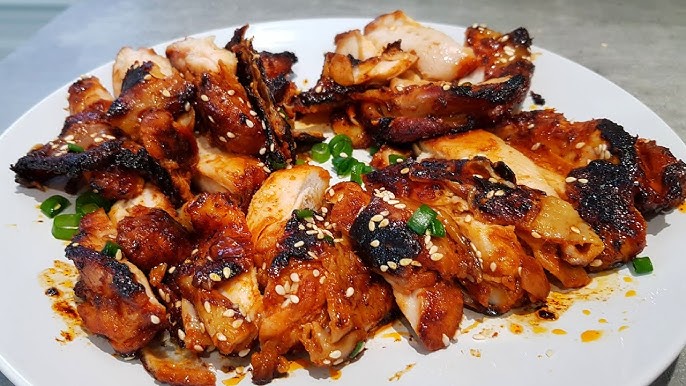
Gochujang Chicken Recipe: Let’s talk flavor – deep, spicy, sweet, umami-packed flavor that hits all the right spots. That’s Gochujang Chicken in a nutshell. If you haven’t cooked with gochujang before, you’re in for a game-changer. This traditional Korean fermented chili paste adds complex flavor and spice that elevates any dish, especially when it meets juicy chicken.
In Korea, gochujang has been a staple for centuries, but only in recent years has it gained massive popularity globally. From street food to high-end restaurants, chefs and home cooks are reaching for this bold ingredient. Gochujang Chicken is a vibrant, saucy dish that can be pan-fried, baked, or even grilled. Whether you like it extra spicy or with a hint of sweetness, this recipe can be customized to fit your taste buds perfectly.
So, if you’re craving something delicious, a little exotic, and absolutely satisfying, this is the recipe for you.
What Makes This Dish Special?
It’s all about balance. Gochujang Chicken is sweet, spicy, savory, and just a little tangy. The sticky sauce clings to each bite of chicken, giving you an explosion of taste in every mouthful. Plus, it’s incredibly versatile. Serve it over rice, noodles, or in lettuce wraps—it works any way you want.
Gochujang Chicken also has the power to be both comfort food and a showstopper. It’s simple enough for weeknight cooking but bold enough to impress at dinner parties. And the best part? Once you master the basic method, you can tweak it endlessly.
This dish stands out for its:
- Quick cook time
- High flavor payoff
- Customizable spice level
- Meal-prep friendly nature
Whether you’re cooking for one or a family of five, gochujang chicken will not disappoint.
List of Ingredients You’ll Need
Let’s get into the heart of the recipe—what you’ll need to make it happen. Most of these ingredients are pantry staples or can be easily found at Asian grocery stores or online.
Main Ingredients
- 1.5 lbs (700g) boneless, skinless chicken thighs or breasts
- 1 tablespoon vegetable oil (for cooking)
- 1 teaspoon sesame seeds (for garnish)
- 2 green onions, finely chopped (for garnish)
For the Marinade
- 3 tablespoons gochujang (Korean chili paste)
- 1 tablespoon soy sauce
- 1 tablespoon sesame oil
- 1 tablespoon honey or brown sugar
- 2 garlic cloves, minced
- 1 teaspoon grated fresh ginger
- 1 tablespoon rice vinegar or apple cider vinegar
- Optional: 1-2 teaspoons gochugaru (Korean chili flakes) for extra heat
Optional Add-Ons
- Julienned carrots or cucumbers (for freshness)
- Steamed rice or noodles (for serving)
- Lettuce leaves (for wraps)
This mix of ingredients brings that signature depth and complexity to the dish. If you’ve never cooked with gochujang before, prepare to be amazed—it’s the key to unlocking bold Korean flavors.
Ingredient Substitutions & Tips
Don’t worry if you’re missing one or two ingredients. Gochujang Chicken is pretty forgiving and still tastes amazing with a few swaps.
No Gochujang?
Try a mix of:
- 2 tablespoons sriracha
- 1 tablespoon miso paste
- 1 teaspoon honey
It won’t be 100% authentic, but it’ll still pack a flavor punch.
Gluten-Free Version
- Use tamari instead of soy sauce
- Check that your gochujang is gluten-free (some brands are)
Vegan Option
- Replace chicken with tofu or tempeh
- Use agave instead of honey
No Rice Vinegar?
- Use apple cider vinegar or even lemon juice
Every kitchen is different, and so is every cook. These swaps make the dish accessible without compromising flavor.
Essential Cooking Tools
Cooking Gochujang Chicken doesn’t require anything fancy, but the right tools do make things easier and more enjoyable.
Recommended Cookware
- Non-stick skillet or cast-iron pan: For a beautiful sear
- Mixing bowls: For marinating and tossing
- Tongs or a spatula: To turn the chicken easily
Optional But Helpful
- Meat thermometer: To ensure chicken is fully cooked (165°F or 74°C)
- Air fryer: For a crispy, quick version
- Grill pan: For charred, smoky flavor
A few smart tools can turn your kitchen into a Korean street food stall—minus the long lines!
How to Prepare the Chicken
Prepping is the key to cooking with confidence. Let’s make sure your chicken is ready to soak up all that spicy-sweet goodness.
Best Cuts for the Job
- Chicken thighs are juicy, flavorful, and more forgiving if overcooked.
- Chicken breasts are leaner and work great too but can dry out if not handled right.
Prepping Tips
- Pat chicken dry with paper towels. This helps the marinade stick better.
- Cut into bite-sized pieces for faster cooking and better sauce coverage.
- Trim any excess fat if using thighs.
Getting the prep right means your chicken will cook evenly and absorb the flavors like a sponge.
Step-by-Step Guide to Making Gochujang Chicken
Ready to get cooking? Let’s break down the process into simple, doable steps. Whether you’re a beginner or a kitchen pro, this method guarantees a delicious outcome.
Step 1: Marinating the Chicken
Start by cutting chicken thighs or breasts into bite-sized pieces. In a bowl, mix gochujang, soy sauce, minced garlic, grated ginger, a little sugar or honey, and sesame oil. Add the chicken and toss until fully coated. Cover and marinate for at least 30 minutes, or up to 8 hours for deeper flavor.
Step 2: Cooking on the Stovetop
Heat a non-stick pan or skillet over medium heat with a small amount of oil. Add the marinated chicken in a single layer. Cook for 6–8 minutes, turning occasionally, until the chicken is cooked through and the sauce thickens and caramelizes slightly. Avoid overcrowding to get a nice glaze.
Step 3: Baking Method
Preheat your oven to 200°C (400°F). Line a baking tray with foil or parchment paper and spread the marinated chicken evenly. Bake for 20–25 minutes, flipping halfway through. For extra char, switch to broil/grill mode for the last 2–3 minutes.
Step 4: Air Fryer Method
Preheat the air fryer to 180°C (360°F). Arrange the chicken in the basket in a single layer. Air fry for 12–15 minutes, shaking the basket halfway, until the chicken is crispy at the edges and fully cooked.
Step 5: Grilling Option
Preheat the grill to medium-high heat. Thread the chicken onto skewers and grill for 8–10 minutes, turning frequently. Brush with extra marinade for a bold, smoky finish.
Serving Suggestions
You’ve cooked your gochujang chicken. Now, how should you serve it? Let’s elevate the meal with some awesome pairing ideas.
Classic Combo
- Steamed jasmine or short-grain rice
- Kimchi or pickled veggies on the side
- Cucumber salad for freshness
Low-Carb Option
- Lettuce wraps (romaine or butter lettuce)
- Cauliflower rice
- Zucchini noodles
Fusion Style
- Tacos with slaw and spicy mayo
- Gochujang chicken sliders
- Korean chicken bowl with quinoa and edamame
Top with Extras
- Toasted sesame seeds
- Sliced avocado
- Fried egg for that bibimbap vibe
Plating tip: Go generous with the sauce drizzle. That sticky red glaze is the real star here.
How to Store Leftovers
Gochujang Chicken stores incredibly well. In fact, it tastes even better the next day as the flavors deepen.
In the Refrigerator
- Store in an airtight container.
- Keeps well for 3–4 days.
- Best reheated on the stovetop over low heat.
In the Freezer
- Cool the chicken completely.
- Freeze in a sealed bag or container for up to 2 months.
- Defrost in the fridge overnight before reheating.
Reheating Tips
- Microwave: Cover and heat in 30-second bursts.
- Stovetop: Add a splash of water or broth to loosen the sauce.
- Air Fryer: Great for reviving crispy texture.
Avoid reheating too many times—stick to once or twice max to preserve quality.
Variations of Gochujang Chicken
Love the flavor but want to mix things up? Here are a few twists to keep things fresh.
Gochujang Chicken Wings
- Swap thighs for wings.
- Bake or air fry until crispy.
- Toss in extra gochujang sauce before serving.
Gochujang Chicken Stir Fry
- Add bell peppers, onions, and broccoli.
- Cook chicken first, then stir-fry veggies.
- Toss everything in sauce before serving.
Gochujang Chicken Rice Bowl
- Layer rice, chicken, sautéed spinach, carrots, and a soft-boiled egg.
- Drizzle with sesame oil and a dash of soy sauce.
These variations are perfect for weeknight boredom or if you’re cooking for a crowd.
Health Benefits of Gochujang and Chicken
Let’s not forget—delicious food can also be good for you. Gochujang Chicken isn’t just packed with flavor; it’s loaded with nutrients that support your body in more ways than one.
Gochujang – More Than Just Spice
This Korean chili paste is fermented, which means it comes with probiotics that support gut health. It also contains:
- Capsaicin – the compound that gives it heat, known to boost metabolism and support weight loss
- Antioxidants – which fight inflammation and keep your cells healthy
- Iron & B vitamins – from the fermented soybeans
Chicken – Lean Protein Powerhouse
Chicken, especially thighs or breasts, is an excellent source of high-quality protein, which:
- Supports muscle growth and repair
- Keeps you full longer
- Is naturally low in carbs and sugar
Add in the garlic and ginger—both known for their anti-inflammatory and immune-boosting properties—and you’ve got a meal that’s both comforting and good for your body.
Plus, the low sugar content (when you control it) and minimal use of oil make this dish a balanced, whole-food option. Want to make it even lighter? Serve it with steamed veggies or lettuce wraps.
Common Mistakes to Avoid
Even a simple recipe can go sideways without a few precautions. Let’s look at some of the most common gochujang chicken pitfalls—and how to avoid them.
1. Over-Marinating the Chicken
While it’s tempting to let the chicken marinate all day, anything beyond 12 hours can break down the meat too much and change the texture. Stick to 30 minutes minimum, 4–6 hours ideal.
2. Not Adjusting the Spice Level
Gochujang varies in heat depending on the brand. Always taste your marinade before using it. If it’s too spicy, balance it out with extra honey or a spoon of yogurt.
3. Overcrowding the Pan
Trying to cook all your chicken at once can cause steaming instead of searing. This means soggy chicken and no golden crust. Use a large pan or cook in batches.
4. Not Preheating the Pan or Oven
Cold pans = uneven cooking. Always give your cookware a few minutes to heat up before adding the chicken.
5. Ignoring Internal Temperature
Chicken should be cooked to 165°F (74°C). Use a meat thermometer for best results, especially with thicker cuts.
Paying attention to these little details can mean the difference between “meh” and “WOW” in your final dish.
Pro Tips for a Perfect Finish
Want to level up your Gochujang Chicken from great to unforgettable? These expert tips can help.
1. Sear First, Then Simmer
Start with a quick sear on high heat to lock in juices, then reduce the heat and simmer with extra sauce. This keeps the chicken moist and lets the sauce caramelize.
2. Use Toasted Sesame Oil
Regular sesame oil is fine, but toasted sesame oil adds a nutty, smoky depth that takes the flavor up a notch. Drizzle it just before serving.
3. Balance the Sauce
Gochujang is bold. Don’t let it dominate. A splash of lime juice or a teaspoon of brown sugar can bring harmony to your sauce.
4. Let It Rest
After cooking, let the chicken rest for 3–5 minutes before slicing or serving. This helps the juices redistribute, keeping the meat tender.
5. Add Crunch
Sprinkle chopped peanuts, fried shallots, or roasted sesame seeds on top for texture contrast.
Think of these as your secret chef moves. They don’t take much extra time, but the result? A dish that tastes like it came from a high-end Korean bistro.
Gochujang Chicken for Meal Prep
If you like to plan ahead (or just hate cooking every day), this recipe is your new best friend. Gochujang Chicken is ideal for batch cooking.
Make-Ahead Tips
- Marinate chicken and freeze it raw. Defrost and cook when ready.
- Or cook it fully, cool it, and store it in meal-size portions.
How to Portion
- 3–4 ounces of cooked chicken per meal
- Add 1 cup of rice or veggies per container
- Keep sauce on the side if you want to reheat without sogginess
Storage Duration
- Fridge: 3–4 days
- Freezer: Up to 2 months
Pair it with different sides throughout the week—rice one day, lettuce wraps the next, and noodles another—to keep things interesting without extra work.
FAQs about Gochujang Chicken Recipe
1. Can I make this without Gochujang?
Yes, you can substitute with a mix of sriracha and miso paste, but it won’t have the same deep fermented flavor. Still delicious, though!
2. Is this dish very spicy?
It depends on the brand of gochujang and how much you use. You can always tone it down with extra honey or skip the gochugaru.
3. Can I use tofu instead of chicken?
Absolutely! Press the tofu to remove moisture, then marinate and cook it the same way. It’s delicious and vegan-friendly.
4. How long does the marinade last in the fridge?
You can store leftover marinade (that hasn’t touched raw chicken) in the fridge for up to a week.
5. What’s the best way to reduce the spice level?
Add a spoonful of plain yogurt, more honey, or even a bit of coconut milk to mellow out the heat.
Conclusion
There you have it—a bold, fiery, flavor-packed dish that’s as easy to make as it is impressive to serve. Gochujang Chicken brings Korean-inspired magic to your kitchen with just a few ingredients and simple steps.
Whether you’re in the mood for something spicy, craving that umami punch, or just want to shake up your weeknight dinner routine, this dish has you covered. It’s adaptable, quick, and guaranteed to become a staple in your recipe lineup.
So go grab that jar of gochujang, get your skillet sizzling, and treat yourself to a meal that’s anything but boring.