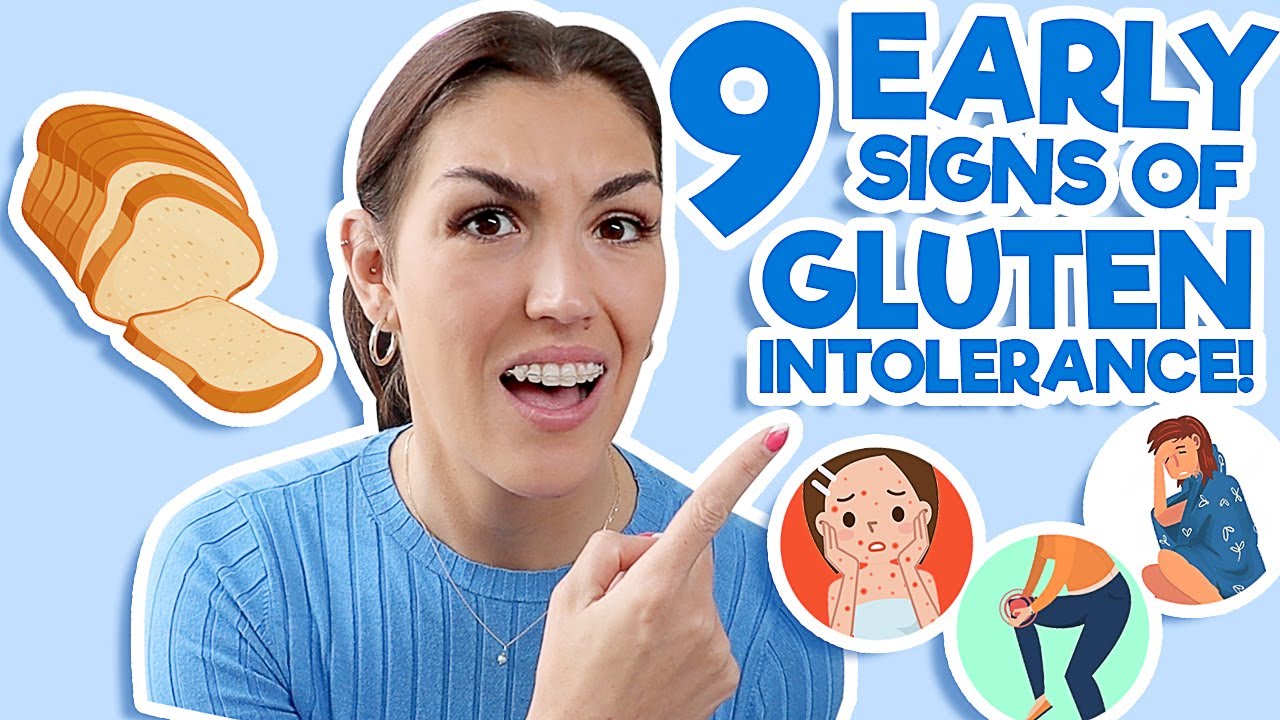
Gluten Intolerance Symptoms: Imagine eating your favorite slice of bread, only to end up bloated, fatigued, or mentally foggy shortly after. If this sounds familiar, you might be dealing with gluten intolerance—a condition that’s becoming more common yet remains misunderstood. Gluten intolerance, also known as non-celiac gluten sensitivity (NCGS), is a reaction to gluten—a protein found in wheat, barley, and rye—that causes a wide array of symptoms but is not considered an autoimmune disorder like celiac disease.
Understanding gluten intolerance is essential in today’s health-conscious world, where more people are experiencing unexplained symptoms that could be tied to what’s on their plate. With rising awareness, it’s crucial to distinguish between celiac disease, wheat allergy, and gluten sensitivity, especially when these conditions overlap in symptoms but differ in their causes and treatments.
In this guide, we’ll dive deep into the symptoms and causes of gluten intolerance, help you spot the signs, and understand what’s really going on in your body. So, if you’ve been wondering why you feel off after eating gluten-rich foods, stick around. This could be the clarity you’ve been waiting for.
What is Gluten?
Gluten is a general name for the proteins found in wheat, barley, and rye. It acts like a glue that holds food together, helping it maintain its shape and elasticity. While it’s naturally found in grains, gluten is also present in many processed foods, condiments, sauces, and even cosmetics.
You’ll find gluten in:
- Breads and baked goods
- Pasta and noodles
- Cereals and granola
- Beer and malt beverages
- Crackers and snack bars
- Soups, sauces, and salad dressings
Even some “unexpected” foods like soy sauce, ice cream, and deli meats may contain gluten due to cross-contamination or additives.
For most people, gluten doesn’t cause any issues. But for those with gluten intolerance, even small amounts can trigger discomfort and distress. That’s why it’s vital to understand where gluten hides in our everyday diet.
Understanding Gluten Intolerance
Gluten intolerance isn’t as straightforward as it sounds. It falls under the umbrella of “gluten-related disorders,” which includes three major conditions:
- Celiac Disease – An autoimmune disorder where gluten damages the small intestine lining.
- Wheat Allergy – An allergic reaction to proteins in wheat, which may or may not include gluten.
- Non-Celiac Gluten Sensitivity (NCGS) – A condition where people react negatively to gluten without the autoimmune or allergic responses.
In gluten intolerance (NCGS), people typically experience gastrointestinal and non-GI symptoms after consuming gluten. But unlike celiac disease, their intestines aren’t damaged, and there are no specific biomarkers for diagnosis.
Anyone can develop gluten intolerance, though it’s more common in adults than children. Women are disproportionately affected, and it often appears alongside other conditions like irritable bowel syndrome (IBS) or fibromyalgia.
Causes of Gluten Intolerance
So, what causes someone to suddenly become intolerant to gluten? While the exact cause of non-celiac gluten sensitivity remains unknown, several factors seem to play a role:
1. Genetics
Although NCGS isn’t hereditary like celiac disease, studies suggest some people may have a genetic predisposition that affects how their immune system responds to gluten.
2. Gut Health and Immune Dysfunction
An imbalance in gut bacteria (dysbiosis), increased intestinal permeability (leaky gut), or chronic inflammation may make your system hypersensitive to gluten. These gut issues can lead to symptoms even if there’s no celiac disease present.
3. Environmental Triggers
Certain lifestyle and environmental factors—like infections, stress, antibiotic overuse, or drastic dietary changes—may trigger gluten sensitivity. Some people notice symptoms after recovering from an illness or following periods of prolonged stress.
Though more research is needed, these combined factors appear to create the “perfect storm” for gluten intolerance to develop, even in those who’ve consumed gluten for years without problems.
Symptoms of Gluten Intolerance
Gluten intolerance symptoms can be sneaky and wide-ranging. They don’t just affect the digestive system but can extend to the brain, skin, joints, and even your mood. What makes it more confusing is that the symptoms often overlap with other conditions.
Here are the most common categories of symptoms:
- Digestive Issues: Bloating, gas, diarrhea, constipation, and stomach cramps.
- Neurological Symptoms: Brain fog, fatigue, mood swings, and headaches.
- Skin Reactions: Rashes, eczema, and itchiness.
- Others: Joint pain, unexplained weight loss or gain, and nutritional deficiencies.
Symptoms may appear within hours or take days to show up. And while some people have all of these, others may only have one or two. Let’s break them down more specifically.
Digestive Symptoms Explained
If there’s one thing gluten intolerance is infamous for, it’s digestive trouble. These gut-related symptoms are the most commonly reported, and they’re often what first prompts someone to suspect a food-related issue.
1. Bloating
That uncomfortable “puffed up” feeling after meals? It’s a hallmark of gluten intolerance. Bloating occurs when the digestive system becomes inflamed or struggles to break down gluten, leading to gas buildup.
2. Diarrhea and Constipation
Some people experience chronic diarrhea after eating gluten, while others suffer from constipation. Both issues stem from the gut’s inflammatory response and possible disruption of the gut microbiome.
3. Gas and Abdominal Pain
Gas is another sign of gluten sensitivity, especially when accompanied by cramping or sharp abdominal pain. This discomfort often shows up within a few hours after eating.
These symptoms may mimic IBS, leading to misdiagnosis. That’s why keeping a food diary can be incredibly helpful in spotting patterns and identifying gluten as a potential culprit.
Non-Digestive Symptoms of Gluten Intolerance
While digestive issues tend to grab the spotlight, many people with gluten intolerance deal with a wide array of non-digestive symptoms that can be just as disruptive. In fact, these symptoms are often what confuse both patients and doctors, as they can resemble other chronic conditions and don’t always seem directly tied to food.
1. Brain Fog and Fatigue
One of the most commonly reported issues in gluten-sensitive individuals is brain fog—that feeling where your thoughts are fuzzy, focus is hard, and memory feels like it’s slipping. Many also experience chronic fatigue, even after a good night’s sleep. This is believed to be caused by low-grade inflammation triggered by gluten, which can affect brain function.
2. Headaches and Migraines
Regular headaches or migraines, especially if they seem to come out of nowhere, might be a sign of gluten intolerance. Some studies have found a link between gluten sensitivity and recurring migraines, with symptoms often improving after eliminating gluten from the diet.
3. Depression and Anxiety
Mood disorders are increasingly being linked to food sensitivities, and gluten is a major player. Anxiety, depression, irritability, and even panic attacks have been reported by those sensitive to gluten. The gut-brain connection plays a huge role here—since a large portion of our serotonin (the “feel good” hormone) is produced in the gut, an inflamed or irritated digestive system can directly affect mood.
If you’ve been struggling with emotional or cognitive issues and haven’t found relief through traditional treatments, it might be time to explore whether gluten is impacting your mental well-being.
Skin Conditions Linked to Gluten
Believe it or not, your skin could be the window to what’s going on inside your body—especially when it comes to gluten intolerance. Many gluten-sensitive individuals report skin flare-ups that resolve once they remove gluten from their diet.
1. Dermatitis Herpetiformis
This is the only skin condition that’s officially linked to gluten sensitivity, particularly celiac disease. It causes intensely itchy blisters, usually on the elbows, knees, scalp, and buttocks. However, not all people with dermatitis herpetiformis show gastrointestinal symptoms, which makes it tricky to diagnose.
2. Eczema and Rashes
Non-specific skin issues like eczema, hives, and chronic rashes may also be tied to gluten intolerance. These symptoms are believed to result from the body’s immune response, which can manifest on the skin when the gut is inflamed or compromised.
3. Keratosis Pilaris
Often described as “chicken skin,” this condition causes small, rough bumps on the back of the arms or thighs. While not exclusive to gluten intolerance, many people report improvement in keratosis pilaris when they go gluten-free.
If you’ve been treating stubborn skin issues with no success, it might be worth exploring whether gluten is playing a role—especially if you notice flare-ups after meals.
Long-Term Health Effects
Ignoring gluten intolerance can have long-term consequences. While it may not cause intestinal damage like celiac disease, ongoing inflammation and immune responses can take a toll on your health in subtle but significant ways.
1. Malabsorption and Nutrient Deficiencies
Chronic digestive irritation can interfere with nutrient absorption, particularly of iron, vitamin B12, calcium, and folate. Over time, this can lead to anemia, fatigue, muscle weakness, and weakened bones.
2. Chronic Inflammation
Gluten intolerance can trigger low-level systemic inflammation. This kind of chronic inflammation has been linked to a host of diseases, including type 2 diabetes, heart disease, and autoimmune disorders. Even if you don’t feel sick right away, your body may be in a state of internal stress.
3. Increased Risk of Autoimmune Conditions
There’s growing evidence that gluten intolerance could increase your risk of developing autoimmune conditions like Hashimoto’s thyroiditis or rheumatoid arthritis. While more research is needed, some experts believe ongoing gluten exposure may disrupt immune regulation.
Taking gluten intolerance seriously isn’t just about avoiding bloating or fatigue—it’s about protecting your long-term health and giving your body the support it needs to thrive.
Gluten Intolerance in Children vs Adults
Gluten intolerance doesn’t discriminate—it can affect both children and adults. However, the symptoms, diagnosis, and even the impact on daily life can differ significantly depending on age.
1. Children’s Symptoms
Kids with gluten sensitivity often display a range of symptoms, such as:
- Stomach aches
- Poor growth or failure to thrive
- Behavioral issues (irritability, mood swings)
- Fatigue and concentration difficulties
- Skin rashes or eczema
Because these signs can be subtle or mistaken for normal childhood issues, many kids go undiagnosed. Gluten intolerance in children can also mimic attention deficit disorders or learning challenges, making it all the more important for parents and doctors to consider food-related causes.
2. Adult-Onset Gluten Intolerance
Adults may not develop symptoms until later in life, even if they’ve eaten gluten without issue for decades. This could be due to a shift in gut health, a triggering illness, or accumulated exposure that finally overwhelms the system.
Adult symptoms often include:
- Chronic digestive discomfort
- Brain fog and fatigue
- Joint pain or muscle aches
- Mood disorders
3. Importance of Early Detection
Regardless of age, early recognition and removal of gluten can improve health dramatically. For kids, it can help avoid growth delays and developmental issues. For adults, it can prevent years of unnecessary discomfort and reduce the risk of chronic disease later in life.
How Gluten Intolerance is Diagnosed
One of the most frustrating things about gluten intolerance is how difficult it can be to diagnose. Unlike celiac disease, there’s no definitive blood test or biopsy to confirm non-celiac gluten sensitivity. That said, there are effective steps doctors take to help determine if gluten is the issue.
1. Detailed Medical History
A thorough review of your health, symptoms, family history, and diet is the first step. Doctors often ask patients to track what they eat and how they feel afterward. Patterns of symptoms following gluten consumption can be strong indicators.
2. Ruling Out Celiac Disease and Wheat Allergy
Before diagnosing gluten intolerance, it’s essential to eliminate other possibilities. This includes:
- Blood tests for celiac disease (tTG-IgA)
- Wheat allergy tests, including skin prick and IgE tests
- Endoscopy and biopsy (for celiac disease confirmation)
If these tests are negative but symptoms persist, gluten intolerance may be the likely culprit.
3. Elimination Diet
The most common approach is to remove all sources of gluten for a period of 4 to 6 weeks. If symptoms improve significantly, and then return upon reintroduction of gluten, it supports a diagnosis of gluten sensitivity.
Self-diagnosing or starting a gluten-free diet without proper guidance can complicate diagnosis, so it’s best to work with a healthcare provider or nutritionist throughout this process.
Difference Between Celiac Disease, Wheat Allergy, and Gluten Sensitivity
Many people use these terms interchangeably, but celiac disease, wheat allergy, and non-celiac gluten sensitivity (gluten intolerance) are three distinct conditions. Understanding the differences can help you figure out what you’re dealing with—and how to manage it correctly.
| Condition | Type of Reaction | Symptoms | Diagnosis Method | Permanent Condition? |
|---|---|---|---|---|
| Celiac Disease | Autoimmune | GI issues, fatigue, skin rash, anemia | Blood tests, endoscopy, biopsy | Yes |
| Wheat Allergy | Allergic (IgE-mediated) | Hives, swelling, difficulty breathing, anaphylaxis | Skin/blood allergy tests | Sometimes outgrown |
| Gluten Sensitivity | Immune/non-autoimmune | Bloating, fatigue, brain fog, joint pain | Elimination diet (diagnosis of exclusion) | Varies |
Celiac Disease
This is an autoimmune condition where gluten triggers the immune system to attack the small intestine. Over time, it damages the villi (tiny hair-like structures) that absorb nutrients. Untreated celiac disease can lead to serious health issues like osteoporosis, infertility, and neurological problems.
Wheat Allergy
This is a true food allergy. The immune system overreacts to proteins in wheat (not just gluten) and releases histamines. Reactions can be immediate and potentially life-threatening.
Non-Celiac Gluten Sensitivity (NCGS)
Here’s where things get fuzzy. With NCGS, people experience real symptoms when eating gluten, but they don’t test positive for celiac or wheat allergy. The immune response is less understood but still significant enough to cause discomfort and inflammation.
Knowing which condition you have is crucial for treatment. A person with a wheat allergy might tolerate barley or rye, while someone with celiac or gluten sensitivity needs to avoid all gluten-containing grains.
Risk Factors and Who’s at Risk
Gluten intolerance can develop in almost anyone, but certain factors can increase your risk. These may not guarantee you’ll develop sensitivity, but they definitely raise your odds.
1. Family History
If someone in your immediate family has gluten intolerance, celiac disease, or an autoimmune condition, you’re at a higher risk. Genes such as HLA-DQ2 and HLA-DQ8 are strongly linked to gluten-related disorders.
2. Autoimmune Disorders
Those with autoimmune diseases like type 1 diabetes, Hashimoto’s thyroiditis, or rheumatoid arthritis are more likely to also experience gluten sensitivity. The immune system is already compromised, which can make it more reactive to gluten proteins.
3. Digestive Conditions
People with IBS, Crohn’s disease, or chronic gut infections may have increased sensitivity to gluten due to an inflamed or damaged digestive tract. Gluten can act as an additional irritant in an already sensitive gut.
4. Stress and Gut Health
Long-term stress, poor diet, and frequent antibiotic use can disrupt the gut microbiome, making the digestive system more reactive. This might trigger food sensitivities, including gluten intolerance, even in people who previously had no issues.
5. Age and Hormonal Changes
Gluten intolerance can emerge during puberty, pregnancy, menopause, or even in older age. Hormonal shifts may alter immune function and gut health, opening the door for sensitivities to develop.
If you fall into any of these categories and are noticing symptoms after consuming gluten, it might be time to explore whether your body is trying to send a message.
Common Myths and Misconceptions
There’s a lot of misinformation floating around when it comes to gluten. Let’s clear up some of the most common myths that can lead to confusion or even misdiagnosis.
Myth 1: Gluten-Free Diets Are Healthier for Everyone
Not true. While gluten-free diets are essential for those with gluten-related disorders, they’re not inherently healthier for the general population. Many gluten-free products are heavily processed and lack fiber, vitamins, and minerals. Whole grains containing gluten can be very nutritious for people who tolerate them.
Myth 2: Gluten Intolerance Isn’t Real
This harmful myth has kept many suffering in silence. Just because gluten intolerance doesn’t show up in blood work like celiac disease doesn’t mean the symptoms aren’t real. Non-celiac gluten sensitivity is recognized by many medical organizations and continues to be studied.
Myth 3: You Can Self-Diagnose and Go Gluten-Free
While it’s tempting to cut out gluten and see if you feel better, doing so before proper testing can interfere with diagnosing celiac disease. If you suspect gluten is an issue, consult a doctor or dietitian first—they can guide you through a safe and structured elimination process.
Myth 4: All Symptoms Happen Immediately After Eating Gluten
Not always. For some, symptoms can appear several hours or even days after consuming gluten. That’s why tracking your food and symptoms over time is so important—it can reveal patterns you might otherwise miss.
When to See a Doctor
You might be thinking, “Do I really need to see a doctor just because I feel off after eating bread?” The answer is—yes, if the symptoms are recurring, interfering with your life, or progressively getting worse.
Here are signs it’s time to seek medical advice:
- Frequent bloating, gas, or bowel changes
- Chronic fatigue or brain fog
- Persistent skin issues or rashes
- Joint or muscle pain
- Mood changes like anxiety or depression
- Unexpected weight loss or nutritional deficiencies
A doctor can help you rule out serious conditions like celiac disease or wheat allergy, and guide you through an elimination diet if needed. You’ll also get the support of dietitians who can help you navigate a gluten-free lifestyle without missing key nutrients.
Remember, self-diagnosing isn’t enough. Getting professional help ensures your health is protected in the long run.
FAQs about Gluten Intolerance Symptoms
1. Can gluten intolerance go away over time?
For some people, symptoms improve permanently after gut healing, while others may remain sensitive for life. There’s no guarantee either way, so long-term management is often the best approach.
2. Is gluten intolerance the same as celiac disease?
No. Celiac disease is an autoimmune disorder, while gluten intolerance doesn’t cause intestinal damage. They have similar symptoms but require different diagnostic processes and treatments.
3. Can you have gluten intolerance without any digestive issues?
Yes. Some people only experience non-digestive symptoms like brain fog, fatigue, joint pain, or skin rashes, making diagnosis more difficult.
4. Are gluten-free foods healthier for everyone?
Not necessarily. Many gluten-free products are high in sugar, fat, or lacking in nutrients. Only those with gluten-related disorders need to avoid gluten entirely.
5. How quickly do symptoms appear after eating gluten?
It varies. Some people feel symptoms within hours, while others may not notice issues for 24–72 hours. Tracking symptoms over time is essential for clarity.
Conclusion
The key is awareness. Start by recognizing how your body reacts to gluten and don’t ignore what it’s telling you. Keep a journal, monitor symptoms, and work closely with healthcare providers to get a clear diagnosis. Once you identify gluten as the culprit, eliminating it can lead to dramatic improvements—not just in digestion but in energy, mood, skin, and overall well-being.
It’s also important to educate yourself. Learn to read food labels, understand cross-contamination risks, and find gluten-free alternatives that actually nourish your body. You don’t have to give up flavor or satisfaction—just rethink your approach to food.
And lastly, don’t go it alone. Whether it’s a supportive doctor, a dietitian, or even an online community, having support makes all the difference in sticking to a gluten-free lifestyle and thriving with it.