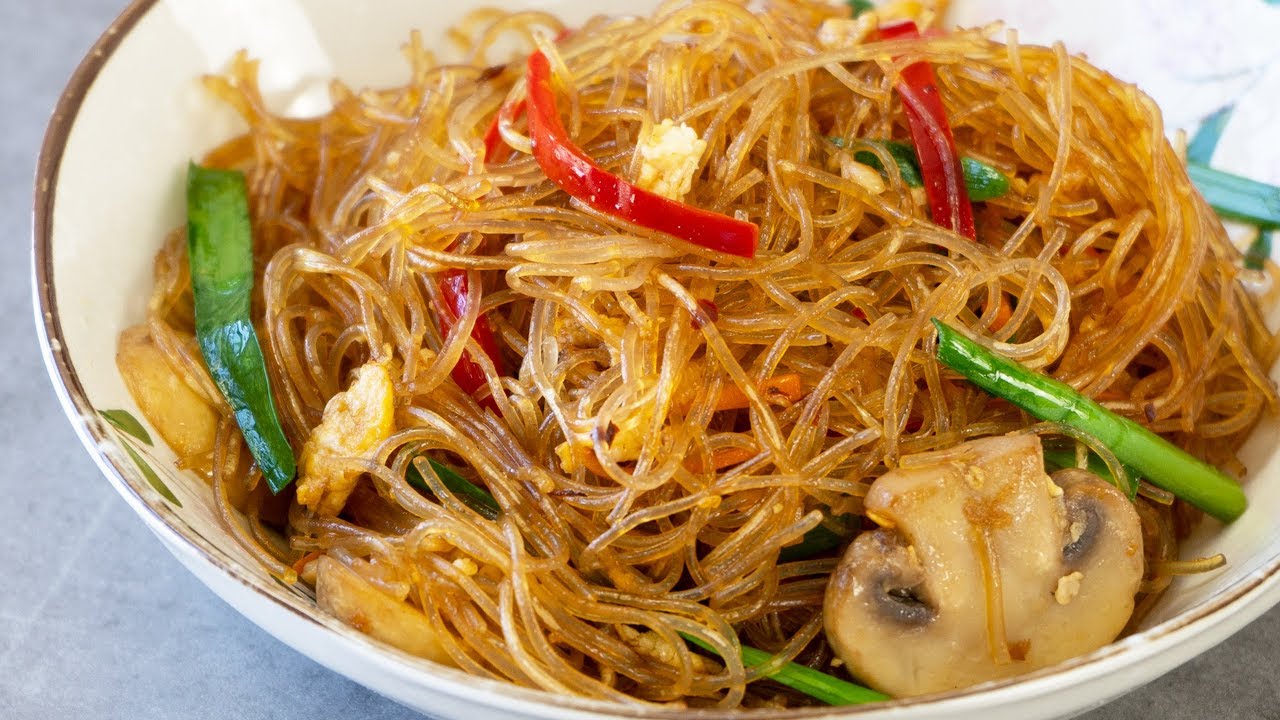
Glass Noodles Recipe: Glass noodles, also called cellophane noodles or bean thread noodles, are thin, transparent noodles made from starches such as mung bean, potato, or sweet potato. Unlike wheat-based noodles, they turn translucent once cooked, which gives them their unique “glass-like” appearance. You might have seen them in Asian dishes like stir-fries, spring rolls, and hotpots, where their ability to absorb flavors makes them a versatile ingredient.
These noodles don’t have a strong taste of their own, which is exactly why they work so well with sauces, vegetables, and proteins. Think of them as a blank canvas—whether you like spicy, savory, or tangy flavors, glass noodles adapt beautifully. They’re also naturally gluten-free, making them a perfect alternative for those with dietary restrictions.
When cooked correctly, glass noodles have a soft yet chewy texture that sets them apart from other types of noodles. They’re light on the stomach, making them ideal for both quick weeknight meals and festive Asian dishes.
Why Glass Noodles Are Popular Worldwide
Glass noodles aren’t just popular in Asia—they’ve gained global recognition because of their adaptability. From Thailand’s famous Pad Woon Sen to Korea’s beloved Japchae, these noodles find their place in countless culinary traditions. Their popularity also comes from their simplicity. With just a few ingredients and basic cooking skills, you can whip up a delicious bowl in under 20 minutes.
Another reason for their worldwide fame is their nutritional profile. Unlike heavy pasta, glass noodles are light, low in fat, and provide quick energy. Restaurants love serving them because they pair well with almost any protein, from shrimp to beef to tofu. Home cooks enjoy them for their convenience since they don’t require long boiling times.
Their universal appeal also lies in presentation. A steaming bowl of glossy glass noodles with colorful vegetables is visually stunning, which is why they’re a favorite in both casual and fine dining. Whether you’re making a comforting soup or a refreshing salad, glass noodles never disappoint.
Health Benefits of Glass Noodles
Glass noodles are more than just tasty—they come with surprising health benefits. Since they’re made from starches like mung bean or sweet potato, they are naturally gluten-free, making them safe for people with celiac disease or gluten sensitivity. They are also low in calories compared to wheat noodles, making them a good option if you’re watching your weight.
One of the best things about glass noodles is that they provide quick energy without making you feel overly full. They’re also fat-free and cholesterol-free, which makes them a heart-healthy choice. Paired with fresh vegetables and lean protein, they become a balanced meal full of essential nutrients.
Moreover, glass noodles are rich in complex carbohydrates, which means they release energy slowly and help keep you feeling satisfied longer. For anyone looking for a lighter noodle option that still packs flavor and versatility, glass noodles are an excellent pick.
Ingredients You’ll Need
Main Ingredients
To prepare a simple yet flavorful glass noodle recipe, you’ll need the following basic ingredients:
- Glass noodles (also known as cellophane noodles or bean thread noodles)
- Protein of your choice – chicken, beef, shrimp, tofu, or mushrooms
- Fresh vegetables – carrots, bell peppers, cabbage, spinach, or bean sprouts
- Garlic and onions – for the base flavor
- Cooking oil – sesame oil or vegetable oil works best
- Soy sauce – for that savory umami kick
- Oyster sauce or hoisin sauce – for depth of flavor
- Salt and pepper – for seasoning
These are the essentials. With just this base, you can prepare a delicious, well-balanced dish. The beauty of this recipe lies in its flexibility. You can keep it simple or dress it up with additional flavors.
Optional Add-Ons for Extra Flavor
If you want to elevate your glass noodles, consider adding these optional ingredients:
- Chili flakes or fresh chili – for a spicy kick
- Sesame seeds – for added crunch and nutty flavor
- Fish sauce – for authentic Southeast Asian taste
- Lime juice – for a tangy freshness
- Fresh herbs like cilantro, Thai basil, or green onions – to enhance aroma
- Eggs – scrambled and mixed in for extra protein
These add-ons can completely transform the dish. For example, adding lime and chili gives it a Thai twist, while sesame seeds and spinach make it taste more like Korean Japchae.
Substitutions for Dietary Preferences
The best part about glass noodles is that they are naturally adaptable to different dietary needs. Here are a few substitution ideas:
- Vegetarian or Vegan: Replace oyster sauce with mushroom sauce or extra soy sauce. Use tofu or tempeh instead of meat.
- Gluten-Free: Glass noodles themselves are gluten-free, but be sure to check your soy sauce or seasoning labels, as some may contain wheat. Use tamari or coconut aminos as an alternative.
- Low-Sodium: Opt for low-sodium soy sauce or skip salty seasonings altogether and add more fresh herbs for flavor.
- High-Protein: Add extra eggs, lean meat, or legumes like edamame to boost protein content.
This flexibility ensures that glass noodles can fit seamlessly into any diet, making them an ideal go-to meal for families with different preferences.
Preparing Glass Noodles
How to Soak Glass Noodles Properly
Glass noodles don’t need long boiling like pasta. Instead, they need to be soaked in hot water. To prepare them correctly:
- Place the noodles in a large bowl.
- Pour hot water over them, ensuring they are fully submerged.
- Let them soak for about 8–10 minutes until they turn soft and translucent.
- Drain the noodles and rinse them under cold water to stop cooking.
This method keeps the noodles chewy and prevents them from breaking during stir-frying. Avoid boiling them too long because they can become mushy and lose their texture.
Tips for Preventing Stickiness
One common problem with glass noodles is that they can stick together. To avoid this:
- Add a drizzle of sesame oil after draining to keep them separate.
- Toss them lightly with chopsticks or a fork.
- Don’t soak them for too long—otherwise, they become gummy.
- Cook them last and immediately mix them into your stir-fry to prevent clumping.
These small steps make a big difference in achieving that glossy, springy texture you want in glass noodles.
Common Mistakes to Avoid
Even though glass noodles are easy to prepare, many beginners make a few mistakes:
- Over-soaking: This makes noodles too soft and sticky.
- Skipping the rinse: Not rinsing with cold water causes noodles to continue cooking and turn mushy.
- Adding noodles too early: Always add them towards the end of stir-frying to maintain their texture.
- Using too much sauce: Glass noodles absorb liquid quickly, so use sauces sparingly at first and adjust as needed.
Avoiding these mistakes ensures that your noodles stay light, chewy, and full of flavor.
Step-by-Step Guide to Making Glass Noodles
Step 1 – Preparing the Vegetables
Start by washing and chopping your vegetables into thin strips or bite-sized pieces. Carrots, bell peppers, and cabbage are common choices because they add crunch and color. Spinach or bok choy adds a leafy green element, while mushrooms give an earthy depth.
Cutting vegetables thinly ensures they cook quickly and evenly, blending seamlessly with the noodles. If you want extra freshness, keep some raw herbs like cilantro or green onions for garnishing later.
Step 2 – Cooking the Protein
Protein is what makes glass noodles truly satisfying. Depending on your preference, you can choose chicken, beef, shrimp, pork, tofu, or even eggs. The trick is to cook your protein first before adding it to the noodles.
If you’re using chicken or beef, slice them into thin strips so they cook quickly. Heat a little oil in a wok or large pan, add garlic and onions for fragrance, then toss in the meat. Stir-fry on high heat for 3–5 minutes until it turns golden brown.
For shrimp or seafood, cook them just until pink and slightly curled—overcooking will make them rubbery.
If you prefer a vegetarian option, pan-fry tofu cubes until crispy on the outside and soft on the inside. Another option is to scramble eggs and mix them into the dish for extra protein.
Cooking protein separately ensures it’s fully done and keeps its natural juices intact. Once cooked, set it aside while you prepare the noodles and vegetables. Later, you’ll mix everything together for a flavorful harmony.
Step 3 – Stir-Frying the Glass Noodles
This is where the magic happens! Once your noodles are soaked and drained, add a little oil to the same wok or pan where you cooked the protein. Throw in your chopped vegetables and stir-fry for 2–3 minutes until they’re slightly tender but still crisp.
Next, add your glass noodles to the pan. Use chopsticks or tongs to gently toss them with the vegetables. Since glass noodles are slippery, they can clump together, so move them around continuously.
At this point, reintroduce your cooked protein. Everything should start coming together in a beautiful mix of textures and colors. Keep the heat on medium-high to maintain that wok-fried flavor.
Pro tip: Don’t over-stir. Gentle tossing is enough to coat the noodles while keeping them intact. Over-stirring may cause them to break apart.
Step 4 – Adding Sauces and Seasoning
Now it’s time to infuse flavor into your dish. A simple combination of soy sauce, oyster sauce, sesame oil, and a touch of pepper works wonders. Pour the sauce mixture over the noodles and toss everything together until evenly coated.
If you like a spicy kick, add chili paste, sriracha, or fresh chopped chili. For a Thai-inspired twist, squeeze some lime juice and add a splash of fish sauce. For a Korean-style flavor, add a little sugar, sesame seeds, and spinach.
Be careful not to drown the noodles in sauce. Remember, glass noodles soak up liquid quickly, so start small and adjust gradually. This prevents your dish from becoming too salty or soggy.
The key here is balance—salty, savory, slightly sweet, and maybe a hint of spice. Taste as you go, and you’ll end up with restaurant-quality noodles right at home.
Step 5 – Garnishing and Serving
Presentation matters, and with glass noodles, garnishing makes a big difference. Once your noodles are cooked and flavored, transfer them onto a serving plate or bowl. Sprinkle chopped green onions, cilantro, or Thai basil on top for freshness. Toasted sesame seeds or crushed peanuts add crunch and extra aroma.
If you’re serving for guests, you can add thinly sliced chili or lime wedges on the side for extra flair.
Glass noodles are best enjoyed hot, straight from the pan. But they’re also delicious cold, especially when turned into a noodle salad. That’s the beauty of this recipe—it’s versatile enough to serve for lunch, dinner, or even as a festive side dish.
At this stage, your glass noodles should be glossy, colorful, and absolutely mouth-watering. With the chewy noodles, crunchy vegetables, and flavorful sauce, every bite will be satisfying.
Different Variations of Glass Noodles
Glass Noodles with Vegetables Only
If you’re looking for a light, vegetarian-friendly dish, vegetable-only glass noodles are perfect. Load them with carrots, cabbage, spinach, bean sprouts, and mushrooms for a mix of textures and flavors.
The trick here is to use a variety of vegetables—some crunchy, some leafy, and some earthy. For extra taste, add ginger and garlic to your stir-fry base, along with soy sauce and sesame oil.
This variation is colorful, refreshing, and ideal for a healthy meal without feeling heavy. You can even serve it as a side dish alongside other Asian favorites like dumplings or spring rolls.
Glass Noodles with Chicken or Beef
Chicken and beef are the most common proteins paired with glass noodles. Thinly sliced chicken breast or beef strips stir-fry quickly and absorb flavors beautifully.
For chicken, marinate it in a little soy sauce, garlic, and sesame oil before cooking to lock in flavor. For beef, a quick marinade of soy sauce, sugar, and pepper enhances tenderness.
Pairing meat with glass noodles makes the dish hearty and filling. It’s a go-to option for family dinners or meal prep since it reheats well without losing flavor.
Glass Noodles with Seafood
Seafood lovers can’t go wrong with this version. Shrimp, squid, or scallops pair wonderfully with glass noodles. Their natural sweetness complements the savory sauces, creating a refreshing and flavorful dish.
For best results, cook seafood quickly over high heat. Once they turn opaque or lightly browned, remove them immediately to prevent overcooking. Later, mix them back into the noodles.
This version is particularly popular in Thai and Vietnamese cuisine, often enhanced with lime juice, chili, and fish sauce for a zesty flavor. It’s light yet incredibly satisfying.
Vegan and Gluten-Free Options
Good news—glass noodles are already vegan and gluten-free in most cases. To make a completely plant-based dish, use mushrooms, tofu, or tempeh as your protein base. Replace oyster sauce with mushroom sauce or hoisin sauce for a rich umami taste.
For gluten-free diets, swap soy sauce with tamari or coconut aminos. Pair with plenty of vegetables, herbs, and nuts for a wholesome, nourishing meal.
This version is not only healthy but also bursting with flavors, proving that vegan and gluten-free meals can be just as exciting as traditional versions.
Tips and Tricks for Perfect Glass Noodles
Balancing Flavors
One of the most important aspects of making delicious glass noodles is finding the right flavor balance. Glass noodles are naturally neutral in taste, so they heavily rely on sauces and seasonings to shine. If you add too much soy sauce, the dish may become salty; too little, and it may taste bland. The key is to layer flavors.
Start with a savory base—soy sauce, oyster sauce, or hoisin. Then, add a touch of sweetness from sugar or honey to balance the saltiness. Finally, introduce acidity like lime juice or rice vinegar to brighten the dish. For those who enjoy spice, a small amount of chili flakes or chili paste goes a long way.
Another trick is to taste continuously while cooking. Glass noodles absorb sauces quickly, so you may need to adjust seasoning as you stir-fry. If your dish feels too heavy, add fresh herbs like cilantro or Thai basil at the end for a refreshing contrast.
When you achieve the right balance—savory, sweet, tangy, and a little spicy—you’ll have a restaurant-quality glass noodle dish that keeps people coming back for more.
Adjusting Texture
Texture is just as important as flavor when it comes to glass noodles. Ideally, they should be soft yet slightly chewy—not mushy or sticky. The soaking step plays a big role here. Too little soaking and your noodles will be tough; too much soaking and they’ll lose their bite.
To achieve the perfect texture, soak them in hot water for 8–10 minutes, then rinse with cold water. This stops cooking and prevents clumping. When stir-frying, add the noodles at the very end to avoid overcooking.
If you prefer a softer texture, let them soak an extra minute before draining. For a chewier bite, reduce soaking time slightly. Adjusting water temperature also makes a difference—warmer water softens noodles faster, while cooler water gives you more control.
Pro tip: A drizzle of sesame oil or olive oil after draining keeps noodles separated and glossy. This ensures they don’t clump together while you prepare other ingredients.
Storing Leftovers the Right Way
Glass noodles taste best when freshly made, but they can also be stored for later. If you have leftovers, let them cool completely before transferring them into an airtight container. Store in the refrigerator for up to 2–3 days.
However, because glass noodles absorb liquid quickly, they may become slightly dry or sticky after refrigeration. To revive them, sprinkle a little water or broth before reheating in a pan. Stir-fry for 2–3 minutes until they regain their glossy texture.
Avoid reheating them in the microwave without moisture, as this can make them rubbery. Instead, always add a splash of sauce or water to keep them soft.
If you want to prepare glass noodles in advance, it’s best to soak and drain them, then store them separately from the stir-fry sauce and vegetables. When ready to serve, quickly stir-fry everything together for a fresh, flavorful dish.
FAQs about Glass Noodles Recipe
Can I Make Glass Noodles Ahead of Time?
Yes! You can soak and prepare glass noodles a few hours ahead, but it’s best to store them separately from sauces and vegetables to prevent sogginess. When ready to cook, simply toss them into your stir-fry for a quick meal.
Are Glass Noodles Healthier Than Rice Noodles?
Both glass noodles and rice noodles are gluten-free and relatively light. However, glass noodles are usually lower in calories and fat, making them a slightly healthier choice for weight management. The best option depends on your taste and dietary goals.
What Sauces Go Best with Glass Noodles?
Glass noodles pair beautifully with soy sauce, oyster sauce, sesame oil, hoisin sauce, and fish sauce. For a fusion twist, you can also try teriyaki or peanut sauce. A balance of savory, sweet, and tangy always works best.
How to Reheat Glass Noodles Without Losing Texture?
To reheat, add a splash of water or broth to the noodles before stir-frying for 2–3 minutes. This prevents them from drying out or turning rubbery. Avoid reheating in the microwave unless you add moisture first.
Can I Use Glass Noodles in Soups and Salads?
Absolutely! Glass noodles are fantastic in hot soups like Thai Tom Yum or chicken broth-based soups. They also work well in cold salads, paired with fresh herbs, lime juice, and peanuts for a refreshing summer dish.
Conclusion
Glass noodles are one of the most versatile, easy-to-cook, and flavorful ingredients you can have in your kitchen. Whether stir-fried with vegetables, paired with chicken or seafood, or served as a light salad, they never fail to impress. Their ability to absorb flavors while maintaining a unique chewy texture makes them a favorite in Asian cuisine and beyond.
The best part? They’re quick to prepare, naturally gluten-free, and easily customizable for any diet. By mastering simple techniques—like soaking properly, balancing flavors, and storing correctly—you can enjoy perfect glass noodles every single time.
So, whether you’re cooking a weeknight dinner or preparing a festive meal, glass noodles are the perfect choice. Try experimenting with different proteins, sauces, and garnishes until you find your signature style. One thing’s certain—you’ll never run out of delicious ways to enjoy them!