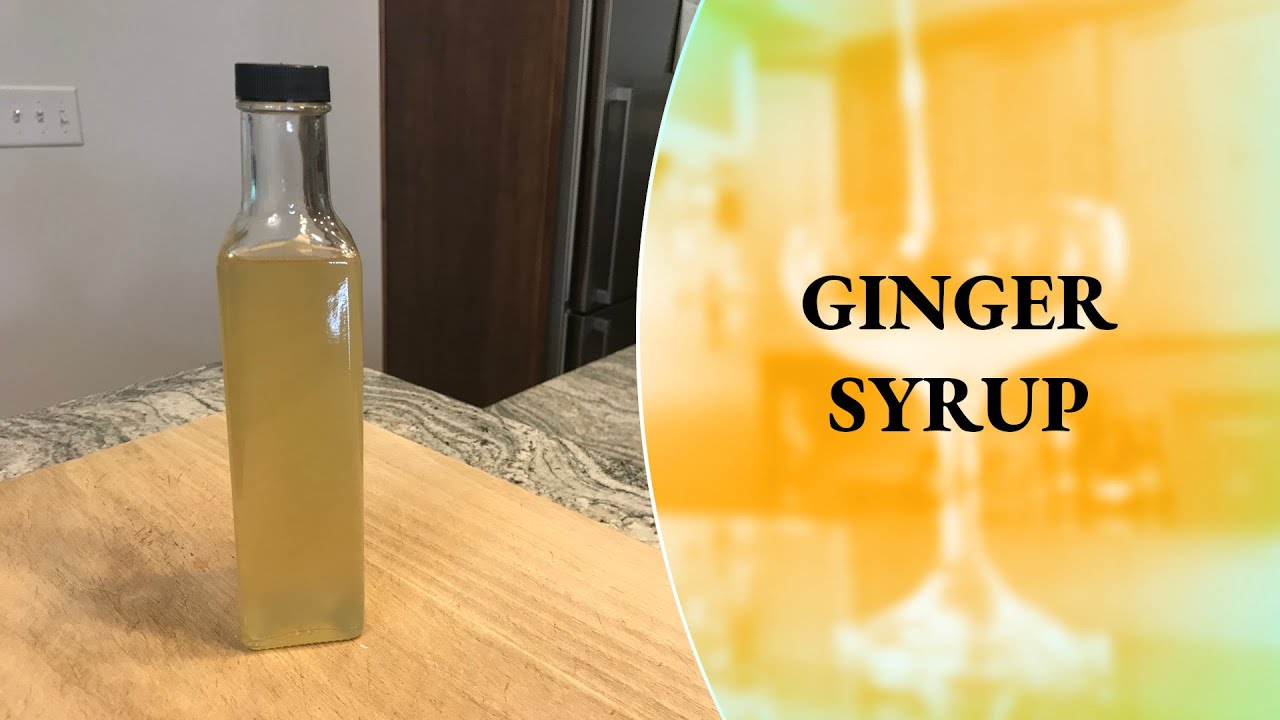
Ginger Syrup Recipe: Ginger syrup is a delicious and versatile homemade syrup that has gained popularity for both its flavor and health benefits. Whether you’re a fan of ginger tea, love experimenting with cocktails, or enjoy using natural remedies, ginger syrup can easily become a kitchen staple. It’s essentially a concentrated form of ginger flavor combined with sweetness, making it perfect for beverages, desserts, and even savory dishes.
Why Ginger Syrup is Popular
Ginger syrup has become trendy in recent years because it offers the sharp, warming taste of fresh ginger in a convenient liquid form. Unlike powdered ginger, the syrup captures the fresh, spicy notes of ginger root and preserves them in a way that’s easy to add to recipes. Many people prefer keeping it on hand instead of grating ginger every time they want to add flavor. From health enthusiasts to cocktail lovers, everyone has a reason to keep a bottle of ginger syrup at home.
Health Benefits of Ginger Syrup
One of the biggest reasons people love ginger syrup is because of ginger’s numerous health benefits. Ginger has long been used in traditional medicine for its anti-inflammatory and digestive properties. A spoonful of ginger syrup mixed in warm water or tea can help soothe sore throats, aid digestion, and even reduce nausea. It’s also packed with antioxidants that support overall immunity. However, since it’s sweetened, moderation is key—too much sugar can outweigh its benefits.
Uses of Ginger Syrup in Daily Life
Ginger syrup isn’t just for tea. You can drizzle it over pancakes, mix it into smoothies, stir it into sparkling water for a refreshing homemade ginger ale, or even use it as a glaze for meats and roasted vegetables. Bakers love adding it to cakes and cookies for a ginger kick, while bartenders use it to create cocktails like Moscow Mules and whiskey sours. It’s one of those ingredients that makes your kitchen more versatile and your recipes more exciting.
Ingredients You’ll Need
Before diving into the cooking process, let’s gather the essential ingredients. Making ginger syrup requires only a few simple items, but the quality of these ingredients makes a big difference in the final flavor.
Fresh Ginger Root
Fresh ginger is the star of this recipe. When selecting ginger, look for roots that are firm, plump, and free from wrinkles or mold. The fresher the ginger, the more intense the flavor of your syrup will be. Avoid old, shriveled pieces, as they tend to lose their potency. You’ll need about 1 to 2 cups of sliced ginger for a standard recipe, depending on how strong you want the syrup to be.
Sweeteners (Sugar, Honey, or Alternatives)
The sweetener is what turns ginger extract into syrup. White granulated sugar is the most common choice because it creates a clear, smooth syrup that mixes well in drinks. However, you can also use honey, brown sugar, coconut sugar, or even maple syrup for a different flavor profile. Each sweetener gives the syrup a unique twist: honey makes it floral, brown sugar adds caramel notes, and maple syrup deepens the richness. For a healthier option, you can experiment with natural sugar substitutes like stevia or monk fruit, though the consistency may vary.
Water and Optional Flavor Enhancers
Water is the base that extracts the ginger’s flavor and combines it with the sweetener. Beyond the basics, you can enhance your syrup by adding lemon zest, cinnamon sticks, star anise, or cloves during the boiling process. These add layers of complexity, making your syrup not just ginger-flavored but a full-bodied infusion of warm spices.
Tools and Equipment Required
Making ginger syrup doesn’t demand fancy equipment, but having the right tools ensures the process is smooth and hygienic.
Essential Kitchen Utensils
- A sharp knife or vegetable peeler to cut the ginger
- A saucepan for boiling the mixture
- A fine mesh strainer or cheesecloth for removing ginger pieces
- A wooden spoon for stirring
Storage Containers and Bottles
Once the syrup is ready, you’ll need airtight containers to store it. Glass bottles or jars with secure lids work best. Dark-colored bottles are especially helpful if you want to extend shelf life, as they protect the syrup from light exposure.
Tips for Maintaining Hygiene
Always wash your ginger thoroughly and sterilize storage containers before use. Since ginger syrup contains sugar, it can attract bacteria and mold if stored improperly. Proper hygiene ensures your syrup stays fresh and safe for weeks.
Step-by-Step Guide to Making Ginger Syrup
Now that we’ve covered the essentials, let’s move into the actual preparation. Making ginger syrup is straightforward, but each step is important to achieving the perfect flavor and texture.
Step 1 – Preparing the Ginger
Start by washing and peeling your ginger root. You can use a spoon to scrape off the skin or a vegetable peeler if that’s easier. Slice the ginger into thin rounds or small chunks. The thinner the slices, the more surface area is exposed, which means a stronger flavor extraction.
Step 2 – Boiling and Extracting Flavor
Place the ginger slices into a saucepan with water. For every cup of ginger, use about 2 cups of water. Bring the mixture to a boil, then reduce the heat and let it simmer for 30–40 minutes. This slow simmering allows the ginger’s oils and compounds to infuse into the water, creating a strong base for your syrup.
Step 3 – Adding Sweetener
Once the ginger has infused the water, add your chosen sweetener. Stir until it fully dissolves, then continue simmering for another 10–15 minutes. Taste the syrup at this stage to adjust sweetness or add more ginger if desired.
Step 4 – Straining and Cooling the Syrup
Remove the saucepan from heat and carefully strain the mixture through a fine mesh sieve or cheesecloth. This removes ginger pieces and leaves you with a smooth, golden liquid. Allow it to cool before transferring it into bottles or jars.
Step 5 – Storing for Freshness
Store the cooled syrup in sterilized airtight containers. Refrigerated, it will last up to 3–4 weeks. If you want to extend the shelf life, consider adding a splash of lemon juice or a small amount of vodka, which acts as a natural preservative.
Variations of Ginger Syrup
While the classic recipe is delicious, experimenting with variations allows you to customize the syrup to your taste preferences.
Lemon Ginger Syrup
Adding lemon zest or juice creates a refreshing and zesty version of ginger syrup. This is perfect for tea, lemonade, or cocktails like ginger-lemon mojitos. The combination of ginger’s warmth with lemon’s brightness creates a balanced flavor that’s both soothing and refreshing.
Spiced Ginger Syrup (with Cinnamon & Cloves)
If you want something richer and more aromatic, try simmering the ginger with cinnamon sticks, cloves, or star anise. This version works beautifully in winter drinks, pumpkin spice lattes, or holiday cocktails.
Sugar-Free or Honey-Based Ginger Syrup
For a healthier twist, swap sugar for honey or a natural sweetener. Honey-based ginger syrup is not only healthier but also soothing for sore throats and colds. If you prefer a sugar-free option, use stevia or monk fruit sweetener, though the consistency may be slightly thinner.
How to Use Ginger Syrup
Ginger syrup is incredibly versatile and can be used in countless ways. Once you’ve made a batch, you’ll discover it quickly becomes a kitchen staple. Let’s break down some of the most popular and creative uses.
In Beverages (Tea, Cocktails, Smoothies)
One of the easiest ways to enjoy ginger syrup is by mixing it into drinks. Add a spoonful to hot tea for a soothing, spicy-sweet boost. It pairs especially well with green tea, black tea, and herbal blends like chamomile or peppermint. For a refreshing twist, stir it into iced tea or lemonade.
If you love cocktails, ginger syrup can take your mixology game to the next level. It’s a must-have for classics like the Moscow Mule, Dark ‘n’ Stormy, or a whiskey sour with a gingery kick. Bartenders often prefer ginger syrup over ginger beer because it offers more control over sweetness and intensity. For non-alcoholic options, simply add it to sparkling water and lime juice to make a quick homemade ginger ale. Smoothie lovers can also blend it with fruits like mango, pineapple, or berries for a tropical, immune-boosting drink.
In Cooking and Baking
Ginger syrup isn’t just for drinks—it shines in the kitchen, too. Drizzle it over pancakes, waffles, or French toast instead of maple syrup for a spicy-sweet breakfast treat. It can also be brushed over cakes or cupcakes to keep them moist and add extra flavor. Bakers often use it in gingerbread cookies or spiced cakes as a natural sweetener that enhances the warm spices.
In savory dishes, ginger syrup works as a glaze for roasted meats, especially chicken and pork. It caramelizes beautifully when baked or grilled, giving your dish a sweet and spicy crust. You can also add it to stir-fry sauces, marinades, or salad dressings for a unique flavor boost.
As a Natural Remedy
Because ginger is known for its medicinal properties, ginger syrup doubles as a natural home remedy. Many people take a spoonful when they feel nausea, bloating, or an upset stomach. Mixed with hot water and lemon, it makes an excellent remedy for sore throats, coughs, and colds. Athletes sometimes use it in post-workout drinks for its anti-inflammatory benefits. While it’s not a cure-all, ginger syrup can be a comforting and tasty way to support overall wellness.
Storage and Shelf Life
Homemade ginger syrup is fresh and flavorful, but it doesn’t last forever. Proper storage is key to extending its shelf life and keeping it safe to consume.
Refrigeration Tips
After preparing your syrup, always let it cool completely before storing. Transfer it into sterilized glass bottles or jars with airtight lids. Kept in the refrigerator, ginger syrup generally lasts for 3–4 weeks. To ensure freshness, always use a clean spoon when scooping it out—this prevents contamination that could lead to spoilage.
Freezing Ginger Syrup
If you want to keep ginger syrup for a longer time, freezing is a great option. Pour the syrup into ice cube trays and freeze in small portions. Once frozen, transfer the cubes to a freezer bag. This way, you can pop out a cube whenever you need one. Frozen ginger syrup can last for up to 6 months without losing much of its flavor.
How to Identify Spoilage
It’s important to recognize when your ginger syrup has gone bad. Signs include a cloudy appearance, mold growth, a sour smell, or changes in taste. If you notice any of these, it’s best to discard the syrup. To reduce the risk of spoilage, consider adding a teaspoon of lemon juice or a splash of vodka to act as a natural preservative.
Nutritional Value of Ginger Syrup
While ginger syrup is delicious, it’s worth knowing what you’re putting into your body.
Caloric Content
The calorie count of ginger syrup largely depends on the type of sweetener you use. Traditional recipes with sugar contain about 50–60 calories per tablespoon. Honey-based syrups may be slightly higher due to natural sugars, while sugar-free versions with stevia or monk fruit are much lower in calories.
Vitamins and Minerals
Ginger itself contains vitamins like B6 and C, along with minerals such as magnesium and potassium. While boiling extracts some of these nutrients, the syrup won’t provide large amounts of vitamins. Instead, the primary benefit lies in ginger’s active compounds, like gingerol, which has anti-inflammatory and antioxidant properties.
Health Benefits vs. Sugar Concerns
Although ginger has many health benefits, the sugar in syrup means you should consume it in moderation. Too much sugar can contribute to weight gain, high blood sugar levels, and other health concerns. For a healthier option, consider making honey-based or sugar-free versions, which still provide ginger’s medicinal benefits without as much added sugar.
Common Mistakes to Avoid
Making ginger syrup may sound simple, but a few common mistakes can ruin the taste or shorten its shelf life.
Using Too Much or Too Little Ginger
Finding the right ginger-to-water ratio is key. Too much ginger can make the syrup overly spicy and bitter, while too little results in a weak flavor. A good balance is about 1 cup of sliced ginger for every 2 cups of water.
Overcooking or Undercooking the Syrup
Simmering too long can make the syrup thick and caramelized, which might overpower drinks. On the other hand, undercooking prevents the ginger from releasing enough flavor. The sweet spot is simmering for 30–40 minutes, then adding sweetener and cooking for an additional 10–15 minutes.
Improper Storage
If you don’t sterilize bottles or keep the syrup refrigerated, it can spoil quickly. Always store it in airtight glass containers and avoid using plastic, which may absorb odors and affect flavor.
Tips for Making Perfect Ginger Syrup
To make your ginger syrup even better, here are some pro tips:
Balancing Flavor
If your syrup is too sweet, balance it with lemon juice. If it’s too spicy, dilute it with a little more water. Taste throughout the process so you can adjust as needed.
Extending Shelf Life Naturally
Adding natural preservatives like lemon juice or a splash of vodka helps the syrup stay fresh longer. Storing in dark glass bottles also protects it from light, which can degrade the flavor.
Creative Add-Ins
Don’t limit yourself to plain ginger. Add herbs like mint or basil for a fresh twist, or experiment with vanilla, cardamom, or turmeric for unique variations. Each addition gives the syrup a new character, making it suitable for different recipes.
FAQs about Ginger Syrup Recipe
Can You Make Ginger Syrup Without Sugar?
Yes! You can replace sugar with honey, maple syrup, or natural sweeteners like stevia. Keep in mind that sugar-free versions may not be as thick as traditional syrup.
How Long Does Homemade Ginger Syrup Last?
Stored properly in the refrigerator, it lasts 3–4 weeks. Freezing extends the shelf life to about 6 months.
Can You Use Powdered Ginger Instead of Fresh?
Fresh ginger is best, but powdered ginger can be used in emergencies. However, the flavor will be different—more muted and slightly bitter compared to fresh ginger.
What’s the Best Way to Use Ginger Syrup in Cocktails?
Start by replacing simple syrup with ginger syrup in recipes. It pairs beautifully with rum, whiskey, and vodka-based cocktails.
Can Kids Drink Ginger Syrup?
Yes, in small amounts. Kids can enjoy it mixed into lemonade or warm water. Just be mindful of the sugar content.
Conclusion
Ginger syrup is more than just a sweetener—it’s a versatile ingredient that adds flavor, health benefits, and creativity to your kitchen. From soothing teas to refreshing cocktails, from pancakes to marinades, this simple homemade syrup can do it all. With just ginger, water, and a sweetener of your choice, you can prepare a batch in under an hour and enjoy it for weeks. Whether you’re looking to boost your health, elevate your recipes, or simply enjoy a comforting drink, ginger syrup is a must-try recipe that belongs in every home kitchen.