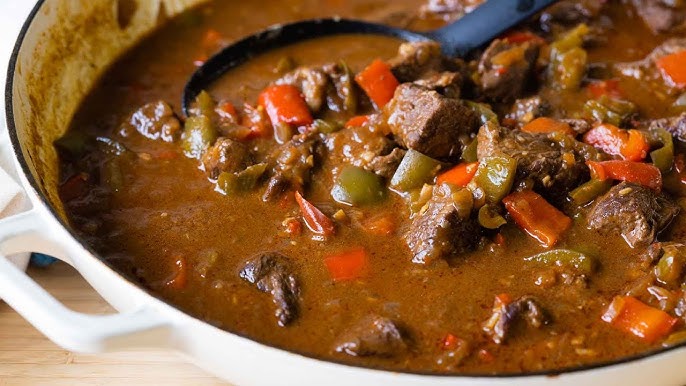
German Goulash Recipe: German goulash is a rich, slow-cooked beef stew known for its deep onion flavor, tender meat, and beautiful paprika-based sauce. It is hearty, comforting, and perfect for family dinners, cold evenings, or special weekend meals when we want something filling and satisfying. While goulash has roots in Central Europe, the German-style version is especially loved for its thick gravy, balanced seasoning, and simple cooking method that transforms basic ingredients into a deeply flavorful dish.
This recipe focuses on a traditional German goulash that is easy to prepare and rewarding to serve. With the right ingredients and a steady cooking process, we can create a meal that tastes even better than many restaurant versions. The key is patience, because the slow simmer allows the beef to become tender and the sauce to develop a full, savory taste.
Ingredients You’ll Need for German Goulash
To prepare a flavorful pot of German goulash, we need fresh, high-quality ingredients that build a strong base for the stew. Each ingredient plays an important role in creating the final texture and taste.
Main Ingredients
- 1 kg beef chuck or stewing beef, cut into medium cubes
- 4 large onions, finely sliced
- 3 tablespoons vegetable oil or butter
- 3 garlic cloves, minced
- 2 tablespoons sweet paprika
- 1 teaspoon smoked paprika
- 2 tablespoons tomato paste
- 2 cups beef stock
- 1 cup water
- 2 tablespoons flour
- 1 teaspoon caraway seeds
- 1 teaspoon dried marjoram
- 2 bay leaves
- 1 teaspoon black pepper
- 1½ teaspoons salt, or to taste
- 1 red bell pepper, chopped
- 2 medium tomatoes, chopped or 1 cup canned chopped tomatoes
- 1 teaspoon sugar
- 1 tablespoon Worcestershire sauce
- 1 tablespoon lemon juice
Optional Ingredients for Extra Depth
- 1 cup mushrooms, sliced
- 2 carrots, chopped
- 1 tablespoon red wine vinegar
- Fresh parsley, chopped for garnish
- Sour cream, for serving
These ingredients come together to produce a thick, glossy, flavorful goulash sauce that coats the beef perfectly.
Best Meat for German Goulash
Choosing the right cut of beef is essential. The best options are beef chuck, braising steak, or any cut with enough connective tissue to become soft during long cooking. Lean cuts do not produce the same rich result. We want a cut that becomes fork-tender after simmering.
The beef should be cut into medium pieces. If the cubes are too small, the meat may break apart too quickly. If they are too large, they may take longer to cook evenly. A medium size gives the best balance of texture and presentation.
Why Onions Matter in German Goulash
One of the most important features of authentic German goulash is the generous use of onions. In many traditional recipes, the onions are nearly equal in volume to the meat. This is not excessive. It is what gives the stew its signature body and natural thickness.
As the onions cook down slowly, they melt into the sauce and create a smooth texture without needing too much thickener. This method also gives the dish its characteristic sweetness and depth. We should never rush this step, because well-cooked onions form the foundation of the entire recipe.
Step-by-Step Guide to Making German Goulash
Step 1: Prepare the Ingredients Properly
Before cooking, gather and prepare everything. Slice the onions, mince the garlic, chop the peppers and tomatoes, and cut the beef into even cubes. This makes the cooking process smoother and helps everything cook at the right pace.
Pat the beef dry with paper towels before browning. Dry meat sears better and develops a stronger flavor. If the meat is wet, it will steam instead of brown.
Step 2: Brown the Beef
Heat the oil or butter in a large heavy-bottomed pot or Dutch oven over medium-high heat. Add the beef in batches and brown it on all sides. Avoid overcrowding the pot. Each piece should have enough space to sear properly.
This step builds flavor. The browned bits at the bottom of the pot add depth to the sauce later. Once the beef is browned, remove it and set it aside.
Step 3: Cook the Onions Slowly
In the same pot, add the sliced onions. Reduce the heat to medium and cook them slowly until they become soft, golden, and slightly caramelized. This can take about 15 to 20 minutes.
Add the garlic and stir for another minute. The onions should not burn. They should soften and deepen in color, because this is what gives German goulash its rich base.
Step 4: Add Paprika and Tomato Paste
Stir in the sweet paprika, smoked paprika, and tomato paste. Mix quickly so the spices coat the onions well. Cook for about 30 seconds to 1 minute.
Paprika should be heated gently, not burned. Burnt paprika can taste bitter, so we want just enough heat to release its aroma and color.
Step 5: Return the Beef to the Pot
Add the browned beef back into the pot. Stir well so the meat is coated in the onion and paprika mixture. Add the chopped red bell pepper, chopped tomatoes, caraway seeds, marjoram, black pepper, bay leaves, sugar, Worcestershire sauce, and salt.
At this stage, the mixture should already smell rich and savory.
Step 6: Add Stock and Simmer
Pour in the beef stock and water. Stir well, making sure to scrape up any browned bits from the bottom of the pot. Bring everything to a gentle boil, then reduce the heat to low.
Cover the pot and let the goulash simmer slowly for 1½ to 2 hours, stirring occasionally. During this time, the meat becomes tender and the sauce thickens naturally from the onions.
If the sauce reduces too much during cooking, add a little more stock or water. The goal is a thick stew, not a dry pot.
Step 7: Thicken the Sauce if Needed
If the sauce needs more body at the end, mix the flour with a few tablespoons of cold water until smooth. Stir it into the goulash and let it cook for another 10 minutes.
This creates a silkier finish without making the stew taste heavy. Because the onions already provide natural thickness, only a small amount of flour is usually needed.
Step 8: Balance the Final Flavor
Add the lemon juice near the end of cooking. Taste the goulash and adjust the salt and pepper if needed. The lemon juice brightens the sauce and balances the richness of the beef and onions.
For even more depth, a small splash of red wine vinegar can be added. The final flavor should be savory, slightly sweet, gently smoky, and deeply comforting.
How to Know When German Goulash Is Ready
A proper German goulash is ready when the beef is very tender, the onions have melted into the sauce, and the stew has a thick, glossy consistency. The meat should be easy to cut with a spoon, and the sauce should cling to each piece without being watery.
The longer and gentler the simmer, the better the result. This is one of those dishes that rewards patience.
What to Serve with German Goulash
German goulash is extremely versatile and pairs well with several traditional side dishes. The best accompaniments are those that absorb the rich sauce.
Best Side Dishes
- Boiled potatoes
- Mashed potatoes
- Egg noodles
- Spätzle
- German bread dumplings
- Rice
- Crusty bread
Boiled potatoes are one of the most traditional choices because they soak up the sauce beautifully without competing with the flavor of the stew. Spätzle is another excellent option for a more authentic Central European meal.
Tips for the Best German Goulash Recipe
To get the best result every time, a few cooking details make a real difference.
Use plenty of onions
This is one of the defining elements of the dish. They create the body and flavor of the sauce.
Do not rush the browning
Properly browned beef adds richness and depth that cannot be achieved later.
Simmer gently, not aggressively
A slow simmer keeps the meat tender and prevents the sauce from becoming harsh or uneven.
Use sweet paprika as the main spice
This gives the goulash its classic warm flavor and red color.
Let it rest before serving
German goulash often tastes even better after sitting for 15 to 20 minutes. The flavors settle and deepen.
Can We Make German Goulash Ahead of Time?
Yes, and it is often even better the next day. As it rests, the flavors continue to develop, and the sauce becomes richer. This makes German goulash an excellent meal for batch cooking, family gatherings, or meal prep.
Store it in an airtight container in the refrigerator for up to 3 days. Reheat gently on the stove over low heat, adding a splash of stock or water if the sauce becomes too thick.
It also freezes well. Once cooled, portion it into freezer-safe containers and freeze for up to 3 months.
Common Mistakes to Avoid
A few simple mistakes can affect the final texture and flavor of the dish.
Using the wrong beef cut
Tender steak cuts are not ideal. Slow-cooking cuts work best.
Burning the paprika
Paprika should be warmed gently. Burnt paprika adds bitterness.
Skipping the onion cooking stage
The onions need time to soften and develop sweetness.
Cooking too fast
High heat does not improve this dish. Low heat builds better flavor.
Adding too much flour
The sauce should be thick but still natural. Too much flour can make it heavy.
Traditional German Goulash Variations
German goulash can be adapted in several ways depending on region and preference. Some versions include mushrooms for extra earthiness. Others use more peppers for a sweeter finish. Some cooks add a little red wine, while others keep the recipe simple and rustic.
For a richer version, sour cream can be stirred in just before serving. This makes the sauce creamier and softer in flavor. Fresh parsley on top adds color and freshness.
Why This German Goulash Recipe Works
This recipe works because it combines the most important elements of a successful goulash: well-browned beef, slow-cooked onions, balanced paprika flavor, and gentle simmering. The result is a stew that feels traditional, satisfying, and full of real homemade character.
Every spoonful delivers tender beef and a deeply seasoned sauce that makes the meal unforgettable. It is simple enough for a home kitchen but rich enough to feel special.
FAQs about German Goulash Recipe
1. What is German goulash?
German goulash is a rich, hearty stew made with beef, onions, paprika, and broth. It is slow-cooked until the meat becomes tender and the sauce turns thick and flavorful.
2. Is German goulash the same as Hungarian goulash?
Not exactly. German goulash is usually thicker and more stew-like, while Hungarian goulash is often more soup-like and may include more vegetables.
3. What cut of meat is best for German goulash?
We should use beef chuck, stewing beef, or shoulder, because these cuts become tender and flavorful after slow cooking.
4. Why are onions important in German goulash?
Onions add sweetness, depth, and body to the sauce. Many traditional recipes use nearly as many onions as meat.
5. What spices are commonly used?
The main seasoning is paprika, often combined with caraway, garlic, black pepper, and bay leaves for extra flavor.
6. How long should German goulash cook?
It usually needs 1.5 to 2.5 hours of gentle simmering so the beef becomes soft and the flavors fully develop.
7. Can we make German goulash in advance?
Yes, it often tastes even better the next day because the flavors deepen after resting overnight in the refrigerator.
8. What can we serve with German goulash?
It pairs well with potatoes, bread, noodles, rice, dumplings, or spaetzle.
9. Can we freeze German goulash?
Yes, we can freeze it in an airtight container for up to 2 to 3 months. Reheat it gently before serving.
10. How do we thicken the sauce if needed?
We can let it simmer uncovered longer, or stir in a small flour or cornstarch slurry if a thicker sauce is desired.
Final Thoughts
German goulash is one of the most rewarding comfort food recipes we can make from scratch. It uses straightforward ingredients, but the final dish tastes luxurious, warming, and complete. The beef becomes tender, the onion-paprika sauce turns velvety, and the entire pot fills the kitchen with an inviting aroma that promises a satisfying meal.
When we want a hearty beef stew with bold flavor, this German goulash recipe delivers every time. Served with potatoes, noodles, or bread, it becomes a complete dish that is both traditional and deeply comforting. With careful browning, slow simmering, and the right seasoning, we create a meal that stands out for its flavor, texture, and timeless appeal.