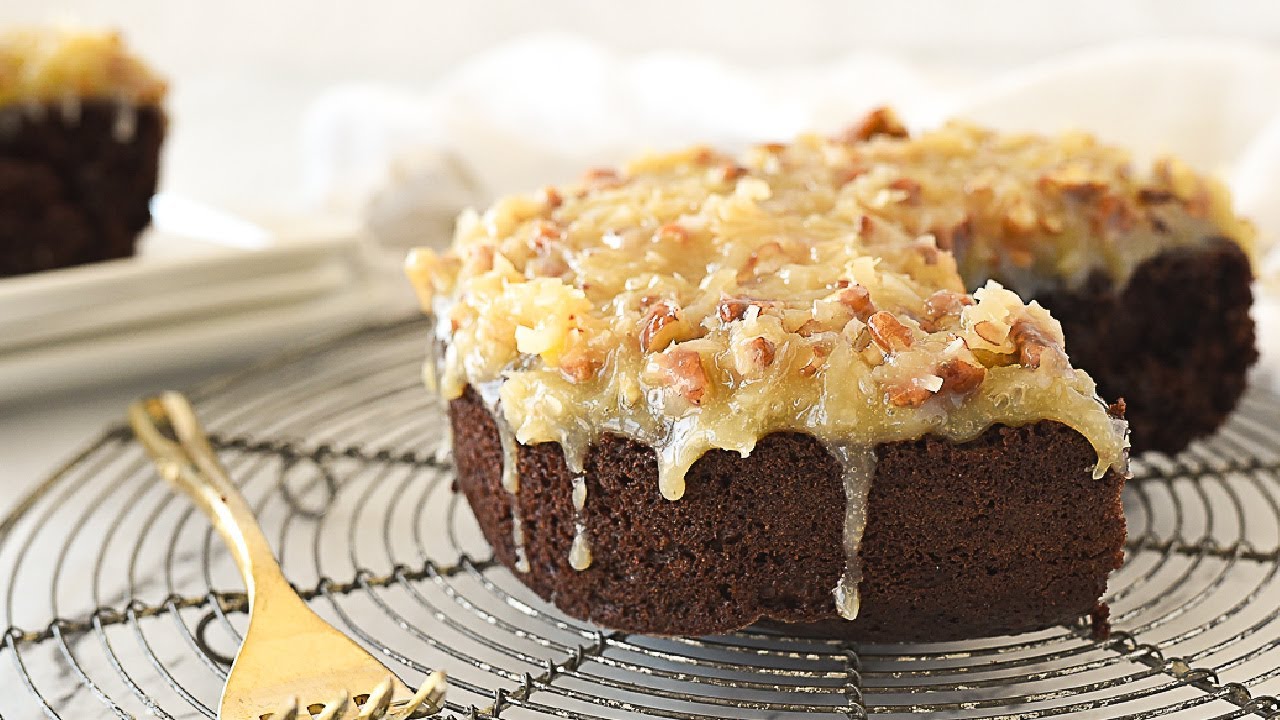
German Chocolate Cake Frosting Recipe: If you’re a fan of decadent desserts with a rich, nutty, and slightly caramelized twist, you’re in for a treat. German Chocolate Cake Frosting is not your typical buttercream or whipped icing.
It’s a luscious, gooey topping loaded with coconut, pecans, and a deep buttery flavor that perfectly complements chocolate cake. Whether you’re recreating grandma’s favorite or baking for a special occasion, this frosting takes your cake from basic to bakery-worthy.
In this guide, we’ll walk you through the ingredients, tools, and every single step in detail to help you achieve the perfect consistency and flavor.
Why German Chocolate Frosting Is Unique
German Chocolate Cake frosting isn’t just a topping—it’s the heart of the entire cake experience. This frosting is unlike any traditional buttercream or fondant. It’s cooked on the stove, rich in flavor, and packed with texture thanks to shredded coconut and chopped pecans. What makes it stand out even more is its base—made from egg yolks, butter, and evaporated milk—which gives it a custard-like depth and creamy consistency.
Historically, this frosting dates back to the mid-1900s when “German’s Sweet Chocolate” (named after Samuel German, not the country) was first used in the cake recipe that became a classic American dessert. Since then, it has been a symbol of indulgence and homemade goodness. The flavor profile balances sweetness, nuttiness, and creaminess in a way few frostings can. And because it’s cooked, it brings out a caramel-like finish that feels rich and satisfying without being overly sweet.
Traditional vs Modern Variations
Traditionally, the frosting includes butter, sugar, egg yolks, evaporated milk, coconut, and pecans. However, as dietary needs evolve and cooking methods advance, many modern recipes swap or modify some ingredients. For example, you’ll find vegan versions using plant-based milk and coconut oil or quicker versions skipping the egg yolks entirely (though they often lack that signature custard texture).
Some people love to experiment by adding:
- A pinch of sea salt for contrast
- Vanilla extract for enhanced flavor
- A splash of bourbon for depth
Whether you’re a purist or someone who enjoys a twist on tradition, the beauty of this frosting is that it can be tailored to your taste while staying true to its roots.
Ingredients You’ll Need
Essential Ingredients
To get that authentic, irresistible flavor and texture, here are the must-have ingredients for a classic German Chocolate Cake frosting:
- Butter (1/2 cup or 1 stick) – Unsalted is best to control saltiness.
- Granulated Sugar (1 cup) – You can also use brown sugar for a deeper molasses flavor.
- Egg Yolks (3 large) – They create the rich, custardy base.
- Evaporated Milk (1 cup) – Don’t substitute with regular milk; this adds creaminess without thinning the mix.
- Vanilla Extract (1 teaspoon) – Enhances the flavor of the whole mixture.
- Sweetened Shredded Coconut (1 1/3 cups) – The star ingredient for that chewy texture.
- Chopped Pecans (1 cup) – Adds crunch and nutty depth.
These ingredients combine to create the luscious, thick, and textured frosting that everyone loves.
Optional Add-Ins for Flavor and Texture
If you’re looking to put a unique spin on the traditional frosting or simply enhance its flavor, try these optional ingredients:
- Sea salt (a pinch) – Balances out the sweetness.
- Bourbon or dark rum (1 tbsp) – Adds an adult-friendly richness.
- Brown sugar (in place of white) – For a more caramelized flavor.
- Toasted pecans – Enhance nutty flavor and crunch.
Experimenting with these can lead to a personalized version of this classic treat.
Ingredient Substitutes for Dietary Needs
Need a dairy-free or vegan option? Here are some smart swaps that still deliver on taste:
- Butter Substitute: Use vegan butter or coconut oil.
- Evaporated Milk: Use full-fat coconut milk or a barista-style oat milk.
- Egg Yolks: Replace with cornstarch slurry (1 tbsp cornstarch + 2 tbsp water per yolk) or an egg replacer.
- Sweetened Coconut: Unsweetened shredded coconut with a dash of maple syrup.
These alternatives ensure everyone can enjoy this decadent frosting without compromising on flavor or texture.
Kitchen Tools Required
Must-Have Tools
Before you start, gather these essential tools to make the process smooth and mess-free:
- Medium Saucepan – Non-stick or stainless steel works best.
- Whisk – For smooth blending of ingredients.
- Wooden Spoon or Silicone Spatula – Ideal for stirring while cooking.
- Measuring Cups and Spoons – Precision matters in baking.
- Mixing Bowls – One for beating eggs, another for staging ingredients.
- Cooling Rack – For letting the frosting settle before spreading.
Having these on hand ensures a seamless experience from stove to cake.
Optional Tools for Easier Preparation
While not necessary, these tools can make things even easier:
- Candy Thermometer – To check if your mixture reaches 170°F (optimal consistency).
- Food Processor – For finely chopping pecans.
- Electric Mixer – Useful if you want to beat eggs before adding.
These aren’t deal-breakers, but they can elevate your frosting game to professional levels.
Step-by-Step Guide to Making German Chocolate Cake Frosting
Step 1: Gathering All Ingredients and Tools
Before you even turn on the stove, take five minutes to set everything up. It may sound basic, but this step prevents overcooking or scrambling eggs due to delays. Measure all ingredients and place them in bowls or measuring cups. Crack and separate your eggs in advance. Make sure your butter is at room temperature—it’ll melt evenly and mix better.
Setting up your “mise en place” (as chefs say) is your insurance policy for a smooth cooking process. It helps you stay focused and ensures each ingredient is added at the right moment.
Step 2: Preparing the Saucepan and Heating
Once everything is laid out and ready to go, place your medium saucepan over medium heat. Add the butter first and let it melt completely. You want the pan to be hot enough to melt and simmer but not scorch—keep the heat controlled.
After the butter melts, pour in the evaporated milk slowly and stir. This combination starts the creamy base of your frosting. It’s important to keep stirring to avoid any sticking or separation. The gentle bubbling at this stage helps dissolve the sugar and begin cooking the yolks evenly when added.
Be sure to use a non-stick or heavy-bottomed saucepan to distribute heat evenly. If your pan heats too quickly or unevenly, it could burn the mixture, giving your frosting a bitter, off taste.
Step 3: Combining Wet Ingredients
Now, it’s time to bring in the egg yolks and sugar. In a separate bowl, whisk together the egg yolks and granulated sugar until the mixture turns pale yellow and slightly thick. This helps to avoid any clumping when added to heat and improves the final texture of the frosting.
Once fully mixed, slowly pour the egg-sugar mixture into the saucepan with your milk and butter. Whisk constantly while pouring—this is crucial. If you dump it all in and don’t whisk, you’ll end up with scrambled eggs instead of a smooth custard.
Once incorporated, keep stirring gently over medium heat. You’ll notice the mixture starts to thicken slightly after a few minutes. At this stage, don’t walk away from the stove. The custard-like base is sensitive to overcooking, and a few seconds can mean the difference between silky-smooth frosting and gritty disaster.
Step 4: Adding Sugar and Egg Yolks
This is where the magic begins. The sugar will dissolve completely into the egg mixture and milk base, creating a rich, smooth texture that’s both sweet and luxurious. If you’re using brown sugar instead of white, you’ll start to see a deeper golden color emerge, which adds a beautiful caramel note to your frosting.
Continue stirring until the entire mixture begins to thicken into a glossy, custard-like consistency. You can check for doneness by dragging a spoon across the surface of the mixture—if it leaves a line behind and doesn’t rush to fill it, you’re good to go.
The mixture should be thick but pourable, almost like a pudding. This typically takes about 10–12 minutes of continuous stirring. If you’re unsure, a candy thermometer should read around 170°F for the perfect thickness without curdling.
Step 5: Cooking to the Right Consistency
This is the moment of truth. After the mixture thickens up and reaches the right temperature, take the saucepan off the heat immediately. Cooking beyond this point could cause the eggs to overcook, leaving you with grainy frosting. Once off the heat, add in your vanilla extract and stir well to combine. The warmth will help the vanilla infuse its sweet aroma into the mixture.
At this stage, it’s still warm, glossy, and incredibly fragrant. But it’s not ready just yet—it needs the finishing touches to become the signature German Chocolate Cake Frosting.
Step 6: Stirring in Coconut and Pecans
With the base off the heat, fold in the sweetened shredded coconut and chopped pecans. These ingredients bring in the trademark texture—chewy coconut bits and crunchy pecans that add not just flavor but visual appeal too.
Use a wooden spoon or silicone spatula to mix thoroughly, ensuring every scoop has an even distribution. The residual heat will soften the coconut slightly and help the pecans release their natural oils, enhancing the overall flavor.
If you prefer toasted pecans, you can pre-toast them in a dry skillet for about 3–5 minutes before adding them. This adds a deeper, nutty complexity that takes your frosting from good to gourmet.
After stirring, the frosting will look thick, textured, and golden brown—exactly how it should be.
Step 7: Cooling and Spreading the Frosting
Before you apply the frosting to your cake, it needs to cool slightly. Let it sit at room temperature for at least 30 minutes. As it cools, it will continue to thicken, making it easier to spread and helping it hold its shape between cake layers.
If you’re in a hurry, you can place the pan in a shallow bowl of ice water to speed up the process—just be sure to stir occasionally to prevent a skin from forming.
Once cooled, spread it generously over your chocolate cake layers. Unlike other frostings that are whipped or piped, this one is meant to be spooned and smoothed with a spatula. It doesn’t need to look perfect—its rustic texture is part of its charm.
Tips and Tricks for the Best Results
Common Mistakes to Avoid
- Overcooking the Eggs – This is the #1 mistake. If you don’t temper your egg mixture or if your pan is too hot, you’ll end up with scrambled eggs.
- Not Stirring Constantly – Always keep the mixture moving. This prevents burning and ensures a smooth, even texture.
- Using the Wrong Milk – Regular milk can be too watery. Stick with evaporated milk or a thick plant-based option.
- Skipping the Cooling Process – If you try to frost your cake too soon, the warm frosting can slide off or make your cake soggy.
Enhancing Flavor with Little Tweaks
Want to take things to the next level? Try these:
- Add a pinch of sea salt – It cuts the sweetness and makes the flavors pop.
- Use toasted coconut or pecans – Brings in smokiness and added crunch.
- Try flavored extracts – Almond or maple can subtly change the profile.
These tiny tweaks can make a big difference in the final outcome and let you tailor the frosting to your personal taste.
Storing and Reheating Frosting
Refrigeration Guidelines
Once you’ve made your delicious German Chocolate Cake frosting, proper storage is key to preserving its texture and flavor. If you’re not using the frosting immediately, allow it to cool to room temperature, then transfer it into an airtight container.
Refrigerate the frosting for up to one week. Because it contains egg yolks and dairy (butter and evaporated milk), refrigeration is essential to prevent spoilage. When refrigerated properly, the frosting stays thick, moist, and safe to eat.
When you’re ready to use it again, you might notice that it has stiffened up a bit—that’s completely normal. To bring it back to a spreadable consistency, you’ll need to reheat it gently.
Pro Tip: Before sealing the container, place a layer of plastic wrap directly on top of the frosting (touching it). This prevents a skin from forming on the surface.
Reheating Without Ruining Texture
When it’s time to frost your cake or reuse leftovers, you’ll need to soften the chilled frosting. But be cautious—reheating improperly can ruin all your hard work.
Here’s how to reheat it safely:
- Microwave method: Scoop the desired amount into a microwave-safe bowl and heat in 10–15 second intervals, stirring in between. You want it just warm enough to spread, not hot or runny.
- Stovetop method: Place the frosting in a saucepan and warm over very low heat, stirring constantly until it’s smooth. Do not let it bubble or boil—this will change the texture.
Always test the frosting’s consistency before applying it to your cake. It should be thick but spreadable, almost like a dense pudding. If it’s too thin, let it cool again before spreading.
How to Use the Frosting
Perfect Cake Pairings
German Chocolate Cake frosting is most famous for its namesake cake—a rich, moist chocolate layer cake. But don’t limit yourself to just that! This frosting pairs well with a variety of desserts. Here are a few pairings that’ll make your mouth water:
- Classic German Chocolate Cake – The traditional combo never fails.
- Chocolate Cupcakes – Top them with a spoonful for a rustic, gourmet touch.
- Brownies – Slather it on top for a next-level dessert bar.
- Chocolate Sheet Cake – Great for parties, potlucks, or birthdays.
- Chocolate Loaf Cake or Bundt Cake – It adds sweetness and texture.
When using the frosting, keep in mind that it’s dense and textured, so it works best on sturdier cakes that can hold the weight.
Other Creative Uses
This frosting is so delicious that it deserves a place beyond cakes. Think outside the (cake) box:
- Sandwich Cookies – Use it as a filling between soft chocolate cookies.
- Pancake or Waffle Topping – Weekend brunch will never be the same.
- Dip for Pretzels or Fruit – Sweet and salty heaven.
- Filling for Donuts or Croissants – A decadent surprise inside.
The coconut-pecan richness adds flavor and flair to just about any sweet treat you can dream up. Don’t be afraid to get creative—this frosting plays well in both traditional and experimental desserts.
FAQs about German Chocolate Cake Frosting Recipe
Can I Make This Frosting in Advance?
Absolutely. In fact, making this frosting ahead of time can save you stress on baking day. You can prepare it up to 5–7 days in advance and store it in the refrigerator. Just make sure to cool it completely before storing and reheat gently when you’re ready to use it.
Letting it sit overnight in the fridge can even improve the flavor as the coconut and pecans absorb more of the custard base.
What If I Don’t Have Evaporated Milk?
Evaporated milk is a key ingredient because of its thickness and rich, creamy texture. However, in a pinch, you can make a substitute:
- DIY substitute: Simmer 2 1/4 cups of regular whole milk down to about 1 cup. This will remove the excess water and mimic the consistency of evaporated milk.
You can also use full-fat coconut milk as a dairy-free option—it works wonderfully with the coconut flavor already in the recipe.
Can I Freeze German Chocolate Cake Frosting?
Yes, you can freeze it! Place it in an airtight, freezer-safe container and freeze for up to 3 months. When you’re ready to use it, let it thaw overnight in the refrigerator and reheat it slowly (either in the microwave or on the stovetop) until it becomes spreadable.
Note: The texture may change slightly after freezing, but a good stir usually brings it back to life.
Is This Frosting Gluten-Free?
Yes, the traditional recipe is naturally gluten-free! None of the ingredients contain gluten. Just be sure to double-check the packaging of your coconut and pecans to ensure no cross-contamination if you’re preparing for someone with Celiac disease.
Can I Make This Frosting Vegan?
You sure can. Replace the butter with vegan butter or coconut oil, use full-fat coconut milk instead of evaporated milk, and replace the egg yolks with a cornstarch slurry (1 tbsp cornstarch + 2 tbsp water per yolk). The texture might be slightly different, but the flavor remains incredibly close.
Conclusion
German Chocolate Cake Frosting is more than just a topping—it’s a rich, indulgent experience loaded with flavor and texture. From its velvety, caramel-like base to the sweet shredded coconut and nutty pecans, this frosting transforms an ordinary cake into an extraordinary dessert.
Whether you’re making it for a birthday, holiday, or just because you’re craving something sweet, this step-by-step guide ensures you’ll get it right every time. It’s a little more work than store-bought frosting—but one spoonful will prove that it’s absolutely worth it.
So roll up your sleeves, grab your saucepan, and start stirring your way to dessert heaven. You’ll never look at chocolate cake the same way again.