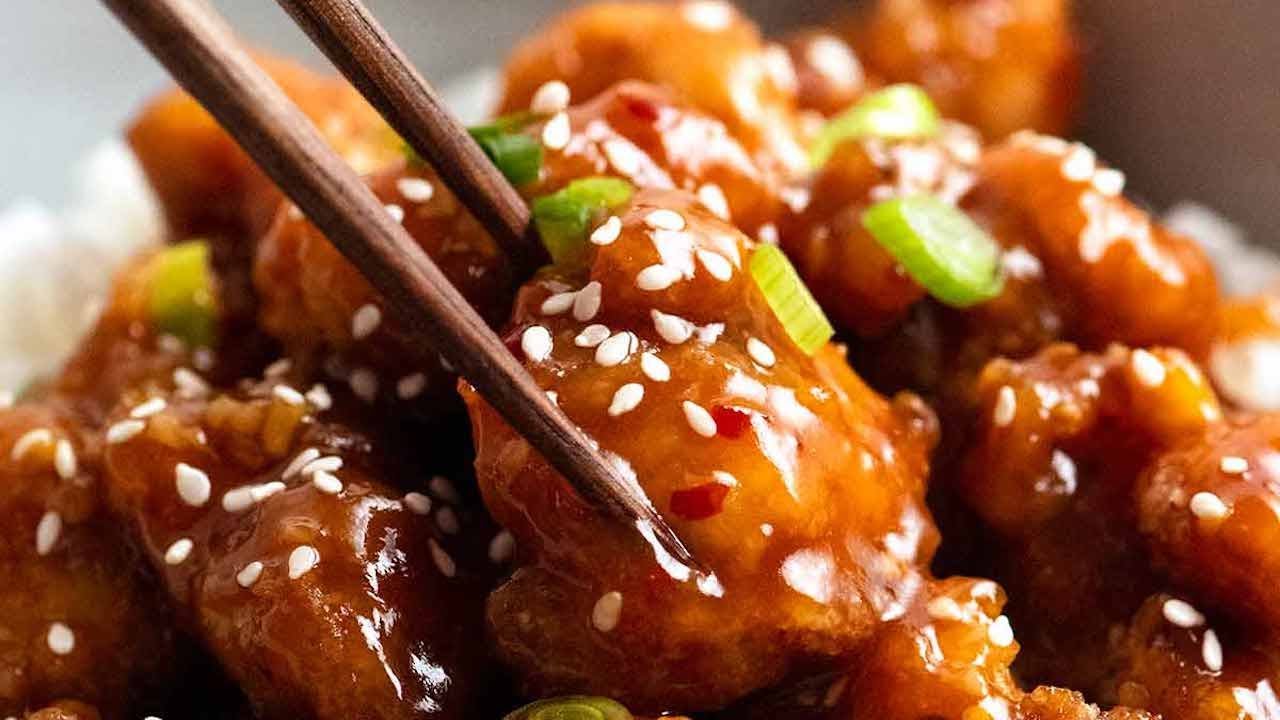
General Tso’s Chicken Recipe: If you’ve ever taken a bite of that sweet, spicy, and slightly tangy chicken dish at your favorite Chinese restaurant, chances are you’ve had General Tso’s Chicken. This dish is a beloved classic that never fails to deliver bold flavors and crispy textures.
Today, we’re diving deep into making this takeout favorite right in your own kitchen—with all the juicy secrets and no shortcuts!
What is General Tso’s Chicken?
Despite its name, General Tso’s Chicken doesn’t actually originate from China. It’s more of an American-Chinese invention that became widely popular in the U.S. in the 1970s. Named after a 19th-century Chinese military leader, General Tso Tsung-t’ang, the dish was created to appeal to American palates with a bold mix of sweet, spicy, and savory flavors.
The dish typically features bite-sized pieces of chicken that are battered, deep-fried, and tossed in a sticky, glossy sauce. It’s got that perfect combo of crispy texture and rich flavor, making it a go-to for anyone craving comfort food with a kick.
What Makes General Tso’s Chicken Unique?
So what sets General Tso’s apart from the dozens of other chicken dishes on a Chinese menu?
- Flavor Explosion: It hits all the right notes—sweet, spicy, tangy, and savory—all in one bite.
- Crispy Coating: Each piece of chicken is double-fried or carefully battered to ensure a satisfying crunch that stands up even after it’s sauced.
- Signature Sauce: The sauce is the star here. Made from soy sauce, hoisin sauce, sugar, vinegar, and chili, it’s glossy, thick, and coats the chicken beautifully.
You can think of it like a culinary firework show in your mouth. It’s not just chicken—it’s an experience.
List of Ingredients You’ll Need
Let’s break down what you’ll need for the chicken and the sauce. Most ingredients are pantry staples or easy to find at your local grocery store.
For the Chicken:
- 1 ½ lbs boneless, skinless chicken thighs (or breasts)
- ½ cup cornstarch
- ¼ cup all-purpose flour
- 2 eggs
- Salt and pepper to taste
- Vegetable oil for frying
For the Sauce:
- 2 tablespoons soy sauce
- 1 tablespoon hoisin sauce
- 2 tablespoons rice vinegar
- 1 tablespoon sesame oil
- 3 tablespoons sugar (adjust to taste)
- 1 tablespoon cornstarch mixed with 2 tablespoons water (slurry)
- 3 garlic cloves (minced)
- 1 teaspoon grated ginger
- 1 teaspoon chili flakes (adjust heat)
- ¼ cup chicken broth or water
Optional Toppings:
- Sliced green onions
- Sesame seeds
- Steamed broccoli (for serving)
Equipment You’ll Need
Cooking at home doesn’t require a professional kitchen, but here’s a list of tools that will make things easier:
- Large mixing bowls
- Sharp chef’s knife
- Cutting board
- Medium saucepan (for the sauce)
- Deep skillet or wok (for frying)
- Slotted spoon or tongs
- Paper towels (for draining oil)
- Thermometer (optional but helpful)
These tools help streamline your cooking process and ensure your chicken fries evenly and your sauce simmers to perfection.
Prepping the Chicken
The chicken is the heart of this dish, so prepping it right is key. Boneless, skinless thighs are ideal because they stay juicy and tender even after frying. However, chicken breasts can also be used if that’s what you have on hand.
Step 1: Cut the chicken into bite-sized pieces, about 1-inch cubes.
Step 2: Season with salt and pepper, then coat lightly in a mix of cornstarch and flour. This helps create that signature crispiness.
Step 3: Beat the eggs in a separate bowl. Dip each chicken piece in the egg, then dredge again in the cornstarch-flour mix. Double-dipping = double crunch.
Pro Tip: Let the coated chicken rest for 10–15 minutes before frying. This helps the coating stick better and creates a crispier crust.
How to Make the Sauce
This sauce brings the magic. It’s sweet, spicy, and just tangy enough to keep you coming back for more.
Step 1: In a bowl, mix together soy sauce, hoisin sauce, rice vinegar, sesame oil, sugar, and chicken broth. Stir until the sugar dissolves.
Step 2: Heat sesame oil in a saucepan over medium heat. Add garlic, ginger, and chili flakes. Sauté for 30 seconds until fragrant.
Step 3: Pour in the sauce mixture. Let it simmer for 2–3 minutes, then stir in the cornstarch slurry. This will thicken the sauce until it’s glossy and coats the back of a spoon.
Taste and adjust. Want it sweeter? Add more sugar. Need more heat? Extra chili flakes or a dash of sriracha does the trick.
Cooking the Chicken: Step-by-Step
Now comes the fun (and slightly messy) part—frying the chicken. To get that restaurant-quality crunch, you’ll want to fry the pieces in hot oil until golden brown and crispy.
Step 1: Heat the Oil
Pour vegetable oil into a deep skillet or wok—enough to submerge the chicken pieces. Heat it to around 350°F (175°C). You can test the temperature by dropping in a tiny bit of flour—if it sizzles instantly, you’re good to go.
Step 2: Fry in Batches
Carefully add a few chicken pieces at a time. Don’t overcrowd the pan! Fry for about 3–4 minutes, turning occasionally until golden brown. Use a slotted spoon or tongs to remove the chicken and place it on a paper towel-lined plate.
Step 3: Double Fry (Optional for Extra Crispiness)
Want that extra-crunchy restaurant-style texture? Let the chicken cool slightly, then fry it again for another 1–2 minutes. This locks in the crisp and keeps it from going soggy when sauced.
Pro Tip: Keep your oil temperature consistent. If it drops too low, the chicken will absorb too much oil and become greasy. Too hot, and it’ll burn before cooking through.
Combining Chicken with the Sauce
Here’s where it all comes together—crispy chicken meets glossy, sticky sauce in a match made in food heaven.
Step 1: Reheat the Sauce
Before tossing, give the sauce a quick warm-up in the pan to make sure it’s hot and thick.
Step 2: Toss the Chicken
Add the fried chicken pieces into the pan with the sauce. Toss quickly and gently until every piece is coated in that shiny, delicious glaze.
Step 3: Serve Immediately
General Tso’s Chicken is best served right away while the chicken is still crispy and the sauce is piping hot.
Important: Don’t let the chicken sit too long in the sauce, or it may get soggy. Coat and serve right before eating for the best texture and taste.
Serving Suggestions
This dish is a superstar on its own, but pair it with the right sides and you’ve got a full-on feast.
Here are some great options:
- Steamed white rice: A classic base that balances the bold sauce
- Fried rice: For extra indulgence
- Lo mein noodles: Adds a fun twist and soaks up the sauce
- Steamed broccoli or snap peas: Adds freshness and crunch
- Garnishes: Sprinkle with sesame seeds and sliced green onions for color and extra flavor
Presentation Tip: Serve in a large bowl or plate, and arrange the garnishes on top. It’ll look just like your favorite takeout spot—or better.
How to Store and Reheat General Tso’s Chicken
Got leftovers? Lucky you! But how do you keep that crispiness and flavor intact?
To Store:
- Fridge: Place in an airtight container. Lasts up to 3–4 days.
- Freezer: Store in a freezer-safe container or bag for up to 1 month.
To Reheat:
- Oven Method (Best for crispiness): Preheat oven to 375°F (190°C). Spread chicken on a baking tray and heat for 10–15 minutes.
- Stovetop Method: Add a small splash of water to a skillet and reheat over medium heat, stirring often.
- Avoid the microwave unless you’re in a rush—it tends to make the coating soggy.
Pro Tip: If freezing, store the sauce and chicken separately when possible. Reheat and toss together fresh.
Healthier Alternatives
Looking for a lighter version? You’ve got options.
Air-Fried General Tso’s Chicken
- Use an air fryer instead of deep-frying.
- Lightly coat chicken with cooking spray before air frying at 400°F (200°C) for about 15–18 minutes, flipping halfway.
Baked General Tso’s Chicken
- Bake coated chicken in the oven at 425°F (218°C) for 20–25 minutes.
- Turn halfway for even browning.
Gluten-Free & Low-Sodium Options
- Swap soy sauce with tamari or coconut aminos.
- Use arrowroot powder or potato starch instead of flour/cornstarch.
- Reduce sugar and salt in the sauce to fit dietary needs.
These adjustments won’t drastically change the flavor, but they’ll make the dish better suited for those watching their intake.
Tips and Tricks from a Chef
Want to make General Tso’s Chicken like a pro? These tips will level up your game:
- Use chicken thighs for extra juiciness. They’re harder to overcook.
- Don’t skip the slurry—it gives your sauce that perfect cling.
- Double-fry for crunch. It really does make a difference.
- Taste the sauce before tossing. Adjust salt, sugar, or heat to your liking.
- Fresh garlic and ginger make a big difference—don’t use the jarred stuff if you can help it.
Secret Ingredient Alert: A tiny splash of orange juice or zest in the sauce can add a unique citrusy pop that takes things to another level.
Common Mistakes to Avoid
Even experienced home cooks can hit a few roadblocks. Watch out for these common pitfalls:
- Overcrowding the pan: Causes uneven frying and soggy coating.
- Skipping the egg wash: Makes it harder for the coating to stick.
- Not letting oil heat properly: Too hot or too cold ruins the texture.
- Tossing chicken in cold sauce: Always warm the sauce first for even coating.
- Storing sauced chicken in the fridge: The longer it sits, the soggier it gets. If possible, store the sauce and chicken separately.
By avoiding these, you’ll get a dish that not only tastes authentic but also impresses anyone lucky enough to try it.
FAQs about General Tso’s Chicken Recipe
1. Can I make General Tso’s Chicken vegetarian?
Absolutely! Swap the chicken for tofu or cauliflower. Just prep and coat it the same way, and fry or bake until crispy.
2. Why is my chicken soggy after adding the sauce?
You may have let it sit too long in the sauce. Always toss right before serving, and double-frying helps keep it crispy.
3. Is there a difference between General Tso’s and Orange Chicken?
Yes. Orange Chicken has a more citrusy and sweeter flavor, while General Tso’s is spicier and more savory.
4. What type of vinegar should I use?
Rice vinegar is best. It’s milder and blends well with Asian sauces. Avoid white vinegar—it’s too sharp.
5. Can I prepare the sauce ahead of time?
Totally. Make the sauce and store it in the fridge for up to a week. Reheat and toss with fresh-fried chicken when ready.
Conclusion
There you have it—your complete, step-by-step guide to making General Tso’s Chicken at home. From crispy fried chicken to the perfect balance of sweet and spicy sauce, every part of this recipe is crafted to bring that restaurant-quality flavor straight to your kitchen.
Whether you’re making it for dinner, meal prep, or to impress guests, this dish will not disappoint. And once you nail it, you’ll never crave takeout again—because your homemade version will be even better.
So grab your apron, fire up the stove, and get cooking. You’ve got this.