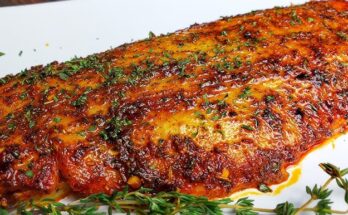
Gefilte Fish Recipe: Gefilte fish is one of those traditional dishes that instantly transports many people to a Jewish holiday table. If you’ve never tried it before, you might be wondering: what exactly is it? Gefilte fish (pronounced “geh-fil-tuh”) is a poached fish dish made from ground deboned fish, usually a combination of whitefish, carp, and pike. The mixture is blended with eggs, matzo meal or breadcrumbs, and a mix of spices to form fish patties or quenelles that are simmered in a savory broth.
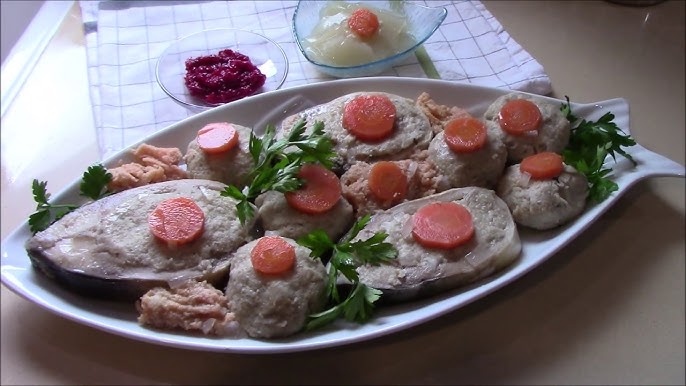
Unlike typical fish dishes served hot with crispy skin or grilled to perfection, gefilte fish is unique. It’s usually served chilled and often accompanied by a slice of cooked carrot and a dollop of horseradish (known as chrain). Texture-wise, it’s more like a delicate fish meatball or a tender loaf than a fillet, and the flavor is subtle, savory, and comforting.
Gefilte fish is most commonly associated with Ashkenazi Jewish cuisine and is traditionally served as an appetizer during Shabbat, Passover, and other Jewish holidays. For some, it’s a nostalgic taste of family heritage; for others, it’s a dish they’ve grown to love with time (and a little extra horseradish!).
A Brief History of Gefilte Fish
The roots of gefilte fish go deep into Eastern European Jewish communities, dating back several centuries. The word “gefilte” means “stuffed” in Yiddish. Originally, this dish was made by stuffing the minced fish mixture back into the skin of the whole fish, hence the name. Over time, the practice of stuffing was dropped for convenience, and the fish mixture was instead formed into patties or balls.
In Eastern Europe, fish was both affordable and widely available—especially in river towns where Jewish communities often settled. Since cooking was prohibited on the Sabbath, gefilte fish became a popular Friday night dish. It could be prepared in advance, served cold or at room temperature, and eaten without violating religious laws.
As Jewish immigrants brought the recipe to America and other parts of the world, the dish evolved even further. In the mid-20th century, jars of ready-made gefilte fish became widely available, making the dish even more convenient. Still, nothing compares to the homemade version made with fresh ingredients and love.
Cultural Significance in Jewish Cuisine
Gefilte fish is more than just a recipe—it’s a cultural staple. It holds a special place in the hearts of many Jewish families because of its ties to tradition and community. Whether served during Passover Seders or Rosh Hashanah dinners, it represents a sense of continuity, memory, and connection to past generations.
In fact, for many families, making gefilte fish is a labor of love passed down from grandmothers and great-grandmothers who spent hours in the kitchen preparing the dish for special occasions. The process of grinding the fish, mixing it with matzo meal, and carefully simmering the patties isn’t just about feeding loved ones—it’s about preserving a legacy.
The debate between “sweet” vs. “savory” gefilte fish also sparks friendly rivalries within Jewish communities, often depending on regional heritage. Those from Poland tend to prefer a slightly sweetened version with sugar, while Lithuanian or Russian families lean toward savory or even peppery versions.
Ingredients You’ll Need
Main Ingredients for Traditional Gefilte Fish
Making homemade gefilte fish from scratch requires simple, humble ingredients. The magic, however, lies in the balance of flavors and textures. Here’s what you’ll typically need:
- Fresh whitefish – Commonly a mix of whitefish, carp, and pike (boneless and skinless).
- Onions – Essential for adding sweetness and depth to the mix.
- Eggs – They act as a binder to hold the mixture together.
- Matzo meal or breadcrumbs – Adds texture and helps form patties.
- Salt and pepper – For basic seasoning.
- Sugar – Optional, depending on regional style.
- Carrots – Used in the broth and as garnish.
- Water – For the broth.
- Fish bones and heads (optional) – If making a rich fish stock from scratch.
Using fresh fish is non-negotiable if you want the best flavor. While some opt for frozen filets, fresh fish provides a firmer texture and a cleaner taste. The combination of fish types is up to you, but a trio of whitefish, carp, and pike is considered the gold standard.
Optional Ingredients to Enhance Flavor
To elevate your gefilte fish beyond the basics, consider adding a few optional ingredients:
- Garlic – A little goes a long way for added depth.
- Celery and parsley – Often included in the broth for added aroma.
- Bay leaves – Adds a subtle herbal note to the cooking liquid.
- Ground white pepper – For a more traditional spice than black pepper.
- Vegetable oil or schmaltz (chicken fat) – Adds richness to the mix.
- Horseradish (chrein) – Served on the side but crucial for the full experience.
Some cooks also add a splash of white wine or lemon juice to brighten the broth, while others may include turmeric or paprika for color.
Ingredient Substitutions for Dietary Preferences
If you have specific dietary needs or preferences, don’t worry—gefilte fish is surprisingly adaptable. Here are some substitutions:
- Gluten-free: Use gluten-free matzo meal or ground almond meal instead of regular matzo meal.
- Egg-free: Try using a flaxseed or chia egg substitute (1 tbsp ground seeds + 3 tbsp water).
- Low-sugar: Simply omit sugar for a more savory version.
- Vegetarian: You can experiment with plant-based alternatives like mashed chickpeas or hearts of palm combined with nori for a “fishy” flavor, although this takes the dish in a modern direction.
It’s also worth noting that commercially available gefilte fish often contains preservatives, artificial sweeteners, and other additives. Making it at home means you control what goes in—and what stays out.
Tools and Kitchen Equipment
Must-Have Kitchen Tools
Making gefilte fish the traditional way doesn’t require a high-tech kitchen, but a few basic tools are essential:
- Food processor or meat grinder – To finely grind the fish and other ingredients.
- Mixing bowls – For combining and chilling the fish mixture.
- Large pot – For simmering the fish patties in broth.
- Measuring spoons and cups – Accuracy matters when dealing with binding agents like eggs and matzo meal.
- Fine mesh strainer or cheesecloth – Useful if making a fish stock from scratch using fish heads and bones.
- Slotted spoon – For gently removing the fish from the broth without breaking them.
These tools help streamline the prep process, making your gefilte fish consistent and flavorful each time.
Helpful Extras for Easier Prep
Want to make your life a bit easier? These additional tools can help:
- Ice cream scoop – Perfect for shaping evenly sized fish balls or patties.
- Thermometer – Ensures your broth stays at a gentle simmer without boiling.
- Silicone spatula – Makes mixing and scraping bowls clean a breeze.
- Kitchen scale – For those who prefer weighing ingredients for precision.
Having the right tools won’t just improve your results—they’ll make the process more enjoyable. And let’s be honest, preparing gefilte fish is a labor of love that’s much easier with the proper gear in hand.
Preparation Tips Before You Start
Choosing the Right Fish
The success of a good gefilte fish recipe starts with the most important ingredient: the fish. Choosing the right type and quality of fish can mean the difference between a bland, mushy dish and a flavorful, tender masterpiece. Traditionally, a mix of white-fleshed, freshwater fish is used—most commonly whitefish, carp, and pike. This combination strikes a balance between firm texture and sweet, mild flavor.
If you can’t find all three types, you can still make a delicious version using just one or two. Whitefish (like cod or haddock) is usually the easiest to find and works beautifully on its own. Avoid overly oily or strongly flavored fish like mackerel or salmon unless you’re aiming for a modern twist.
Freshness is key here. Always look for clear eyes, bright red gills, and a clean, ocean-like smell. If your fishmonger can grind the fish for you, great—but if not, you can do it at home using a food processor. Just be sure all bones and skin are removed first.
How to Ask Your Fishmonger for Help
Don’t be shy about talking to your local fishmonger—they’re your best ally when it comes to sourcing the freshest ingredients. Here’s exactly what to ask for:
- “Can you filet and debone a mix of whitefish, carp, and pike for gefilte fish?”
- “Can you grind the fish for me or package the bones and heads separately for stock?”
- “I need the meat finely chopped, skin removed, and bones saved.”
Most fish markets, especially those that cater to Jewish communities, are familiar with these requests. If they can’t grind the fish, they’ll at least prep it so you can easily pulse it in your processor at home.
Another tip? Go early in the morning. The best fish (and friendliest fishmongers) are available before the midday rush.
Chilling and Cleaning Tips
Once you’ve got your fish, it’s important to handle it properly before you begin mixing. Keep it cold at all times—this helps maintain freshness and makes the fish easier to grind. If you’re not cooking immediately, store the fish in a covered container on a bed of ice in the fridge.
Cleaning up is also key, especially when working with raw fish. Disinfect all surfaces, cutting boards, and utensils that touch the raw fish to avoid cross-contamination. This is especially crucial if you’re cooking for a large family or a holiday crowd.
Also, keep your hands slightly damp when shaping the patties—this prevents the sticky mixture from clinging to your fingers and helps form neater shapes.
Step-by-Step Guide to Making Gefilte Fish
Step 1 – Preparing the Fish Mixture
Once your fish is cleaned, skinned, and deboned, it’s time to create the flavorful base for your gefilte fish. Here’s a step-by-step for the perfect mixture:
- Grind the Fish: Place the cleaned fish fillets into a food processor and pulse until finely minced but not pureed.
- Grate the Onion: Use a box grater or processor to finely grate 1–2 onions, which add both flavor and moisture.
- Add Eggs: Crack 2–3 eggs into the bowl—this will bind the mixture together.
- Incorporate Matzo Meal: Start with ½ cup of matzo meal or breadcrumbs and add more as needed for structure.
- Season Generously: Add salt, pepper, and a pinch of sugar (if desired). Some people also include white pepper or a dash of garlic powder for extra zip.
Mix everything gently but thoroughly in a large bowl. The texture should be smooth but firm enough to shape. If it feels too loose, add a bit more matzo meal. Then, cover the bowl and chill in the fridge for at least 30 minutes—this helps firm up the mixture and makes shaping easier.
Step 2 – Shaping the Patties or Balls
Once the mixture is cold, it’s time to shape it into individual portions. This can be done in one of two ways:
- Traditional quenelles: Use two spoons to shape oval balls—this gives an elegant, classic look.
- Rustic patties or round balls: Wet your hands slightly and form the mixture into balls or patties, about the size of a small egg.
Each ball should weigh around 2–3 ounces. Uniform size is important for even cooking, so take your time and try to keep them consistent.
Place the shaped patties on a tray lined with parchment or plastic wrap. If you’re not cooking them immediately, cover and return them to the fridge.
Step 3 – Making the Cooking Broth
Gefilte fish is poached in a savory broth that adds tons of flavor. Here’s how to make a basic fish stock from scratch:
Ingredients:
- Fish bones and heads (from your filleted fish)
- 2–3 carrots, sliced
- 2 onions, quartered
- 2 celery stalks
- Fresh parsley
- Salt and pepper
- 8–10 cups of water
Add everything to a large pot and bring it to a boil, then reduce to a simmer. Skim off any foam that rises to the top. Let the stock simmer for 30–45 minutes, then strain it to remove the solids.
Return the strained broth to the pot. You can now add a few fresh carrot slices and some salt to adjust seasoning. Keep the broth at a gentle simmer—never a boil—when you’re ready to add the fish.
Step 4 – Simmering the Gefilte Fish
Carefully place your shaped fish patties into the hot broth. Use a spoon to gently lower them in, ensuring they don’t break apart.
Important tips:
- Do not overcrowd the pot—cook in batches if necessary.
- Simmer gently for about 1 to 1.5 hours.
- Do not stir—this can break the patties.
While cooking, the patties will firm up and absorb the flavors from the broth. The broth may reduce slightly, which is normal.
Once done, remove the patties using a slotted spoon and place them in a serving dish. Top each one with a carrot slice from the pot for a traditional touch.
Step 5 – Cooling and Storing Properly
After cooking, gefilte fish should be cooled completely before refrigerating. Here’s how:
- Let the patties cool at room temperature for 30–45 minutes.
- Pour a little of the strained broth over them to keep them moist.
- Cover the dish tightly with plastic wrap or a lid.
- Refrigerate for at least a few hours, ideally overnight.
Gefilte fish tastes best the next day, once all the flavors have melded together. Serve chilled or at room temperature with a side of prepared horseradish (chrein)—either red (with beets) or white.
How to Serve Gefilte Fish
Best Garnishes and Sauces
Gefilte fish might be humble in appearance, but the right garnish can elevate it from simple to stunning. The most classic garnish? A thin slice of cooked carrot placed on top of each piece of gefilte fish. This isn’t just for tradition—it adds a subtle sweetness and a pop of color that makes the dish more visually appealing.
But don’t stop there. Here are other garnishes that pair beautifully with gefilte fish:
- Fresh herbs like dill or parsley for a fresh, aromatic touch.
- Microgreens for a modern, elegant presentation.
- Lemon zest or a small wedge for a citrusy twist.
- Pickled onions or cucumbers to add tang and crunch.
And, of course, no gefilte fish dish is complete without horseradish—also known as chrein. You can buy it prepared, but homemade horseradish adds a kick that’s hard to beat. There are two main types:
- White horseradish: Sharp, clean heat—perfect for those who like it bold.
- Red horseradish: Mixed with beets, offering a milder, sweeter flavor and vibrant color.
Serve a generous dollop on the side and let guests choose their heat level. You’ll be surprised how well the spicy chrein balances the soft, delicate fish.
Pairing Suggestions for a Complete Meal
Gefilte fish is traditionally served as an appetizer, especially during Shabbat dinners and Jewish holidays like Passover or Rosh Hashanah. But if you’re planning a full menu, you’ll want to build around it with complementary dishes.
Here are some classic and modern pairing suggestions:
- Starter: Matzo ball soup, chicken soup, or a beet salad.
- Main course: Brisket, roast chicken, or tzimmes (sweet carrot stew).
- Side dishes: Kugel (sweet or savory), roasted potatoes, or sautéed green beans.
- Bread: Matzo (during Passover) or challah (for Shabbat).
- Drink: Dry white wine, like Sauvignon Blanc or Chardonnay, pairs well with gefilte fish. Sparkling water with lemon is a nice non-alcoholic option.
The idea is to keep things light, fresh, and balanced. Gefilte fish sets the tone for the meal—it’s not meant to fill you up but to whet your appetite for what’s coming next.
Common Mistakes to Avoid
Overcooking or Undercooking
One of the most common mistakes when making gefilte fish is overcooking or undercooking the patties. If you boil the fish instead of gently simmering it, the patties can fall apart or become rubbery. Undercooked fish, on the other hand, will have a mushy texture and may not hold together properly when served.
Tips to avoid this:
- Always bring your broth to a gentle simmer, not a rolling boil.
- Let the patties cook undisturbed for at least 60–90 minutes.
- Use a slotted spoon to remove the patties gently, and don’t stir them while cooking.
If you’re unsure, test one piece at the 60-minute mark—it should be firm but tender and cooked through in the center.
Not Seasoning Enough
Another mistake? Being stingy with the seasoning. Fish on its own can be bland if not properly seasoned, especially when it’s blended with matzo meal and eggs. Many people go light on the salt or pepper, fearing they’ll overdo it, but this can result in a flat, dull-tasting dish.
How to fix this:
- Taste the raw mixture before forming the patties (just a small amount—yes, it’s safe if you’re using fresh fish and clean hands).
- Season with confidence—remember, some of the flavor gets lost during simmering.
- Add herbs, spices, or even a touch of lemon juice to brighten things up.
A well-seasoned gefilte fish should be flavorful on its own, even before adding horseradish or broth.
Variations of Gefilte Fish
Sweet vs. Savory Styles
Gefilte fish has a surprising amount of regional variation, especially when it comes to one big debate: sweet or savory? This often comes down to family heritage:
- Polish style: Slightly sweet, with sugar added to both the mixture and the broth.
- Lithuanian/Russian style: Savory, peppery, and sometimes even garlicky or spicy.
Neither is more “authentic” than the other—it’s all about what you grew up with. If you’re new to the dish, try both and decide which one suits your taste buds best.
You can also customize your gefilte fish by adjusting sweetness levels or adding extra herbs and spices. Try including:
- Fresh dill or thyme in the mixture.
- Grated garlic or shallots.
- A pinch of nutmeg or white pepper for complexity.
Modern Twists and Add-ins
While traditional gefilte fish holds a special place in Jewish culinary tradition, modern cooks love putting their own spin on it. Some creative ideas include:
- Salmon gefilte fish: Using part or all salmon for a richer, pink-hued patty.
- Asian-inspired flavors: Add ginger, scallions, and a splash of soy sauce.
- Mediterranean style: Mix in chopped olives, capers, or sun-dried tomatoes.
- Mini gefilte bites: Form small patties and serve as canapés or party appetizers.
You can even bake your gefilte fish loaf-style in the oven instead of simmering in broth—this results in a firmer texture and a modern presentation that’s easy to slice and serve.
The possibilities are endless, and they don’t have to stray too far from tradition. Just remember: the heart of gefilte fish is about comfort, flavor, and family.
Storing and Freezing Tips
Refrigerator Storage Guidelines
Once your gefilte fish is cooked and cooled, proper storage is essential to preserve its delicate texture and flavor. Thankfully, this dish was made for advance preparation—it actually tastes better after sitting overnight, allowing the flavors to develop and deepen.
Here’s how to store it safely in the fridge:
- Use a shallow container to layer the patties or slices.
- Pour a little of the strained broth over the fish to keep it moist.
- Cover tightly with plastic wrap or an airtight lid.
- Store in the refrigerator for up to 5 days.
You should always keep gefilte fish chilled until just before serving. If you’re preparing it for a holiday meal, try to make it a day ahead of time—it gives you more breathing room on the big day and enhances the overall flavor.
If the broth starts to gelatinize in the fridge, don’t worry. That’s actually a good sign—it means you made a rich, collagen-filled stock from the bones. It will melt into a silky liquid once the fish comes to room temperature.
How to Freeze Without Losing Texture
Freezing gefilte fish is a fantastic option if you’re cooking in bulk or preparing well in advance for a holiday. However, because the texture is so soft and delicate, there are a few steps you need to follow to keep it from becoming soggy or freezer-burned.
Follow this process to freeze gefilte fish properly:
- Cool completely in the fridge before freezing.
- Place individual pieces on a parchment-lined tray and freeze for 2–3 hours until solid.
- Wrap each piece tightly in plastic wrap, then place in a freezer-safe bag or airtight container.
- Label with the date—gefilte fish will stay fresh in the freezer for up to 2 months.
To reheat, thaw overnight in the fridge and either gently warm in broth on the stovetop or serve cold with fresh garnishes and horseradish. Avoid microwaving—it can ruin the texture.
Freezing does slightly change the texture, but when done properly, the flavor and integrity hold up well.
Nutritional Benefits of Gefilte Fish
Healthier Than You Might Think
Gefilte fish often gets a bad rap as an old-fashioned dish that’s either too bland or too heavy. But the truth? It’s a sneaky health food, especially if made from scratch. It’s low in fat, high in protein, and full of nutrients—especially if you use fresh, high-quality fish.
Here’s a quick breakdown of what makes it a healthy choice:
- High in Protein: Each serving packs about 12–15 grams of protein.
- Low in Calories: Without heavy sauces or frying, gefilte fish stays light—roughly 100–150 calories per serving.
- Low in Fat: Most traditional recipes don’t use added fats, making this a great low-fat protein source.
- Rich in Omega-3s: If made with fish like pike or whitefish, it contains heart-healthy fats that reduce inflammation and support brain function.
- No refined carbs: Matzo meal provides a gentle binding without heavy starches.
For anyone watching their weight, blood sugar, or cholesterol, gefilte fish can be a great option when served without sugary sauces or fatty sides.
High-Protein, Low-Fat Option
If you’re looking for a lean protein source that works for low-carb, low-calorie, or diabetic diets, gefilte fish is a winning choice. It’s naturally gluten-free (if made with gluten-free matzo meal), and it’s ideal for prepping ahead in meal plans.
What’s more, homemade gefilte fish gives you total control over ingredients—meaning you can:
- Use egg whites instead of whole eggs.
- Swap traditional matzo meal for almond flour or flax meal.
- Add fresh herbs for flavor without salt.
- Poach in a vegetable broth for added nutrients and lower sodium.
For kosher households, it fits seamlessly into any dairy-free meal plan and is a welcome protein alternative to meat-based starters. Served cold, it’s refreshing and satisfying—perfect for warm weather meals or holiday spreads.
FAQs about Gefilte Fish Recipe
Can I make gefilte fish without matzo meal?
Yes! You can use almond flour, potato starch, or even oat flour as a binder. Just ensure the mixture isn’t too wet and holds its shape when forming the patties.
Why does gefilte fish sometimes taste bland?
Lack of seasoning is usually the culprit. Don’t forget to add enough salt, pepper, and herbs—and make sure your broth is flavorful too. Homemade horseradish also adds a major flavor boost.
Can I bake gefilte fish instead of boiling?
Definitely. Many modern recipes bake the mixture in a loaf pan, covered with foil, at 350°F for about an hour. It gives a firmer texture and can be sliced neatly.
How do I serve gefilte fish for Passover?
Traditionally, it’s served cold or room temp, topped with carrot, and paired with red horseradish. It’s often the appetizer for the Passover Seder.
Is gefilte fish safe to eat during pregnancy?
If made with fresh, properly cooked fish, yes. Avoid store-bought jars with preservatives and stick to trusted, homemade versions for the best quality.
Conclusion
Gefilte fish might be one of the most misunderstood dishes in Jewish cuisine, but once you experience it fresh and homemade, it’s hard not to fall in love. It’s light yet satisfying, deeply rooted in culture and history, and endlessly adaptable for modern tastes. Whether you’re honoring a holiday tradition or simply exploring a new recipe, making gefilte fish from scratch is a rewarding experience.
With the right ingredients, tools, and a bit of patience, you’ll master the delicate balance of texture and flavor that makes this dish so unique. Top it with sweet carrots, pair it with fiery horseradish, and serve it with pride—just like generations before you.