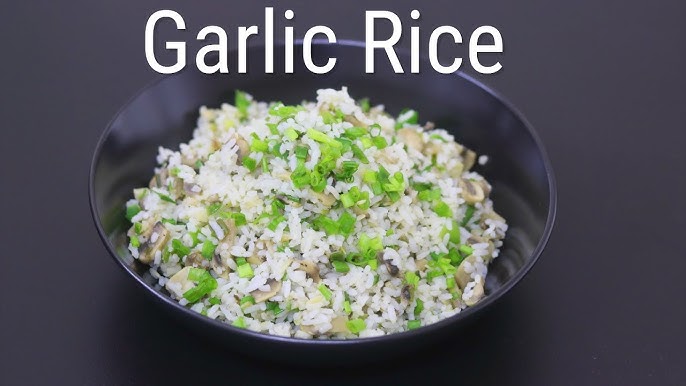
Garlic Rice Recipe: If you’ve never tried garlic rice, you’re seriously missing out. It’s the kind of dish that proves how something so simple can be so incredibly satisfying. Garlic rice is a go-to comfort food in many households around the world. With just a handful of ingredients, it transforms plain rice into a fragrant, flavorful dish that pairs well with just about anything—eggs, meat, veggies, you name it.
The beauty of garlic rice lies in its simplicity. Imagine warm, fluffy rice coated with golden-brown garlic that’s been sautéed to perfection—crispy on the outside and sweetly aromatic on the inside. The scent alone is enough to make your stomach growl. Plus, it’s budget-friendly, quick to make, and a great way to use up leftover rice, which makes it perfect for busy weeknights or lazy weekends.
What makes this recipe even better is how customizable it is. Want to add a kick? Toss in some chili flakes. Craving something hearty? Throw in a fried egg or even some grilled meat. You can dress it up or down depending on your mood or what you’ve got in the fridge.
Bottom line? Garlic rice is more than a side dish—it’s a flavor-packed staple that deserves a permanent spot in your recipe rotation.
Origin and Cultural Significance
Garlic rice isn’t tied to just one cuisine—it pops up in various forms across the globe. In the Philippines, it’s known as “Sinangag,” a beloved breakfast dish that’s often paired with dried or cured meats. In Japan, garlic fried rice is a popular item at teppanyaki restaurants. Even in Latin American and Indian homes, you’ll find versions of garlic-infused rice that are uniquely tailored to local tastes and ingredients.
What all these variations have in common is a shared love for garlic. Known as the “stinking rose,” garlic has long been treasured not just for its flavor, but also for its medicinal properties. It’s been used in everything from ancient Roman stews to modern-day stir-fries.
This wide cultural appeal makes garlic rice a global favorite. No matter where you’re from, chances are there’s a version of garlic rice that’ll feel like home.
Ingredients You’ll Need
Basic Ingredients
Here’s the short but mighty list of what you need to whip up the perfect garlic rice:
- Cooked rice – Preferably day-old and cold. Long grain or jasmine rice works best.
- Garlic – Lots of it! Fresh garlic cloves give you the best aroma and crunch.
- Cooking oil – Neutral oils like vegetable, canola, or even light olive oil.
- Salt – To taste.
- Pepper – Freshly cracked black pepper adds a subtle kick.
That’s it for the base recipe. Yep, you read that right—five basic ingredients can deliver a dish that’s absolutely packed with flavor.
Optional Add-ons and Variations
Want to level up your garlic rice game? Here are some optional ingredients that can take it to the next level:
- Butter – Adds richness and depth to the dish.
- Soy sauce – A splash of umami flavor, especially popular in Asian variations.
- Green onions or scallions – For a pop of color and freshness.
- Chili flakes or powder – For those who like it spicy.
- Eggs – Fried or scrambled, eggs make it a hearty meal.
- Protein – Toss in grilled chicken, shrimp, or tofu for a complete dish.
The trick is to start with the basics and then build according to your cravings. That’s the magic of garlic rice—it plays well with just about anything.
Choosing the Right Rice for Garlic Rice
The kind of rice you use can make or break this dish. Here’s a quick guide:
- Day-old rice – The best choice. Cold, firm rice doesn’t clump together and fries beautifully.
- Long grain rice – Great for a fluffy, separate texture.
- Jasmine rice – Adds aroma and a slightly sticky finish.
- Basmati rice – Light, fragrant, and slightly nutty.
Avoid freshly cooked rice unless it’s been cooled and dried a bit. Too much moisture will turn your garlic rice mushy, and nobody wants that.
Kitchen Tools Required
Essential Cooking Tools
To cook garlic rice like a pro, you’ll need a few basic kitchen tools:
- Frying pan or wok – A non-stick pan or well-seasoned wok helps prevent sticking.
- Spatula – For tossing the rice without breaking the grains.
- Knife and cutting board – For prepping your garlic and any add-ons.
- Rice cooker or pot – If you’re cooking fresh rice from scratch.
Most of these are already in your kitchen, making this recipe even easier to pull off with minimal hassle.
Handy Tools That Make Cooking Easier
While not mandatory, the following tools can save you time and effort:
- Garlic press – Speeds up garlic prep and ensures even mince.
- Microplane – Great for finely grating garlic if you want a more intense flavor.
- Oil brush – Useful if you’re using flavored oils or want to control how much oil you use.
Efficiency is the name of the game, and these little tools can help you get your garlic rice on the table faster—with less cleanup.
Prepping for the Recipe
Cooking the Rice
If you’re starting with fresh rice, you’ll want to cook it and then let it cool down completely. Here’s how to do it right:
- Rinse the rice – Removes excess starch that can make your rice gummy.
- Cook it with the right ratio – Use 1:1.5 ratio of rice to water for fluffy grains.
- Cool it quickly – Spread it out on a tray and pop it in the fridge for at least an hour.
If you already have leftover rice—lucky you! Just fluff it with a fork and you’re good to go.
Prepping the Garlic
Garlic is the star here, so treat it with care. You’ll want to:
- Peel and slice or mince – Thin slices get crispy, while minced garlic spreads more flavor.
- Use fresh, not pre-chopped – Fresh garlic has a stronger, sweeter aroma.
- Dry it well – Moisture makes garlic steam instead of crisp.
The way you prep your garlic affects both the taste and texture of the final dish, so take your time here.
Prepping Add-ins (if any)
Got eggs? Leftover meat? Some fresh herbs? Now’s the time to get them ready. Chop, dice, and set everything aside before you turn on the heat. Garlic rice cooks fast, and once you start, you won’t want to stop and prep mid-recipe.
Step-by-Step Garlic Rice Recipe
Step 1 – Cook or Use Leftover Rice
Let’s kick things off with the base: the rice. If you’ve got some cold, leftover rice from last night’s dinner—perfect. That’s exactly what you want. Day-old rice has a firmer texture, which makes it easier to stir-fry without turning mushy. But if you’re starting from scratch, no worries! You can cook a fresh batch and cool it quickly.
Here’s how to do it right:
- Choose your rice: Long grain, jasmine, or basmati are ideal.
- Rinse thoroughly: Wash the rice until the water runs clear. This removes the surface starch that causes clumping.
- Cook using less water: Slightly undercook the rice if you plan to use it soon.
- Spread to cool: Lay it out on a baking sheet or plate. If you’re short on time, pop it in the freezer for 10–15 minutes.
The rice should be dry and clumpy—not sticky—before hitting the pan. This is the foundation of great garlic rice.
Step 2 – Sauté the Garlic to Perfection
Now comes the magic: the garlic.
Start by heating your oil in a large pan over medium heat. Don’t go too high, or the garlic will burn in seconds. Add your sliced or minced garlic and let it cook slowly. Stir it often—garlic can turn from golden brown to black in the blink of an eye.
Tips for crispy, aromatic garlic:
- Use plenty of garlic—don’t be shy!
- Sauté until it’s golden brown, not burnt.
- Remove a portion of the garlic early to use as a garnish later.
You’ll know it’s ready when the smell fills your kitchen and the garlic turns a perfect caramel color. This is the heart of the dish—the flavor bomb that brings it all together.
Step 3 – Add the Rice and Mix Well
Once your garlic is golden and fragrant, it’s time to add the rice.
Here’s the technique:
- Break up the rice clumps before adding.
- Add the rice all at once and immediately begin to mix with a spatula.
- Toss gently but thoroughly to coat every grain in garlic oil.
This step is where the flavor infuses into the rice. Keep the heat at medium so nothing sticks or burns. Stir-fry for 3–5 minutes, or until everything is well combined and heated through.
You’ll notice the rice absorbing the garlicky oil and taking on a light golden hue. That’s the sign you’re on the right track.
Step 4 – Season and Customize
Next comes the seasoning. Keep it simple for classic garlic rice, or spice it up depending on your taste.
Here’s the basic seasoning guide:
- Salt – Start with a pinch and adjust to taste.
- Pepper – Fresh ground black pepper adds depth.
- Soy sauce (optional) – For a hint of umami.
- Butter (optional) – Stir in a small knob for richness.
Want to get creative? Now’s the time to add:
- Scrambled or fried eggs
- Chopped green onions
- Crumbled bacon or sausages
- Chili flakes for heat
- Herbs like parsley or cilantro
This is your chance to make the dish your own. Just make sure not to overwhelm the garlic flavor—that’s still the star.
Step 5 – Final Stir and Serve
You’re almost there! After everything is well mixed and seasoned, give the rice a final toss to ensure even distribution. If you saved some garlic earlier, now’s the time to sprinkle it on top for a crunchy finish.
Here’s how to plate it like a pro:
- Serve hot, straight from the pan.
- Add a sunny-side-up egg on top.
- Garnish with chopped green onions or herbs.
- Pair it with grilled meats, seafood, or even tofu.
And there you have it—a bowl of steaming, aromatic, flavor-packed garlic rice that’s ready to impress. Whether it’s breakfast, lunch, or dinner, this dish delivers every single time.
Tips for the Best Garlic Rice
How to Avoid Burnt Garlic
Burnt garlic is the fastest way to ruin garlic rice. It turns bitter, smells acrid, and overpowers everything else. Here’s how to avoid that:
- Use medium heat – High heat cooks garlic too quickly.
- Add garlic to warm—not hot—oil – This helps it cook evenly.
- Stir constantly – Garlic cooks fast; keep it moving.
- Take it off early – Garlic continues to cook even after the heat is off. Remove it once it’s lightly golden.
Bonus tip: Slice the garlic evenly. Uneven pieces cook at different rates, making some bits burn while others remain raw.
Getting the Perfect Texture
Garlic rice should be light, fluffy, and slightly crispy on the edges. Here’s how to get that restaurant-quality finish:
- Use cold rice – Freshly cooked rice is too soft.
- Don’t overcrowd the pan – Too much rice at once causes steaming instead of frying.
- Let it sit briefly in the pan – After mixing, let the rice sit untouched for 30 seconds to form slight crispy bits.
You want a balance of fluffy grains and subtle crunch. That’s the mark of perfectly executed garlic rice.
Popular Garlic Rice Variations
Filipino Sinangag
One of the most beloved garlic rice variations is the Filipino classic—Sinangag. It’s a staple in many Filipino households, especially as part of a traditional breakfast known as “Silog.” This typically includes sinangag, a fried egg, and a meat component like tapa (beef), tocino (sweet pork), or longganisa (Filipino sausage).
What makes Sinangag special?
- Heavily garlic-forward: Filipinos don’t hold back on garlic. Expect a bold, aromatic flavor in every bite.
- Simple seasoning: No soy sauce or other flavorings—just salt, garlic, and oil.
- Paired with ulam: It’s rarely eaten alone. Sinangag serves as the perfect canvas for flavorful viands.
If you’re looking to create an authentic Sinangag, use day-old jasmine rice and lots of freshly minced garlic fried until golden brown. Keep the seasoning minimal, and serve with fried eggs and a side of your favorite Filipino breakfast meat. It’s the ultimate comfort food.
Garlic Fried Rice with Egg
This variation turns garlic rice into a full meal. By simply adding an egg, you instantly boost the protein and make it more satisfying. There are two main ways to do it:
- Scrambled eggs: Stirred into the rice while cooking, giving it a creamy, savory richness.
- Fried egg on top: A runny yolk adds creaminess and elevates the dish visually and flavor-wise.
Tips for the perfect egg:
- Sunny side up with crispy edges is popular in many Asian countries.
- Soft scrambled gives a silky texture.
- Add a dash of soy sauce or sesame oil for a flavor boost.
This version is especially great for brunch or a quick dinner. It’s fast, filling, and endlessly customizable with veggies or leftover meats.
Garlic Butter Rice
Want to turn up the decadence? Enter Garlic Butter Rice.
This version swaps out regular oil for butter, giving the dish a richer, deeper flavor profile. Here’s how to make it extra special:
- Use unsalted butter so you can control the seasoning.
- Add fresh herbs like parsley or thyme for aroma.
- Mix in a dash of Parmesan cheese for a savory finish.
Garlic butter rice pairs wonderfully with grilled steak, roasted chicken, or sautéed mushrooms. It’s perfect for when you want something a bit fancier without putting in much extra effort.
What to Serve with Garlic Rice
Breakfast Pairings
Garlic rice is a breakfast champion in many cultures. Here are some tasty ways to enjoy it first thing in the morning:
- Fried egg and sliced avocado
- Crispy bacon or sausages
- Leftover roast or corned beef
- Tuna or sardines (Filipino-style breakfast)
- Grilled tomatoes or mushrooms for a veggie option
Because it’s carb-rich and flavorful, garlic rice makes a solid foundation to start your day. It gives you the energy boost you need and pairs well with both protein and vegetables.
Lunch and Dinner Combos
For lunch and dinner, garlic rice is endlessly versatile. It goes with just about any main dish you can think of. Try these combos:
- Grilled or fried chicken – Especially with a drizzle of lemon or gravy.
- Beef or pork stir-fry – Let the rice soak up all those savory sauces.
- Grilled shrimp or salmon – Perfect with garlic butter rice.
- Vegetarian curries – Garlic rice balances out the richness and spice.
- Tofu or tempeh – Pan-fried with soy sauce and sesame oil makes a great meatless option.
You can also serve garlic rice as a side dish at BBQs, potlucks, or holiday dinners. Its mild yet flavorful taste complements bold main courses without overpowering them.
Storage and Reheating Tips
Refrigeration
Got leftovers? No problem. Garlic rice stores well for a few days when handled properly.
- Let the rice cool to room temperature before storing.
- Transfer to an airtight container to prevent it from drying out.
- Store in the fridge for up to 3 to 4 days.
Avoid leaving rice at room temperature too long, as this increases the risk of bacteria growth. Always refrigerate promptly.
Freezing
If you made a big batch, freezing is a great option.
- Portion the rice into individual servings in freezer-safe bags or containers.
- Flatten the bags for easier storage and quicker thawing.
- Label and date them—frozen garlic rice lasts up to 1 month.
To reheat, just microwave from frozen or let it thaw overnight in the fridge before reheating in a skillet.
Best Reheating Methods
Reheating garlic rice without turning it into a sticky mess can be tricky. Here’s how to do it right:
- Microwave: Add a damp paper towel over the rice to prevent it from drying out.
- Stovetop: Reheat in a skillet over medium heat with a splash of water or oil. Stir occasionally until hot.
- Steamer: If you have one, steaming brings back the moisture beautifully.
Avoid overheating, especially in the microwave, as it can make the rice rubbery or overly dry.
Common Mistakes to Avoid
Overcooking the Garlic
This is the #1 mistake when making garlic rice. Burnt garlic tastes bitter and unpleasant. To avoid this:
- Watch the color closely—remove garlic when it’s light golden, not brown.
- Lower the heat if it starts to cook too fast.
- Stir constantly to keep it from sitting in one spot too long.
Remember: garlic keeps cooking even after you take it off the heat. So err on the side of slightly underdone.
Using Too Much Oil or Salt
It’s easy to overdo the oil or seasoning in garlic rice. Here’s how to keep it balanced:
- Start with just enough oil to fry the garlic. You can always add more if needed.
- Taste as you go when adding salt or soy sauce.
- Consider the salt content of add-ons like bacon, soy sauce, or cheese before seasoning.
Also, don’t drench the rice in oil or butter—too much fat makes it greasy and heavy instead of light and flavorful.
Nutritional Information
Calorie Count
Garlic rice may be simple, but it’s important to know what you’re putting on your plate—especially if you’re watching your intake. Here’s a general breakdown per 1-cup serving of basic garlic rice:
| Nutrient | Amount (approx.) |
|---|---|
| Calories | 210–250 kcal |
| Carbohydrates | 40–45 g |
| Protein | 3–4 g |
| Fat | 7–10 g |
| Fiber | 1–2 g |
| Sodium | 200–300 mg (depends on salt/soy sauce) |
These numbers can vary depending on the type of oil or rice used, and any additional ingredients like butter, eggs, or protein toppings.
If you’re aiming for a lighter version, use brown rice or cauliflower rice, go easy on the oil, and skip the butter. For a more hearty, high-calorie version, add butter, cheese, or meats.
Health Benefits of Garlic
Garlic isn’t just delicious—it’s a nutritional powerhouse with centuries of medicinal use. Including garlic in your rice brings several benefits:
- Boosts immunity – Garlic has natural anti-viral and anti-bacterial properties.
- Improves heart health – Studies suggest it may lower blood pressure and cholesterol.
- Rich in antioxidants – Helps fight oxidative stress and inflammation.
- Supports digestion – Garlic stimulates the digestive tract and balances gut flora.
- Regulates blood sugar – May help improve insulin sensitivity.
So while garlic rice is comfort food, it can also be a functional food—especially when made with wholesome ingredients.
FAQs about Garlic Rice Recipe
1. Can I use freshly cooked rice instead of day-old rice?
Yes, but it’s not ideal. Freshly cooked rice is usually too moist, which can make the dish sticky or soggy. If you must use fresh rice, try to spread it out to cool for at least 30–60 minutes before stir-frying.
2. What’s the best oil for garlic rice?
Neutral oils like canola, vegetable, or light olive oil work great. For a richer flavor, try butter or ghee. Just avoid oils with strong flavors (like coconut or sesame) unless you want that flavor to come through.
3. Can I make garlic rice in advance?
Absolutely. Garlic rice stores well in the fridge for up to 4 days, and in the freezer for up to a month. Reheat on the stovetop or microwave with a splash of water to bring it back to life.
4. Is garlic rice vegan-friendly?
The base version is vegan as long as you stick to plant-based oil and skip the butter and animal proteins. It’s easy to adjust this recipe for vegan or vegetarian diets.
5. Can I make garlic rice without a wok?
Yes! A non-stick skillet or frying pan works just as well. Just make sure it’s big enough to toss the rice without overcrowding, and keep the heat at medium to avoid burning the garlic.
Conclusion
Garlic rice is the kind of dish that proves you don’t need a long list of ingredients or hours in the kitchen to make something crave-worthy. With just rice, garlic, oil, and a little technique, you can whip up a meal that’s as versatile as it is delicious. Whether you enjoy it as a humble side dish or turn it into the main event with toppings and add-ons, garlic rice fits into every meal of the day.
It’s perfect for beginners learning to cook and seasoned home chefs alike. Plus, the endless variations—from Sinangag to garlic butter rice—mean you’ll never get bored of it. So the next time you have leftover rice in your fridge and a bulb of garlic on your counter, you know what to do.
Now go on—fire up that stove and let the aroma of golden garlic take over your kitchen. Your taste buds will thank you.