Galaktoboureko Recipe: Galaktoboureko is one of the most beloved desserts in Greek baking, celebrated for its delicate layers of crispy phyllo pastry, a rich and silky semolina custard, and a fragrant sweet syrup that soaks into every bite. When we prepare this dessert properly, we achieve the perfect contrast of textures: a golden, flaky top and bottom with a smooth, creamy filling at the center. This balance is what makes Galaktoboureko recipe searches so popular among dessert lovers who want a pastry that feels both elegant and deeply comforting.
In this guide, we will walk through everything needed to make a truly impressive homemade Galaktoboureko, from selecting the right ingredients to layering, baking, and finishing the pastry with syrup. With careful preparation and the right technique, we can create a bakery-quality Greek dessert right from our kitchen.
What Is Galaktoboureko?
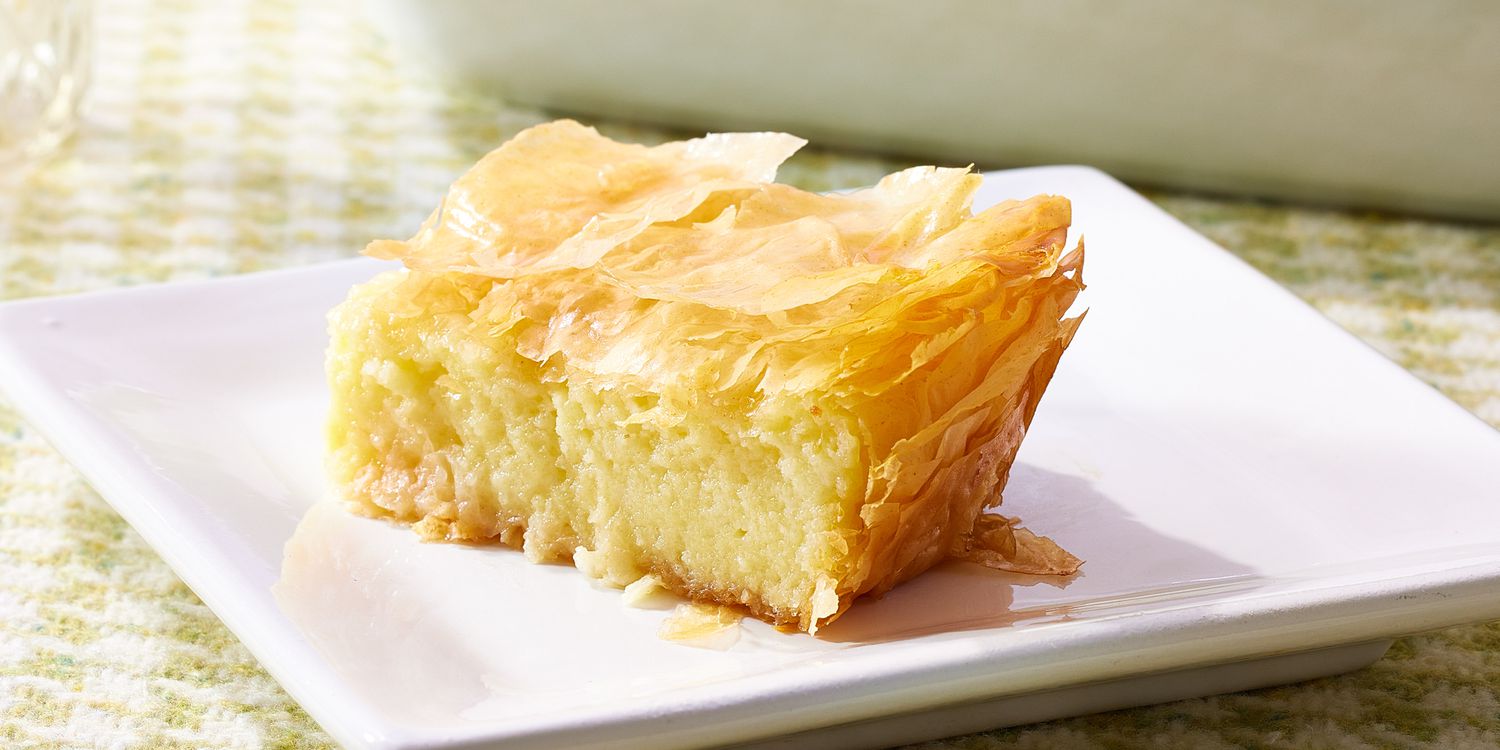
Galaktoboureko is a classic Greek custard pie made with layers of buttered phyllo dough filled with a creamy semolina-based custard. Once baked until beautifully golden, it is drenched with a citrus- and vanilla-scented syrup. The result is a dessert that is rich without being heavy, sweet without being overwhelming, and crisp while still luxuriously soft in the middle.
Unlike many custard desserts, this one stands out because of its unique structure. The phyllo pastry adds a light, crackly texture, while the custard remains tender and luscious. The syrup completes the dish by adding moisture, shine, and that signature sweet finish that defines an authentic Galaktoboureko recipe.
Ingredients You’ll Need
To make the best Galaktoboureko, we need ingredients for the custard, pastry, and syrup.
For the Custard
- 1 liter whole milk
- 1 cup fine semolina
- 1 cup granulated sugar
- 4 large eggs
- 2 teaspoons vanilla extract
- 2 tablespoons unsalted butter
- Zest of 1 lemon
- A pinch of salt
For the Phyllo Layers
- 1 package phyllo dough, thawed
- 250g unsalted butter, melted
For the Syrup
- 1½ cups granulated sugar
- 1½ cups water
- 1 small strip lemon peel
- 1 tablespoon lemon juice
- 1 cinnamon stick
- 1 teaspoon vanilla extract
- 2 tablespoons honey (optional, for extra depth)
These ingredients create the ideal combination of crisp pastry, smooth custard, and fragrant syrup that defines a traditional Galaktoboureko recipe.
Best Ingredients for Authentic Flavor
For the richest result, we should always use whole milk rather than low-fat alternatives. Whole milk gives the custard its full-bodied texture and creamy finish. Fine semolina is also essential because it thickens the filling gently and creates the characteristic texture that makes this dessert different from ordinary custard pies.
The phyllo dough should be fresh and workable, not dry or cracked. Since phyllo dries out quickly, it must be kept covered with a clean towel while we work. Unsalted butter is preferred because it lets us control the flavor more precisely and gives the pastry a golden, delicate crispness.
For the syrup, using fresh lemon peel, cinnamon, and vanilla creates a cleaner and more aromatic flavor than relying on sugar alone.
How to Make Galaktoboureko Step by Step
Step 1 – Prepare the Syrup
We begin with the syrup because it needs time to cool completely before being poured over the hot pastry later.
In a saucepan, combine the sugar, water, lemon peel, lemon juice, and cinnamon stick. Bring the mixture to a gentle boil over medium heat. Once the sugar has dissolved fully, reduce the heat and let it simmer for about 8 to 10 minutes. Remove from heat, stir in the vanilla extract and honey if using, then allow the syrup to cool fully.
A cool syrup poured over hot pastry helps preserve the structure of the dessert while allowing the syrup to absorb properly.
Step 2 – Make the Semolina Custard
In a large saucepan, heat the milk over medium heat until warm but not boiling. In a separate bowl, whisk together the semolina, sugar, and salt. Gradually add this dry mixture into the warm milk, whisking continuously to prevent lumps.
Keep stirring over medium-low heat until the mixture thickens into a smooth custard. This usually takes several minutes. Remove the pan from the heat and stir in the butter, lemon zest, and vanilla extract.
In another bowl, lightly beat the eggs. To prevent scrambling, slowly add a few spoonfuls of the warm custard into the eggs while whisking. Then pour the tempered eggs back into the saucepan and whisk until fully combined. Return the pan to very low heat for 1 to 2 minutes, stirring gently until the custard becomes silky and thick.
Set the custard aside to cool slightly. It should remain spreadable, not stiff.
Step 3 – Prepare the Baking Dish
Preheat the oven to 175°C (350°F). Grease a rectangular baking dish generously with melted butter. This helps the lower layers of phyllo crisp up beautifully and prevents sticking.
Unroll the phyllo dough and cover it immediately with a slightly damp kitchen towel. This step is essential because phyllo dries out very quickly and can crack if exposed for too long.
Step 4 – Layer the Bottom Phyllo Sheets
Place one sheet of phyllo into the baking dish and brush it lightly with melted butter. Repeat this process, layering around 8 to 10 sheets on the bottom. Each sheet should be buttered lightly but thoroughly. The butter is what helps create the signature flaky layers that make Galaktoboureko so irresistible.
Let some of the phyllo hang over the edges if needed. This will help enclose the custard neatly.
Step 5 – Add the Custard Filling
Pour the prepared custard over the layered phyllo and spread it evenly with a spatula. The filling should sit smoothly and evenly across the dish so every slice holds its shape after baking.
Fold in any overhanging phyllo gently over the custard. This helps contain the filling and creates a cleaner final structure.
Step 6 – Add the Top Phyllo Layers
Now layer the remaining 8 to 10 sheets of phyllo over the custard, brushing each one with melted butter just as before. Once all the layers are in place, tuck in the edges neatly to create a polished finish.
Brush the top generously with butter. This final coating helps the surface bake into a beautifully golden, crisp crust.
Using a sharp knife, score the top layers into portions before baking. Do not cut all the way through to the bottom. Scoring makes it easier to slice after baking without crushing the delicate phyllo.
Step 7 – Bake Until Golden and Crisp
Place the baking dish in the preheated oven and bake for 45 to 60 minutes, or until the top is deeply golden and crisp. The pastry should look evenly browned, and the top layers should feel firm and flaky.
A properly baked Galaktoboureko should never look pale. The rich color signals that the buttered phyllo has developed the flavor and texture we want.
Step 8 – Pour Over the Syrup
As soon as the hot pastry comes out of the oven, slowly pour the cooled syrup over the entire surface. We should pour carefully and evenly so the syrup penetrates the scored lines and soaks through the layers without making the top soggy too quickly.
This contrast of hot pastry and cool syrup is one of the most important techniques in a successful Galaktoboureko recipe. It helps the dessert absorb sweetness while preserving texture.
Let the pastry rest for several hours before serving. This resting time allows the custard to set fully and the syrup to distribute evenly.
Tips for the Best Galaktoboureko Recipe
For the finest result, we should avoid rushing the custard. Continuous whisking prevents lumps and ensures a smooth filling. It is also important not to oversoak the pastry with butter. Each layer should be coated lightly, not drenched.
When working with phyllo dough, speed and care matter. Keep the unused sheets covered at all times, and handle them gently to prevent tearing. Small tears are not a problem, since the layers will still bake beautifully once assembled.
Another essential tip is patience after baking. Galaktoboureko tastes best when allowed to rest long enough for the syrup and custard to settle. Cutting too early can cause the filling to spill and the pastry to lose its neat structure.
Common Mistakes to Avoid
One common mistake is pouring hot syrup over hot pastry. Doing so can make the top layers overly soft. Another mistake is using custard that is too thin. If the custard has not thickened enough before assembly, the filling may not set properly after baking.
Overbaking can also dry out the dessert, while underbaking leaves the phyllo pale and chewy. The ideal finish is a deep golden brown with crisp, buttery layers.
Using too little butter between the sheets is another issue. Without enough butter, the phyllo may bake into dry, papery layers rather than light, flaky ones.
How to Serve Galaktoboureko
Galaktoboureko is best served slightly warm or at room temperature. It pairs beautifully with Greek coffee, black tea, or even a light espresso. Since it is rich and syrupy, smaller slices are often perfect for serving, especially after a full meal.
For an elegant presentation, we can garnish each slice with a light dusting of cinnamon or a tiny piece of lemon zest. The dessert is already visually striking with its golden surface, so it does not need much decoration.
How to Store Leftovers
Store leftover Galaktoboureko covered in the refrigerator for up to 4 days. The phyllo will soften somewhat over time, but the flavor remains excellent. To enjoy it again, let it sit at room temperature briefly before serving.
While it can be refrigerated, it is usually best enjoyed within the first two days, when the contrast between the crisp pastry and creamy filling is at its peak.
Why This Galaktoboureko Recipe Works
This Galaktoboureko recipe works because it focuses on texture, balance, and traditional technique. The semolina custard is thick and creamy, the phyllo layers are crisp and buttery, and the citrus-cinnamon syrup adds sweetness without overpowering the filling. Every element supports the next, creating a dessert that feels refined, satisfying, and memorable.
When we make it with care, Galaktoboureko becomes more than a simple pastry. It becomes a standout dessert with classic Mediterranean character, rich flavor, and an unmistakably luxurious finish. For anyone searching for the ultimate Greek custard pie recipe, this method delivers the authentic taste and texture that make Galaktoboureko a timeless favorite.
continue Thought for a couple of seconds
Variations of Galaktoboureko We Can Try
One of the best things about a traditional Galaktoboureko recipe is that it can be adapted slightly while still preserving its classic identity. The original version remains the gold standard, but small adjustments can introduce new layers of flavor and texture.
A popular variation is to add orange zest alongside or instead of lemon zest in the custard or syrup. This gives the dessert a warmer citrus aroma and a slightly sweeter finish. Some bakers also add a touch of ground cinnamon or nutmeg to the custard for a deeper, spiced flavor.
Another variation is to use a honey-forward syrup. By increasing the honey slightly, we create a richer and more rounded sweetness that pairs beautifully with the buttery phyllo. This approach works especially well when serving the dessert during festive occasions or as part of a more elaborate dessert spread.
For a more indulgent version, some recipes enrich the custard further with a little heavy cream. This produces an even silkier filling, though the classic semolina-and-milk balance is often preferred for authenticity. If we want a cleaner, more traditional outcome, it is best to stay close to the classic formula.
How to Keep Phyllo Crisp and Flaky
The success of any Galaktoboureko recipe depends heavily on how well we handle the phyllo dough. This ingredient is delicate, thin, and quick to dry out, so proper handling makes a major difference in the final dessert.
We should always thaw frozen phyllo in the refrigerator first, then bring it to room temperature before using it. Trying to separate cold phyllo sheets too quickly can cause tearing. Once opened, the stack should remain covered with a clean towel to maintain flexibility.
Brushing each sheet with melted butter is also essential. Butter helps the layers bake separately rather than fusing into a dense mass. This is what creates that signature light, crisp texture. At the same time, the butter should be applied evenly. Pools of butter can weigh the pastry down and create greasy spots.
The final bake also matters. A steady oven temperature ensures the phyllo develops its full golden color and crisp bite without burning. When the pastry emerges from the oven, the top should look glossy, browned, and deeply layered.
Why Semolina Is Essential in Galaktoboureko
A defining feature of an authentic Galaktoboureko recipe is the use of semolina in the custard. Semolina gives the filling its distinctive body and texture. It thickens more gently than flour and produces a creamier, more luxurious mouthfeel than cornstarch in this kind of pastry.
This ingredient is the reason the custard feels substantial yet smooth. It allows the filling to hold its shape once cooled while still remaining tender and rich. Without semolina, the dessert would lose much of its traditional character.
Fine semolina is usually the best option because it blends more seamlessly into the milk and creates a smoother texture. Coarser semolina can still be used, but it may produce a slightly grainier finish. For the most polished Greek custard pie, fine semolina delivers the result most people expect.
The Role of Syrup in a Perfect Galaktoboureko Recipe
The syrup in Galaktoboureko is not simply an added sweetener. It is a structural and flavor element that transforms the baked pastry into the dessert it is meant to be. The syrup softens selected layers, enhances the custard, and infuses the entire pastry with aroma.
The best syrup is balanced rather than overpowering. It should be sweet enough to define the dessert, but not so heavy that it masks the flavors of milk, butter, vanilla, and citrus. The addition of lemon peel, cinnamon stick, and sometimes honey creates a layered sweetness that feels more refined.
The timing of the syrup is equally important. Pouring cool syrup over hot pastry allows absorption without destroying the crisp upper layers too quickly. This single step is one of the hallmarks of an excellent Galaktoboureko recipe, and it is essential for achieving the proper texture.
Serving Suggestions for a More Elegant Presentation
Although Galaktoboureko is beautiful on its own, we can serve it in a way that makes it even more memorable. Clean, evenly cut slices are the first step. Since the pastry is delicate, using the pre-scored lines as a guide helps preserve its shape.
A light garnish can elevate presentation without distracting from the dessert itself. A dusting of ground cinnamon, a touch of finely grated lemon zest, or even a few crushed pistachios can add a subtle decorative finish. These additions should remain minimal so the classic look of the golden phyllo remains the focal point.
For entertaining, Galaktoboureko pairs beautifully with:
- Greek coffee
- Espresso
- Black tea
- Herbal tea with citrus notes
These drinks balance the richness of the pastry and complement its aromatic syrup.
Make-Ahead Tips for Galaktoboureko
This dessert is an excellent make-ahead option because it actually improves after resting. Once the syrup is added, the pastry needs time to settle, the custard needs time to firm up, and the flavors need time to blend fully.
We can prepare the syrup in advance and store it in the refrigerator. The custard can also be made slightly ahead, though it is best assembled while still soft and spreadable. For the best final texture, the full dessert should ideally be baked and syruped several hours before serving.
This makes Galaktoboureko a practical dessert for holidays, gatherings, family meals, and formal occasions. It saves last-minute stress while still delivering a dessert that feels sophisticated and impressive.
FAQs about Galaktoboureko Recipe
Can we make Galaktoboureko in advance?
Yes. In fact, Galaktoboureko often tastes even better after several hours because the syrup has time to soak in and the custard has time to set properly.
Should Galaktoboureko be served warm or cold?
It is best served slightly warm or at room temperature. This allows the custard to remain creamy while the phyllo still holds some crispness.
Can we freeze Galaktoboureko?
It can be frozen, but the texture of the phyllo may change after thawing. For best quality, it is better enjoyed fresh or refrigerated for a few days.
Why is my custard too runny?
This usually happens when the semolina has not cooked long enough or the custard was not thickened properly before assembling the pastry.
Why did my phyllo turn soggy?
Soggy phyllo often results from too much syrup, uneven baking, or using hot syrup on hot pastry. Proper temperature contrast is key.
Final Thoughts
A great Galaktoboureko recipe delivers everything a classic pastry should: crisp phyllo, velvety semolina custard, and a fragrant syrup that ties every layer together. This dessert is elegant enough for celebrations, comforting enough for family meals, and timeless enough to remain a favorite across generations.
When we focus on the quality of the ingredients, the care of the layering, and the timing of the syrup, we create a dessert that feels truly special. Every slice offers a beautiful contrast of textures and a rich, balanced sweetness that makes Galaktoboureko one of the finest examples of Greek pastry tradition.
For anyone seeking a truly memorable homemade Galaktoboureko, this method delivers the flavor, texture, and visual appeal that define an exceptional dessert.