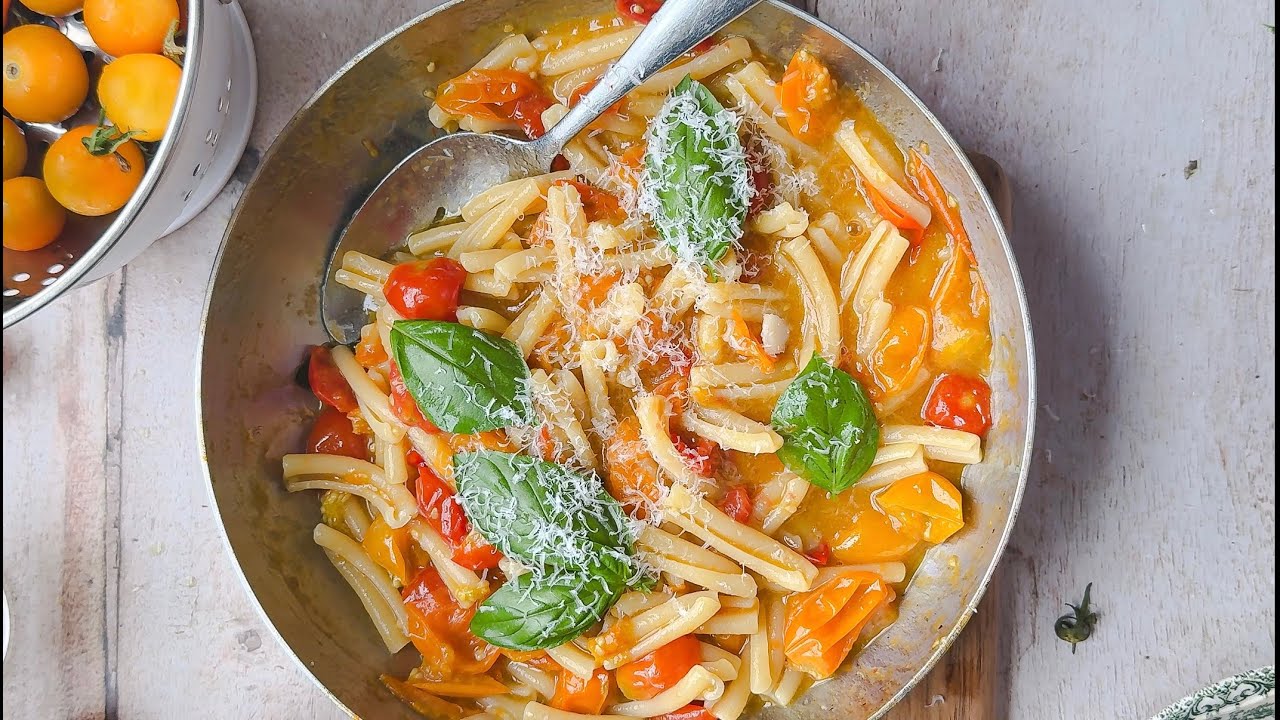
Fresh Tomato Pasta Sauce Recipe: There’s something deeply satisfying about making pasta sauce from scratch, especially when it starts with plump, juicy tomatoes straight from the garden or market.
A good fresh tomato pasta sauce is more than just a kitchen staple—it’s a flavor-packed, versatile base that can elevate any pasta dish.
This guide walks you through everything: from selecting the best tomatoes to adding the final touches before it hits your plate.
Let’s bring the flavors of Italy right into your kitchen, one simmer at a time.
Why Make Your Own Pasta Sauce at Home?
Store-bought sauces are convenient, but they just don’t compare to homemade. When you make pasta sauce from scratch, you’re in control of the ingredients—no preservatives, no excess sugar, just pure, bold tomato flavor. You also get to tailor the taste to your liking. Want it spicy? Add red pepper flakes. Prefer it herby? Throw in some basil and oregano. Plus, it’s budget-friendly and the perfect way to use up ripe tomatoes that are just past their prime. Making your own sauce connects you with the roots of traditional cooking and adds a homemade touch to any meal.
The Taste of Freshness: Why Tomatoes Matter
Tomatoes are the heart of this dish. Using fresh tomatoes instead of canned ones means your sauce will have a lighter, brighter, and more natural flavor. Fresh tomatoes carry a certain sweetness and acidity that’s hard to replicate with processed alternatives. That vibrant color? That deep aroma? It all starts with the right kind of tomato. Trust us—once you’ve tasted a sauce made from scratch with fresh produce, there’s no turning back.
Types of Tomatoes Best for Sauce
Choosing the right tomato is crucial. Not all tomatoes are created equal when it comes to making a rich and flavorful pasta sauce. Here are some of the best types:
Roma Tomatoes
Also called plum tomatoes, Roma tomatoes are a go-to choice. They have thick flesh, fewer seeds, and less water content, making them ideal for reducing into a hearty sauce.
San Marzano Tomatoes
These Italian tomatoes are slightly sweeter and less acidic than Romas. Their flavor is smooth and rich, which makes them perfect for a traditional Italian-style sauce.
Heirloom Tomatoes
If you want a burst of unique flavors, heirloom tomatoes can add depth and complexity. They’re juicier, so you’ll need to cook them longer, but the flavor payoff is worth it.
List of Ingredients You’ll Need
Here’s everything you need to whip up a batch of fresh tomato pasta sauce:
- 2½ pounds of ripe tomatoes (Roma or San Marzano preferred)
- 4 cloves of garlic, finely minced
- 1 medium onion, finely chopped
- 3 tablespoons olive oil
- Salt, to taste
- Freshly ground black pepper, to taste
- Handful of fresh basil leaves
- 1 teaspoon dried oregano (optional)
- Red pepper flakes (optional, for a spicy kick)
- 1 teaspoon sugar (optional, to balance acidity)
- Fresh parsley (optional, for garnish)
Optional Add-ins:
- Grated parmesan cheese
- Cooked ground beef or Italian sausage
- A splash of red wine or balsamic vinegar for depth
These ingredients form the base, but feel free to experiment once you get comfortable with the process.
Tools You’ll Need in the Kitchen
Before diving in, make sure your kitchen is prepped with the right tools:
- Sharp knife – for chopping tomatoes, garlic, and onions
- Large pot or saucepan – to cook and simmer the sauce
- Slotted spoon – for blanching and peeling tomatoes
- Blender or food mill – to puree the sauce if desired
- Cutting board
- Wooden spoon – for stirring
- Measuring spoons
Having the right tools ready can make the whole process smoother and more enjoyable.
Step-by-Step Guide: How to Make Fresh Tomato Pasta Sauce
Follow this simple step-by-step guide to transform your fresh tomatoes into a rich, mouthwatering sauce. This process might seem long at first, but once you get into the rhythm, it becomes second nature—and completely worth it.
Step 1: Prepare the Tomatoes
Choose ripe, fresh tomatoes for the best flavor. Wash them thoroughly and remove the stems. For a smoother sauce, score a small “X” at the base of each tomato to make peeling easier later.
Step 2: Blanching and Peeling
Bring a pot of water to a boil. Add the tomatoes and blanch for 30–60 seconds until the skins begin to loosen. Transfer immediately to ice water to stop cooking. Peel off the skins, then remove cores if needed.
Step 3: Chopping and Sautéing Ingredients
Chop the peeled tomatoes, keeping the juices. Heat olive oil in a pan over medium heat and sauté chopped onions until soft. Add garlic and cook briefly until fragrant. Stir in the tomatoes and their juices.
Step 4: Simmering the Sauce
Reduce heat to low and let the sauce simmer uncovered for 20–30 minutes, stirring occasionally. This allows excess water to evaporate and the flavors to concentrate. Add basil or oregano during simmering for extra aroma.
Step 5: Blending or Leaving It Chunky
For a smooth sauce, blend using an immersion blender or countertop blender. If you prefer texture, leave it chunky or lightly crush the tomatoes with a spoon.
Step 6: Final Seasoning and Taste Check
Season with salt, black pepper, and a pinch of sugar if the tomatoes are too acidic. Taste and adjust. Finish with a drizzle of olive oil before serving or storing.
Storage Tips: Keeping It Fresh for Longer
Made a big batch? Great decision. This sauce stores beautifully, and here’s how to keep it tasting fresh:
- Refrigerator: Store in an airtight container for up to 5 days. Let the sauce cool completely before refrigerating.
- Mason jars or glass containers work best for preserving flavor and avoiding stains.
- Freezer: Freeze in portion-sized containers or zip-top bags for up to 3 months. Lay the bags flat to save freezer space.
Label each container with the date so you don’t forget. When ready to use, defrost in the fridge overnight or reheat directly on the stove from frozen.
How to Freeze Fresh Tomato Sauce
Freezing your sauce lets you enjoy summer-fresh flavors all year long. Here’s how to do it right:
- Cool completely before freezing.
- Use freezer-safe bags or containers.
- Portion into 1–2 cup servings—perfect for single meals.
- Remove as much air as possible to prevent freezer burn.
- Label with contents and date.
To thaw, just place the bag in warm water or defrost in the fridge. Then reheat on the stove and enjoy that homemade flavor again and again.
Creative Add-Ins for Extra Flavor
Once you master the base sauce, you can play with a variety of add-ins to spice things up:
- Mushrooms – for a meatier texture
- Olives and capers – for a Mediterranean twist
- Sun-dried tomatoes – to intensify tomato flavor
- Grated carrots – natural sweetness and thickness
- Anchovy paste – umami boost (don’t worry, it won’t taste fishy)
You can even turn this base into other sauces—like arrabbiata (spicy) or creamy tomato by stirring in a touch of heavy cream. The possibilities are endless.
Perfect Pasta Pairings for Fresh Tomato Sauce
Not all pasta shapes are created equal when it comes to sauce. Some pair better with thick, chunky sauces, while others shine with smoother blends.
- Spaghetti & linguine – best with smooth sauces
- Penne & rigatoni – perfect for chunky sauces that cling to ridges
- Farfalle (bowtie) – great for lighter, herby tomato sauces
- Tortellini or ravioli – pairs well with a rich, slightly creamy tomato base
Don’t forget a dusting of parmesan and a few basil leaves to top it off. And maybe a slice of crusty bread to soak up what’s left on your plate!
Mistakes to Avoid When Making Tomato Sauce
Even the simplest recipes can go off track if you’re not careful. Here are some common pitfalls to dodge:
- Using unripe or flavorless tomatoes: Always go for ripe, juicy ones.
- Skipping the simmer: Rushing through cooking won’t let flavors meld.
- Over-blending: It can turn your sauce into baby food.
- Not seasoning in layers: Season early, taste often, and adjust gradually.
- Adding herbs too early: Fresh herbs lose their punch if cooked too long—add them at the end for brightness.
Avoiding these mistakes means your sauce will taste restaurant-quality every single time.
FAQs about Fresh Tomato Pasta Sauce Recipe
1. Can I use cherry tomatoes instead of Roma tomatoes?
Yes, cherry tomatoes can be used, especially if they’re ripe and sweet. However, they may require a longer simmer to reduce their water content.
2. How do I thicken my tomato sauce naturally?
Simply simmer longer to evaporate excess water. You can also add grated carrot or tomato paste for extra body.
3. Is it okay to leave the tomato skins on?
Yes, but removing the skins gives the sauce a smoother texture. Skins can sometimes create a tougher consistency.
4. Can I add meat to this sauce?
Absolutely. Brown some ground beef, sausage, or turkey and add it during the sautéing step for a hearty variation.
5. How long does homemade tomato sauce last in the fridge?
Stored in an airtight container, it lasts up to 5 days. For longer storage, freeze it for up to 3 months.
Conclusion
There’s something magical about turning fresh tomatoes into a rich, flavorful pasta sauce. It’s more than just a recipe—it’s a ritual. From the aroma of sautéing garlic to the satisfying simmer of tomatoes melding into perfection, every step brings you closer to a dish that’s full of love and flavor. With a few fresh ingredients and a bit of patience, you’ve got a sauce that outshines anything from a jar. Serve it over your favorite pasta, freeze it for later, or use it as a base for endless Italian-inspired dishes. Once you’ve mastered this recipe, you’ll never look at store-bought sauce the same way again.