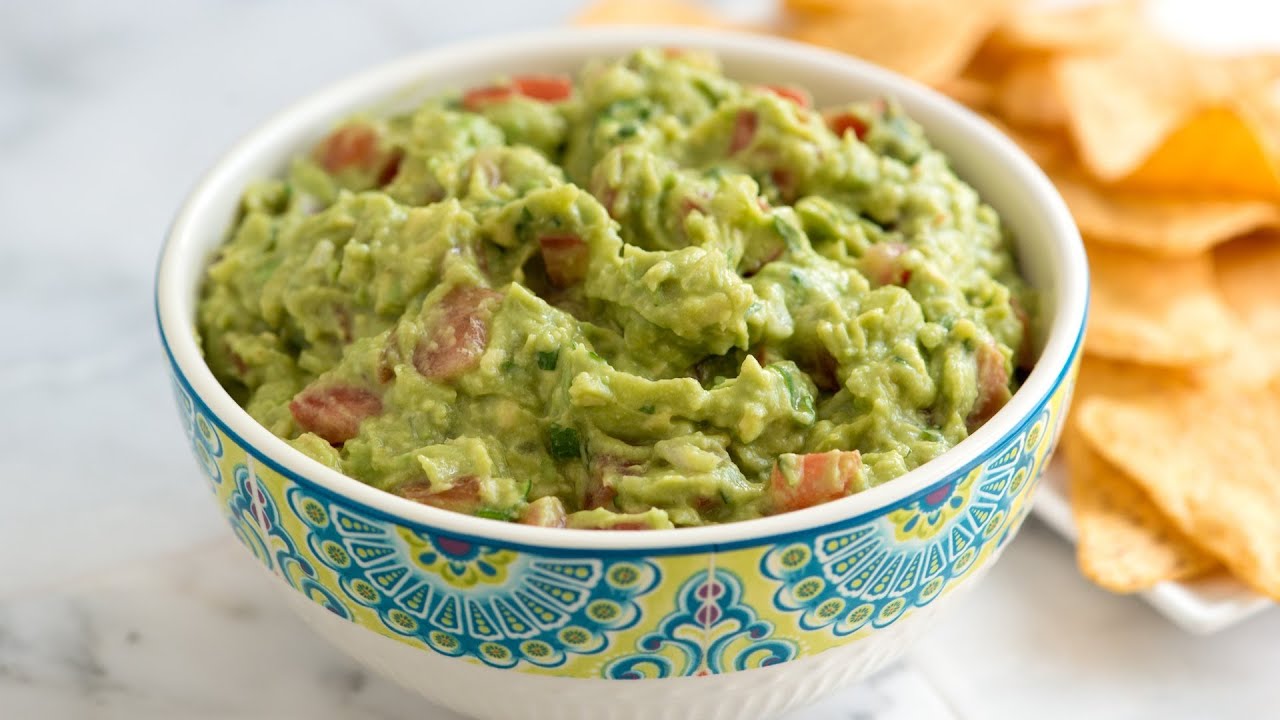
Fresh Guacamole Recipe: There’s something magical about a bowl of fresh guacamole. It’s creamy, zesty, a little spicy, and totally addictive.
Whether you’re dipping chips during game night or adding it to your favorite burrito bowl, guacamole never disappoints.
Let’s walk you through a full-proof guide to making fresh guacamole from scratch that will impress your family, friends, or just your hungry self.
What Makes Guacamole So Irresistible?
The secret sauce (pun intended) behind guacamole’s popularity is its perfect combination of textures and flavors. Avocados give it that smooth, buttery base. Lime adds brightness, tomatoes bring juiciness, onions give a subtle crunch, and optional chili peppers kick in the heat. It’s a flavor bomb that doesn’t need cooking, just mixing and mashing. The best part? It’s customizable to your taste, whether you love it chunky or creamy, spicy or mild.
Not to mention, guacamole pairs well with just about anything—tacos, grilled chicken, salad bowls, burgers, or simply a bag of crunchy tortilla chips. The creamy goodness cuts through spice and adds a refreshing contrast to rich foods. Once you make it at home, you’ll wonder why you ever settled for store-bought versions.
Health Benefits of Fresh Guacamole
Guacamole is more than just a tasty dip—it’s a nutrient powerhouse. The star ingredient, avocado, is packed with heart-healthy monounsaturated fats, fiber, potassium, and folate. These nutrients help reduce bad cholesterol levels, support brain function, and keep your digestive system happy.
Add in ingredients like onions (rich in antioxidants), tomatoes (loaded with vitamin C), and lime juice (full of citric acid to aid digestion), and you’ve got a dip that’s both delicious and nutritious. When eaten in moderation, guacamole can fit into nearly any healthy diet. It’s also naturally gluten-free, dairy-free, and vegan-friendly.
Essential Kitchen Tools You’ll Need
Before you start slicing and dicing, make sure you have these basic kitchen tools ready:
- Cutting board
- Sharp knife
- Spoon (for scooping avocado)
- Fork or potato masher
- Medium-sized mixing bowl
- Citrus juicer (optional but handy)
- Measuring spoons (for consistent seasoning)
Having the right tools on hand not only makes the process easier but also keeps your guacamole-making journey smooth and fun.
List of Ingredients You’ll Need
Main Ingredients
These are the essential ingredients to make authentic, fresh guacamole:
- 3 ripe avocados
- 1 small red onion (finely chopped)
- 1-2 small tomatoes (deseeded and diced)
- 1 lime (juiced)
- 1/2 teaspoon salt (adjust to taste)
- 1/4 teaspoon freshly ground black pepper
- 1 tablespoon fresh cilantro (chopped – optional)
- 1 small jalapeño or serrano pepper (finely chopped – optional)
Optional Add-ons for Extra Flavor
Want to spice things up or give your guac a twist? Try these extras:
- Garlic (1 minced clove)
- Diced mango or pineapple (for sweetness)
- Crumbled queso fresco or feta (for a creamy twist)
- Cumin powder (a pinch for a smoky touch)
- Green onions instead of red onions
- A dash of hot sauce for extra heat
Mix and match depending on your flavor preference or dietary needs.
How to Choose the Perfect Avocados
Picking ripe avocados is the most crucial step. A ripe avocado should yield slightly when pressed gently. Too firm? It’s not ready. Too mushy? It might be overripe or even spoiled.
Here’s a quick test: remove the small stem at the top. If it reveals a green underside, you’ve got a good one. If it’s brown, the inside may be bruised.
Try to use Hass avocados if you can—they’re creamy and ideal for guacamole.
Prepping Your Ingredients Like a Pro
Start by washing your produce—onions, tomatoes, lime, and cilantro (if using). Dice everything finely to distribute flavor evenly. Deseed the tomatoes so they don’t water down the guac. If using jalapeños, remove seeds to keep the heat manageable. Prep everything before cutting the avocado; once it’s exposed to air, it starts browning quickly.
This step ensures you’re not rushing while mashing the avocado and lets you build the guac immediately after.
Step-by-Step Guide to Making Fresh Guacamole
Let’s get into the nitty-gritty of building the perfect guacamole.
Step 1: Cut and Scoop the Avocados
Use a sharp knife to slice the avocado lengthwise around the pit. Twist the halves apart, remove the pit with a spoon or carefully with your knife, and scoop the flesh into a mixing bowl. Repeat for all three avocados.
Fresh tip: To avoid bruising the flesh, use a spoon instead of digging in with your fingers.
Step 2: Mash to Your Preferred Texture
Using a fork or potato masher, begin mashing the avocado. Like it chunky? Go light. Prefer it creamy? Mash a little longer. Don’t overdo it—you want it soft but with character.
This is your guac’s foundation, so make sure the texture is how you like it. Add a few drops of lime here to delay browning while you prep the rest.
Step 3: Add Fresh Lime Juice
Squeeze the juice of one lime over the mashed avocado. Lime not only brightens up the flavor but also slows oxidation, keeping your guacamole greener for longer.
Not a lime fan? You can substitute lemon juice, but lime gives that traditional zing.
Step 4: Stir in Diced Onions and Tomatoes
Now it’s time to build texture. Add your finely diced onions and tomatoes. Fold them in gently—don’t stir too hard, or your guac will turn soupy.
Make sure the tomatoes are deseeded to avoid excess moisture. This keeps the consistency thick and scoopable.
Step 5: Add Cilantro and Jalapeños (Optional)
If you love that earthy, herby bite, add chopped cilantro. For some heat, mix in finely chopped jalapeños. Not into spice? Skip them entirely or go for mild green chilies.
Remember, these are customizable touches—start small, taste, and adjust.
Step 6: Season It Right – Salt & Pepper
Add half a teaspoon of salt and a pinch of black pepper. Mix everything well and let it sit for a few minutes so the flavors meld together.
Pro tip: Taste with a chip rather than a spoon—chips are salty, so this gives a more accurate read of seasoning.
Step 7: Taste Test and Adjust
This is your final check. Need more salt? A splash more lime? Like it spicier? Now’s the time to tweak. Every batch of guacamole is slightly different depending on your ingredients, so trust your taste buds.
Tips for Keeping Guacamole Green and Fresh
One of the biggest challenges with guacamole is keeping it that beautiful green color. Avocados oxidize quickly, meaning they turn brown when exposed to air. But don’t worry—there are several clever tricks you can use to keep your guac looking fresh for longer:
- Press plastic wrap directly on the surface: Make sure no air pockets are between the wrap and the guacamole. This minimizes exposure to oxygen.
- Use an airtight container: Store leftovers in a small, tightly sealed container with as little air as possible.
- Add extra lime juice: Lime juice slows the browning process thanks to its acidity.
- Cover with a thin layer of water: This may sound weird, but adding a small amount of cold water on top of your guacamole (and pouring it off later before serving) creates a barrier from air and keeps the top layer from turning brown.
- Leave the pit in: While it doesn’t prevent browning everywhere, keeping the avocado pit in the center can help preserve the color in that area.
With these simple techniques, you can enjoy your guac later without losing its vibrant, appetizing look.
How to Store Leftover Guacamole Without It Turning Brown
Leftovers? Lucky you. Here’s how to store guacamole and keep it as fresh and green as possible:
- Choose the right container: Use a small airtight container. The less empty space, the better.
- Smooth the surface: Press the guacamole flat so there are no peaks or dips.
- Add a protective layer: Pour a thin layer of lime juice or water on top, or press plastic wrap directly onto the surface.
- Refrigerate immediately: Keep it chilled until ready to eat. Try to consume leftovers within 1–2 days for the best quality.
If the top layer turns brown, don’t panic—just scrape it off and enjoy the greener guac underneath.
Serving Suggestions – What Goes Best with Guacamole?
Guacamole is a culinary chameleon—it goes with so many dishes. Here are some of the best ways to serve it:
- Classic tortilla chips: You can’t go wrong with the classic. Choose thick-cut chips for better scooping.
- Tacos and burritos: A dollop of guac elevates any Mexican-inspired dish.
- Toast: Move over, avocado toast. Guacamole toast is where it’s at.
- Burgers and sandwiches: Spread guacamole instead of mayo for a creamy, zesty twist.
- Grilled meats: Chicken, steak, or fish gets a flavor boost with fresh guac on the side.
- Salad topping: Swap your dressing for a spoonful of guac—it adds creaminess without processed oils.
- Veggie dip: Carrots, bell peppers, celery, and cucumber all taste great dipped in guac.
Honestly, once you start adding guacamole to everything, there’s no going back.
Guacamole Variations from Around the World
While the classic version is always a win, different cultures have their own takes on guacamole. Here are some fun variations to explore:
- Mexican-style: The traditional version—avocados, lime, onions, cilantro, tomatoes, and chilies.
- Tex-Mex guac: Often includes sour cream, cheese, or bacon bits for a richer taste.
- Tropical guac: Add diced mango, pineapple, or even pomegranate seeds for a sweet contrast.
- Spicy Thai guacamole: Mix in chopped peanuts, Thai chilies, and a splash of fish sauce.
- Greek-style: Use lemon juice, feta cheese, olives, and oregano for a Mediterranean twist.
Try different versions and see which one steals your heart (and your chips).
Common Mistakes to Avoid When Making Guacamole
Even a simple dish like guacamole can go wrong if you’re not careful. Here are some pitfalls to avoid:
- Using unripe or overripe avocados: Texture and taste suffer. Always go for perfectly ripe.
- Over-mashing: Unless you like it super creamy, leave some chunks for better texture.
- Overloading with extras: Guacamole is all about balance. Don’t drown out the avocado flavor with too many add-ins.
- Not seasoning enough: Under-salted guac can taste flat. Always taste and adjust.
- Skipping lime: Lime adds acidity and keeps the color fresh. It’s essential.
- Making it too far ahead: Guac is best enjoyed fresh. If you must prep early, store it properly to prevent browning.
Avoiding these mistakes ensures your guacamole is always top-tier.
FAQs about Fresh Guacamole Recipe
1. How long does homemade guacamole last in the fridge?
Homemade guacamole can last 1 to 2 days in the fridge if stored properly in an airtight container with minimal air exposure. Expect some browning on top, which can be scraped off before serving.
2. Can I freeze guacamole?
Yes, but the texture may change slightly after thawing. It’s best to freeze guacamole without tomatoes and onions and add them fresh after defrosting.
3. How can I make guacamole spicier?
Add more jalapeños or switch to hotter peppers like serrano or habanero. You can also stir in a dash of your favorite hot sauce.
4. What can I substitute for lime juice?
Lemon juice works as a substitute, though the flavor is slightly different. Vinegar can also be used in a pinch, but lime is preferred for authenticity.
5. Is guacamole keto-friendly?
Absolutely! Avocados are low in carbs and high in healthy fats, making guacamole a great addition to a keto or low-carb diet.
Conclusion
Making fresh guacamole isn’t just a recipe—it’s an experience. From picking the perfect avocados to finding your ideal mix of ingredients, it’s all about personalization. The best part? You don’t need fancy equipment or culinary training to whip up a bowl of irresistible, restaurant-quality guac right in your own kitchen.
Whether you’re hosting a party, meal prepping for the week, or just satisfying a snack craving, guacamole is the ultimate go-to. And with all the health perks, flavor combinations, and versatility it brings, it’s no wonder guac has become a global favorite.
So, next time those avocados are ripe, you know what to do—get mashing and let the green magic happen!