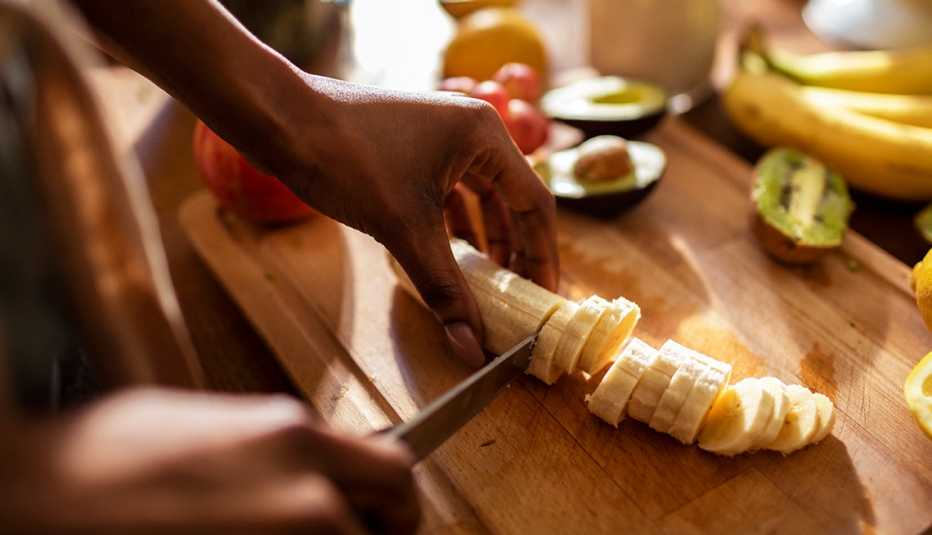
Foods to Avoid for Acid Reflux: If you’ve ever experienced that burning sensation in your chest after eating, you’re not alone. Millions of people suffer from acid reflux—a condition that occurs when stomach acid backs up into the esophagus. This seemingly small issue can cause big discomfort, especially when it becomes a frequent visitor at your dinner table. What you eat plays a major role in either aggravating or alleviating your symptoms. That’s why knowing the right and wrong foods can make all the difference.
In this guide, we’ll explore the foods you should avoid if you want to keep acid reflux at bay. Whether you’re dealing with mild heartburn or chronic gastroesophageal reflux disease (GERD), understanding how your diet affects your digestive health is a game-changer. So, grab a glass of water (not soda!) and let’s dive in.
Understanding Acid Reflux
Before you can fight acid reflux, it helps to understand what it actually is. Acid reflux happens when stomach acid flows backward into the esophagus. Normally, a muscular valve called the lower esophageal sphincter (LES) acts as a gatekeeper, preventing acid from going up. But when it weakens or relaxes at the wrong time, acid sneaks past and causes irritation.
Causes and Risk Factors
A wide range of factors can contribute to acid reflux, including:
- Eating large meals or lying down after a meal
- Being overweight or obese
- Smoking
- Pregnancy
- Certain medications like aspirin or ibuprofen
- Hiatal hernia
Common Symptoms
- Heartburn (burning in the chest)
- Regurgitation (a sour or bitter taste in the mouth)
- Bloating
- Nausea after eating
- Persistent cough or sore throat
Knowing the symptoms helps you detect acid reflux early. But more importantly, managing your diet is one of the most effective ways to reduce those unpleasant effects.
Why Diet Matters in Acid Reflux Management
You might be surprised how much your dinner plate can affect your chest pain. Certain foods can trigger the LES to relax or increase the production of stomach acid, both of which contribute to acid reflux. And sometimes, it’s not just what you eat, but how you eat it.
How Food Triggers Acid Reflux
Some foods are naturally acidic, while others stimulate excess acid production. High-fat foods slow digestion, leaving food in your stomach longer and increasing the chances of reflux.
The Role of the LES (Lower Esophageal Sphincter)
Think of the LES as the lid on a blender. If it’s loose or cracked open, the contents can spill out. Some foods—like chocolate and peppermint—actually cause the LES to relax, making it easier for acid to escape upward.
Food Timing and Portion Control
Eating too much, too fast, or too close to bedtime can all worsen acid reflux. Small, frequent meals and avoiding late-night snacking can help minimize symptoms.
Common Food Triggers to Avoid
Time to face the facts: some of your favorite foods might be the culprits behind that burning sensation. Let’s break down the top offenders.
Fatty and Fried Foods
Fried chicken, cheeseburgers, onion rings—they may taste amazing, but they’re your digestive system’s worst nightmare. High-fat foods sit longer in the stomach, increasing pressure and encouraging acid to move up into the esophagus.
Why They’re a Problem
Fat slows down digestion and stimulates the release of bile acids and gastric acid. It also relaxes the LES, creating the perfect storm for reflux.
Examples to Avoid
- French fries
- Fried chicken
- Fast food burgers
- Full-fat cheese
- Creamy sauces
- Bacon and sausage
Better Options
- Grilled chicken
- Baked vegetables
- Low-fat dairy
Fats aren’t bad entirely, but choose healthy fats like avocado or olive oil in moderation.
Spicy Foods
Ever noticed a burning feeling after a plate of spicy curry or hot wings? Spicy foods are notorious for triggering acid reflux. The active component, capsaicin, slows digestion and irritates the lining of the esophagus.
Common Culprits
- Chili peppers
- Hot sauce
- Spicy salsa
- Wasabi
- Curry
What to Eat Instead
- Mild herbs (like basil, oregano)
- Turmeric (anti-inflammatory)
- Ginger (natural soother)
It’s okay to add flavor—but skip the fire.
Citrus Fruits and Juices
Citrus fruits might be packed with vitamin C, but they’re also packed with acid—exactly what you don’t want if you’re dealing with acid reflux. Oranges, lemons, grapefruits, and even their juices can irritate the lining of the esophagus and increase acid production.
Why Citrus is a Problem
The acidity in citrus fruits can weaken the LES and cause a direct chemical irritation to the esophagus. If your digestive system is already sensitive, even a small glass of orange juice can bring on that familiar burning sensation.
Fruits to Avoid
- Oranges and orange juice
- Lemons and lemonade
- Grapefruit and grapefruit juice
- Limes and lime juice
Safer Alternatives
- Bananas
- Apples (non-acidic varieties like Gala or Fuji)
- Melons (like cantaloupe and honeydew)
- Pears
Citrus isn’t the enemy of health—it’s just bad news for reflux sufferers. Save it for your skin care routine instead.
Tomato-Based Products
Tomatoes are another healthy food that often causes acid reflux. They’re naturally acidic and commonly used in dishes like pasta, pizza, and chili—all of which are repeat offenders for heartburn.
Why Tomatoes Cause Reflux
Tomatoes contain both malic acid and citric acid, which significantly increase stomach acidity. On top of that, tomato-based dishes are often combined with other triggers like cheese, onions, or spices.
Foods to Limit or Avoid
- Marinara and spaghetti sauces
- Ketchup and barbecue sauce
- Salsa and pico de gallo
- Tomato soup
- Pizza with tomato sauce
Low-Acid Substitutes
- Roasted red pepper sauce
- Pesto (without garlic)
- Creamy avocado-based sauces
- Olive oil with herbs
If you’re not ready to give up tomatoes entirely, try using a low-acid tomato variety or reduce the portion size.
Chocolate
Yep, we’re about to break your heart—chocolate is a major trigger for acid reflux. It’s not just the caffeine content but also the theobromine and fat that spell trouble.
How Chocolate Triggers Reflux
Chocolate can relax the LES, making it easier for acid to creep up into the esophagus. Plus, most chocolate treats are high in fat and sugar, both of which contribute to slower digestion and more acid production.
Types of Chocolate to Avoid
- Milk chocolate bars
- Chocolate ice cream
- Chocolate cake or brownies
- Hot cocoa
Possible Replacements
- Carob (a chocolate substitute that doesn’t contain caffeine)
- Vanilla or fruit-based desserts
- Yogurt with honey and bananas
You don’t have to quit sweets—just find less acidic alternatives that won’t upset your stomach.
Caffeinated Beverages
Coffee lovers, brace yourselves. Caffeine is a known relaxer of the LES and a stimulant for stomach acid production. If you’re sipping multiple cups a day, that might be the reason for your persistent reflux.
Why Caffeine Worsens Acid Reflux
Caffeine stimulates gastric acid secretion and can reduce the pressure of the LES. This means more acid and an easier path for it to travel up the esophagus.
Drinks to Avoid
- Regular coffee
- Black and green tea (in excess)
- Energy drinks
- Certain soft drinks with added caffeine
Safer Beverage Options
- Herbal teas (like chamomile or ginger)
- Decaffeinated coffee (low-acid versions)
- Warm water with lemon balm
- Alkaline water
Want your morning coffee? Try a small cup of low-acid decaf and monitor your body’s response.
Carbonated Drinks
Fizzy drinks might feel refreshing, but they’re anything but soothing to your digestive system. Carbonated beverages introduce gas into the stomach, increasing pressure and pushing acid upward.
The Gas Problem
The bubbles in carbonated drinks can cause bloating, belching, and a buildup of pressure in the stomach. That pressure can cause the LES to open, leading to acid reflux.
Drinks to Watch Out For
- Soda (cola, root beer, citrus-flavored)
- Sparkling water with added flavors
- Beer (double trouble: carbonation + alcohol)
- Champagne
What to Sip Instead
- Flat water with cucumber or mint
- Coconut water (unsweetened)
- Aloe vera juice (acid-neutralizing)
You don’t need bubbles to enjoy a drink. Still beverages are your safest bet.
Alcohol
Alcoholic beverages are a double-edged sword when it comes to acid reflux. Not only can they relax the LES, but they also increase stomach acid production and can irritate the lining of the esophagus.
How Alcohol Triggers Reflux
Ethanol in alcohol directly affects the functioning of the LES and reduces esophageal motility. Alcohol also slows down digestion and can cause inflammation.
Alcoholic Drinks to Limit or Avoid
- Red and white wine
- Beer
- Cocktails with citrus or carbonation
- Hard liquors (vodka, whiskey, etc.)
Tips for Occasional Drinking
- Stick to small amounts
- Avoid drinking on an empty stomach
- Choose less acidic mixers (like coconut water or herbal tea)
A glass of wine with dinner isn’t the end of the world—but moderation is key if you’re prone to acid reflux.
Onions and Garlic
These kitchen staples are flavor powerhouses, but they can also be acid reflux triggers. Both onions and garlic can cause digestive upset and increase acid production.
Why They’re Problematic
Raw onions are especially irritating to the esophagus and can lead to bloating, which increases abdominal pressure. Garlic, while healthy, can also trigger reflux in sensitive individuals.
Forms to Avoid
- Raw onions (especially red and white)
- Garlic in large amounts
- Onion or garlic powder in processed foods
Gentler Flavor Options
- Cooked onions (in moderation)
- Chives
- Fennel
- Basil or parsley
Cooking these ingredients can sometimes reduce their reflux-inducing potential, but for many people, even a little is too much.
Peppermint and Mint Products
Peppermint is often praised for its soothing effect on the stomach—but not for those with acid reflux. In fact, peppermint relaxes the LES, which is exactly what you don’t want.
The Mint Paradox
While peppermint tea can ease bloating and gas, it also lowers LES pressure. That means more acid in your esophagus, especially if consumed after a meal.
What to Avoid
- Peppermint gum
- Mint candies
- Peppermint oil or tea
- Toothpaste or mouthwash with strong mint
Safer Fresheners and Teas
- Ginger tea
- Fennel tea
- Fruit-flavored gum (without mint)
Even when it’s not food, mint-flavored products can sneakily trigger your reflux.
Other Lifestyle-Related Dietary Factors
Diet alone isn’t always to blame for acid reflux—how and when you eat matters just as much as what you eat. Many people overlook simple habits that can make a big difference in their digestive health. It’s time to talk about mealtime behavior and how your daily routine might be triggering that familiar burning in your chest.
Eating Large Meals
When you overeat, your stomach stretches. This added volume increases pressure on the lower esophageal sphincter (LES), making it easier for stomach acid to sneak into the esophagus. Think of it like overfilling a water balloon—something’s bound to leak.
- Tip: Opt for smaller, more frequent meals rather than three heavy ones.
- Watch your portions: Avoid second servings and heavy, creamy dishes.
Lying Down After Eating
Your body needs gravity to keep acid in the stomach. When you lie down flat—especially after a heavy meal—acid has an easier path to flow upward.
- Tip: Wait at least 2–3 hours after eating before lying down or sleeping.
- Pro tip: Elevate the head of your bed by 6–8 inches to keep acid down at night.
Late-Night Snacking
Midnight snacks might be comforting, but they’re one of the worst things you can do if you suffer from reflux. Your body slows digestion at night, and without gravity to help, acid is more likely to rise.
- Tip: Finish your last meal at least 3 hours before bedtime.
- Smart snack swaps: If you must snack, choose something low-acid like a banana or oatmeal.
Breaking these small habits could be the biggest step you take in managing acid reflux naturally.
Best Practices for Managing Acid Reflux Through Diet
You’ve already seen which foods to avoid, but what about forming better habits overall? Managing acid reflux requires a holistic approach—not just eliminating triggers, but replacing them with safe alternatives and smart eating habits.
Portion Control is Key
You don’t need to starve yourself, but you do need to watch your intake.
- Eat until you’re 80% full, not stuffed.
- Use smaller plates to naturally reduce portion sizes.
- Chew slowly and eat mindfully—rushing through meals leads to overeating.
Meal Planning Tips
The more prepared you are, the easier it is to make smart food choices.
- Plan meals in advance, especially if you’re busy.
- Avoid processed convenience foods—they often contain hidden acids and fats.
- Keep healthy snacks on hand, like rice cakes, boiled eggs, or cucumber slices.
Safe Cooking Methods
How you cook your food matters just as much as what you’re cooking.
- Choose grilling, baking, steaming, or poaching over frying.
- Use minimal oil, and stick to heart-healthy options like olive or avocado oil.
- Avoid spicy seasonings—opt for gentle herbs like parsley, dill, or turmeric.
These strategies help create a sustainable diet that supports digestion and prevents reflux flare-ups.
Foods That Help Alleviate Acid Reflux
Good news: not all foods are the enemy. In fact, certain ingredients can help soothe your stomach, reduce acid, and strengthen the LES. It’s all about balance—avoiding triggers while leaning into these reflux-friendly options.
Low-Acid Fruits and Vegetables
- Bananas
- Melons (honeydew, cantaloupe)
- Broccoli
- Kale
- Green beans
- Carrots
These are easy to digest and full of fiber, which helps regulate the digestive system and keep acid levels under control.
Lean Proteins and Whole Grains
- Grilled chicken or turkey
- Oatmeal
- Brown rice
- Quinoa
- Tofu
- Lentils
Protein is essential, but it’s important to get it from lean, non-fatty sources. Whole grains provide fiber without increasing acid levels.
Herbal Teas and Alkaline Water
- Ginger tea (natural anti-inflammatory)
- Chamomile tea (soothing to the digestive tract)
- Alkaline water (neutralizes stomach acid)
Be cautious with herbal teas though—avoid those containing mint or citrus additives.
Incorporating these foods into your diet can help manage symptoms and improve overall gut health.
Sample 1-Day Meal Plan for Acid Reflux Sufferers
To make all this information more practical, here’s a full-day acid reflux-friendly meal plan. Each meal is designed to be low in fat, low in acid, and easy on your digestive system.
Breakfast
- Oatmeal topped with banana slices and a drizzle of honey
- A cup of chamomile tea or warm water with a splash of apple cider vinegar (optional)
Morning Snack
- A handful of unsalted almonds
- A slice of whole-grain toast with almond butter
Lunch
- Grilled chicken breast with steamed green beans and sweet potatoes
- A glass of coconut water
Afternoon Snack
- Sliced melon with a dollop of Greek yogurt (plain, non-fat)
Dinner
- Baked salmon with quinoa and roasted carrots
- Herbal tea or room-temperature water
Evening Tip
Stop eating by 7 PM, and avoid lying down immediately after dinner. If needed, take a short walk to aid digestion.
This plan is just a starting point—feel free to customize it based on your preferences and symptoms.
When to See a Doctor for Acid Reflux
While occasional heartburn is common, frequent acid reflux can be a sign of a more serious issue like GERD (Gastroesophageal Reflux Disease). Left untreated, it may lead to complications such as esophagitis, ulcers, or even esophageal cancer.
Warning Signs That Require Medical Attention
- Heartburn more than twice a week
- Difficulty swallowing
- Persistent coughing or wheezing
- Chest pain not related to heart problems
- Unexpected weight loss
Don’t self-diagnose—if symptoms persist, see a gastroenterologist for a proper evaluation. Medications, lifestyle adjustments, or even surgery might be needed in more severe cases.
FAQs about Foods to Avoid for Acid Reflux
1. Can I ever eat spicy food again if I have acid reflux?
It depends on your sensitivity. Some people can tolerate mild spices in small amounts. If you’re symptom-free for a while, try reintroducing a small portion and monitor how your body reacts.
2. Is decaf coffee safe for acid reflux?
Decaf is a better option than regular coffee, but it can still contain small amounts of acid and caffeine. Look for low-acid decaf blends and limit intake.
3. Are there any safe desserts for people with acid reflux?
Yes! Try baked apples, banana-based smoothies, or oatmeal cookies made with low-fat ingredients. Avoid chocolate and high-fat creams.
4. How long after eating should I wait before lying down?
You should wait at least 2–3 hours after a meal before lying down. This allows food to move through the stomach and reduces pressure on the LES.
5. Does drinking water help acid reflux?
Absolutely. Water can help dilute stomach acid and wash it down the esophagus. But avoid drinking large amounts during meals, which can bloat the stomach and trigger reflux.
Conclusion
Acid reflux isn’t just a minor inconvenience—it’s a real medical condition that can significantly impact your quality of life. The good news? With the right dietary changes and lifestyle habits, it’s completely manageable.
By avoiding common trigger foods like fatty meals, citrus fruits, chocolate, and carbonated drinks—and replacing them with reflux-friendly alternatives—you can take control of your symptoms naturally. Remember, what works for one person might not work for another, so keep a food diary and listen to your body.
Managing acid reflux is a journey, not a sprint. But with small, consistent changes, you’ll be well on your way to calmer digestion and a more comfortable life.