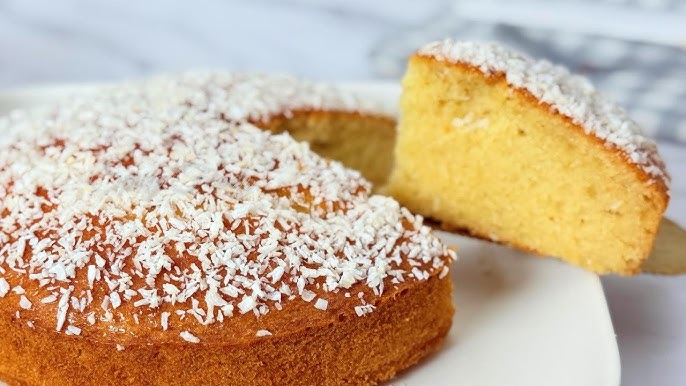
Fluffy Vanilla Cake Recipe: Nothing beats a light, fluffy, and perfectly sweet vanilla cake. It’s the kind of dessert that makes any occasion feel special—whether it’s a birthday, celebration, or just a cozy afternoon craving.
In this complete step-by-step guide, you’ll learn how to bake a soft, moist vanilla cake with the perfect crumb texture, every single time.
We’ll walk through the ingredients, tools, tips, and baking techniques to make this foolproof and fabulous vanilla cake recipe your new favorite.
Why This Vanilla Cake Recipe Is a Must-Try
What’s so special about this recipe? It’s simple—but powerful. Many vanilla cakes can end up dry or bland. This one isn’t just moist; it’s melt-in-your-mouth good. Plus, it has the kind of texture that makes people think you’ve been to pastry school. It uses pantry staples, no fancy ingredients, and is perfect for layering, frosting, or eating just as it is.
This cake isn’t too sweet or too dense. It balances flavor and fluffiness to a tee. Whether you’re a beginner baker or a pro, this vanilla cake is nearly failproof with the right technique. And once you master this, you’ve basically unlocked the base for hundreds of other cake creations!
What Makes a Vanilla Cake Fluffy?
The secret to a fluffy vanilla cake lies in the ingredients and the method. It’s not just about what you put in but how you mix them together.
Here are a few key factors:
- Creaming Butter and Sugar Properly: This introduces air into the batter, helping it rise and giving it a lighter texture.
- Room Temperature Ingredients: These blend better, leading to a smoother batter and more even baking.
- Using Cake Flour Instead of All-Purpose Flour: Cake flour is softer and results in a tender crumb.
- Not Overmixing the Batter: Overmixing can lead to a dense cake due to too much gluten development.
- Baking Powder and Baking Soda: These leavening agents create the rise and fluffiness we’re after.
We’ll talk through each of these steps in more detail as we walk through the process.
Tools You’ll Need for Baking
Before you start baking, get all your tools in place. Here’s what you’ll need:
- Mixing bowls (at least two)
- Electric mixer or stand mixer
- Measuring cups and spoons
- Rubber spatula
- Whisk
- 8-inch or 9-inch cake pans (2)
- Cooling rack
- Sifter or fine mesh sieve
- Parchment paper
- Cake knife or offset spatula
Having your tools ready will make the process smoother and help you stay focused while baking.
List of Ingredients You’ll Need
Getting your ingredients right is key. Here’s a complete list of everything you’ll need for the cake:
Basic Dry Ingredients
- 2½ cups cake flour (or substitute all-purpose flour sifted with cornstarch)
- 2½ teaspoons baking powder
- ½ teaspoon baking soda
- ½ teaspoon salt
Wet Ingredients
- 1 cup unsalted butter (room temperature)
- 1¾ cups granulated sugar
- 4 large eggs (room temperature)
- 1 tablespoon pure vanilla extract
- 1 cup whole milk (room temperature)
- ½ cup sour cream (room temperature)
Optional Add-ins for Flavor
- 1 teaspoon almond extract (for a subtle nutty flavor)
- Zest of 1 lemon or orange (for a citrus kick)
Quality matters! Try to use real vanilla extract, organic eggs, and high-fat butter for the richest flavor.
Tips for Choosing High-Quality Ingredients
When it comes to baking, quality really does make a difference. For example, using real vanilla extract (not imitation) brings out that rich, aromatic vanilla flavor you can’t fake. European-style butter has a higher fat content and can result in a more tender cake. And always check that your baking powder and baking soda are fresh—expired leaveners can totally ruin a bake.
How to Properly Measure Your Ingredients
Measuring accurately is crucial. Always spoon your flour into the measuring cup and level it off with a knife instead of scooping—it helps avoid packing too much flour, which can dry out your cake. Use a kitchen scale if you want even more accuracy. Also, crack your eggs into a separate bowl first to avoid shells in the batter.
Step-by-Step Guide to Making Fluffy Vanilla Cake
Let’s walk through the actual baking process now.
Step 1: Preparing Your Equipment
Preheat your oven to 180°C (350°F). Grease and line your cake pan with parchment paper. Bring butter, eggs, and milk to room temperature—this helps everything mix smoothly and creates a lighter cake.
Step 2: Mixing the Dry Ingredients
In a bowl, sift together all-purpose flour, baking powder, and a pinch of salt. Sifting removes lumps and adds air, which is essential for a fluffy texture. Set aside.
Step 3: Creaming Butter and Sugar
In a large bowl, beat softened butter and sugar together until pale, light, and fluffy. This step incorporates air into the batter and is key to a soft cake crumb. Take your time—about 3–5 minutes.
Step 4: Adding Eggs and Vanilla
Add eggs one at a time, beating well after each addition. This prevents curdling and ensures even structure. Mix in vanilla extract for classic flavor.
Step 5: Combining Wet and Dry Mixtures
Add the dry ingredients to the batter in batches, alternating with milk. Begin and end with the dry ingredients. Gently fold or mix on low speed until just combined—overmixing will make the cake dense.
Step 6: Baking the Cake
Pour the batter into the prepared pan and smooth the top. Bake for 30–35 minutes, placing the pan on the middle oven rack for even heat distribution.
Step 7: Checking for Doneness
Insert a toothpick into the center of the cake. If it comes out clean or with a few crumbs, the cake is done. Let the cake cool in the pan for 10 minutes, then transfer to a wire rack to cool completely.
Your fluffy vanilla cake is now ready to enjoy or decorate! 🍰
How to Cool and Remove the Cake from the Pan
Once your cakes are baked to golden perfection, it’s tempting to flip them out immediately—but patience is key here.
- Cool in the pan for about 10–15 minutes. This gives the cake time to firm up slightly and makes it easier to handle without falling apart.
- Use a thin knife or offset spatula to gently loosen the edges of the cake from the pan.
- Carefully invert the cake onto a wire cooling rack. If you used parchment paper on the bottom, it should release cleanly.
- Let it cool completely (yes, completely!) before frosting or stacking.
Why the wait? A warm cake can melt buttercream or slip apart if layered. Cooling ensures structure and keeps your frosting intact.
How to Make Simple Vanilla Buttercream Frosting
Now that your cake is cool, it’s time to bring it all together with a rich, creamy vanilla buttercream. This is the classic frosting everyone loves—and it’s super easy to make.
Ingredients:
- 1 cup unsalted butter (room temperature)
- 3½ cups powdered sugar (sifted)
- 1 tablespoon pure vanilla extract
- 2–3 tablespoons heavy cream or milk
- Pinch of salt
Instructions:
- Beat the butter on medium-high speed for 3–4 minutes until light and fluffy.
- Gradually add in powdered sugar, 1 cup at a time, beating well after each addition.
- Add vanilla, salt, and 2 tablespoons of cream or milk. Beat until smooth.
- If too thick, add a bit more cream. If too thin, add more sugar.
Optional: Add a tiny bit of gel food coloring for a fun twist!
Decorating Tips for a Professional Finish
You don’t have to be a pro to make your cake look bakery-worthy. Here are some easy tips to level up your presentation:
- Level your cake layers with a serrated knife to make them even.
- Apply a crumb coat (a thin layer of frosting) and chill for 20 minutes before the final frosting layer.
- Use an offset spatula for smooth, clean edges.
- Add sprinkles, fresh berries, edible flowers, or a cake topper for a personal touch.
- Pipe borders with a star tip for a decorative edge.
Remember: practice makes perfect, and even a slightly messy homemade cake still tastes amazing!
Storage Tips to Keep Your Cake Fresh
Freshness is everything. Whether you’re saving leftovers or prepping ahead, here’s how to store your vanilla cake the right way:
- Unfrosted layers can be wrapped in plastic wrap and kept at room temperature for up to 2 days or frozen for up to 3 months.
- Frosted cakes can be stored at room temperature in a cake dome or airtight container for 2–3 days.
- If your home is warm, refrigerate the cake to keep the buttercream stable—just let it come to room temperature before serving.
Pro tip: Don’t store your cake uncovered in the fridge—it’ll dry out quickly. Always wrap or seal it.
Common Mistakes to Avoid
Even the best bakers make mistakes sometimes. Here are a few pitfalls to watch for:
- Using cold ingredients: This leads to uneven mixing and a dense texture.
- Overmixing the batter: It activates too much gluten, making the cake tough.
- Opening the oven too early: This causes the cake to sink.
- Skipping the sifting step: Lumpy flour = lumpy batter.
- Not preheating your oven: Temperature is everything in baking.
Stick to the steps, don’t rush the process, and you’ll be golden—literally and figuratively.
Gluten-Free or Vegan Variations
Want to make it friendly for all diets? No problem!
Gluten-Free Option:
- Replace cake flour with a high-quality gluten-free flour blend that includes xanthan gum.
- Follow the same steps exactly, but keep an eye on texture—it may need a splash more liquid.
Vegan Option:
- Use vegan butter instead of regular.
- Replace eggs with unsweetened applesauce (¼ cup per egg) or flax eggs.
- Use a non-dairy milk like almond, soy, or oat milk.
- Choose a plant-based sour cream or make a “buttermilk” by adding lemon juice to non-dairy milk.
Just be sure to taste as you go—vegan and GF baking sometimes need a little extra love (and testing!).
Serving Suggestions
This vanilla cake is a blank canvas for creativity. Try it:
- With fresh strawberries and whipped cream
- Topped with chocolate ganache
- Served warm with a scoop of vanilla ice cream
- Layered with fruit preserves for a fruity twist
- As a base for a beautiful birthday or wedding cake
No matter how you slice it, it’s a classic that pleases everyone.
FAQs about Fluffy Vanilla Cake Recipe
1. Can I use this recipe to make cupcakes instead of a whole cake?
Yes! This recipe makes about 24 cupcakes. Bake at 350°F (175°C) for 18–20 minutes.
2. What’s the best substitute if I don’t have sour cream?
Plain Greek yogurt works great and offers the same moisture and tang.
3. Can I freeze the cake layers for later?
Absolutely. Wrap cooled layers tightly in plastic wrap and foil, then freeze for up to 3 months.
4. Why is my cake dry?
Dry cake usually comes from too much flour or overbaking. Be sure to measure accurately and test doneness with a toothpick.
5. How long will this cake stay fresh?
At room temperature, it stays fresh for about 2–3 days. Refrigerated, it can last up to 5 days.
Conclusion
There you have it—a complete, foolproof guide to baking the fluffiest, most delicious vanilla cake from scratch. It’s rich, tender, and versatile, perfect for both special occasions and casual desserts. With the right ingredients, some patience, and a little bit of love, you’ll have a cake that wows your family and friends every time.
Whether you’re a seasoned baker or a total newbie, this recipe is the perfect place to start. Now, preheat that oven and get baking—your taste buds will thank you.