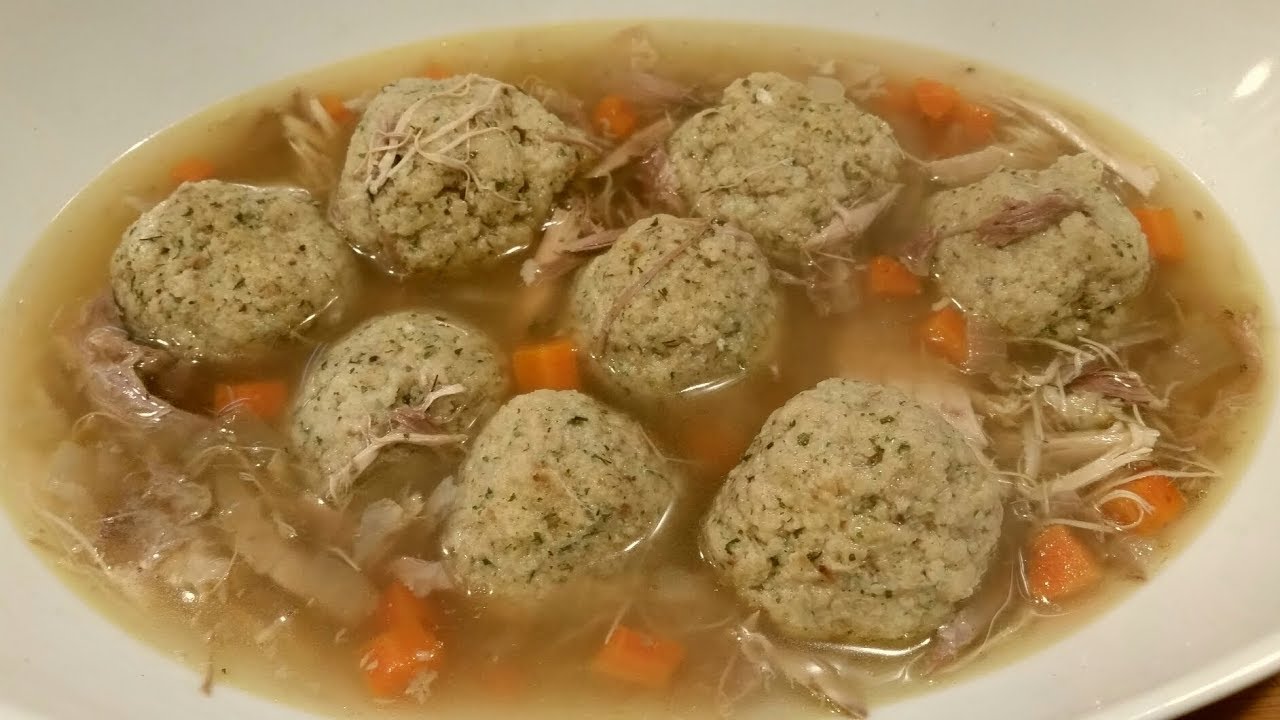
Floater Matzo Balls Recipe: Matzo balls are a cornerstone of traditional Jewish cuisine, often served in a warm bowl of chicken soup that brings comfort and nostalgia to many. But not all matzo balls are created equal. Some are dense and heavy, known as “sinkers,” while others float delicately in broth—light, fluffy, and perfect. We’re talking about floater matzo balls, and if you’ve ever wanted to make them at home like a pro, you’re in the right place.
So, what’s the secret? The technique, ingredients, and just a touch of patience. This guide will walk you through exactly how to make floater matzo balls step-by-step, so even if you’re a beginner, you’ll get pro-level results.
Let’s dive into everything you need to know to make the fluffiest, most flavorful matzo balls that float like magic every time.
List of Ingredients You’ll Need
To make the perfect floater matzo balls, you only need a handful of simple ingredients. The secret lies in how you put them together. Here’s what you’ll need:
- 1 cup matzo meal – This is the base. Make sure it’s fresh and not clumpy.
- 4 large eggs – Room temperature works best for mixing evenly.
- 1/4 cup schmaltz (rendered chicken fat), vegetable oil, or melted butter – Schmaltz gives the most traditional and rich flavor.
- 1/4 cup seltzer water – This is the magic ingredient for fluffiness.
- 1 teaspoon salt – For flavor.
- 1/2 teaspoon pepper – Black or white, depending on taste.
- Optional spices: Garlic powder, onion powder, dill – These can add layers of flavor.
- Fresh herbs (like dill or parsley) – For garnishing and freshness.
- Chicken broth or soup – To serve your matzo balls in later.
That’s it! These ingredients might be simple, but trust me—they come together to create something incredibly delicious.
Understanding the Basics: What Are Floater Matzo Balls?
Matzo balls (also called knaidlach) are made from matzo meal, eggs, fat, and liquid. When prepared right, floater matzo balls puff up and float atop your soup like little fluffy clouds. But getting them to float is both an art and a science.
Floaters are the light, airy cousin of the dense sinkers. They don’t sit at the bottom of your bowl like a rock; they hover gently in the broth, soaking in all that delicious soup flavor while remaining tender inside.
What makes a matzo ball float instead of sink? It all comes down to:
- The ratio of liquid to matzo meal
- The type of fat you use
- Whether you incorporate air into the mixture
- Letting the dough chill
- Simmering instead of boiling
In short: treat your mixture with care, don’t overwork it, and give it time to rest. These small actions make a huge difference in the texture of your final product.
Why Use Seltzer Water Instead of Regular Water?
Let’s talk about the not-so-secret weapon of floater matzo balls: seltzer water.
Seltzer adds carbonation, and that means air. More air = more fluffiness. When the matzo ball mixture incorporates bubbles from the seltzer, the balls puff up in the hot broth as they cook. This doesn’t just help them float—it gives them a light, cloud-like texture that’s the hallmark of a floater.
If you only have still water on hand, you can use it, but you won’t get the same airy result. Some cooks even swear by club soda (which contains sodium bicarbonate) for extra leavening power.
Bottom line: if you want floater matzo balls, use seltzer. It’s the difference between a good matzo ball and a great one.
Step-by-Step Guide to Making Floater Matzo Balls
Now that we’ve covered the ingredients and theory, let’s roll up our sleeves and make some matzo balls! Follow these steps carefully for the best results.
Step 1: Gather Your Ingredients
Always start by getting everything together. You don’t want to be scrambling for seltzer once your eggs are mixed!
Step 2: Mix the Wet Ingredients First
In a mixing bowl, whisk the eggs until light and frothy. Add your fat (schmaltz, oil, or butter) and seltzer water. Mix until everything is well combined.
Step 3: Incorporate the Dry Ingredients
In a separate bowl, combine your matzo meal, salt, pepper, and any optional spices. Slowly stir the dry mix into the wet ingredients. Don’t overmix—just combine gently until you get a thick batter-like consistency.
Step 4: Chill the Mixture
Cover the bowl and let it chill in the refrigerator for at least 30 minutes. This allows the matzo meal to absorb the liquid and firm up, which helps the balls hold their shape during cooking.
Step 5: Shape the Matzo Balls
Wet your hands (to prevent sticking) and gently roll the mixture into balls about the size of a walnut. Don’t pack them tightly! Loose shaping = lighter texture.
Step 6: Boil Water and Lower to a Simmer
Bring a large pot of salted water (or broth) to a boil, then reduce to a gentle simmer. A hard boil can cause your matzo balls to fall apart or become tough.
Step 7: Cook the Matzo Balls
Drop your matzo balls into the simmering water. Cover the pot and let them cook for 30–40 minutes. Do not lift the lid during the first 20 minutes—steam helps with fluffiness.
Step 8: Test for Doneness
Your matzo balls should be floating and have expanded to nearly double in size. Cut one open to make sure the center is cooked through and not doughy.
Step 9: Transfer to Soup
Once they’re done, gently scoop them out and transfer them directly into a warm pot of chicken soup—or your broth of choice.
Tips for Perfectly Fluffy Matzo Balls
Let’s be real—getting that perfectly fluffy texture isn’t just about tossing ingredients into a bowl and hoping for the best. There are a few pro-level tricks that’ll seriously elevate your floater game. These aren’t optional—they’re essential if you want matzo balls that float like they’re on a cloud.
1. Don’t overwork the mixture
The biggest rookie mistake? Overmixing. Stir gently just until everything comes together. The more you handle the dough, the more dense your matzo balls will be. Think “light touch.”
2. Always chill the batter
Skipping the chill time is a fast track to failure. Letting the mixture rest allows the matzo meal to fully absorb the liquid, giving your matzo balls the structure they need to hold together while still staying light.
3. Keep your hands wet when shaping
This helps prevent sticking and also keeps the surface of the balls smooth. Remember—don’t roll them tightly. Loosely formed balls puff up better.
4. Simmer, don’t boil
Boiling can make matzo balls fall apart or become rubbery. A gentle simmer is ideal—it allows them to cook slowly and evenly while keeping their tender texture intact.
5. Cover while cooking
Steam plays a huge role in fluffing up your matzo balls. Keep the pot covered for at least the first 20 minutes to trap that moisture in.
These small techniques go a long way in making sure your matzo balls aren’t just floaters—they’re perfect floaters.
Common Mistakes to Avoid
Even experienced cooks can run into trouble with matzo balls if they skip the basics. Avoid these common pitfalls to make sure your efforts result in those glorious, fluffy floaters:
Overmixing the batter
This can’t be stressed enough—overmixing leads to tough, dense matzo balls. Once your ingredients are combined, stop stirring. Trust the process.
Skipping the chill time
Trying to rush through without letting the batter chill will leave you with sticky, hard-to-shape balls that might fall apart in the pot.
Forming balls that are too tight
You don’t need to compact these like meatballs. Gently rolled, loosely packed matzo balls expand more and cook evenly.
Boiling too hard
High heat can cause the balls to disintegrate. Simmer on low-medium and keep the pot covered for fluffier results.
Using too little fat
Fat adds richness and helps with texture. Don’t skimp on the oil or schmaltz—your matzo balls will thank you.
Cooking for too little time
If you cut corners on cook time, you might end up with a raw center. Let them go for the full 30–40 minutes.
By steering clear of these mistakes, you’re setting yourself up for matzo ball greatness every single time.
Optional Add-ins for Extra Flavor
Want to give your matzo balls a personal twist? While the traditional recipe is tried-and-true, you can absolutely level it up with some optional add-ins. These ingredients bring depth and personality to your dish without messing with the fluffy texture.
Fresh herbs
Chopped dill, parsley, or chives add a pop of color and fresh flavor. Fold them into the batter just before shaping.
Grated onion or garlic
For savory depth, try adding a teaspoon or two of grated onion or garlic into the wet mix. Just be sure to grate finely so it blends easily and doesn’t weigh the dough down.
Spices
Ground white pepper, paprika, garlic powder, and onion powder are all fair game. Just use a light hand—you don’t want to overpower the delicate flavor.
Schmaltz
If you’re not using schmaltz already, this is your sign. It adds an unmistakable, savory richness that can’t be replicated with oil alone.
Zest or a pinch of nutmeg
Some home chefs swear by a touch of lemon zest or nutmeg for that hidden “what’s that?” element.
These enhancements can take your matzo balls from basic to unforgettable. Just remember: balance is key. The star of the show is still that fluffy, floaty texture.
Can You Make Matzo Balls in Advance?
Absolutely. In fact, making matzo balls ahead of time is a total game-changer—especially if you’re cooking for a big holiday dinner or just want to get ahead on meal prep.
Here are a few make-ahead tips:
Refrigerate the Batter
You can mix your batter and refrigerate it up to 24 hours in advance. Some even say an overnight chill gives better results because the matzo meal fully absorbs the liquid.
Cooked Matzo Balls Can Be Stored
Once cooked, matzo balls can be stored in an airtight container in the refrigerator for up to 4–5 days. Keep them separate from the soup to avoid sogginess.
Reheating Tips
To reheat, gently warm the matzo balls in simmering broth or water for 10–15 minutes. Avoid microwaving, which can make them rubbery.
Freezing? Totally Doable.
Want to freeze them? Place cooked matzo balls on a baking sheet to freeze individually, then transfer to a freezer bag. They’ll keep for up to 3 months. When ready to use, drop frozen matzo balls directly into hot broth and simmer until heated through.
Advance prep doesn’t just save time—it makes you look like a kitchen wizard.
Serving Suggestions
Matzo balls are famously paired with chicken soup, but that’s just the beginning. Let’s look at a few serving ideas to jazz up your presentation and flavor profile.
Classic Chicken Soup
This is the traditional route. Use homemade chicken broth, load it up with carrots, celery, and onion, and float your matzo balls right on top.
Vegetarian Broth Options
Not eating meat? No problem. Use a rich vegetable broth with roasted garlic and mushrooms for a hearty, flavor-packed alternative.
Matzo Ball Sliders
Yes, seriously. Cut your cooked matzo balls in half and sandwich them with a slice of brisket or roasted veggies. It’s fun, unexpected, and delicious.
With Roasted Veggies
Serve matzo balls with a medley of roasted root vegetables and a ladle of herbed broth for a comforting, rustic meal.
Garnishes Make a Difference
Top your soup with fresh dill, parsley, or a squeeze of lemon for brightness. A drizzle of schmaltz? Even better.
There’s no one way to serve matzo balls—get creative and make it yours.
Gluten-Free or Vegan Alternatives
Good news—matzo balls aren’t just for those who eat everything. With a few thoughtful swaps, you can make gluten-free or vegan floater matzo balls that still taste amazing and float beautifully. Let’s break down how to make your recipe suit different dietary needs without sacrificing flavor or texture.
Gluten-Free Matzo Balls
The key to gluten-free matzo balls is gluten-free matzo meal. You can find it in most grocery stores around Passover, or you can make your own by grinding gluten-free matzo sheets into a fine meal using a food processor.
Here are a few tips:
- Use the same amount of gluten-free matzo meal as regular.
- Add an extra tablespoon of seltzer if the batter feels too dense.
- Chill the mixture longer—up to 1 hour—to ensure it binds properly.
- Test one matzo ball in simmering water before forming the rest. This lets you adjust the mixture if needed.
Vegan Matzo Balls
No eggs? No schmaltz? No problem. You can still get fluffy, satisfying matzo balls by using plant-based alternatives.
Here’s how to veganize the recipe:
- Egg replacement: Use a combination of flax eggs (1 tbsp ground flax + 3 tbsp water per egg, let sit 5 minutes). For 4 eggs, that’s 4 tbsp ground flax + 12 tbsp water.
- Fat replacement: Use a neutral oil or vegan butter for richness.
- Add a teaspoon of baking powder for lift (especially helpful without eggs).
- Stick to the same chilling and simmering technique.
You won’t get the exact same flavor as the traditional version, but the texture can come very close, and they’ll float just fine if handled with care.
Going gluten-free or vegan doesn’t mean giving up on comfort food. With a few tweaks, you can still enjoy the cozy, nostalgic goodness of matzo ball soup—your way.
How to Store and Freeze Matzo Balls
Once you’ve made a batch (or three) of floater matzo balls, you might wonder: Can I save these for later? Absolutely. Here’s your guide to storing and freezing them so they stay fresh and fluffy.
Storing in the Fridge
- Uncooked batter: Keep it in a tightly covered bowl in the fridge for up to 24 hours.
- Cooked matzo balls: Store in an airtight container, separate from soup, for up to 4–5 days. Storing them in broth can make them mushy.
Freezing Matzo Balls
Freezing is a great option if you made a big batch or want to prep ahead for holidays.
- Cook first, then freeze: Let them cool, then place on a parchment-lined baking sheet so they don’t stick together.
- Freeze for 1–2 hours, then transfer to a freezer-safe bag or container.
- Label with the date and use within 3 months for best quality.
Reheating Frozen Matzo Balls
- Do not thaw first.
- Drop frozen balls directly into simmering broth and heat gently for 20–25 minutes.
- Avoid microwaving—they can become tough or rubbery.
With proper storage, you can enjoy matzo balls anytime—whether it’s a weeknight dinner or a special holiday meal.
What to Serve with Matzo Ball Soup
Matzo ball soup is a star on its own, but if you’re serving it as part of a larger meal, here are some classic and creative pairings to round out the experience.
Traditional Sides
- Brisket: Slow-cooked, tender, and full of flavor. A must for many Jewish holidays.
- Kugel: A sweet or savory baked noodle pudding that complements soup beautifully.
- Challah: Soft, eggy bread—perfect for dipping.
- Latkes: Crispy potato pancakes are always a crowd-pleaser.
Lighter Pairings
- Simple green salad with lemon vinaigrette to balance the richness of the soup.
- Roasted carrots or beets for a touch of sweetness.
- Steamed green beans or asparagus with olive oil and lemon.
Modern Twists
- Everything bagel crisps or matzo crackers for crunch on the side.
- Herbed quinoa salad or couscous with vegetables if you want to mix in global flavors.
- Grilled tofu or tempeh for a plant-based protein boost.
Whether you go old-school or mix it up, matzo ball soup plays well with just about everything.
Matzo Balls for Holidays and Special Occasions
Matzo balls aren’t just food—they’re tradition. Especially during Passover, they take center stage as part of the seder meal. But their comfort and versatility make them perfect for many occasions throughout the year.
Passover
- Serve matzo ball soup as the first course of your seder meal.
- Use kosher-for-Passover matzo meal.
- For added tradition, use schmaltz and homemade chicken broth.
Rosh Hashanah
- Start the New Year with a comforting bowl of matzo ball soup, paired with sweet roasted apples and honey-drizzled veggies.
Hanukkah
- Mix up your latke night by starting with a warm bowl of soup—it’ll balance out the fried treats.
Shabbat Dinners
- Impress your guests with matzo balls in a rich golden broth, garnished with fresh dill and a drizzle of schmaltz.
Fun Celebrations or Cold Days
- You don’t need a holiday to enjoy matzo balls. Cold day? Sick family member? Cozy night in? This dish is like a warm hug in a bowl.
Matzo balls are more than just a food—they’re a celebration of culture, family, and love.
FAQs about Floater Matzo Balls Recipe
1. Why did my matzo balls sink?
Most likely, the batter was overmixed, not chilled, or too dense. Using seltzer, chilling the mixture, and simmering gently all help your matzo balls float.
2. How do I make matzo balls fluffy without seltzer?
If you don’t have seltzer, use club soda or even a bit of baking powder (1/2 tsp) to introduce air into the batter. It’s not quite the same, but it helps!
3. Can I bake instead of boil matzo balls?
Baking isn’t recommended. Matzo balls need moist heat to cook properly and achieve the fluffy texture. Stick to simmering in water or broth.
4. What is schmaltz and why use it?
Schmaltz is rendered chicken fat, a traditional fat used in Jewish cooking. It adds a rich, savory flavor that oil or butter can’t match.
5. Are matzo balls healthy?
They can be! It depends on your ingredients. Using vegetable oil, whole-grain matzo meal, and low-sodium broth can make them a more balanced option.
Conclusion
Making the perfect floater matzo balls might seem intimidating at first, but once you understand the techniques, it becomes second nature. From choosing the right ingredients (hello, seltzer!) to gently shaping and simmering, every step builds toward that moment when your matzo balls rise to the top of the broth—fluffy, flavorful, and totally satisfying.
Whether you’re cooking for a holiday, feeding your family on a weeknight, or simply craving comfort food with deep roots, this recipe has you covered. Don’t be surprised when your guests ask for seconds—or for the secret to your floaters.
Now that you’ve got the knowledge, go make some matzo ball magic.