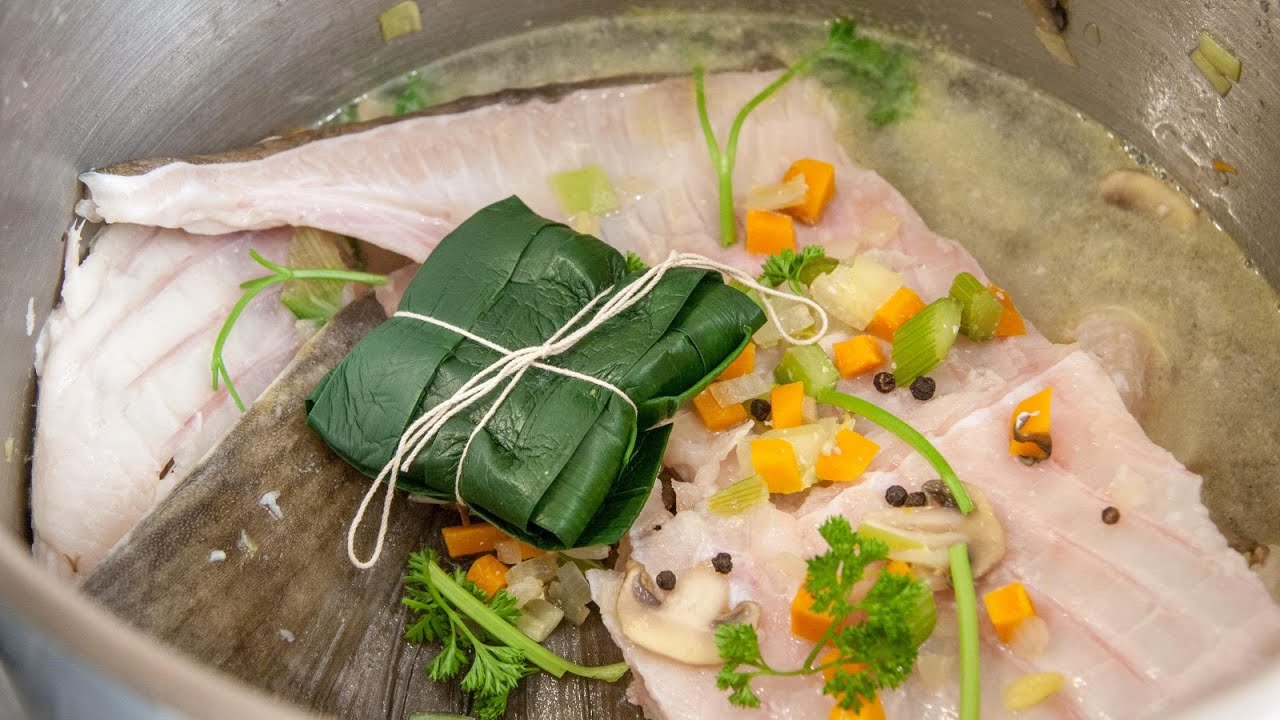
Fish Stock Recipe: Fish stock is the unsung hero of many delicious seafood dishes. It’s the secret behind the rich flavor of bouillabaisse, the gentle depth in a seafood risotto, and the silky base of a velvety bisque. If you’ve only been using water or store-bought broth in your seafood recipes, you’re missing out. Homemade fish stock brings a complex, oceanic taste to your dishes—something a cube or can just can’t compete with.
Think of it as a flavor booster: made from simple, fresh ingredients, and done in under an hour. Whether you’re a home cook or just someone who wants to elevate their next seafood dish, learning how to make fish stock will add a powerful tool to your kitchen arsenal.
Why Make Your Own Fish Stock?
Let’s be real—store-bought fish stock can taste flat, overly salty, or even metallic. But making your own fish stock? It’s fresher, cheaper, and more customizable. You control the salt, the herbs, the intensity—everything. Plus, it’s a sustainable way to use leftover fish bones and heads that would otherwise go to waste.
Homemade fish stock has more aroma, depth, and complexity. It’s also preservative-free, which is a major win for health-conscious cooks. Another perk? You can make a large batch and freeze it for months, pulling it out when needed to whip up a restaurant-quality dish.
Difference Between Fish Stock and Fish Broth
You’ve probably seen “stock” and “broth” used interchangeably, but they’re not the same. Stock is made from bones (in this case, fish bones), and it’s simmered with vegetables and herbs for a short time—usually about 30–45 minutes. It’s more gelatinous and has a cleaner taste.
Broth, on the other hand, may include meat and is often seasoned. It’s generally simmered longer and is ready to serve as-is. Fish stock is a concentrated base—an ingredient. Broth is more of a finished product.
Best Types of Fish for Making Stock
Not all fish are created equal when it comes to stock. Oily fish like salmon, tuna, or mackerel can make your stock taste overly strong or even bitter. What you want are white, lean, non-oily fish—these create a delicate, clean-tasting stock.
Here are some great options:
- Snapper
- Cod
- Halibut
- Flounder
- Sole
- Sea bass
Avoid bones from smoked, fried, or grilled fish—they’ll overpower the stock. And always rinse bones before using to remove blood and impurities.
List of Ingredients You’ll Need
Fresh Fish Bones
You’ll want about 2 pounds of bones, preferably from white-fleshed, non-oily fish. Heads, tails, and spines work great. Avoid gills and guts—they can make the stock bitter.
Aromatics
These give your stock its base flavor. Go for:
- 1 large onion (roughly chopped)
- 2 stalks of celery (with leaves, chopped)
- 1 medium carrot (peeled and chopped)
- 1 clove garlic (optional)
Herbs and Seasonings
Fresh or dried, they add subtle flavor.
- A few sprigs of parsley
- 1–2 bay leaves
- A few peppercorns
- Optional: thyme or fennel tops
Water
Cold water is key. Use about 6 cups for every 2 pounds of bones. Don’t overfill—you want a concentrated flavor.
Optional Add-Ins
- A splash of dry white wine (adds brightness)
- Lemon peel (for a citrusy hint)
- Ginger (for a hint of spice, especially in Asian dishes)
Essential Equipment
To make great fish stock, all you need are the basics:
- Large stock pot (at least 6-quart size)
- Fine mesh strainer or cheesecloth
- Ladle
- Storage containers or mason jars
- Slotted spoon
Optional but helpful: A skimmer to remove impurities as it simmers.
Step-by-Step Guide to Making Fish Stock
Step 1: Prepare Your Fish Bones
Start by rinsing the fish bones under cold water to remove any blood, scales, or impurities. This step helps ensure a clean, non-cloudy stock. If using heads, remove the gills—they contain blood and can turn the stock bitter and cloudy.
You can ask your local fishmonger for clean fish bones, or save your own from filleting.
Step 2: Chop the Aromatics
Roughly chop your onion, celery, and carrot. No need to peel the onion—its skin can give a rich color. You’re not eating the vegetables, just extracting their flavor, so quick chopping is fine.
Avoid adding too many carrots—they can make the stock overly sweet.
Step 3: Sweat the Vegetables
In your large stock pot, heat a bit of oil or butter over medium heat. Add your chopped vegetables and sweat them for 5–7 minutes. You’re not browning them—just softening them to release flavors.
Sweating the veggies first boosts the flavor without adding color. Keep stirring to avoid any browning.
Step 4: Add the Fish Bones
Gently lay in the fish bones, heads, and tails. Stir a bit to combine with the vegetables. Cook for 2–3 minutes. This brief sauté helps release the natural fish oils, intensifying the flavor.
If you’re using wine, this is a good moment to deglaze the pot—pour in about 1/4 cup of white wine and let it reduce for a minute.
Step 5: Add Water and Herbs
Pour in your cold water slowly until the bones are just covered. Don’t overdo it—remember, we want a rich stock. Toss in your herbs and peppercorns now.
Bring the pot up to a gentle simmer over medium-high heat.
Step 6: Simmer Gently
Once the pot begins to simmer, reduce the heat. Keep it at a gentle bubble—not a rolling boil. Simmer uncovered for about 30–45 minutes.
Overcooking can make the stock cloudy and overly fishy. Less is more here.
Step 7: Skim the Foam
As it simmers, you’ll notice foam and scum rising to the top. Skim this off with a spoon or skimmer. Doing this every few minutes keeps the stock clear and clean-tasting.
This step makes all the difference between a gourmet stock and a murky one.
Step 8: Strain the Stock
When your timer hits 45 minutes, remove the pot from heat. Use a fine mesh strainer or cheesecloth to strain the stock into a clean container.
Discard the solids—they’ve done their job.
Step 9: Cool and Store Properly
Let the stock cool to room temperature before refrigerating. If not cooling immediately, place the pot in a cold water bath in your sink.
Store in airtight containers. It will keep in the fridge for 3–4 days, or freeze for up to 3 months.
Pro Tips for a Clear and Flavorful Fish Stock
Want that crystal-clear, golden stock that chefs swear by? It’s all in the technique. Here are some solid pro tips:
- Always start with cold water. This helps draw out the flavor from the bones slowly and gently.
- Never let the stock boil. A rolling boil breaks down proteins too fast, making your stock cloudy and harsh in flavor.
- Skim frequently. Foam and impurities rise during simmering—remove them regularly.
- Use fresh, not oily, fish. White fish like cod, halibut, and flounder give you a cleaner taste.
- Don’t overcook. 30 to 45 minutes is enough. Longer cooking can give you bitter undertones.
- Use a fine mesh strainer or cheesecloth. This guarantees a smooth, grit-free finish.
Bonus Tip: If you’re freezing your stock, pour it into ice cube trays for easy-to-use flavor bombs!
How to Store Fish Stock
Refrigeration Tips
Once cooled, pour the stock into clean glass jars or BPA-free containers. It’ll last in the fridge for 3–4 days.
- Label the jars with the date.
- Store near the back of your fridge where the temperature is coldest.
- Keep the container sealed tight to avoid absorbing other fridge odors.
Freezing Fish Stock
Fish stock freezes beautifully. Use:
- Mason jars (leave space for expansion),
- Plastic containers, or
- Ziplock bags (lay flat for easy storage).
Want a little at a time? Freeze in ice cube trays. Just pop out a few cubes for risottos, soups, or sauces.
Shelf life in the freezer? About 3 months, though it can go longer if sealed well.
Creative Uses for Fish Stock
Now that you’ve got a batch of this liquid gold, what can you do with it? So many things!
- Seafood Risotto: Swap chicken stock for fish stock for a true oceanic vibe.
- Chowders and Bisques: The best base for clam chowder, shrimp bisque, or crab soup.
- Paella and Jambalaya: Gives rice dishes an authentic seafood flavor.
- Sauces and Reductions: Use it to deglaze pans or build pan sauces.
- Poaching Liquid: Poach fish, shrimp, or even eggs in fish stock for extra flavor.
- Ramen Broth Base: Mix with miso or soy sauce for a Japanese-inspired noodle soup.
You’ll be amazed at how much more refined your dishes taste.
Common Mistakes to Avoid
Even experienced cooks can mess up fish stock if they’re not careful. Watch out for these mistakes:
- Using oily fish bones. This makes the stock greasy and overpowering.
- Skipping the rinse. Not rinsing fish bones can leave blood and scales in your stock.
- Boiling the stock. High heat can turn your stock murky and bitter.
- Overcooking. Fish stock doesn’t need hours. Keep it short and sweet.
- Not skimming foam. This leaves impurities in your broth.
- Adding salt too early. Fish stock should be unsalted until you use it in a recipe.
- Forgetting aromatics. Veggies and herbs add crucial background flavor.
Make these fixes, and you’ll have restaurant-worthy results every time.
How Long Does Fish Stock Last?
Fish stock doesn’t have a long fridge life compared to beef or chicken stock. Here’s the breakdown:
- Refrigerator: 3 to 4 days max. Smell it before use—if it’s sour or fishy, toss it.
- Freezer: Best used within 3 months, but can last up to 6 months if stored properly.
- Signs of spoilage: Cloudiness, sour smell, slimy texture, or visible mold.
Always err on the side of caution with seafood-based items.
How to Turn Fish Stock into Fish Sauce
While fish sauce in Asian cuisine is traditionally fermented, you can create a quick, savory sauce from your homemade stock. Here’s how:
- Reduce the stock. Simmer it until it thickens by half.
- Add umami. Mix in soy sauce, a touch of anchovy paste, or miso for depth.
- Enhance acidity. A splash of rice vinegar or lemon juice balances the flavors.
- Finish with heat. A dash of chili or garlic adds personality.
Use it as a dip, marinade, or seasoning liquid for noodles and stir-fries.
Nutritional Benefits of Homemade Fish Stock
Fish stock isn’t just tasty—it’s packed with nutrients.
- Collagen & Gelatin: Great for joints, skin, and digestion.
- Minerals: Calcium, magnesium, and phosphorus from the bones.
- Iodine: Supports thyroid health.
- Amino Acids: Helps with muscle recovery and gut health.
- Low in Calories: Broth without added fat is light and healthy.
Homemade means no preservatives, no MSG, and no artificial stuff—just real food goodness.
FAQs about Fish Stock Recipe
1. What’s the best fish for making stock?
Lean, white-fleshed fish like cod, halibut, snapper, and sole are ideal. Avoid oily fish like salmon and mackerel—they create overpowering, greasy stock.
2. Can I make fish stock with frozen fish bones?
Absolutely. Just thaw them first and rinse well before using. Frozen bones can be a great way to save scraps over time.
3. How do I know when the stock is done?
After 30–45 minutes, it should smell aromatic and taste gently fishy—not strong or bitter. The bones will look soft, and the liquid will have a light golden hue.
4. Is fish stock good for health?
Yes! It’s packed with minerals, collagen, and amino acids. Plus, it’s low-calorie and hydrating—great for skin, joints, and digestion.
5. Can I reuse the bones after making stock?
Nope. Once used, the bones are spent. They’ve given their nutrients and flavor to the stock, so discard them after straining.
Conclusion
Fish stock might just be the most underrated pantry hero you’re not using enough. It’s quick to make, deeply flavorful, and turns even the simplest seafood dishes into culinary masterpieces. From chowders and stews to risottos and ramen, this one ingredient adds magic to your cooking.
Best of all? It costs practically nothing if you’re using scraps from filleting fish. With just bones, water, and a handful of veggies, you can craft a golden broth that’ll take your meals to new heights. So next time you’re handling fresh fish, save those bones and make a batch. You’ll thank yourself later.