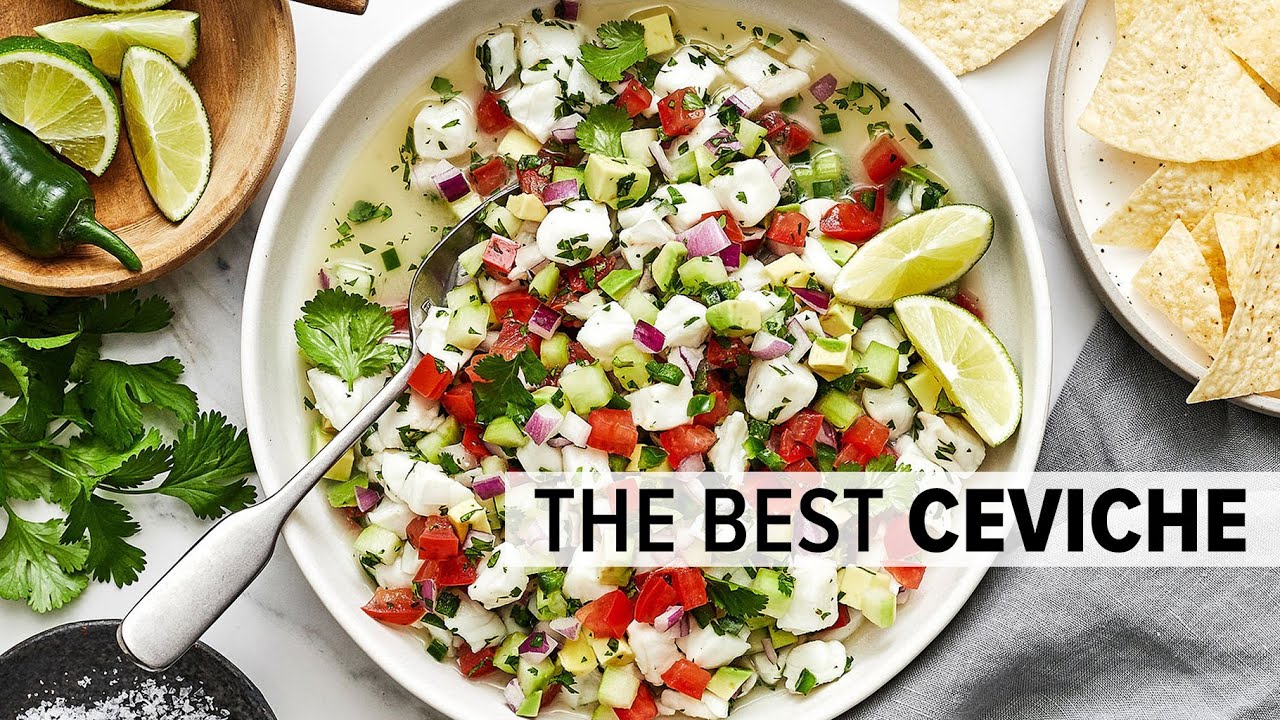
Fish Ceviche Recipe: Fish ceviche is one of those fresh, zingy dishes that instantly transports you to a tropical coastline. Whether you’re prepping for a beach party, a summer dinner, or just craving something light and flavorful, ceviche fits the bill.
This dish, popular throughout Latin America—especially in Peru and Mexico—has earned global love for its simplicity and vibrant taste. It’s made by marinating raw fish in citrus juice (typically lime or lemon), which “cooks” the fish without heat.
Let’s walk through everything you need to make restaurant-quality fish ceviche at home—from choosing the right fish to serving it with style.
What is Fish Ceviche?
Fish ceviche is a dish where fresh raw fish is cured in acidic citrus juice, causing it to become firm and opaque, mimicking the effects of cooking. Unlike traditional cooking, where heat is used, ceviche relies on the power of acid to denature the proteins in the fish. The dish typically includes a mix of chopped onions, cilantro, chili peppers, and other fresh ingredients, making it both healthy and full of flavor. Depending on the region, ceviche can be spicy, tangy, sweet, or a mix of all three.
The magic of ceviche lies in its freshness—every bite bursts with citrusy brightness, the crunch of onions, and the heat of chili. It’s refreshing, light, and packed with nutrients. Perfect as a starter, snack, or even a full meal.
Why You’ll Love This Recipe
If you’ve never made ceviche before, you’re in for a treat. Here’s why this recipe will become a go-to in your kitchen:
- Quick and Easy: From prep to plate in under 30 minutes.
- Healthy: Loaded with lean protein, vitamin C, and antioxidants.
- Customizable: You can adjust the heat, herbs, and veggies to your liking.
- No Cooking Required: Great for hot days when you don’t want to turn on the stove.
- Impressive Presentation: Looks as good as it tastes—perfect for entertaining.
Is Ceviche Safe to Eat? (Food Safety Tips)
A common concern with ceviche is its safety, especially since the fish is not cooked with heat. Here’s the deal: citrus acid does “cook” the fish, but it’s not the same as using fire or boiling water. That means you must use the freshest fish available—preferably sushi-grade or fish you know was caught that same day.
Food Safety Tips:
- Buy fish from a reputable source.
- Keep it cold (below 40°F / 4°C) until you’re ready to use it.
- Use freshly squeezed citrus juice (bottled won’t work).
- Eat it the same day you make it.
The Best Type of Fish for Ceviche
Not all fish are created equal when it comes to ceviche. Texture, flavor, and freshness matter.
White Fish Options
The best ceviche comes from firm, white fish that holds up to the acid without falling apart. Some great options include:
- Snapper
- Sea bass
- Halibut
- Cod
- Tilapia
- Mahi-mahi
These fish have a clean taste and a firm texture that’s perfect for curing.
Freshness is Key
When making ceviche, always ask your fishmonger for sushi-grade or sashimi-quality fish. This isn’t just a suggestion—it’s a must. Freshness directly affects not only flavor but also food safety.
List of Ingredients You’ll Need
Let’s get into the goods. Here’s what you’ll need for a classic, flavorful fish ceviche.
Core Ingredients
- 1 lb (450g) white fish, cleaned and diced
- 1 cup fresh lime juice (about 8-10 limes)
- 1 medium red onion, finely sliced
- 1 cup diced tomato
- 1/2 cup chopped cilantro
- 1 jalapeño or serrano pepper, minced (adjust to taste)
- 1 cucumber, diced (optional but refreshing)
- Salt and pepper, to taste
Optional Add-ons for Flavor
- Avocado, diced
- Mango or pineapple, for a sweet kick
- Corn kernels or hominy
- Olive oil, for a silky finish
- Garlic, minced
- Lettuce leaves, for serving
Tools and Equipment Needed
You don’t need a fancy kitchen setup, but having the right tools will make the process smoother:
- Sharp knife (for cleanly slicing fish)
- Cutting board (preferably one reserved for seafood)
- Citrus juicer
- Mixing bowls (glass or ceramic preferred)
- Plastic wrap or a lid for covering
- Slotted spoon (for serving)
How to Prep Your Fish for Ceviche
Preparing your fish properly is crucial. You want uniform, bite-sized pieces that marinate evenly.
Cleaning and Cutting
- Rinse the fish under cold water and pat dry with paper towels.
- Remove any bones or skin.
- Cut into small cubes, about 1/2 inch in size—too large and they won’t “cook” evenly; too small and they may break down.
Proper Marinating Tips
- Use enough citrus juice to completely submerge the fish.
- Marinate in a glass or ceramic bowl—avoid metal as it can react with the acid.
- Don’t over-marinate; 15-30 minutes is ideal for most white fish.
Step-by-Step Guide to Making Fish Ceviche
Alright, it’s go time. Here’s how to pull everything together.
Step 1: Selecting and Preparing the Fish
Choose fresh, sushi-grade white fish. Rinse, pat dry, and dice into uniform cubes. Keep cold until ready to marinate.
Step 2: Marinating with Citrus Juice
Place diced fish into a bowl. Pour fresh lime juice over the fish, making sure it’s fully covered. Stir gently, cover, and let it sit in the fridge for 15-30 minutes.
You’ll notice the fish turning opaque—this means it’s “cooked.”
Step 3: Adding Vegetables and Seasoning
Once the fish is cured, drain off a bit of the lime juice (optional) and add in your onions, tomatoes, peppers, cucumber, and cilantro. Mix gently to avoid breaking up the fish. Season with salt and pepper to taste.
Add avocado last if you’re using it to prevent it from becoming mushy.
Step 4: Resting and Flavor Blending
Let the mixture rest for another 10 minutes in the fridge. This gives all the flavors time to mingle and build depth.
How Long Should Fish Sit in Lime Juice?
This is one of the most important questions when making ceviche. The timing determines whether your fish is perfectly “cooked” or ends up rubbery and overcured.
For most white fish, 15 to 30 minutes in fresh lime juice is plenty. Here’s how it works:
- 15 minutes: Fish will be tender with a soft bite and a fresh texture.
- 30 minutes: A bit firmer, fully opaque, more “cooked” through.
- 1 hour+: Starts to get chewy and can lose that delicate flavor.
If you’re using firmer fish like halibut or mahi-mahi, you can push it closer to 30 minutes. But always keep an eye on texture. Over-marinating ruins the experience—what should be silky becomes rubbery.
Also, if you’re mixing in other citrus like lemon or orange, note that the acid levels vary, which may slightly change the marinating time.
Pro tip: Dice your fish evenly, keep your juice-to-fish ratio high, and taste test around the 20-minute mark.
Common Mistakes to Avoid
Even though ceviche is simple, it’s easy to mess up if you’re not careful. Avoid these common pitfalls for the best results:
1. Using Low-Quality Fish
This is non-negotiable. No frozen tilapia that’s been in the back of your freezer for six months. Always buy the freshest fish you can find, ideally sashimi-grade.
2. Over-Marinating
As mentioned earlier, marinating too long turns the fish rubbery. Set a timer—don’t wing it!
3. Using Bottled Citrus Juice
Nope. Bottled lime or lemon juice lacks the bright acidity and freshness needed to cure the fish properly. Fresh-squeezed is a must.
4. Adding Avocados Too Early
Avocados are delicate. Add them right before serving to keep them creamy and green.
5. Serving Warm
Ceviche is meant to be cold and refreshing. Always chill your serving bowls and serve right from the fridge.
How to Serve Fish Ceviche
There are tons of fun and creative ways to serve ceviche, whether you’re making it casual or fancy. Here are some serving ideas:
Classic Serving Style
- Spoon it into chilled cocktail glasses or small bowls.
- Garnish with extra cilantro, a lime wedge, and thin-sliced red chili for heat.
With Crunch
- Serve with tortilla chips, tostadas, or plantain chips.
- A crispy element pairs beautifully with the tender fish.
On the Side
- Pair it with a cold beer, crisp white wine, or a tangy margarita.
- Serve with sweet potato slices or corn on the cob for a Peruvian twist.
Fancy Presentation
- Serve in halved avocado shells or mini cucumbers for appetizer bites.
- Plate over greens for a ceviche salad.
However you serve it, always make sure it’s chilled and fresh.
Fish Ceviche Variations to Try
Once you’ve nailed the basic recipe, it’s time to experiment. Ceviche is incredibly flexible. Try these variations to mix things up:
Tropical Ceviche
- Add diced mango, pineapple, or papaya for a sweet-savory flavor explosion.
- Use orange juice alongside lime for a milder acid profile.
Spicy Ceviche
- Add more chili peppers like habanero or Thai red chili.
- Mix in a dash of hot sauce or chili oil.
Peruvian Ceviche
- Add boiled sweet potato and corn.
- Use aji amarillo paste for authentic heat and flavor.
Asian-Inspired Ceviche
- Add sesame oil, soy sauce, and grated ginger.
- Garnish with scallions and sesame seeds.
The possibilities are endless. The only limit? Your creativity.
Storage Tips: How Long Will It Last?
Ceviche doesn’t have a long shelf life—and that’s a good thing. It’s meant to be eaten fresh, ideally the same day.
Refrigeration Tips:
- Store leftovers in an airtight container in the fridge.
- Eat within 24 hours for best texture and flavor.
- After 24 hours, the fish may become too soft or “overcooked.”
Don’t freeze ceviche. The texture will suffer, and it’s just not worth it. If you do have leftover fish, you’re better off cooking it into a taco filling or stir-fry the next day.
FAQs about Fish Ceviche Recipe
1. Can I use frozen fish for ceviche?
Yes, but it needs to be previously frozen sushi-grade fish. Thaw it slowly in the fridge and use it immediately. Never use old frozen fish or anything questionable.
2. What citrus can I use besides lime?
Lemon, orange, and grapefruit are great additions or substitutions. Just keep in mind that the acid level varies—limes are the most effective for “cooking” the fish.
3. Is it okay to add fruit to ceviche?
Absolutely! Mango, pineapple, and even watermelon can add a tropical twist. They pair wonderfully with chili heat and citrusy zing.
4. Can kids eat ceviche?
It depends on the child and the freshness of the fish. Generally, if the fish is high-quality and properly marinated, it’s safe—but always consult with a doctor if you’re unsure.
5. How do I know if my fish is “cooked” enough?
The fish will turn opaque and firm. You can taste test a small piece after 15 minutes and see if the texture is to your liking.
Final Thoughts
Fish ceviche is one of the most vibrant, refreshing, and deceptively simple dishes you can make. Whether you’re hosting friends, whipping up a light meal for yourself, or just looking for something new to try in the kitchen, this recipe delivers every single time.
From selecting the perfect fish to adding your favorite extras like avocado or mango, there’s plenty of room to make ceviche your own. Just follow the safety tips, keep things fresh, and don’t over-marinate—and you’ll be golden.
Now that you’ve got the know-how, go ahead and give this ceviche recipe a try. It might just become your new favorite dish!