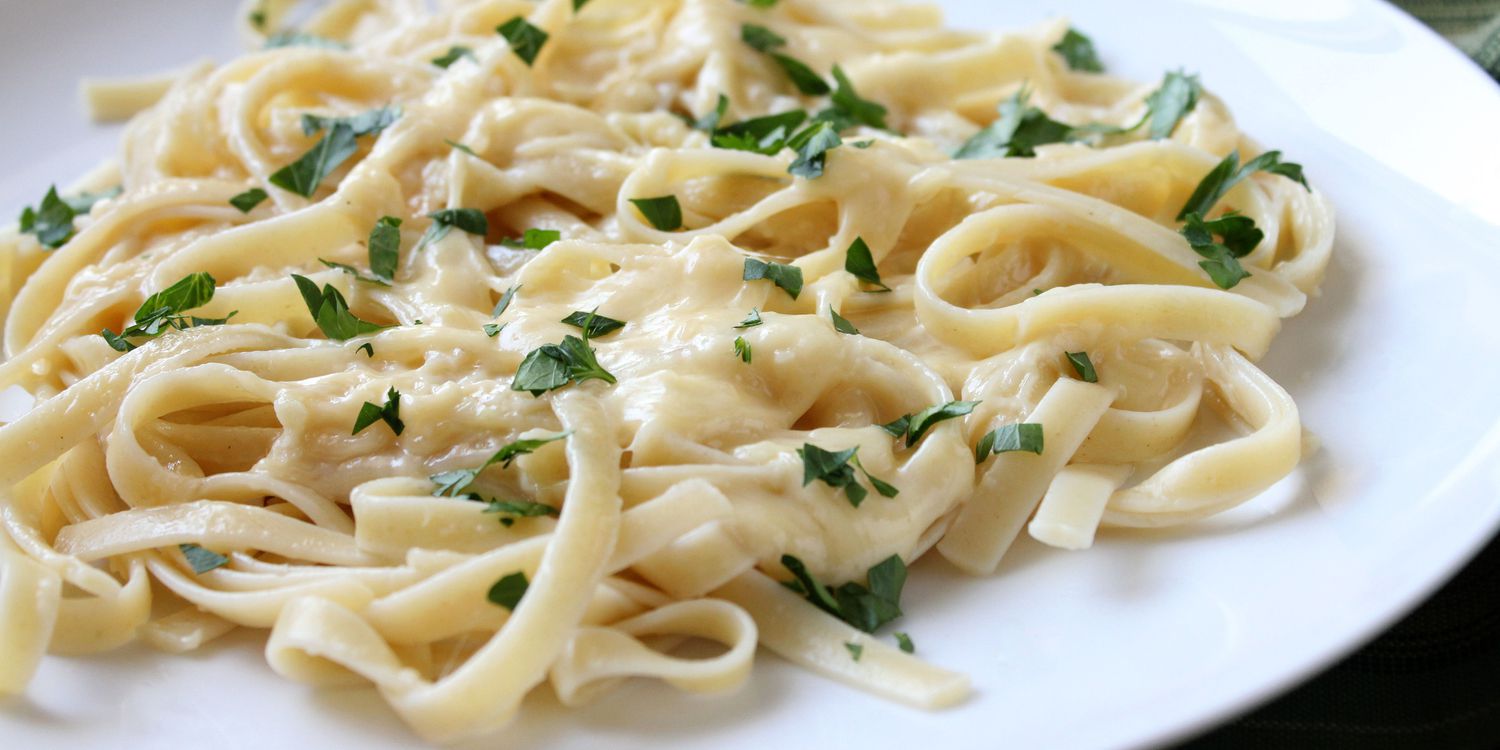
Fettuccine Alfredo Recipe: If you’re craving creamy, cheesy comfort food that feels like a warm hug on a plate, Fettuccine Alfredo might just be your answer. This classic Italian-American dish is known for its rich, velvety sauce and tender pasta that melt in your mouth with every bite. Whether you’re making it for a family dinner, a cozy date night, or just treating yourself (because why not?), this easy-to-follow guide will walk you through everything you need to know to create the perfect plate of Fettuccine Alfredo at home.
Simple, indulgent, and satisfying, this recipe proves that you don’t need a long list of ingredients to whip up something delicious. In fact, traditional Fettuccine Alfredo uses just a handful of high-quality components—no heavy cream or thickeners required.
Let’s get started on this flavorful journey and bring restaurant-style comfort food straight to your kitchen.
History and Origin of Fettuccine Alfredo
Believe it or not, Fettuccine Alfredo didn’t originate in America—though that’s where it gained most of its fame. The original version was created in early 20th-century Rome by a chef named Alfredo di Lelio. In its authentic Italian form, the dish was incredibly simple: just pasta, butter, and Parmesan cheese. That’s it.
So how did it become so creamy and rich in the U.S.? When Hollywood actors Mary Pickford and Douglas Fairbanks visited Alfredo’s restaurant in Rome, they fell in love with the dish and brought the recipe back to America. American chefs, however, couldn’t resist adding their own twist—like heavy cream—to cater to local tastes.
And that’s how Fettuccine Alfredo transformed from a simple Italian comfort food into the creamy pasta we know and love today.
Why You’ll Love This Recipe
There’s something magical about creamy pasta that makes your soul happy. But this Fettuccine Alfredo recipe is more than just a tasty dish. Here’s why it’s worth adding to your recipe book:
- Quick & Easy: You’ll have dinner on the table in under 30 minutes.
- Minimal Ingredients: No fancy or hard-to-find ingredients here.
- One-Pan Wonder: Less cleanup, more enjoyment.
- Restaurant Quality at Home: Impress your family or guests with your cooking skills.
- Customizable: Add chicken, shrimp, mushrooms, or veggies for a unique twist.
Ingredients You’ll Need
Let’s talk ingredients. While Alfredo sauce is famous for its creamy texture and rich flavor, it doesn’t take much to make it incredible. Here’s what you’ll need:
Essential Ingredients
| Ingredient | Quantity | Notes |
|---|---|---|
| Fettuccine pasta | 12 oz | Use fresh or dried |
| Butter | ½ cup (1 stick) | Unsalted preferred |
| Heavy cream | 1 cup | For that rich, velvety texture |
| Garlic | 2 cloves | Minced or finely grated |
| Parmesan cheese | 1 ½ cups | Freshly grated, not pre-shredded |
| Salt | To taste | Adjust as needed |
| Black pepper | To taste | Freshly ground for best flavor |
Optional Add-Ons
- Grilled chicken or shrimp
- Steamed broccoli or mushrooms
- Nutmeg (just a pinch!)
- Fresh parsley for garnish
These additions can take your Alfredo to the next level, depending on your mood or what’s in the fridge.
Tools You’ll Need
To make things smooth and easy, grab these tools before you start:
- Large pot (for boiling pasta)
- Strainer or colander
- Large skillet or saucepan
- Wooden spoon or spatula
- Cheese grater (for that fresh Parmesan)
- Tongs (for tossing the pasta)
No fancy gadgets required—just the basics!
Tips Before You Start Cooking
Before you dive in, let’s cover a few tips that’ll guarantee success:
- Use freshly grated Parmesan: Pre-shredded cheese contains anti-caking agents that stop it from melting smoothly.
- Don’t overcook the pasta: Aim for al dente, meaning the pasta should still have a slight bite.
- Warm the cream: Cold cream can cause the butter to seize. Let it come to room temp first.
- Low and slow: Cook your sauce over low heat to prevent curdling or burning.
These tiny details make a big difference. Trust me.
How to Choose the Best Fettuccine Pasta
When it comes to Alfredo, pasta shape matters. Fettuccine is the traditional choice—and for good reason. Its thick, flat ribbons hold onto the creamy sauce beautifully.
Fresh vs. Dried Pasta:
- Fresh pasta offers a tender, delicate texture.
- Dried pasta gives a bit more chew and stores longer.
Either one works! Just be sure to cook according to the package instructions, and don’t forget to salt your water—it’s your first chance to flavor the pasta.
How to Choose the Right Cheese for Alfredo Sauce
Cheese is the heart of Alfredo sauce, so don’t skimp here.
Parmesan Cheese Tips:
- Always buy a block and grate it yourself.
- Use Parmigiano-Reggiano if possible—it’s aged longer and has a deeper, nuttier flavor.
- Avoid the powdered kind in a can—it won’t melt well and lacks the rich flavor you want.
Bonus Tip: Add a bit of Pecorino Romano for a salty kick if you like bold flavors.
Step-by-Step Guide to Making Fettuccine Alfredo
Let’s get into the good stuff—the actual cooking! Follow this step-by-step guide, and you’ll have a dreamy dish in no time.
Step 1: Boil the Pasta
Bring a large pot of well-salted water to a rolling boil. Add the fettuccine and cook according to the package instructions until al dente—tender but still slightly firm. Reserve about ½ cup of the pasta cooking water, then drain the pasta and set aside.
Step 2: Prepare the Alfredo Sauce
In a wide pan over medium heat, melt butter gently. Add minced garlic and sauté for about 30 seconds until fragrant. Pour in heavy cream and stir, letting it warm for 3–4 minutes. Reduce the heat slightly, then add freshly grated Parmesan cheese, stirring continuously until the sauce becomes smooth and creamy. Season with salt and black pepper to taste.
Step 3: Combine Pasta and Sauce
Add the drained fettuccine directly into the sauce. Toss gently using tongs so every strand is coated. If the sauce is too thick, add a splash of the reserved pasta water to loosen it and create a silky texture.
Step 4: Garnish and Serve
Remove from heat and serve immediately. Garnish with extra Parmesan cheese, freshly cracked black pepper, and chopped parsley if desired. Enjoy while hot for the best flavor and creamy consistency.
Common Mistakes to Avoid
Even though Fettuccine Alfredo is a simple dish, a few common mistakes can throw it off. Let’s save your dinner before it even begins:
- Using pre-shredded or canned Parmesan – It won’t melt properly, and your sauce will turn out grainy.
- Overheating the sauce – High heat can cause the cheese to separate, resulting in a greasy, curdled mess.
- Skipping the pasta water – This starchy liquid is gold for adjusting sauce texture.
- Undersalting the pasta water – It’s your first layer of seasoning; don’t skip it.
- Cooking the pasta too early – You want it hot and ready to toss into the sauce as soon as it’s done.
Fixing these little slip-ups makes a big difference in the final taste and texture of your Alfredo.
How to Store and Reheat Fettuccine Alfredo
Got leftovers? No problem—but there’s a trick to keeping them creamy.
To Store:
- Transfer the pasta to an airtight container.
- Keep it in the refrigerator for up to 3–4 days.
To Reheat:
- Add a splash of milk or cream to a skillet or saucepan.
- Heat over low heat, stirring constantly.
- Add the leftover pasta and gently toss until warmed through.
- Avoid the microwave if possible—it tends to dry it out.
Bonus Tip: Alfredo sauce thickens a lot in the fridge. A little extra liquid when reheating brings it back to life.
Variations You Can Try
Want to switch things up? Here are some fun and tasty Alfredo variations to experiment with:
Chicken Alfredo
- Grill or pan-sear chicken breasts.
- Slice and layer them on top of your fettuccine.
- Season with Italian herbs like oregano, thyme, and basil.
Shrimp Alfredo
- Sauté shrimp in butter and garlic until pink.
- Toss into your Alfredo right before serving for a seafood twist.
Broccoli Alfredo
- Steam or sauté broccoli florets until tender-crisp.
- Stir them into the sauce for a veggie-packed version.
Each of these variations adds a whole new flavor profile to your Alfredo, making it feel like a different meal every time.
What to Serve with Fettuccine Alfredo
To round out your meal and balance the richness, try serving Fettuccine Alfredo with:
- Garlic bread or homemade breadsticks
- Caesar salad or a light garden salad
- Roasted asparagus or green beans
- Sparkling water with lemon or a light white wine (for the adults!)
These sides help refresh the palate and make your meal feel complete without overpowering the Alfredo.
Is Fettuccine Alfredo Healthy?
Let’s be real—Fettuccine Alfredo is not a “light” dish. It’s creamy, cheesy, buttery… and that’s kind of the point. But that doesn’t mean it can’t fit into a balanced lifestyle.
Nutrition Quick Facts (per serving, approx.):
- Calories: ~700–800
- Fat: High (mostly from cream and cheese)
- Protein: Moderate
- Carbs: High (from pasta)
Tips to lighten it up:
- Use light cream or half-and-half instead of heavy cream.
- Add vegetables like spinach, mushrooms, or broccoli.
- Use whole wheat pasta or chickpea pasta for extra fiber.
- Watch your portion size—this dish is rich, so a little goes a long way.
Final Tips and Tricks for Restaurant-Style Alfredo at Home
If you want your Alfredo to feel like it came from a five-star restaurant, keep these final tips in mind:
- Warm your serving bowls: Hot pasta + cold plate = sad dinner.
- Use room-temperature ingredients: Helps them blend smoothly.
- Don’t rush it: Let the sauce come together gently for the best texture.
- Taste as you go: Especially with salt and pepper. Everyone’s preferences are different.
- Finish with love: A little garnish and plating effort goes a long way.
Now you’re ready to impress yourself—and anyone lucky enough to join you at the table.
FAQs about Fettuccine Alfredo Recipe
1. Can I make Fettuccine Alfredo without cream?
Yes! The traditional Italian version uses only butter and Parmesan cheese. Just add a bit of pasta water to help emulsify the sauce.
2. How can I thicken Alfredo sauce?
If your sauce feels too thin, simmer it a bit longer, add more Parmesan cheese, or use a splash of cream cheese or cornstarch slurry (if needed).
3. What’s the best pasta substitute for fettuccine?
You can use linguine, tagliatelle, or even penne if fettuccine isn’t available. Just stick with shapes that can hold thick sauce.
4. Can I freeze Fettuccine Alfredo?
Freezing isn’t ideal—the sauce can separate. If you must freeze, store it in an airtight container and reheat slowly with cream.
5. Is Parmesan the only cheese I can use?
Parmesan is classic, but you can mix in Pecorino Romano, Asiago, or even Gruyère for a twist. Just make sure they’re good melting cheeses.
Conclusion
There you have it—your ultimate, step-by-step guide to making rich, creamy, comforting Fettuccine Alfredo at home. Whether you’re a total beginner in the kitchen or someone who loves experimenting with new dishes, this recipe is easy to follow and endlessly satisfying.
From selecting the right cheese to perfecting the sauce texture, you now have all the pro tips to make restaurant-quality Alfredo that’ll keep everyone coming back for seconds. The best part? You did it all from the comfort of your own kitchen, with just a handful of ingredients and a bit of love.
Bon Appétit!