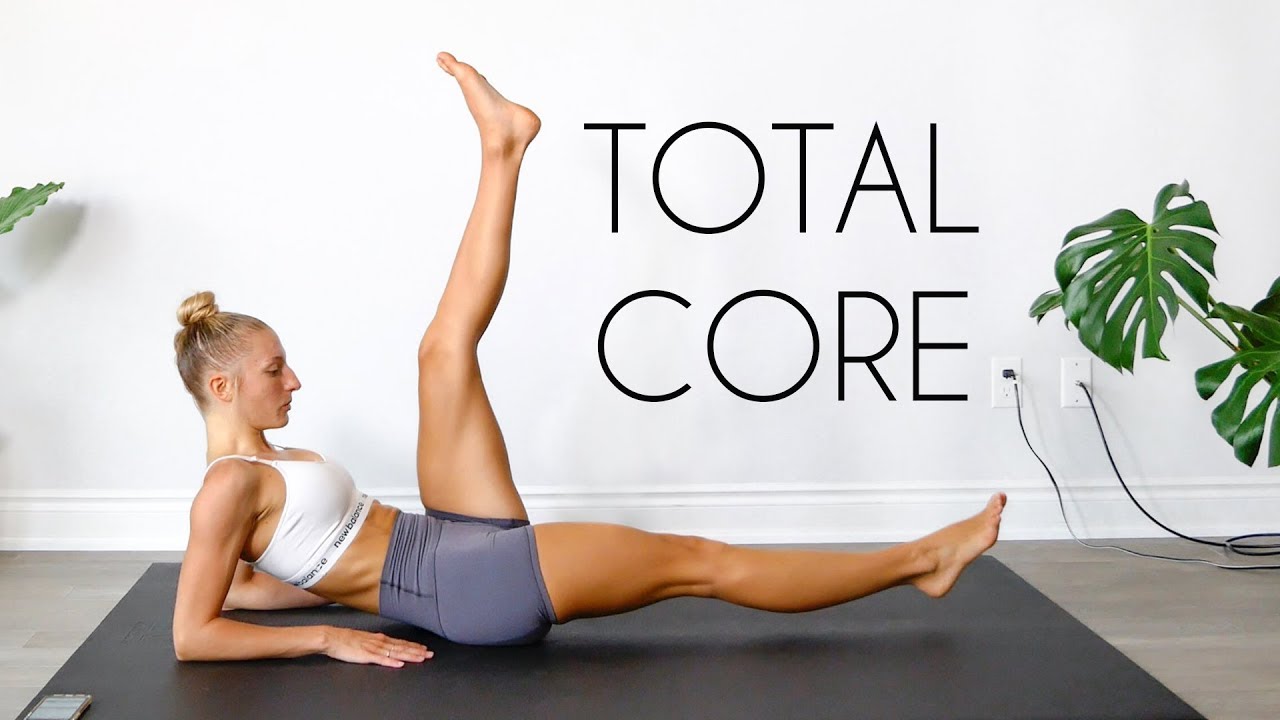
Exercises to Strengthen your Core: Let’s get real: having a strong core isn’t just about flaunting six-pack abs on the beach. It’s about building a powerhouse in the center of your body that controls nearly every movement you make. Whether you’re picking up your kid, running a marathon, or simply sitting upright at your desk, your core is at the center of it all—literally.
The core is often misunderstood and underestimated. Sure, it plays a role in how you look, but more importantly, it’s your body’s anchor. A strong core improves your posture, supports your spine, prevents injuries, and boosts your athletic performance. No matter your age or fitness level, focusing on core strength pays off big time. In this guide, we’ll break down everything you need to know—what the core actually is, how to train it effectively, and exercises to suit every level.
This isn’t just another “do 100 crunches a day” article. You’ll discover professional, tried-and-tested exercises that build real, functional strength from the inside out. Ready to strengthen your core and move like a well-oiled machine? Let’s dive in.
Understanding the Core
When people talk about the core, they usually point to their abs. But the core is much more than that. Think of your core as a 360-degree belt around your midsection that includes muscles in the front, sides, back, and even your hips and glutes.
Here are the major muscles that make up your core:
- Rectus Abdominis: The famous “six-pack” muscle in the front.
- Transverse Abdominis: Deep abdominal muscles that wrap around your spine for protection and stability.
- Internal and External Obliques: Located on the sides, these help with rotation and side bending.
- Erector Spinae: Muscles that run along your spine.
- Multifidus: Small muscles that stabilize each vertebra.
- Pelvic floor muscles: Essential for posture and internal support.
- Diaphragm: Yes, your breathing muscle plays a key role too.
- Glutes: Especially the gluteus medius and maximus—major stabilizers.
The core’s main job is to stabilize your spine and pelvis during movement. Every time you bend, lift, twist, or balance, your core muscles fire up to support you. It’s less about flexing and more about maintaining alignment and control. That’s why a strong core improves everything from athletic performance to simple daily movements.
Neglecting the deeper core muscles leads to poor posture, back pain, and even injuries. That’s why it’s essential to go beyond surface-level training. Strengthen the entire network, and you’ll see a major difference in how your body performs and feels.
Why Strengthening Your Core Matters
You don’t need to be an athlete to need a strong core. Everyone—regardless of age, size, or activity level—can benefit from core training. Here’s why:
1. Posture and Balance
Your core is the foundation of good posture. Weak core muscles make it difficult to sit or stand upright for long periods, leading to slouching and spinal stress. A strong core helps keep your body properly aligned and balanced, reducing fatigue and increasing energy.
2. Injury Prevention
Many injuries, especially lower back pain, stem from a weak or imbalanced core. When your core muscles can’t support your spine, your body compensates with poor movement patterns. Over time, this can cause strains, joint problems, and chronic pain. By strengthening your core, you build a stable base that protects you from injury during daily life and workouts.
3. Functional Movement
Everyday activities—tying your shoes, lifting groceries, walking the dog—engage your core. A weak core means you’re overusing other muscles (like your lower back or shoulders) to compensate. A strong core makes these movements smoother, more efficient, and safer.
4. Athletic Performance
Whether you’re sprinting, lifting weights, playing tennis, or swimming, core strength translates into better coordination, speed, and power. Athletes with strong cores move more explosively, change direction quickly, and maintain balance under pressure.
A weak core is like a car with a wobbly engine mount—it might still move, but it won’t run smoothly or last long. Investing in core strength is investing in your body’s ability to perform well for years to come.
Core vs. Abs: What’s the Difference?
Here’s where many people get it wrong. You might hear “core” and immediately think “abs,” but the two aren’t interchangeable. Abs are just a small part of your core, like a single player on a full team. While the rectus abdominis (your six-pack muscles) is certainly part of the core, it’s far from the whole story.
Let’s break it down:
- Abs (Rectus Abdominis): These are the superficial muscles that give you the six-pack look. They’re primarily involved in flexing the spine, like when you do crunches or sit-ups.
- Core: This includes all the muscles in your torso that stabilize your spine and pelvis, including the deep muscles you can’t see—like the transverse abdominis and multifidus—as well as the obliques, pelvic floor, diaphragm, and glutes.
Focusing only on abs usually means doing hundreds of crunches or sit-ups. Not only is that approach ineffective for building true strength, but it can also lead to muscle imbalances and injuries. A well-rounded core workout should engage your entire trunk, not just the front.
Think of your core as the sturdy foundation of a house. If you only build one wall (your abs), the whole structure is unstable. But if you reinforce all sides, from the front and back to the sides and base, you create a foundation that can withstand anything life throws at it.
Warm-Up Before Core Workouts
Skipping your warm-up is like jumping into a race without tying your shoes. Warming up primes your muscles, increases blood flow, and reduces your risk of injury—especially when working the core, which supports the spine and impacts nearly every movement.
Why it’s important:
- Increases core muscle activation
- Prepares joints and ligaments
- Boosts circulation to key areas
- Helps improve performance and range of motion
Sample 5-Minute Core Warm-Up Routine:
- Cat-Cow Stretch (1 minute)
- Loosens up the spine and wakes up the back and abdominal muscles.
- Bird-Dog (1 minute)
- Activates the deep core stabilizers and improves balance.
- Glute Bridge (1 minute)
- Warms up your glutes and lower back while firing up your posterior chain.
- Torso Twists (1 minute)
- Improves rotation and engages obliques.
- Dead Bug (1 minute)
- One of the best prehab core movements that improves control and coordination.
These movements don’t just warm you up—they also reinforce proper form and core engagement before you dive into the heavier exercises.
Pro tip: Don’t rush through the warm-up. Treat it like an essential part of your workout, because it is. A warm core is a ready core—and a ready core performs better and safer.
Best Bodyweight Core Exercises
You don’t need fancy equipment or a gym membership to build a strong core. Bodyweight exercises are incredibly effective when done with proper form and progression.
1. Plank Variations
Planks are the gold standard of core training. They engage almost every core muscle while improving endurance and posture.
- Forearm Plank
- High Plank (Push-up position)
- Side Plank
- Plank with Shoulder Tap
- Plank to Push-up
Start with 20-30 seconds and build up to 60 seconds or more. Focus on keeping your hips level and your spine straight. Don’t let your lower back sag—engage your glutes and draw your belly button toward your spine.
2. Mountain Climbers
This dynamic move elevates your heart rate while working the core, especially the lower abs.
- Get into a high plank position
- Drive one knee toward your chest, then quickly switch legs
- Keep your core tight and back flat
Aim for 30-60 seconds of continuous movement. This is a great core/cardio hybrid.
3. Bicycle Crunches
Bicycle crunches target the rectus abdominis and obliques while adding a coordination challenge.
- Lie on your back
- Lift your legs and shoulders off the ground
- Alternate touching opposite elbow to opposite knee in a pedaling motion
Perform 2–3 sets of 15–20 reps per side. Keep the motion slow and controlled for maximum activation.
These exercises can be combined into a killer bodyweight circuit. Do 3 rounds of each for a total of 15–20 minutes, and you’ll feel the burn without ever touching a weight.
Top Core Strengthening Exercises with Equipment
If you’re ready to level up your core training, adding equipment brings resistance and variation into the mix, pushing your muscles to grow stronger and more resilient.
1. Cable Woodchoppers
This rotational movement mimics real-life twisting actions like swinging a bat or throwing.
- Use a cable machine with a D-handle
- Stand sideways to the cable, feet shoulder-width apart
- Pull the cable diagonally across your body in a chopping motion
Perform 3 sets of 12–15 reps per side. Woodchoppers engage the obliques and improve rotational power.
2. Russian Twists with a Medicine Ball
This classic move gets more intense with added weight.
- Sit on the floor with knees bent and heels off the ground
- Hold a medicine ball or dumbbell with both hands
- Twist your torso to tap the ball on each side
Do 3 sets of 20–30 total taps. Focus on controlled movement rather than speed.
3. Ab Wheel Rollouts
These are brutal—in a good way.
- Kneel on the ground holding the ab wheel
- Slowly roll forward, extending your body
- Use your core to pull back to the starting position
Keep your lower back neutral and avoid overarching. Start with 6–8 reps and gradually increase as your strength improves.
These tools not only make core workouts more challenging but also help improve muscle activation, strength, and balance. If you’re serious about progress, consider incorporating them 1–2 times a week.
Pilates and Yoga for Core Strength
Let’s take a moment to appreciate two often-overlooked disciplines that work your core in a completely different—and highly effective—way: Pilates and Yoga. These practices aren’t just for flexibility or stress relief; they’re powerhouses when it comes to core stability, control, and endurance.
Pilates: Deep Core Activation
Pilates was designed with core strength in mind. Most Pilates exercises emphasize slow, controlled movements that activate the transverse abdominis, the deep stabilizing muscles of your midsection. These moves also target the pelvic floor and diaphragm, helping you build strength from the inside out.
Key Pilates Core Moves:
- The Hundred: A breathing and abdominal endurance exercise that warms up the core.
- Single-Leg Stretch: Strengthens the rectus abdominis and improves coordination.
- Double-Leg Lower Lift: Targets the lower abs and challenges core control.
- Pilates Roll-Up: Builds strength and flexibility in the spine and abs.
The beauty of Pilates lies in its focus on precision and control. Every move matters, and nothing is rushed. You’ll not only build a strong core but also improve your posture, breathing, and mind-muscle connection.
Yoga: Core Stability and Balance
In yoga, core strength is often hidden behind poses that demand balance and control. Think of holding Boat Pose (Navasana) or flowing through a Chaturanga—your abs, obliques, and glutes are all firing to keep you stable.
Core-Engaging Yoga Poses:
- Boat Pose: Builds static strength in the abs and hip flexors.
- Plank and Side Plank: Reinforces shoulder and core alignment.
- Crow Pose: Challenges your entire core, especially your stabilizers.
- Warrior III: Engages the glutes and core to maintain balance.
Yoga also encourages breath control and awareness, which are key components of true core engagement. When your breathing is aligned with movement, your core works more efficiently, and your posture improves without even thinking about it.
Integrating Pilates or yoga into your weekly routine not only improves your core strength but also enhances your overall body control, mobility, and mindfulness—elements that complement any training style.
Core Exercises for Beginners
Starting out? No worries. The best way to build core strength is by laying a solid foundation with beginner-friendly exercises that teach proper engagement, alignment, and control.
1. Dead Bug
This oddly named move is incredibly effective at teaching you how to stabilize your core while moving your limbs.
- Lie on your back with arms and legs in the air.
- Slowly extend your right arm and left leg while keeping your lower back pressed into the floor.
- Return and repeat on the other side.
This move builds neuromuscular coordination and trains deep stabilizers without straining the spine.
2. Bird-Dog
Bird-dog improves balance, stability, and core control.
- Start on all fours.
- Extend one arm and the opposite leg simultaneously.
- Keep your spine neutral and core tight.
Aim for 10–12 reps per side. This is a staple in physical therapy and beginner workouts for good reason.
3. Glute Bridge
It may feel like a lower body exercise, but it’s fantastic for engaging your posterior chain, especially the glutes and lower back.
- Lie on your back with knees bent, feet flat.
- Push through your heels and lift your hips.
- Squeeze your glutes at the top and lower slowly.
Glute bridges help strengthen a weak backside, which is often the culprit behind poor core performance and back pain.
4. Wall Sit with Core Focus
Lean against a wall and slide down into a sitting position with thighs parallel to the ground. While holding, engage your core by pressing your lower back into the wall and breathing steadily.
These exercises are safe, low-impact, and perfect for beginners. Perform them 2–3 times per week, focusing on quality over quantity. Once you feel stronger and more in control, you can advance to intermediate-level exercises.
Intermediate Core Exercises
Ready to take your core strength to the next level? Intermediate exercises add complexity, resistance, and dynamic movement to challenge both the superficial and deep core muscles.
1. Leg Raises
These target the lower abdominal area and challenge spinal control.
- Lie flat on your back with legs straight.
- Slowly lift your legs to 90 degrees, then lower them without touching the ground.
Keep your lower back flat on the mat. To modify, place your hands under your hips for support.
2. Side Plank with Leg Lift
This upgrades the classic side plank by adding a leg lift to challenge stability and activate the obliques and glutes.
- Get into a side plank position.
- Raise your top leg slowly, hold for 2 seconds, then lower.
Hold for 20–30 seconds per side, 2–3 rounds.
3. Reverse Crunches
A great way to hit the lower abs without straining your neck.
- Lie on your back with knees bent at 90 degrees.
- Curl your hips off the ground using your core, not momentum.
Control the motion, and avoid swinging. Start with 15 reps for 3 sets.
4. Stability Ball Stir-the-Pot
This unique exercise strengthens your entire core and shoulders.
- Place your forearms on a stability ball in a plank position.
- Slowly make small circles with your arms—like stirring a pot.
It’s harder than it looks. Start with 10–12 circles each direction.
Intermediate exercises are where you start to feel the functional strength kicking in. They bridge the gap between basic movements and more advanced training while building endurance, coordination, and total core control.
Advanced Core Training
Once you’ve mastered the basics and intermediates, it’s time to challenge your core with advanced exercises that demand strength, stability, control, and coordination all at once. These movements often involve multiple planes of motion, resistance, and instability—mimicking the real-life demands placed on your body.
1. Hanging Leg Raises
This exercise hits the entire abdominal wall, especially the lower abs, and requires grip and shoulder stability.
- Hang from a pull-up bar with arms fully extended.
- Keeping your legs straight, raise them up to 90 degrees or higher.
- Lower with control, avoiding any swinging.
Start with 8–10 reps. If it’s too hard, begin with bent knees (hanging knee raises) and progress as you get stronger.
2. Ab Wheel Rollouts (Advanced Variation)
Once you’re comfortable with basic rollouts, extend your range or perform standing rollouts if you’re up for a serious challenge.
- From your knees or feet, slowly roll out as far as you can.
- Engage your core to pull yourself back in without arching your back.
This move demands intense control and will fire up your entire core like nothing else.
3. L-Sit
This gymnastic-style movement is an isometric hold that develops serious static strength in the core and hip flexors.
- Sit on the ground or on parallel bars.
- Lift your legs straight in front of you and hold.
Start with 10–15 seconds and gradually build up to 30+ seconds. You’ll feel the burn quickly.
4. Turkish Get-Up
A full-body movement that’s as much about core control as it is about strength and mobility.
- Start lying down holding a kettlebell overhead.
- Move through several controlled steps to stand up while keeping the weight overhead.
This move builds rotational core strength, shoulder stability, and coordination. Start light and focus on perfect form.
Advanced core exercises aren’t just about difficulty—they’re about mastering integration. These movements train your core to work with the rest of your body, just like in real-life activities. Do them 1–2 times per week, always prioritizing form over reps.
Creating a Core Workout Routine
So how do you put all these exercises together into a sustainable and effective routine? The key is consistency, variety, and progression. Your core needs regular engagement, but it also needs recovery and smart programming.
Frequency
- Beginners: 2–3 core-focused sessions per week
- Intermediate/Advanced: 3–5 days per week, mixing in core-specific work and integrated full-body movements
Session Structure
Each session should include:
- Warm-up (5 minutes): Light cardio and mobility drills
- Activation (5 minutes): Bird-dogs, dead bugs, planks
- Main Set (15–20 minutes): Choose 4–6 exercises (mix bodyweight, equipment, static, and dynamic)
- Cool down/stretch (5 minutes): Focus on lower back, hips, and obliques
Sample Weekly Core Plan
| Day | Focus Area | Example Workouts |
|---|---|---|
| Monday | Stability & Control | Planks, bird-dog, side plank leg lifts |
| Tuesday | Rest or light yoga | Gentle yoga, breathing focus |
| Wednesday | Strength & Power | Hanging leg raises, ab rollouts, Russian twists |
| Thursday | Rotation & Obliques | Cable woodchopper, bicycle crunches, side planks |
| Friday | Integrated Core Training | Turkish get-ups, L-sit holds, compound lifts |
| Saturday | Optional conditioning/core | Mountain climbers, HIIT + core finishers |
| Sunday | Rest | Complete recovery or light stretching |
Rotate in new exercises every few weeks to keep things interesting and prevent plateaus. Remember, consistency beats intensity when it comes to building lasting core strength.
Common Mistakes to Avoid
No matter how good your program is, certain mistakes can hold back your progress or even cause injury. Let’s call out the usual suspects and keep your core training on the right track.
1. Overtraining the Abs
It’s tempting to train your abs every single day, especially if you’re chasing aesthetics. But just like any muscle group, your core needs time to recover and rebuild. Train smart, not obsessive.
2. Ignoring the Back and Glutes
Focusing only on the front (abs) creates imbalances. Your posterior chain—especially the lower back and glutes—is crucial for total core function. Don’t skip those hip bridges, reverse hypers, or back extensions.
3. Using Momentum
If you’re jerking your body during crunches or swinging your legs during leg raises, you’re letting momentum do the work, not your muscles. Slow down, focus, and make every rep count.
4. Poor Breathing Technique
Holding your breath or breathing incorrectly shuts down your core activation. Learn to exhale during exertion—for example, breathe out as you lift your legs or crunch up.
5. Rushing Progression
Don’t jump into advanced exercises before you’ve nailed the basics. It’s like building a second story before laying the foundation. Master the fundamentals first for long-term strength and injury prevention.
By avoiding these mistakes, you’ll stay safe and see far better results in your core strength journey.
Nutrition Tips to Support Core Training
Let’s get one thing straight: you can train your core all day, but if your nutrition is off, you won’t see the definition or performance improvements you’re hoping for. A strong, functional core starts in the gym, but it’s revealed in the kitchen.
1. Eat for Performance and Recovery
To build strong muscles—including your core—you need to fuel your body properly.
- Protein: Essential for muscle repair and growth. Aim for 0.8–1g of protein per pound of body weight daily.
- Carbohydrates: Your body’s primary energy source. Choose whole grains, fruits, and vegetables to fuel your workouts.
- Healthy Fats: Supports hormone production and joint health. Include nuts, seeds, avocado, and olive oil.
If you’re training your core consistently, your muscles will need recovery nutrients to repair and grow stronger.
2. Reduce Belly Fat the Smart Way
You can’t spot reduce fat from your core. Crunches won’t burn belly fat—only a caloric deficit will. To achieve that:
- Monitor your total calorie intake.
- Focus on high-volume, low-calorie foods (leafy greens, lean proteins).
- Avoid processed sugars and refined carbs.
- Drink plenty of water (at least 8–10 cups per day).
Pair your core workouts with cardio and strength training for full-body fat loss. That’s the combo that reveals the definition you’re working for.
3. Timing Matters
Eating the right foods before and after your workout can improve performance and recovery.
- Pre-workout: Eat a light meal with carbs and protein 1–2 hours before training.
- Post-workout: Fuel recovery with protein and carbs within 30–60 minutes of finishing your session.
Examples:
- Pre-workout: Greek yogurt with berries
- Post-workout: Grilled chicken with brown rice and steamed vegetables
Good nutrition doesn’t just help you look better—it helps you train harder, recover faster, and stay energized. Think of food as your core’s secret weapon.
Measuring Your Core Strength Progress
So, how do you know if all your hard work is actually paying off? Visible abs are just one possible sign—and not the only (or best) one. Real core strength goes beyond aesthetics. Here’s how to track it properly.
1. Improved Performance in Workouts
If you’re suddenly finding it easier to hold planks for longer, lift heavier weights, or maintain proper form during squats and deadlifts, that’s your core doing its job. Functional improvements are one of the most reliable signs of a stronger core.
2. Enhanced Balance and Stability
Can you now hold a single-leg stance without wobbling? Can you perform complex movements like kettlebell swings or Turkish get-ups with more control? That’s core strength in action.
3. Posture and Pain Relief
Are you sitting and standing taller throughout the day? Has your back pain reduced or disappeared? A stronger core helps align your spine and reduce strain on your lower back.
4. Visual Progress
If fat loss is part of your goal, you may begin to see more muscle definition around your midsection. Just remember: muscle is built in the gym, but revealed through smart eating and full-body training.
5. Test Your Core
Try these mini-tests every few weeks:
- Plank Hold Test: Can you hold a plank for 2 minutes or more with perfect form?
- Leg Raise Test: Can you perform 15+ controlled reps with your back flat on the ground?
- L-Sit Hold: Can you hold an L-sit for 10–30 seconds?
Track these numbers and aim to improve gradually. Strength is a journey—not a destination. Celebrate progress, not perfection.
FAQs about Exercises to Strengthen your Core
1. Can I train my core every day?
While it’s tempting, daily core training can lead to overtraining and burnout. Your core muscles need rest just like any other muscle group. Aim for 3–5 focused core sessions per week, and integrate lighter core activation exercises on off days if desired.
2. How long does it take to strengthen your core?
Most people notice improvement in 4–6 weeks of consistent training. Better posture, reduced back pain, and improved stability often appear before visible changes. With proper training and nutrition, results can come quickly—just stick with it.
3. Is cardio necessary for core definition?
Yes. While strength training builds muscle, cardio helps reduce body fat—especially around your midsection. A combination of HIIT, steady-state cardio, and resistance training is the most effective strategy for revealing defined core muscles.
4. Do sit-ups actually work?
Sit-ups engage some abdominal muscles but aren’t the most effective or safest option for core strength. They often stress the neck and lower back. Exercises like planks, leg raises, and dead bugs provide better results with lower injury risk.
5. What’s the best time of day to train the core?
There’s no universal “best” time—it depends on your schedule and energy levels. Some people prefer core work at the start of a workout when they’re fresh; others save it for the end. The key is consistency. Choose a time that helps you stay committed.
Conclusion
By understanding the full scope of what your core actually is—and what it isn’t—you’re already ahead of the game. From beginner exercises like bird-dogs and planks to advanced moves like L-sits and rollouts, there’s something here for every level. Combine your training with proper nutrition, avoid common mistakes, and track your progress honestly. Your body will thank you—not just with stronger abs, but with better movement, fewer injuries, and greater confidence in everything you do.
Start where you are. Progress one workout at a time. And remember: core strength isn’t about chasing perfection. It’s about building a body that’s strong, stable, and capable for life.