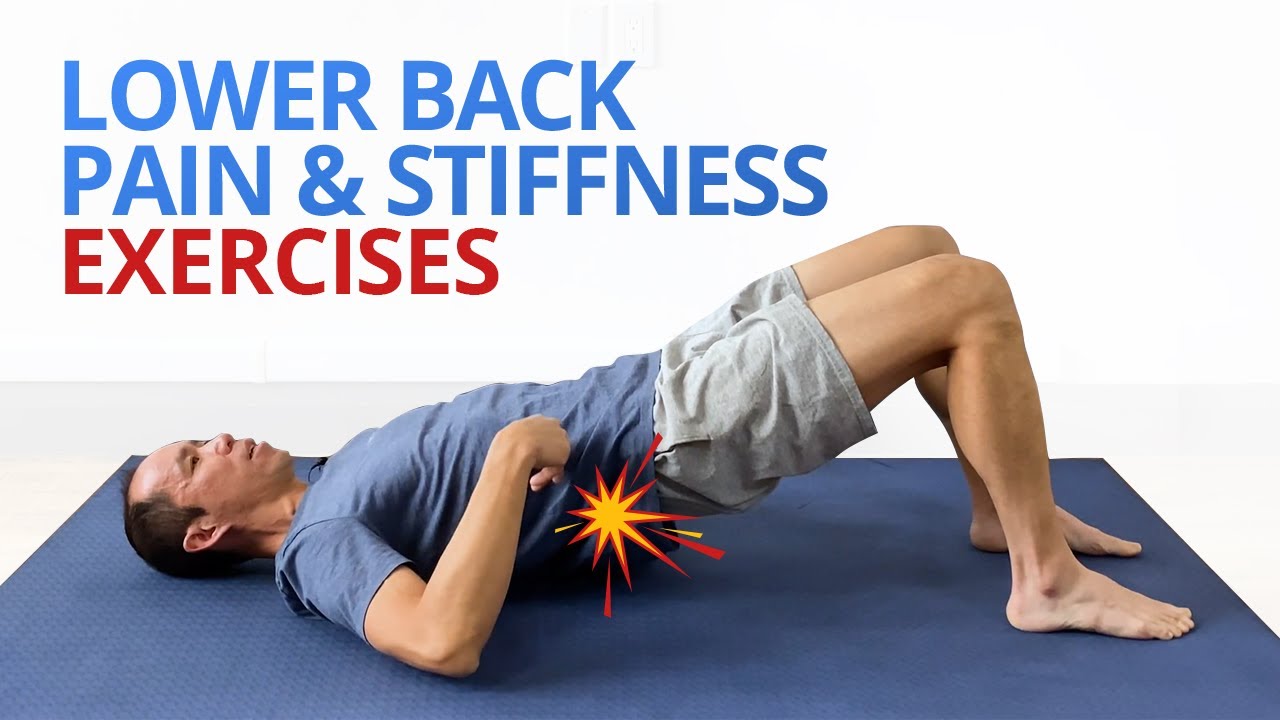
Exercises for Lower Back Pain: Lower back pain isn’t just uncomfortable — it can throw your entire day off, mess with your sleep, and even affect your mood. Whether it’s from long hours at a desk, an old injury, or simply poor posture, the struggle is real.
But here’s the good news: the right exercises can make a world of difference. Not only can they relieve pain, but they can also prevent it from coming back.
Let’s dive deep into the best lower back pain exercises, how to do them properly, and how to fit them into your everyday life.
Understanding Lower Back Pain
Back pain isn’t one-size-fits-all. It shows up in different ways — dull aches, sharp spasms, stiffness — and can be caused by a variety of things. Sedentary lifestyles, poor lifting habits, excess weight, and even stress can be culprits.
Common Causes of Lower Back Pain
- Poor posture from slouching at your desk or on the couch.
- Muscle strain from lifting heavy objects incorrectly.
- Degenerative disc issues related to aging.
- Sciatica, which radiates pain from the lower back down one leg.
- Herniated discs, which put pressure on spinal nerves.
The Role of Lifestyle and Posture
Believe it or not, your daily habits may be silently causing or worsening your lower back pain. Sitting too long without support, not stretching after exercise, or sleeping on an unsupportive mattress — all these can add up.
When to See a Professional
Pain that persists for weeks, worsens over time, or radiates to other parts of your body should never be ignored. If you’re experiencing tingling, numbness, or weakness in your legs, it’s time to consult a medical expert. Exercise helps, but professional advice ensures you’re not overlooking a serious condition.
Why Exercise is Crucial for Lower Back Pain Relief
Skipping movement may feel like the safe route when you’re hurting, but the opposite is true. Staying still can actually make back pain worse. Gentle movement boosts circulation, loosens tight muscles, and strengthens the core muscles that support your spine.
Benefits of Regular Movement
- Improves flexibility and range of motion.
- Increases blood flow to affected areas, speeding up recovery.
- Strengthens support muscles, especially the core and glutes.
- Reduces stiffness, which is a common source of pain.
- Elevates mood by releasing endorphins, natural painkillers.
How Exercise Reduces Inflammation and Stiffness
When you move, your joints get lubricated, and your muscles stay limber. Gentle, targeted exercises reduce inflammation by increasing lymphatic drainage and circulation. Over time, the stiffness starts to fade, and mobility returns.
Safety First: Things to Consider Before Starting
Jumping straight into an intense workout isn’t the way to go when you’re in pain. You need a strategy — and that includes safety checks.
Consulting with a Medical Professional
It’s always wise to get a green light from your doctor or physical therapist. They can rule out serious conditions and guide you toward the right intensity level.
Warming Up and Stretching Safely
Never skip the warm-up. Start with 5–10 minutes of light cardio like walking in place. Then do a few gentle stretches. This wakes up your muscles and preps them for the work ahead.
Avoiding Common Mistakes
- Don’t overstretch or force movements.
- Avoid exercises that cause sharp pain.
- Don’t hold your breath during exercises.
- Never rush — slow, controlled movements are safer and more effective.
Top 12 Exercises to Relieve Lower Back Pain
Now to the main event: the exercises. Below are 12 of the most effective moves for easing lower back pain. These aren’t just random stretches — they’re backed by physical therapists and fitness experts.
You don’t need a gym membership, either. Most of these can be done right on your bedroom floor with just a mat or towel.
1. Pelvic Tilts
This simple but powerful move targets the abdominal muscles and helps relieve lower back stiffness.
How to Do It:
- Lie on your back with knees bent and feet flat on the floor.
- Flatten your lower back against the floor by tightening your abdominal muscles.
- Hold for 5 seconds, then relax.
- Repeat 10–15 times.
Why It Works:
It improves posture, reduces tightness, and helps train your core to support your spine properly.
2. Cat-Cow Stretch
A favorite in yoga, this fluid movement improves spinal mobility and eases stiffness.
Steps:
- Get on all fours with wrists under shoulders, knees under hips.
- Inhale as you arch your back (cow pose), lifting your head and tailbone.
- Exhale as you round your spine (cat pose), tucking your chin and pelvis.
- Repeat 10–15 times.
Pro Tip: Move slowly and sync the motion with your breathing.
3. Knee-to-Chest Stretch
Perfect for tight lower back muscles and the hip area.
Steps:
- Lie on your back with knees bent.
- Pull one knee gently toward your chest, keeping the other foot flat.
- Hold for 20–30 seconds, then switch legs.
- Do 2–3 reps per leg.
Modification: If both knees can be pulled up comfortably, try the double knee-to-chest stretch.
4. Child’s Pose
This calming yoga pose offers a deep stretch for the spine and is especially helpful when your back feels tight or overworked.
Steps:
- Start on all fours, then gently lower your hips back toward your heels.
- Stretch your arms forward, keeping your palms flat on the floor.
- Let your forehead rest on the mat and take slow, deep breaths.
- Hold for 30–60 seconds, repeat 3–4 times.
Why It Works:
Child’s Pose gently decompresses the spine, especially the lower back, while also calming the nervous system. It’s great for lengthening the spine and releasing tension from the hips and thighs — areas that often contribute to back discomfort. You can use a pillow under your torso for added support if your hips don’t touch your heels.
5. Bird Dog Exercise
This core stability exercise improves balance, strengthens the lower back, and enhances coordination.
Steps:
- Start on your hands and knees with your back flat.
- Extend your right arm forward and your left leg backward at the same time.
- Hold for 5 seconds, then return to the starting position.
- Repeat on the opposite side.
- Perform 10 reps per side.
Tips:
Keep your hips level and avoid arching your lower back. Engage your core throughout the movement for best results.
Why It’s Effective:
Bird Dog strengthens the muscles that support your spine — especially the erector spinae and core stabilizers. It also improves neuromuscular control, which helps reduce the likelihood of future injuries.
6. Bridge Exercise
This move strengthens your glutes, core, and hamstrings, all of which play a key role in supporting your back.
Steps:
- Lie on your back with knees bent and feet flat, hip-width apart.
- Press through your heels to lift your hips until your body forms a straight line from shoulders to knees.
- Hold for 5–10 seconds, then slowly lower back down.
- Repeat 10–15 times.
Benefits:
By strengthening the posterior chain (glutes and lower back), you reduce strain on the spine. A weak posterior is often the root cause of lower back pain.
Common Mistakes:
- Lifting too high and overextending the spine.
- Not engaging the glutes (squeezing them helps protect your back).
- Letting knees splay out or cave inward.
7. Seated Forward Bend
This classic hamstring stretch also targets the spine and can help loosen up tight lower back muscles.
Steps:
- Sit on the floor with legs extended.
- Inhale, lengthen your spine.
- Exhale, slowly bend forward from the hips, reaching for your toes.
- Hold for 30 seconds, repeat 2–3 times.
Modifications:
Use a yoga strap or towel if you can’t reach your toes. Sit on a cushion to elevate the hips if you have tight hamstrings.
Why It Helps:
Tight hamstrings often pull on the pelvis and contribute to lower back pain. This stretch addresses that while gently elongating the spine.
8. Supine Twist
This gentle spinal rotation improves flexibility and releases tension in the lower back and obliques.
Steps:
- Lie on your back and bring your knees to your chest.
- Drop both knees to one side while keeping your shoulders on the floor.
- Extend the opposite arm for balance and turn your head in the opposite direction.
- Hold for 20–30 seconds, then switch sides.
Why It Works:
Supine twists are fantastic for decompressing the spine and relaxing tight lower back muscles. They also aid in digestion and reduce stress — both unexpected contributors to back pain.
9. Wall Sits
This isometric move strengthens your thighs, glutes, and lower back without high impact on your joints.
Steps:
- Stand with your back against a wall, feet shoulder-width apart and a few inches away from the wall.
- Slide down until your knees are at a 90-degree angle.
- Hold for 20–30 seconds to start, and build up to 1 minute.
- Repeat 2–3 times.
Pro Tip:
Keep your lower back in contact with the wall at all times to ensure correct posture.
Why It’s Beneficial:
Wall sits build endurance in the muscles that stabilize your lower back. It’s low-impact, making it ideal for people recovering from injury or surgery.
10. Cobra Stretch
This yoga-inspired stretch helps counteract the effects of sitting and improves spinal flexibility.
Steps:
- Lie face down with your palms flat on the floor near your chest.
- Press into your hands to lift your upper body while keeping your hips on the floor.
- Hold for 10–20 seconds, then lower down slowly.
- Repeat 5–10 times.
Tips:
Don’t overextend your neck. Keep your elbows slightly bent and shoulders away from your ears.
Why You Should Do It:
Cobra pose gently stretches the abdominal muscles and opens up the chest, helping relieve tension in the lumbar spine. It’s especially great if your pain is due to prolonged sitting or slouching.
11. Partial Crunches
Unlike full sit-ups, partial crunches strengthen the abdominal muscles without putting strain on the lower back.
Steps:
- Lie on your back with knees bent and feet flat.
- Cross your arms over your chest or place hands behind your head.
- Tighten your stomach and raise your shoulders off the floor.
- Hold for a second, then slowly lower down.
- Do 10–15 reps.
Safety Tips:
Avoid jerking your neck or using momentum. Focus on slow, controlled movement for best results.
Benefits:
A strong core is your spine’s best friend. Partial crunches activate the deep core muscles without aggravating the back like traditional sit-ups might.
12. Leg Raises
Targeting the lower abs, this exercise helps reduce lumbar strain when done properly.
Steps:
- Lie flat on your back with your legs extended.
- Place your hands under your hips for support.
- Keeping your legs straight, lift them toward the ceiling.
- Lower them slowly without letting them touch the ground.
- Repeat 10–12 times.
Tip:
Engage your core and avoid arching your back. If it’s too hard, try one leg at a time.
Why It’s Effective:
Strong lower abs help stabilize the pelvis, reducing stress on the lumbar spine. Just be sure to progress slowly and maintain control throughout the movement.
Creating a Weekly Routine
Doing a few stretches every now and then won’t cut it — consistency is key. To truly experience relief and strengthen your lower back, you need to build a structured weekly routine that includes a mix of stretching, strengthening, and mobility work.
How Often Should You Exercise?
- Stretching routines: 5–6 days per week for 10–15 minutes.
- Strengthening exercises: 3–4 days per week with at least a day of rest in between.
- Low-impact aerobic activity: Walking, swimming, or biking for 30 minutes a day, 3–5 times a week.
Sample Weekly Plan:
| Day | Activity Type | Duration |
|---|---|---|
| Monday | Stretching + Strength | 30 minutes |
| Tuesday | Aerobic Walk + Core Work | 40 minutes |
| Wednesday | Stretching Only | 20 minutes |
| Thursday | Strength + Bird Dog | 30 minutes |
| Friday | Yoga Flow (Child’s Pose, Cat-Cow, Cobra) | 40 minutes |
| Saturday | Rest or Light Walking | 20 minutes |
| Sunday | Full Routine | 45–60 minutes |
Consistency builds resilience. Make it a habit like brushing your teeth. Soon, your body will start to crave the movement because it feels so good afterward.
Lifestyle Tips for Supporting Back Health
Exercise is a major piece of the puzzle, but your lifestyle habits also matter. What you do the other 23 hours of the day could either support your back or undo all the good from your workouts.
Ergonomics Matter
- Workstation Setup: Adjust your chair height so your feet rest flat on the floor and your knees are at a 90° angle.
- Computer Screen: Keep it at eye level to prevent slouching.
- Supportive Chair: Use a lumbar roll or small pillow behind your lower back.
Sleep and Recovery
- Mattress Quality: Medium-firm mattresses are best for back support.
- Sleeping Position: If you sleep on your back, place a pillow under your knees. If on your side, put a pillow between your knees.
- Stretch Before Bed: A few gentle stretches can help ease nighttime stiffness and improve sleep.
Stay Hydrated and Eat Smart
Your spine is made up of intervertebral discs that need hydration to stay healthy. Drinking enough water and eating anti-inflammatory foods (like leafy greens, berries, and fatty fish) can help reduce chronic pain and promote healing.
When Exercise Alone Isn’t Enough
If you’ve been exercising consistently and your back pain still lingers, it may be time to go beyond self-care. There’s no shame in seeking expert help.
Signs You Need Extra Help:
- Pain lasting more than 4–6 weeks
- Numbness or tingling in legs or feet
- Loss of bladder or bowel control
- Severe pain that disrupts sleep or daily life
Next Steps:
- Physical Therapy: A therapist can customize a plan based on your condition and help improve movement mechanics.
- Chiropractic Care: Helps with spinal alignment and reducing nerve pressure.
- Massage Therapy: Useful for muscle tension and improving blood flow.
- Medical Imaging: MRIs or X-rays can reveal hidden issues like herniated discs or spinal stenosis.
It’s not about “toughing it out.” Getting professional care early can prevent long-term damage and help you recover faster.
FAQs about Exercises for Lower Back Pain
1. Can I do these exercises daily?
Yes, most of the stretches can be done daily. However, strengthening exercises like bridges or crunches are better done 3–4 times a week to allow muscle recovery. Listen to your body — if anything causes sharp pain, stop immediately.
2. Which exercise is best for immediate relief?
Child’s Pose and the Knee-to-Chest stretch often provide instant relief by relaxing the lower back muscles and reducing tension. Pair these with deep breathing for added benefit.
3. Are these exercises safe for seniors?
Absolutely. Seniors should focus on low-impact, gentle movements like pelvic tilts, cat-cow, and supine twists. It’s best to consult with a physician first to ensure the exercises suit individual mobility levels.
4. Should I avoid back exercises if I have a herniated disc?
Not necessarily. Some exercises may actually help relieve symptoms of a herniated disc. However, it’s crucial to get a diagnosis and work with a physical therapist who can tailor exercises to your specific condition.
5. How long before I see results?
Some people notice relief in just a few days, while for others, it might take several weeks. Stick to a consistent routine, focus on proper form, and be patient. Results will come with time and effort.
Conclusion
Living with lower back pain can be frustrating, limiting, and sometimes downright debilitating. But here’s the truth: most cases of lower back pain are fixable — or at the very least, manageable — with the right approach. By adding these gentle but effective exercises into your weekly routine, you’re not only reducing pain; you’re taking control of your body and investing in your future health.
Consistency, patience, and self-awareness are the keys. You don’t need fancy equipment or expensive programs. All you need is a mat, a little discipline, and a willingness to move your body with intention.
If your pain is persistent or you’re unsure where to start, always talk to a health professional. But don’t underestimate the power of small, daily movements. Over time, they add up — and your back will thank you.