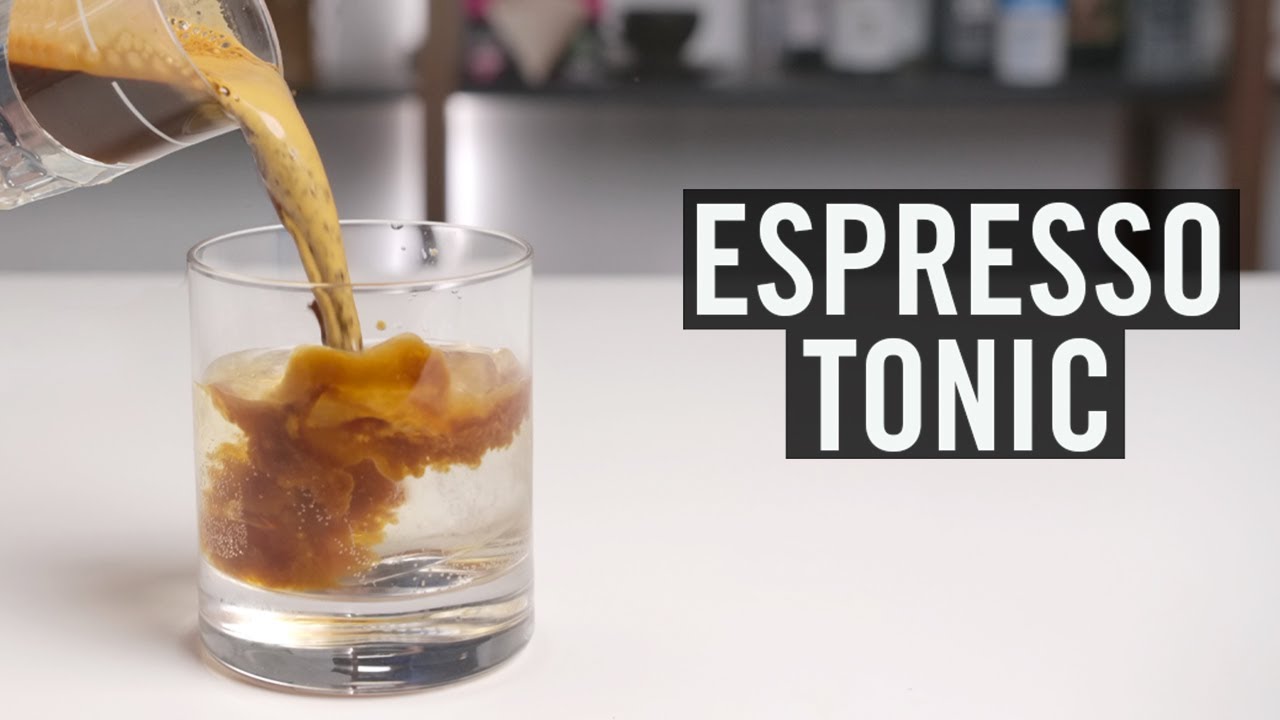
The Espresso Tonic recipe has become one of the most refreshing modern coffee drinks for good reason. It combines the bold depth of freshly pulled espresso with the crisp sparkle of tonic water, creating a drink that feels both sophisticated and energizing. The contrast is what makes it memorable. We get the rich aroma and body of espresso, followed by the light bitterness and fizz of tonic, all balanced by citrus and ice.
This drink is ideal when we want something colder and brighter than traditional iced coffee. It is especially popular during warm weather, but its appeal goes beyond the season. An Espresso Tonic feels elegant, quick to make, and impressive to serve. It works for a slow afternoon, a café-style brunch, or a stylish pick-me-up during a busy day.
The beauty of this drink lies in its simplicity. With a few quality ingredients and the right method, we can make a café-worthy version at home in minutes.
Ingredients You’ll Need for the Best Espresso Tonic Recipe
To make a balanced and flavorful Espresso Tonic recipe, we need only a handful of ingredients. Quality matters here because each component stands out clearly in the final glass.
Main Ingredients
- 1 double shot of freshly brewed espresso
- 150 to 200 ml tonic water
- Ice cubes
- 1 slice of orange, lemon, or grapefruit
- Optional sweetener, such as simple syrup, honey syrup, or vanilla syrup
Why These Ingredients Matter
The espresso provides the bold coffee backbone. A good shot should be fresh, aromatic, and well extracted. The tonic water brings sparkle and a bittersweet profile that transforms the drink from ordinary iced coffee into something sharp and layered. The ice chills the drink instantly while helping preserve the bubbles. The citrus garnish adds a bright aroma that complements both the espresso and tonic beautifully.
If we enjoy a slightly sweeter drink, a small amount of syrup can soften the bitterness without overpowering the clean flavor structure.
How to Choose the Right Espresso for Espresso Tonic
A successful Espresso Tonic recipe starts with the espresso itself. Because the drink is light and sparkling, the coffee flavor becomes very noticeable. We want espresso that is bold but not harsh.
Medium-roast beans often work beautifully because they bring balance, sweetness, and chocolate or fruit notes. A darker roast can also work if we want a stronger and more traditional coffee profile. However, overly bitter espresso may dominate the tonic and create a harsh finish.
Freshly ground beans deliver the best aroma and crema. If possible, we should brew the espresso just before assembling the drink. That freshness helps the flavors stay vivid and prevents the coffee from tasting flat once poured over the tonic.
How to Choose the Best Tonic Water
The tonic water is not just filler. It is a major flavor component in this Espresso Tonic recipe. A clean, crisp tonic with balanced bitterness works best. Some tonic waters are very sweet, while others lean more herbal or citrusy. The right choice depends on our taste preference.
A premium tonic usually produces a brighter and more refined drink. Strongly flavored tonic waters can still work, but they may compete with the espresso rather than support it. A classic tonic is often the easiest and most reliable option when making this drink for the first time.
When possible, use chilled tonic water. Cold tonic helps the drink stay lively and reduces the need for excessive ice, which can water it down.
Step-by-Step Guide to Making Espresso Tonic
Step 1: Chill the Glass
Start with a tall glass. A chilled glass helps the drink stay cold longer and makes the final presentation more appealing. If we have time, we can place the glass in the refrigerator or freezer for a few minutes before making the drink.
Step 2: Fill the Glass with Ice
Add plenty of ice cubes to the glass. A generous amount of ice is important because it keeps the tonic crisp and protects the drink from becoming diluted too quickly. Large cubes work especially well because they melt more slowly.
Step 3: Pour in the Tonic Water
Pour 150 to 200 ml of tonic water over the ice. Pour slowly to preserve as much carbonation as possible. At this point, the glass should look bright, cold, and bubbly.
If we want to add sweetener, we can stir in a small amount now. A teaspoon of simple syrup is usually enough if we want a smoother edge.
Step 4: Brew a Fresh Double Shot of Espresso
Pull a double shot of espresso using an espresso machine, moka pot, or strong concentrated coffee method. The espresso should be hot, fresh, and aromatic. A good crema on top adds both texture and visual appeal.
Step 5: Pour the Espresso Gently Over the Tonic
This is the most important step for both presentation and flavor. Slowly pour the espresso over the tonic water and ice. We can pour it over the back of a spoon to create a beautiful layered effect. The dark espresso floating over the golden tonic creates a striking café-style look.
The layering is not only attractive but also lets us experience the flavors gradually as the drink settles.
Step 6: Garnish and Serve Immediately
Finish with a slice of orange, lemon, or grapefruit. The garnish enhances the aroma and adds freshness. Serve the drink immediately while the tonic is still fizzy and the espresso remains vibrant.
Tips for Making the Perfect Espresso Tonic at Home
A few simple techniques can take an average Espresso Tonic recipe and make it outstanding.
Use Fresh Espresso
Freshly brewed espresso has the strongest aroma and the cleanest flavor. Avoid letting it sit too long before pouring.
Keep Everything Cold
Cold tonic, cold glass, and plenty of ice all help the drink stay refreshing and crisp.
Pour Slowly
A gentle pour keeps the carbonation alive and preserves the layered appearance.
Balance Bitterness Carefully
Espresso and tonic both have bitterness. If the drink tastes too sharp, add a light touch of syrup or choose a softer espresso roast.
Experiment with Citrus
Orange creates a sweet and fragrant finish, lemon sharpens the drink, and grapefruit adds a more grown-up bitter citrus note.
Common Mistakes to Avoid in an Espresso Tonic Recipe
Even though this drink is simple, a few mistakes can affect the final result.
One common issue is using poor-quality tonic water. If the tonic tastes flat or overly sweet, the drink loses its clean structure. Another mistake is pouring hot espresso too aggressively into the tonic, which can reduce carbonation and disturb the balance. Using too little ice is another problem because the drink warms up quickly and loses its refreshing edge.
Over-extracted espresso can also ruin the flavor. If the shot tastes burnt or harsh, the tonic will only emphasize those bitter notes. For the best result, every ingredient should taste good on its own before we combine them.
Flavor Variations to Try
One reason the Espresso Tonic recipe stays popular is its flexibility. Once we understand the base formula, we can create elegant variations.
Orange Espresso Tonic
Add a slice of orange or a small splash of orange juice for a sweeter, brighter profile.
Vanilla Espresso Tonic
A small amount of vanilla syrup gives the drink a softer, dessert-like character while keeping it refreshing.
Grapefruit Espresso Tonic
Grapefruit brings a more complex citrus bitterness that pairs beautifully with fruity espresso beans.
Herbal Espresso Tonic
A sprig of rosemary or mint can add a subtle aromatic lift. This variation works especially well for entertaining.
Honey Espresso Tonic
Use honey syrup instead of sugar syrup for a deeper sweetness that rounds out the drink naturally.
When to Serve Espresso Tonic
This drink fits many occasions. It is excellent as a midday refreshment, especially when regular iced coffee feels too heavy. It also works well for brunch tables, summer gatherings, and home café menus. Because it looks stylish and tastes unique, it is a great option when serving guests who enjoy coffee but want something more modern.
An Espresso Tonic also suits creative work sessions and afternoon breaks. It feels more intentional than a quick cup of coffee, yet it is just as easy to prepare once we know the method.
Why This Espresso Tonic Recipe Works
The reason this Espresso Tonic recipe works so well is balance. The espresso contributes richness, roasted aroma, and depth. The tonic water adds lightness, sparkle, and a delicate bitterness. Citrus ties everything together with freshness and aroma. Ice keeps the drink structured and clean.
The result is a beverage that feels layered without being complicated. It is bold, cold, crisp, and memorable. It satisfies coffee lovers while also offering something lighter and more refreshing than a standard iced latte or cold brew.
Serving and Presentation Ideas
Presentation matters with this drink because the layered effect is part of its charm. A clear highball or tall glass shows off the rich dark espresso against the pale tonic beautifully. A neat citrus wheel on the rim gives it a polished café-style finish.
For a more elevated presentation, we can serve it with a metal straw, a long spoon, or a large crystal-clear ice cube. If serving guests, placing a small tray with citrus slices and syrup options lets everyone customize their drink.
FAQs about Espresso Tonic Recipe
1. What is an espresso tonic?
An espresso tonic is a refreshing coffee drink made with espresso and tonic water. It has a bold coffee flavor with a light, bubbly, and slightly bitter finish.
2. What does an espresso tonic taste like?
It tastes bright, crisp, and a little bitter. The espresso gives it richness, while the tonic water adds sparkle and a slightly citrusy flavor.
3. Do we serve espresso tonic hot or cold?
Espresso tonic is served cold. It is usually poured over ice, making it especially popular in warm weather.
4. What ingredients are needed for an espresso tonic?
The main ingredients are espresso, tonic water, and ice. Some recipes also add a slice of lemon, lime, or orange for extra freshness.
5. How do we keep the drink from getting too foamy?
Pour the espresso slowly over the tonic water and ice. This helps reduce too much foam and keeps the layers looking neat.
6. Can we use cold brew instead of espresso?
Yes, we can, but the flavor will be different. Espresso gives a stronger and richer taste, while cold brew makes the drink smoother and milder.
7. What type of tonic water works best?
A good-quality tonic water with a balanced bitterness works best. Flavored tonic waters can also be used for a creative twist.
8. Can we sweeten an espresso tonic?
Yes, we can add a little simple syrup, honey syrup, or flavored syrup if we want it less bitter. However, many people enjoy it unsweetened.
Final Thoughts
A well-made Espresso Tonic recipe proves that simple ingredients can create a remarkably refined drink. With freshly brewed espresso, quality tonic water, plenty of ice, and a bright citrus garnish, we can make a refreshing coffee drink that tastes modern, clean, and memorable.
Once we master the basic version, it becomes easy to adjust the drink to our preference. We can keep it classic and crisp, add sweetness for balance, or introduce citrus and herbal notes for a signature twist. No matter how we serve it, the result is a stylish drink with strong visual appeal and a refreshing finish that stands out from ordinary iced coffee.
For anyone looking to make a bold, sparkling, café-style beverage at home, this Espresso Tonic delivers exactly that—simple steps, elegant flavor, and a result worth repeating every time.