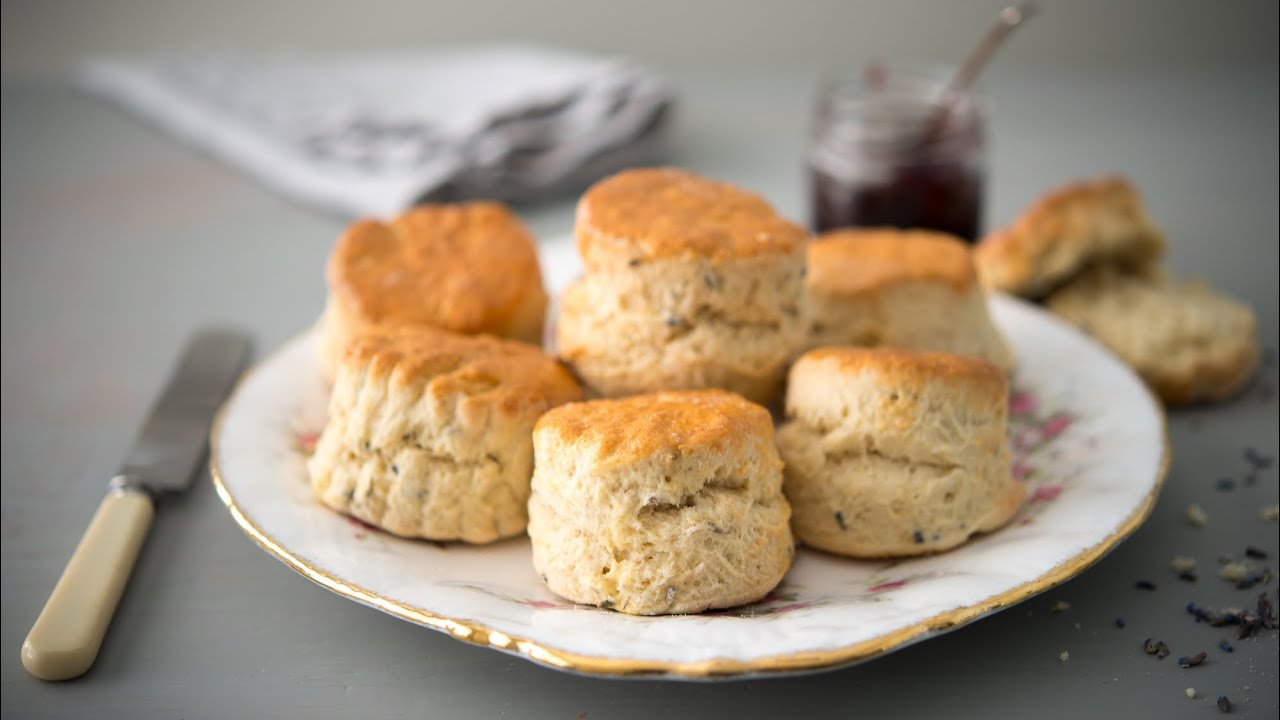
English Scones Recipe: English scones hold a special place in traditional baking because they are simple, quick to prepare, and wonderfully satisfying. With their light crumb, tender center, and gently golden top, they deliver everything we expect from a proper homemade treat. Whether served warm with jam, clotted cream, butter, or lemon curd, scones bring comfort, elegance, and versatility to the table.
A well-made English scones recipe is not complicated, but it does require attention to texture, ingredient balance, and handling. The goal is always the same: a scone that rises beautifully, breaks apart softly, and tastes rich without being heavy. Once we understand the essential method, we can produce bakery-style scones at home with excellent consistency.
This guide covers the complete process, from choosing ingredients to mixing, shaping, baking, and serving. The result is a dependable recipe that creates classic English scones with a soft interior and delicate structure every time.
Ingredients You’ll Need for English Scones
To make traditional English scones, we need a short list of pantry staples. Each ingredient plays a direct role in texture, flavor, and rise.
Main Ingredients
- 2 cups all-purpose flour
- 1 tablespoon baking powder
- 1/4 teaspoon salt
- 3 tablespoons granulated sugar
- 5 tablespoons cold unsalted butter
- 2/3 cup whole milk
- 1 large egg
- 1 teaspoon vanilla extract optional for a softer sweetness
For Brushing
- 1 tablespoon milk or beaten egg for the tops
Optional for Serving
- Strawberry jam
- Clotted cream
- Honey
- Butter
- Lemon curd
These ingredients create the classic balance needed in an English scones recipe. The flour provides structure, the baking powder delivers lift, and the butter gives the scones their tender crumb. Cold butter is especially important because it helps create small pockets in the dough, which expand in the oven and produce a lighter texture.
How to Choose the Best Ingredients for Perfect Scones
Excellent English scones begin with correct ingredient quality and temperature. Flour should be fresh and properly measured. Too much flour leads to dry, dense results, while too little can make the dough sticky and weak. The best approach is to spoon flour into the measuring cup and level it off instead of scooping directly from the container.
Butter should always be cold, not softened. This matters because cold butter stays in small pieces throughout the dough. During baking, these pieces melt and create tenderness. Warm butter blends too fully into the flour and reduces the layered softness we want.
Milk should be fresh and full-fat if possible. Whole milk adds better richness and flavor than thinner alternatives. The egg improves structure and color, while a small amount of sugar enhances taste without turning the scones into dessert.
For the most authentic result, keep everything simple. A traditional English scones recipe does not rely on excessive flavorings. The strength of the recipe comes from its clean, balanced taste and soft texture.
Essential Equipment for Baking English Scones
We do not need elaborate equipment to make excellent scones. A few basic tools are enough:
- Large mixing bowl
- Pastry cutter or fingertips
- Measuring cups and spoons
- Rolling pin optional
- Round cutter
- Baking tray
- Parchment paper
- Pastry brush
A round cutter helps produce the classic shape associated with English scones. If one is unavailable, a glass with a thin rim can work. The baking tray should be lined to prevent sticking and encourage even browning.
Step-by-Step Guide to Making English Scones
Step 1: Preheat the Oven Properly
Preheat the oven to 400°F (200°C). A properly heated oven is important because scones benefit from immediate high heat. That burst of heat helps them rise quickly and form a light structure before the exterior sets.
Line a baking tray with parchment paper and set it aside.
Step 2: Combine the Dry Ingredients
In a large bowl, whisk together the flour, baking powder, salt, and sugar. Mixing the dry ingredients evenly ensures that the baking powder is distributed well, which supports a uniform rise.
This stage may seem basic, but it matters. An uneven mixture can lead to irregular texture, inconsistent height, or pockets of salt and sweetness.
Step 3: Cut in the Cold Butter
Add the cold butter to the flour mixture. Use a pastry cutter or your fingertips to rub the butter into the flour until the mixture resembles fine breadcrumbs with a few slightly larger pieces.
Work quickly so the butter stays cold. The dough should not become greasy or overly smooth. This rough mixture is what gives the finished scones their tender texture.
The secret to a good English scones recipe is not overworking the butter. Small visible bits are a good sign.
Step 4: Mix the Wet Ingredients
In a separate small bowl, whisk together the milk, egg, and vanilla extract if using. Blend just until smooth.
The wet mixture should be added gradually to the dry mixture. This helps us control the dough and avoid excess stickiness.
Step 5: Bring the Dough Together Gently
Pour the wet ingredients into the flour and butter mixture. Stir with a fork or spatula until the dough begins to come together. Then use clean hands to gently gather it into a soft mass.
Do not knead like bread dough. The dough should look slightly rough, soft, and just combined. Overmixing develops too much gluten, which makes scones tough rather than tender.
If the dough feels too dry, add a very small splash of milk. If it feels too wet, dust lightly with flour. The correct texture is soft but manageable.
Step 6: Shape the Dough
Turn the dough onto a lightly floured surface. Pat it gently into a round disk about 1 inch thick. Thickness is important because thin dough creates flatter scones, while thicker dough produces a better rise and softer center.
Use a round cutter to cut out the scones. Press straight down without twisting. Twisting can seal the edges and reduce the rise.
Gather any scraps carefully, reshape them gently, and cut additional scones. Avoid overhandling the leftover dough.
Step 7: Brush the Tops
Place the scones on the prepared baking tray with a little space between them. Brush the tops with milk or beaten egg. This gives the baked scones a beautiful golden finish.
Keep the glaze only on the tops. If it drips down the sides, it can interfere with the rise.
Step 8: Bake Until Golden
Bake for 12 to 15 minutes, or until the tops are lightly golden and the scones have risen well. The exact time may vary depending on the size of the cutter and the accuracy of the oven.
The finished scones should feel light, look well-risen, and show a gentle golden color on top without becoming too dark.
Transfer them to a wire rack and allow them to cool slightly before serving.
How to Serve English Scones the Traditional Way
Freshly baked English scones are best served slightly warm. Split them by hand rather than slicing with a knife if possible. This keeps the crumb soft and preserves the traditional texture.
Classic serving options include:
- Clotted cream and strawberry jam
- Butter and honey
- Lemon curd
- Raspberry preserves
- Whipped cream and fruit
For a classic afternoon tea experience, serve the scones with hot tea, fresh fruit, and a light spread of preserves. Their mild sweetness makes them ideal for both elegant gatherings and relaxed family baking.
Tips for Soft, Fluffy, and Well-Risen English Scones
A strong English scones recipe depends on technique as much as ingredients. These practical tips help achieve the right result every time:
Use Cold Butter
Cold butter creates a softer crumb and a better rise.
Do Not Overmix
The dough should be mixed only until it comes together. Overworked dough becomes firm and heavy.
Keep the Dough Thick
A one-inch thickness helps the scones rise higher and maintain a classic shape.
Use Fresh Baking Powder
Old baking powder loses strength and leads to flat scones.
Bake in a Hot Oven
A hot oven encourages fast lift and a tender structure.
Handle the Dough Lightly
Gentle shaping protects the airy texture.
These small details make a visible difference in the final bake.
Common Mistakes to Avoid When Making English Scones
Even a simple English scones recipe can go wrong if basic steps are ignored. The most common mistakes include warm butter, overmixed dough, and too much flour.
Using softened butter often leads to dense scones. Kneading the dough too much creates toughness. Adding extra flour during shaping may make the dough easier to handle, but it also dries out the crumb.
Another common issue is using a cutter with a twisting motion. This can limit vertical rise and create uneven shapes. Pressing straight down gives a cleaner edge and better height.
Overbaking is another problem. Scones should be lightly golden, not deeply browned. A dry scone loses the soft, tender quality that defines the best traditional version.
Easy Variations on the Classic English Scones Recipe
Although traditional English scones are excellent as they are, a few simple variations can add variety while preserving the classic method.
Fruit Scones
Add a small handful of raisins, currants, or chopped dried cranberries to the dough.
Lemon Scones
Add lemon zest for a brighter flavor.
Cheese Scones
Reduce the sugar slightly and fold in grated cheddar for a savory version.
Vanilla Scones
A touch of vanilla creates a softer, sweeter aroma.
These variations are simple, but the same dough principles still apply: cold butter, light mixing, and a hot oven.
How to Store and Reheat English Scones
Fresh English scones are best on the day they are baked, but they can still be enjoyed later with proper storage.
Store cooled scones in an airtight container at room temperature for up to 2 days. For longer storage, freeze them well wrapped for up to 1 month.
To reheat, place them in a warm oven for a few minutes until lightly heated through. This helps restore softness and improves the eating experience. Avoid overheating, as that can dry them out.
If frozen, thaw first and then warm gently before serving.
Why This English Scones Recipe Works So Well
This English scones recipe works because it follows the classic structure that produces reliable texture and flavor. The ingredient ratio is balanced, the method is gentle, and the bake time is short enough to keep the interior tender while still giving the tops a light golden finish.
The result is a batch of scones that looks traditional, tastes rich without heaviness, and pairs beautifully with both sweet and simple toppings. They are quick enough for everyday baking and refined enough for tea service, brunch, or entertaining.
When prepared carefully, English scones offer exactly what a timeless baked classic should provide: a soft crumb, delicate richness, and a beautifully light bite.
FAQs about English Scones Recipe
1. What are English scones?
English scones are lightly sweet baked pastries with a soft, tender inside and a lightly golden outside. They are often served with jam, clotted cream, or butter.
2. How are English scones different from American scones?
English scones are usually lighter, softer, and less sweet than American scones. They are also often plain, allowing the toppings to stand out.
3. What ingredients are commonly used in English scones?
Most recipes use flour, butter, sugar, baking powder, milk, and a pinch of salt. Some versions also include eggs or raisins.
4. Why are my scones dense instead of light?
This can happen if the dough is overmixed or if too much flour is added. Handling the dough gently helps keep the scones soft and airy.
5. Should the butter be cold?
Yes, cold butter is best. It helps create a tender texture and improves the rise during baking.
6. Can we make English scones without raisins?
Yes, we can. Many English scones are made plain, while others include raisins, currants, or other dried fruits.
7. What is the best way to serve English scones?
They are best served warm with jam, clotted cream, butter, or lemon curd. A cup of tea makes them even more enjoyable.
8. How should leftovers be stored?
Store leftovers in an airtight container at room temperature for up to 2 days. Reheat gently before serving for the best texture.
Conclusion
A great batch of English scones does not depend on complexity. It depends on correct ingredients, gentle handling, and proper baking. With flour, cold butter, milk, and a few pantry basics, we can create scones that are tender, golden, and deeply satisfying.
This step-by-step method delivers the traditional qualities that define the best English scones recipe: height, softness, balance, and simplicity. Whether served with jam and clotted cream or enjoyed plain with tea, these scones remain one of the most rewarding and dependable bakes to make at home.