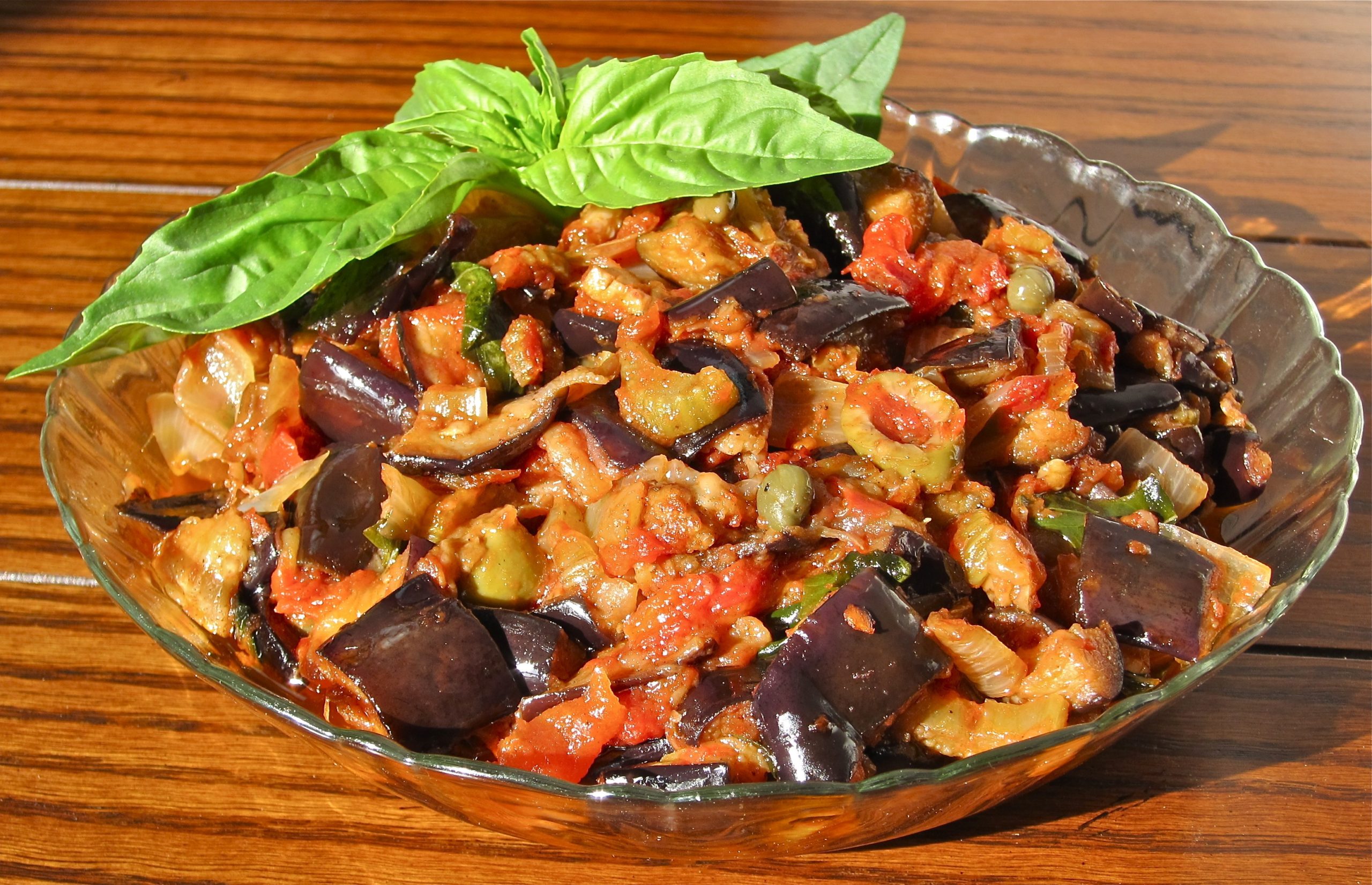
Eggplant Caponata Recipe: Eggplant Caponata is a classic Sicilian dish known for its rich sweet-and-sour flavor, soft texture, and deeply savory character. It is built around tender eggplant, simmered with tomatoes, onions, celery, olives, capers, and vinegar to create a dish that is both rustic and elegant. We can serve it warm, at room temperature, or chilled, which makes it one of the most flexible recipes for lunch, dinner, side dishes, and entertaining.
A well-made eggplant caponata recipe delivers layers of flavor in every bite. The eggplant becomes silky, the vegetables turn tender, and the sauce develops a balanced combination of sweetness, acidity, and saltiness. This is not just another vegetable dish. It is a bold Mediterranean recipe with depth, history, and strong visual appeal.
Whether we want a flavorful appetizer, a topping for crusty bread, or a make-ahead dish for gatherings, caponata stands out for its versatility and satisfying taste.
Why This Eggplant Caponata Recipe Works
This version works because it focuses on proper eggplant preparation, balanced seasoning, and careful simmering. Many recipes rush the process and end up with soggy eggplant or an overly sharp vinegar taste. A better approach is to build flavor in stages.
We start by preparing the eggplant correctly so it holds its shape while becoming tender inside. Then we cook the aromatics until fragrant and slightly sweet. Tomatoes bring body, olives and capers add briny intensity, and vinegar with a touch of sugar creates the signature sweet-sour finish that defines a true Sicilian eggplant caponata.
The result is a dish that tastes full, complex, and refined without being difficult to make.
Ingredients You’ll Need
To prepare a flavorful eggplant caponata recipe, we need fresh vegetables and a few pantry staples that create the dish’s signature Mediterranean profile.
Main Ingredients
- 2 medium eggplants, cut into small cubes
- 1 large onion, finely chopped
- 2 celery stalks, sliced thinly
- 3 cloves garlic, minced
- 1 cup crushed tomatoes or finely chopped ripe tomatoes
- 1/2 cup green olives, sliced
- 2 tablespoons capers, rinsed
- 3 tablespoons red wine vinegar
- 1 tablespoon sugar
- 1/4 cup olive oil, plus more if needed
- Salt, to taste
- Black pepper, to taste
Optional Flavor Enhancers
- 2 tablespoons raisins for gentle sweetness
- 2 tablespoons pine nuts for texture
- Fresh basil or parsley for garnish
- Chili flakes for mild heat
These ingredients create the traditional flavor base that makes eggplant caponata so memorable. Each one has a role, and together they produce a savory dish with complexity and balance.
How to Choose the Best Eggplant
The quality of the eggplant directly affects the texture of the final dish. We should look for eggplants that are firm, glossy, and heavy for their size. The skin should appear smooth and tight, without soft spots, bruises, or wrinkling.
Smaller to medium eggplants usually have fewer seeds and a milder flavor. If the eggplant feels overly light or looks dull, it may be older and less suitable for a smooth, tender caponata.
Fresh eggplant absorbs flavor well while maintaining a pleasing texture. That makes ingredient selection especially important in this recipe.
Preparing the Eggplant Properly
A great eggplant caponata recipe begins with proper preparation. Eggplant can absorb a great deal of oil, so handling it correctly helps keep the dish balanced and prevents it from becoming greasy.
After cubing the eggplant, we can lightly salt it and let it sit for about 20 to 30 minutes. This helps draw out excess moisture and can improve the texture. Once rested, we pat it dry thoroughly with a clean towel or paper towel.
This step is especially useful when we want the eggplant to become tender while still holding its shape during cooking. A dry surface also helps it brown better in the pan.
Step-by-Step Guide to Making Eggplant Caponata
Step 1: Prepare the Eggplant
Cut the eggplant into evenly sized cubes. Sprinkle lightly with salt and let it rest. After 20 to 30 minutes, pat dry well. This helps improve texture and keeps the dish from becoming watery.
At this point, the eggplant is ready for cooking and will absorb flavor more effectively.
Step 2: Cook the Eggplant Until Tender
Heat a portion of the olive oil in a large skillet or sauté pan over medium heat. Add the eggplant in batches if necessary. Cook until the cubes are lightly golden on the outside and tender inside.
Do not overcrowd the pan. If too much eggplant is added at once, it will steam instead of brown. Proper browning gives the dish more flavor and better texture.
Once cooked, remove the eggplant and set it aside.
Step 3: Sauté the Onion, Celery, and Garlic
In the same pan, add a little more olive oil if needed. Add the chopped onion and celery. Cook over medium heat until softened and fragrant. Then add the garlic and stir for about 30 seconds.
This aromatic base is essential to the dish. The onion adds sweetness, the celery adds freshness and structure, and the garlic brings depth. Together they create the savory foundation for the sauce.
Step 4: Add the Tomatoes
Stir in the crushed tomatoes and let the mixture simmer for several minutes. The tomatoes should begin to thicken slightly and blend with the sautéed vegetables.
At this stage, the sauce starts developing its body. A thicker sauce coats the eggplant better and helps carry all the flavors evenly through the dish.
Step 5: Add Olives and Capers
Add the sliced olives and rinsed capers to the pan. Stir well so they distribute evenly throughout the tomato mixture.
These ingredients are what give eggplant caponata its unmistakable Mediterranean flavor. The olives bring saltiness and richness, while the capers introduce a sharp, briny note that lifts the entire dish.
If using raisins or pine nuts, this is also a good moment to add them.
Step 6: Create the Sweet-and-Sour Balance
In a small bowl, combine the red wine vinegar and sugar, then pour the mixture into the pan. Stir well and let it simmer gently.
This sweet-sour element is the signature of a traditional Sicilian caponata recipe. The vinegar brightens the dish, while the sugar softens the acidity and rounds out the flavor. The goal is balance, not harshness.
Let the mixture cook for a few minutes so the flavors begin to meld.
Step 7: Return the Eggplant to the Pan
Add the cooked eggplant back into the sauce and stir gently to combine. Simmer everything together over low heat for 10 to 15 minutes.
This final simmer is where the dish becomes truly cohesive. The eggplant absorbs the sauce, the vegetables soften further, and the sweet, sour, salty, and savory notes settle into one another.
Taste and adjust with salt and black pepper as needed.
Step 8: Cool Slightly Before Serving
Once done, remove the pan from the heat and allow the caponata to rest. This dish often tastes even better after it has had time to cool slightly.
We can serve it warm, but many people prefer it at room temperature because the flavors become more pronounced and balanced.
Serving Ideas for Eggplant Caponata
One of the best things about this eggplant caponata recipe is how many ways we can serve it.
We can spoon it over toasted bread for an easy appetizer, serve it as a side dish with grilled chicken or fish, or pair it with roasted potatoes and salads for a complete Mediterranean-style meal. It also works beautifully as a topping for crostini, a filling for sandwiches, or a flavorful addition to grain bowls.
For a simple presentation, we can finish it with chopped fresh parsley or basil and a light drizzle of olive oil.
Tips for the Best Eggplant Caponata
To make the dish especially flavorful and well balanced, a few practical details matter.
First, avoid rushing the eggplant. Proper browning improves both texture and taste. Second, do not add too much vinegar at once. The sweet-sour balance should taste refined, not overpowering. Third, allow the caponata to rest before serving. This gives the ingredients time to settle and intensify.
Using quality olive oil, ripe tomatoes, and good olives makes a noticeable difference. Since this recipe depends on a small group of ingredients, each one should contribute clearly to the final result.
Common Mistakes to Avoid
A common mistake in making eggplant caponata is using too much oil at the beginning. Eggplant absorbs oil quickly, so moderate amounts work better. Another issue is under-seasoning. Because capers and olives bring saltiness, seasoning should be adjusted gradually and carefully.
Some versions also become too acidic. That usually happens when the vinegar is not balanced properly with sugar or when the sauce is not simmered long enough. A gentle simmer helps soften the sharp edges and creates a more rounded finish.
Finally, cutting the vegetables unevenly can affect the texture. Uniform pieces help everything cook at a similar pace.
How to Store Eggplant Caponata
This recipe stores very well, which makes it ideal for meal prep or advance cooking. Once cooled, place the caponata in an airtight container and refrigerate it. It can stay fresh for several days and often tastes better the next day.
The resting time allows the flavors to deepen, making leftovers especially enjoyable. Before serving, we can bring it to room temperature or warm it gently on the stove if preferred.
Because it keeps so well, it is a practical dish for entertaining, packed lunches, and make-ahead dinners.
Why This Recipe Belongs in Every Home Kitchen
A strong eggplant caponata recipe deserves a place in every recipe collection because it combines simplicity, elegance, and bold flavor in one dish. It uses accessible ingredients, rewards careful cooking, and delivers a finished result that feels both comforting and sophisticated.
It also adapts beautifully to different occasions. We can serve it casually on toast, feature it at dinner, or include it as part of a larger spread. Its rich flavor and beautiful texture make it stand out without requiring complicated techniques.
For anyone who enjoys Mediterranean food, vegetable-based dishes, or classic Italian recipes, this is a preparation worth mastering.
FAQs about Eggplant Caponata Recipe
1. What is eggplant caponata?
Eggplant caponata is a classic Sicilian dish made with cooked eggplant, tomatoes, onions, celery, olives, and capers. It has a rich sweet-and-sour flavor and can be served as a side dish, spread, or appetizer.
2. What does caponata taste like?
Caponata has a savory, tangy, and slightly sweet taste. The combination of vinegar, vegetables, and olives gives it a bold and balanced flavor.
3. Do we need to fry the eggplant first?
Many traditional recipes fry the eggplant for a rich texture and flavor. However, it can also be roasted or sautéed for a lighter version.
4. What ingredients are usually added to eggplant caponata?
Common ingredients include eggplant, onions, celery, tomatoes, olives, capers, vinegar, and a little sugar. Some versions also add raisins or pine nuts.
5. Is eggplant caponata served hot or cold?
It can be served warm, at room temperature, or chilled. Many people enjoy it most after the flavors have had time to develop.
6. Can we make caponata ahead of time?
Yes, caponata is an excellent make-ahead dish. In fact, it often tastes even better the next day.
7. What can we serve with eggplant caponata?
It pairs well with crusty bread, grilled meat, fish, pasta, rice, or cheese boards. It is also delicious as a topping for toast.
8. How should leftovers be stored?
Store leftovers in an airtight container in the refrigerator for up to 4 days. Serve cold or reheat gently before serving.
Final Thoughts
This Eggplant Caponata Recipe brings together tender eggplant, aromatic vegetables, tomatoes, olives, capers, and a perfectly balanced sweet-sour finish. The result is a dish that is deeply flavorful, visually inviting, and wonderfully versatile.
By following each step carefully, we create a caponata that is rich without being heavy, tangy without being sharp, and soft without losing texture. It is a timeless recipe that works as a side, spread, topping, or centerpiece for a simple Mediterranean meal.
When prepared with care, eggplant caponata becomes far more than a vegetable dish. It becomes a bold, satisfying, and memorable recipe that delivers flavor in every spoonful.